

Parameters
- 288bladzijden
- 11 uur lezen
Meer over het boek
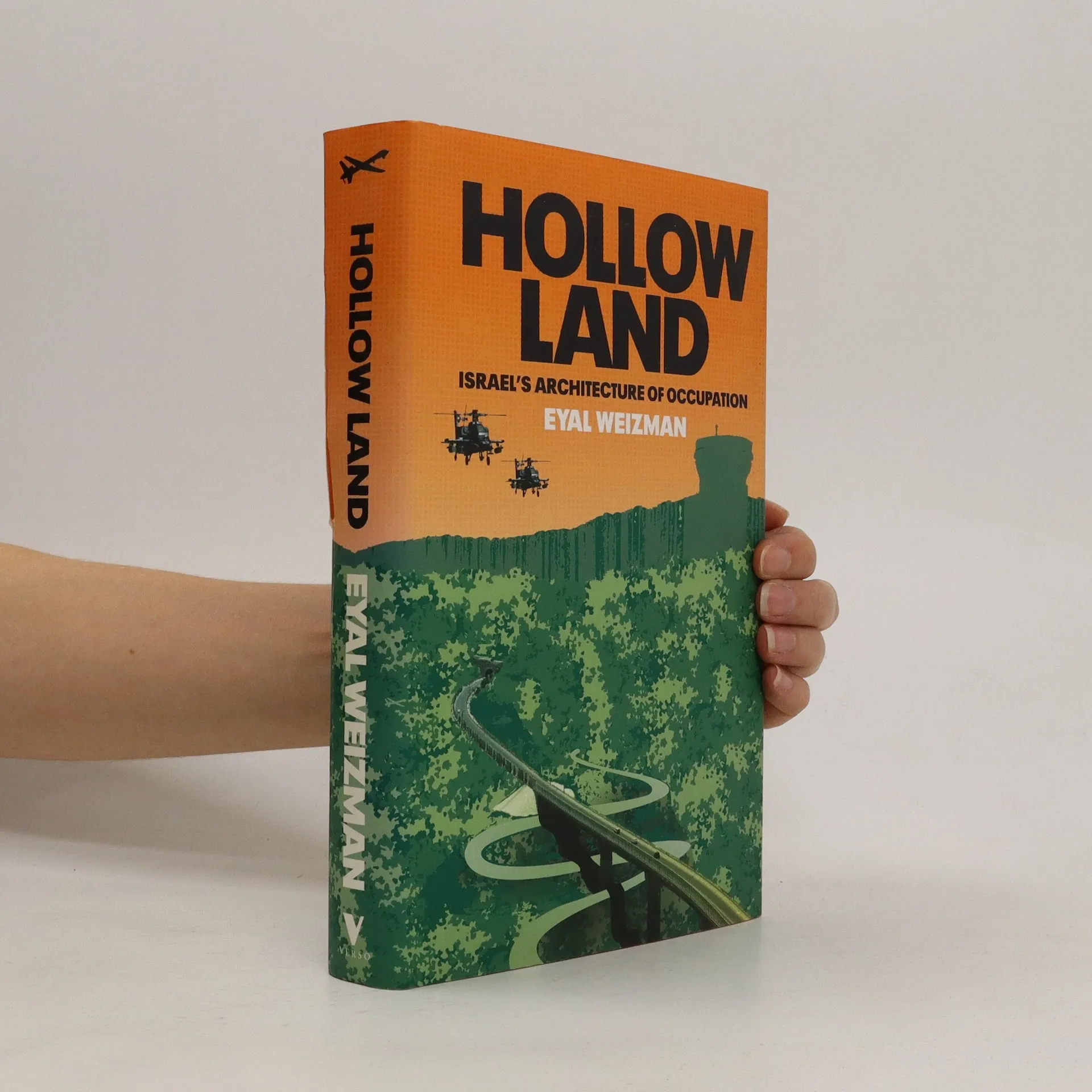
Hollow Land is a groundbreaking exploration of the political space created by Israel’s colonial occupation.In this journey from the deep subterranean spaces of the West Bank and Gaza to their militarized airspace, Eyal Weizman unravels Israel’s mechanisms of control and its transformation of the Occupied Territories into a theoretically constructed artifice, in which all natural and built features function as the weapons and ammunition with which the conflict is waged. Weizman traces the development of these ideas, from the influence of archaeology on urban planning, Ariel Sharon’s reconceptualization of military defense during the 1973 war, through the planning and architecture of the settlements, to contemporary Israeli discourse and practice of urban warfare and airborne targeted assassinations.In exploring Israel’s methods to transform the landscape and the built environment themselves into tools of domination and control, Hollow Land lays bare the political system at the heart of this complex and terrifying project of late-modern colonial occupation.


Een boek kopen
Hollow Land, Eyal Weizman
- Taal

- Jaar van publicatie
- 2007
- Bindwijze
- (Hardcover)
Betaalmethoden
We missen je recensie hier.
- Titel
- Hollow Land
- Ondertitel
- Israel's Architecture of Occupation
- Taal
- Engels
- Auteurs
- Eyal Weizman
- Uitgever
- Verso Books
- Jaar van publicatie
- 2007
- Formaat
- Hardcover
- Aantal pagina's
- 288
- ISBN10
- 1844671259
- ISBN13
- 9781844671250
- Reeks
- Categorieën
- Beoordeling
- 4,5 van 5
- Aantekening
- Hollow Land is a groundbreaking exploration of the political space created by Israel’s colonial occupation.In this journey from the deep subterranean spaces of the West Bank and Gaza to their militarized airspace, Eyal Weizman unravels Israel’s mechanisms of control and its transformation of the Occupied Territories into a theoretically constructed artifice, in which all natural and built features function as the weapons and ammunition with which the conflict is waged. Weizman traces the development of these ideas, from the influence of archaeology on urban planning, Ariel Sharon’s reconceptualization of military defense during the 1973 war, through the planning and architecture of the settlements, to contemporary Israeli discourse and practice of urban warfare and airborne targeted assassinations.In exploring Israel’s methods to transform the landscape and the built environment themselves into tools of domination and control, Hollow Land lays bare the political system at the heart of this complex and terrifying project of late-modern colonial occupation.