

Meer over het boek
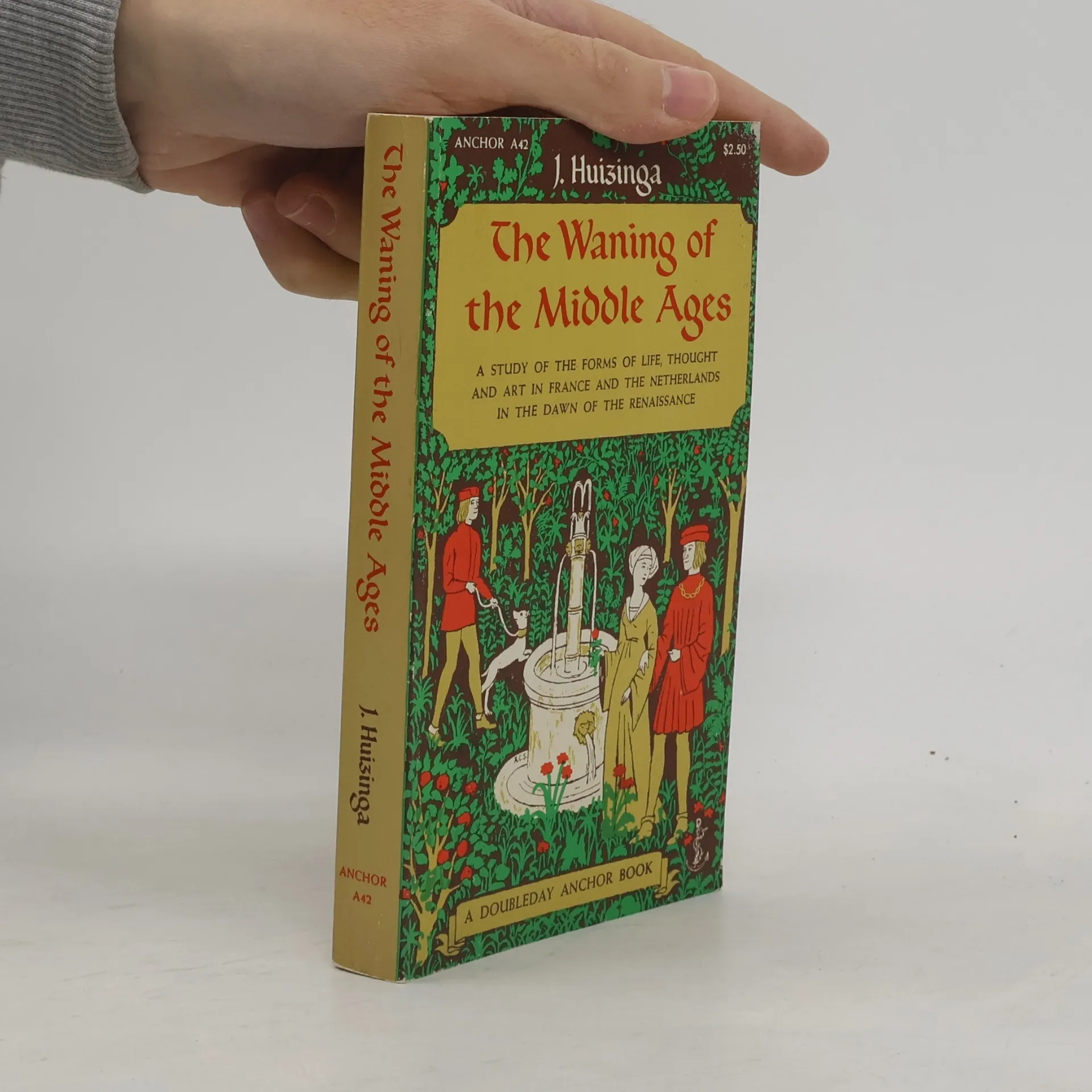
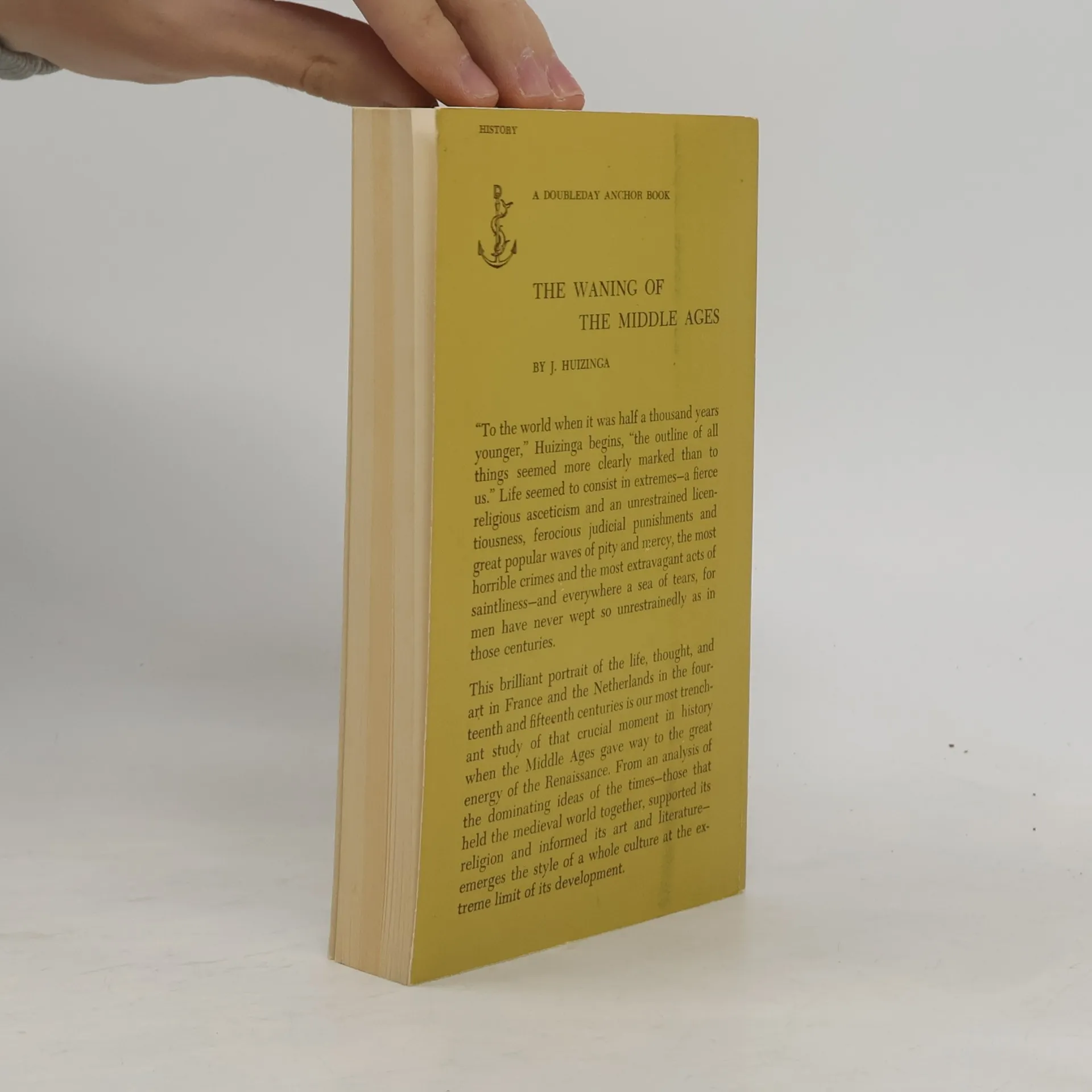
This study of life, thought and art in France and the Netherlands in the 14th and 15th centuries remains a classic historical work. In it, Johan Huizinga challenges the prevailing notion that the Middle Ages were just a prelude to the Renaissance. Examining in detail the work of the brothers Van Eyck, he goes on to demonstrate his belief that the actions of princes and statesmen, the chivalry of knights, and the outpourings of theologians, artists, poets and chroniclers were the final and perfect flowering of an older style of life. He ends his work by concluding that in an age of violent contrasts and impressive forms there was a tone of passion in everyday life that helped produce that perpetual oscillation between despair and distracted joy, between cruelty and pious tenderness, which characterize life in the Middle Ages.





Een boek kopen
The Waning of the Middle Ages, Johan Huizinga
- Taal

- Jaar van publicatie
- 1954
- Bindwijze
- (Paperback)
Betaalmethoden
We missen je recensie hier.
- Titel
- The Waning of the Middle Ages
- Taal
- Engels
- Auteurs
- Johan Huizinga
- Uitgever
- Doubleday Anchor Books
- Jaar van publicatie
- 1954
- Formaat
- Paperback
- Reeks
- Categorieën
- Tags
- Historisch thema, Kunst, Frankrijk, Europa, Middeleeuwen, Kunstgeschiedenis, Geschiedenis van Europa, Culturele Geschiedenis, Dagelijks leven Geschiedenis, Nederland, 15e eeuw, 14e eeuw, Geschiedenis van Frankrijk, Late Middeleeuwen, Bourgondië, Vlaanderen
- Eerste editie
- 1919
- Oorspronkelijke titel
- Herfsttij der Middeleeuwen
- Beoordeling
- 4,05 van 5
- Aantekening
- This study of life, thought and art in France and the Netherlands in the 14th and 15th centuries remains a classic historical work. In it, Johan Huizinga challenges the prevailing notion that the Middle Ages were just a prelude to the Renaissance. Examining in detail the work of the brothers Van Eyck, he goes on to demonstrate his belief that the actions of princes and statesmen, the chivalry of knights, and the outpourings of theologians, artists, poets and chroniclers were the final and perfect flowering of an older style of life. He ends his work by concluding that in an age of violent contrasts and impressive forms there was a tone of passion in everyday life that helped produce that perpetual oscillation between despair and distracted joy, between cruelty and pious tenderness, which characterize life in the Middle Ages.