

Meer over het boek
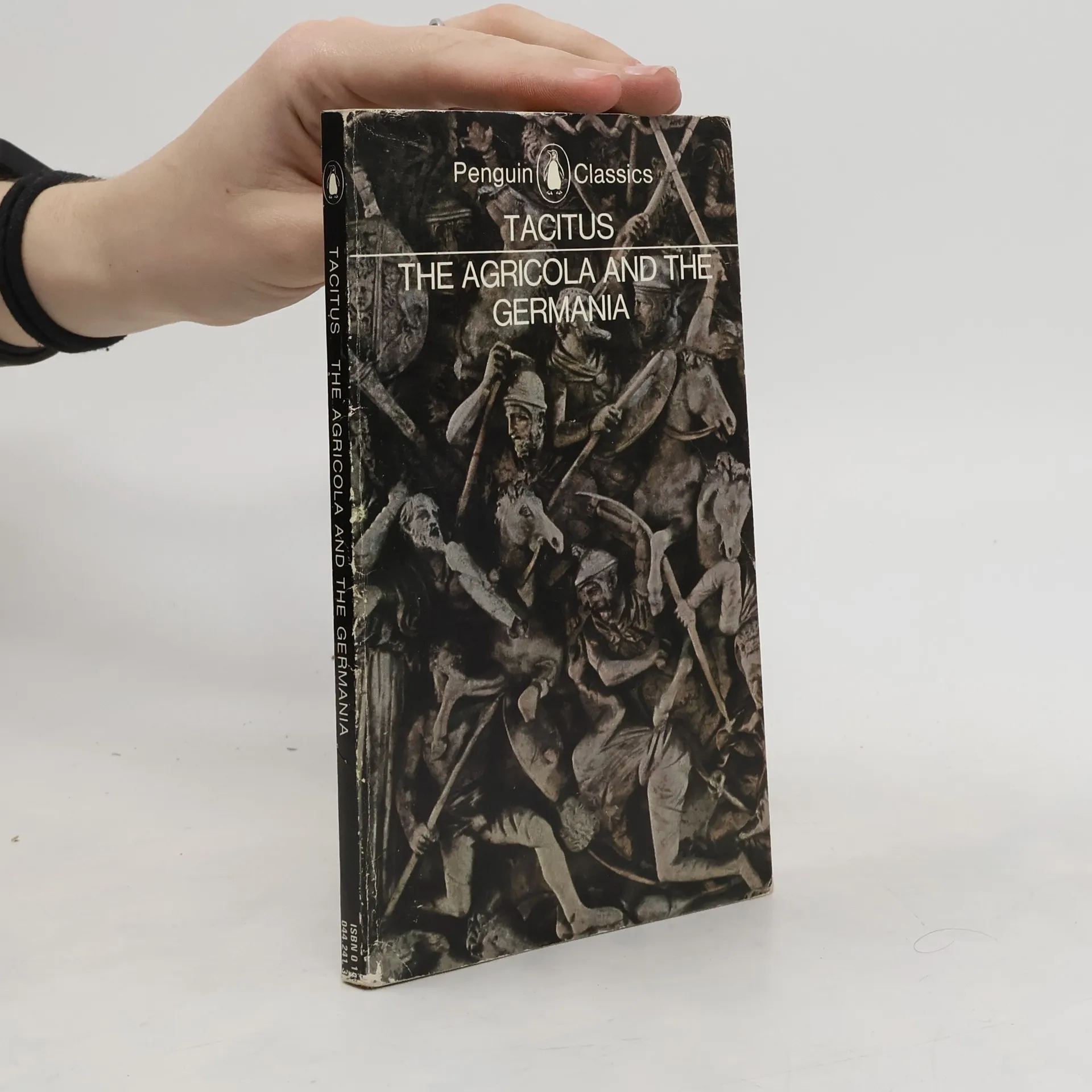
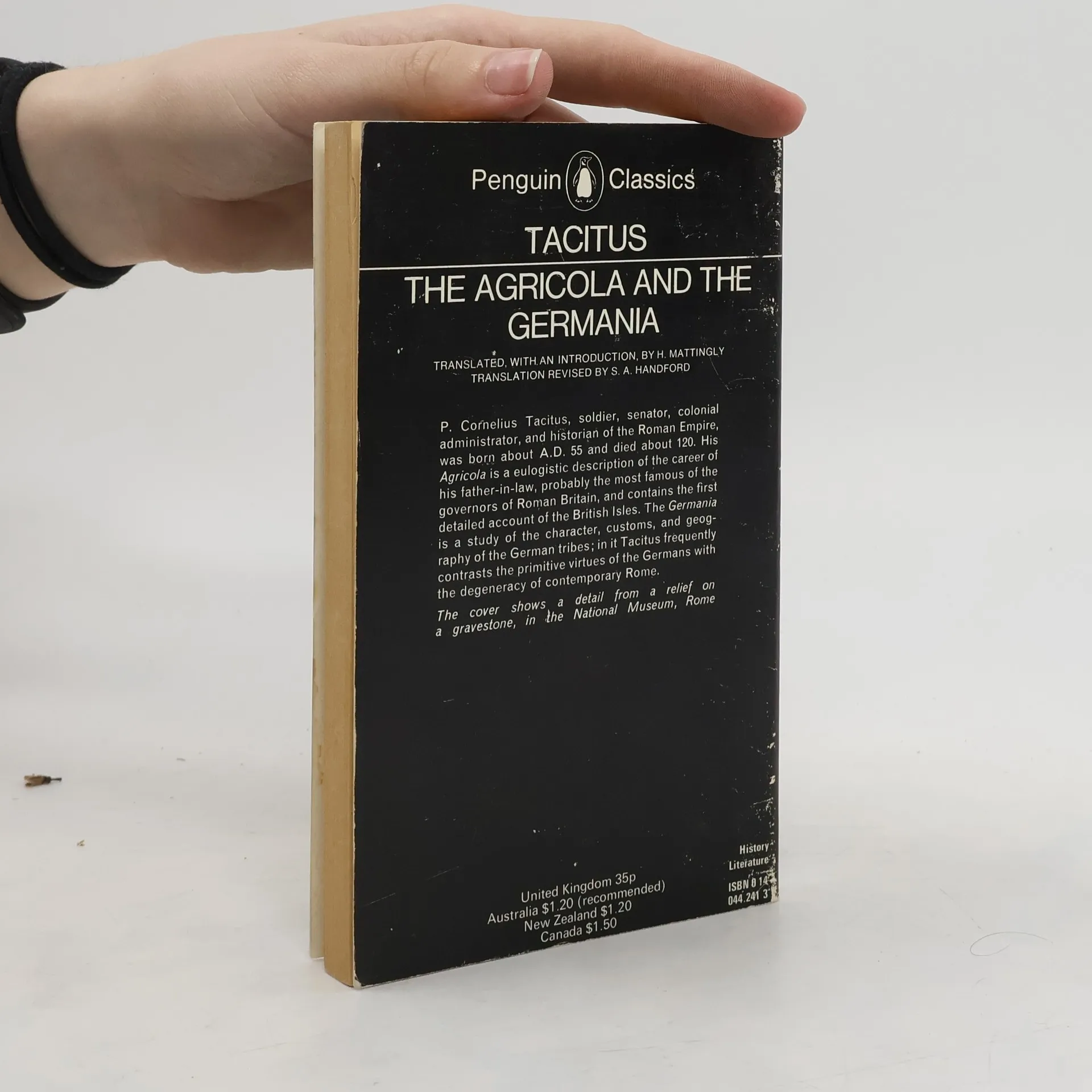
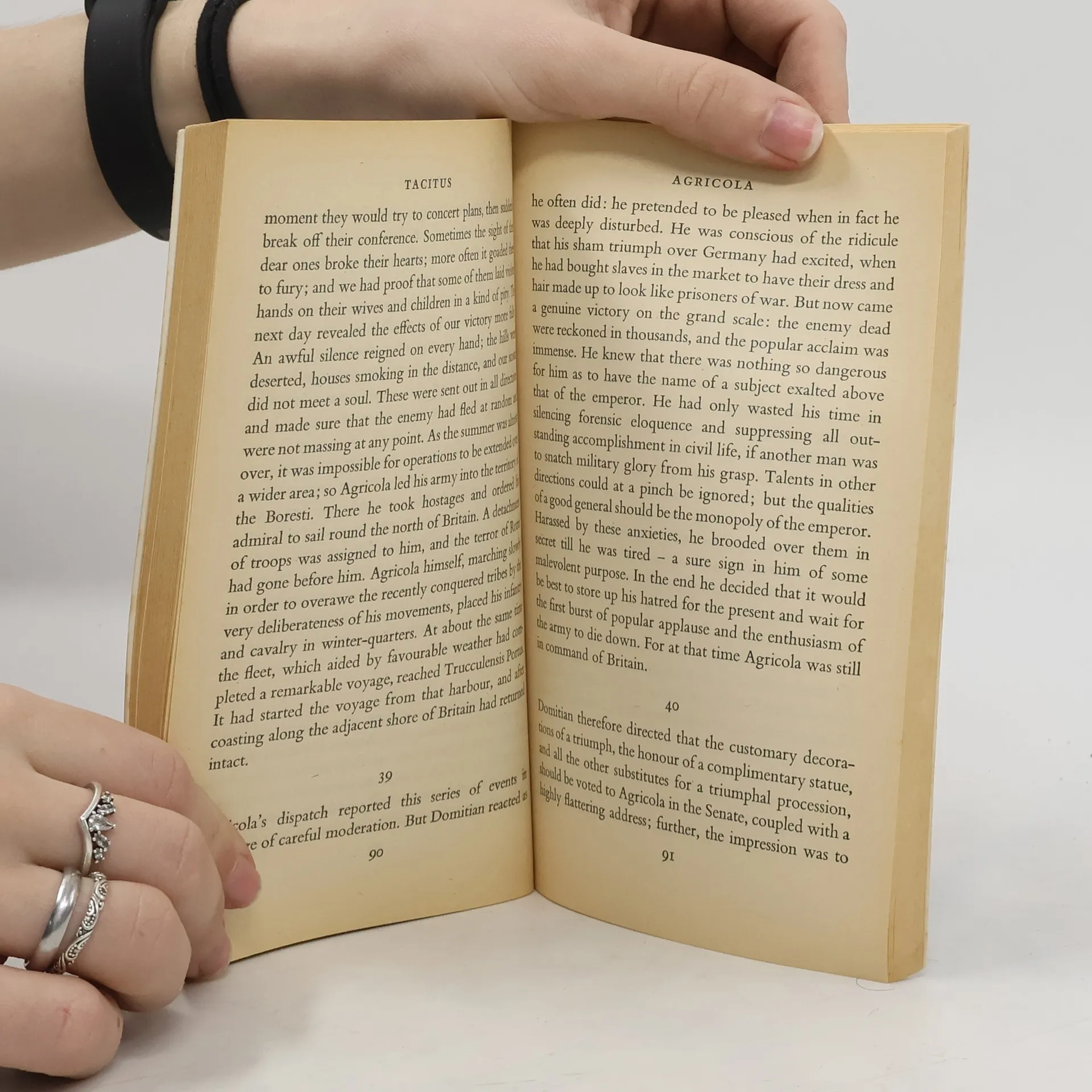
The Agricola is both a portrait of Julius Agricola - the most famous governor of Roman Britain and Tacitus' well-loved and respected father-in-law - and the first detailed account of Britain that has come down to us. It offers fascinating descriptions of the geography, climate and peoples of the country, and a succinct account of the early stages of the Roman occupation, nearly fatally undermined by Boudicca's revolt in AD 61 but consolidated by campaigns that took Agricola as far as Anglesey and northern Scotland. The warlike German tribes are the focus of Tacitus' attention in the Germania, which, like the Agricola, often compares the behaviour of 'barbarian' peoples favourably with the decadence and corruption of Imperial Rome.



Een boek kopen
The Agricola and The Germania, Cornelius Tacitus
- Taal

- Jaar van publicatie
- 1971
- Bindwijze
- (Paperback)
Betaalmethoden
We missen je recensie hier.
- Titel
- The Agricola and The Germania
- Taal
- Engels
- Auteurs
- Cornelius Tacitus
- Uitgever
- Penguin Books
- Jaar van publicatie
- 1971
- Formaat
- Paperback
- Aantal pagina's
- 176
- ISBN10
- 0140442413
- ISBN13
- 9780140442410
- Reeks
- Beoordeling
- 4 van 5
- Aantekening
- The Agricola is both a portrait of Julius Agricola - the most famous governor of Roman Britain and Tacitus' well-loved and respected father-in-law - and the first detailed account of Britain that has come down to us. It offers fascinating descriptions of the geography, climate and peoples of the country, and a succinct account of the early stages of the Roman occupation, nearly fatally undermined by Boudicca's revolt in AD 61 but consolidated by campaigns that took Agricola as far as Anglesey and northern Scotland. The warlike German tribes are the focus of Tacitus' attention in the Germania, which, like the Agricola, often compares the behaviour of 'barbarian' peoples favourably with the decadence and corruption of Imperial Rome.