



Parameters
- 96bladzijden
- 4 uur lezen
Meer over het boek
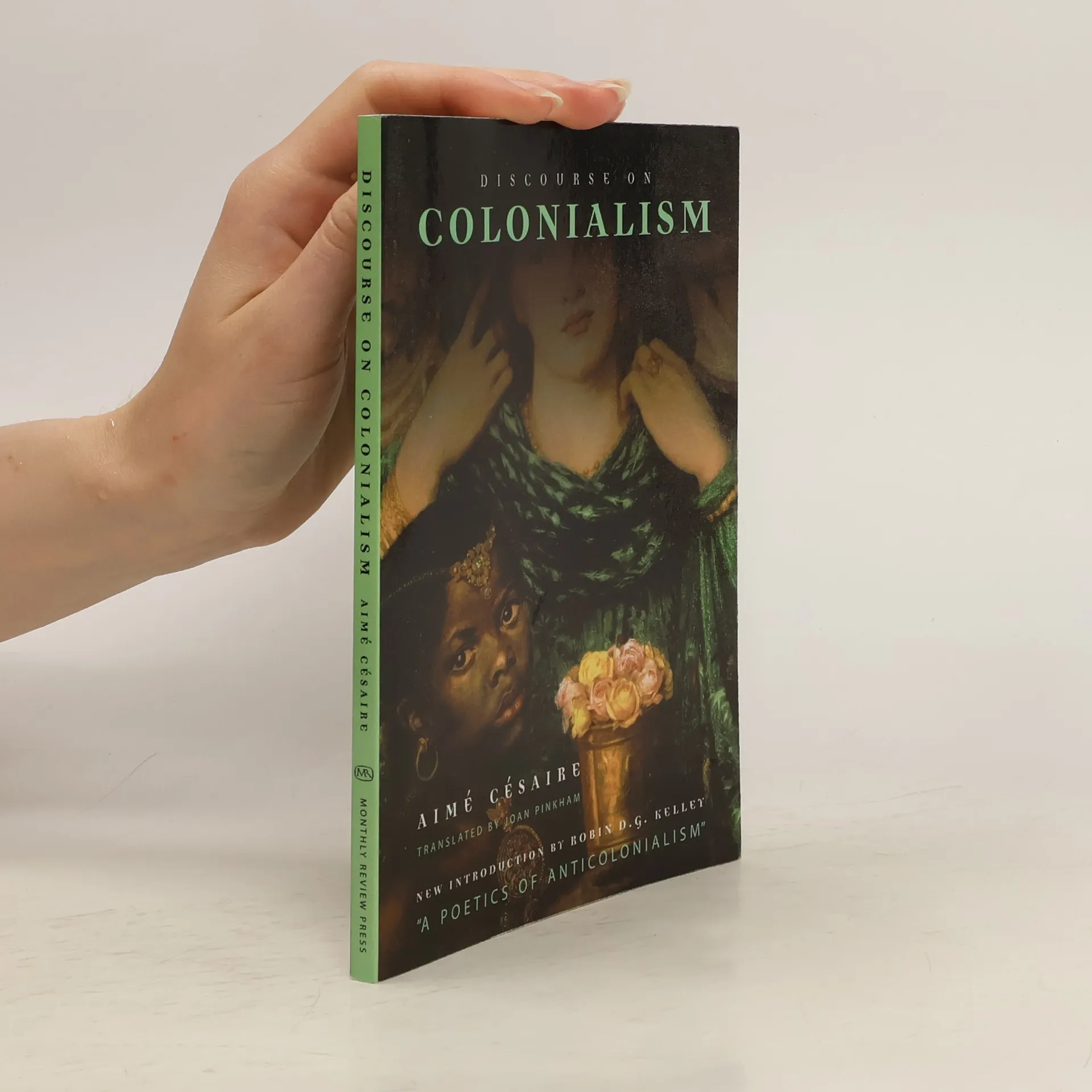
This classic work, first published in France in 1955, profoundly influenced the generation of scholars and activists at the forefront of liberation struggles in Africa, Latin America, and the Caribbean. Nearly twenty years later, when published for the first time in English, Discourse on Colonialism inspired a new generation engaged in the Civil Rights, Black Power, and antiwar movements. Aimé Césaire eloquently describes the brutal impact of capitalism and colonialism on both the colonizer and colonized, exposing the contradictions and hypocrisy implicit in western notions of "progress" and "civilization" upon encountering the "savage," "uncultured," or "primitive." He reaffirms African values, identity, and culture, and their relevance, reminding us that "the relationship between consciousness and reality is extremely complex. . . . It is equally necessary to decolonize our minds, our inner life, at the same time that we decolonize society." An interview with Aimé Césaire by the poet René Depestre is also included.


Een boek kopen
Discourse on Colonialism, Aimé Césaire
- Taal

- Jaar van publicatie
- 2000
- Bindwijze
- (Paperback)
Betaalmethoden
We missen je recensie hier.
- Titel
- Discourse on Colonialism
- Taal
- Engels
- Auteurs
- Aimé Césaire
- Uitgever
- Monthly Review Press,U.S.
- Jaar van publicatie
- 2000
- Formaat
- Paperback
- Aantal pagina's
- 96
- ISBN10
- 1583670254
- ISBN13
- 9781583670255
- Reeks
- Categorieën
- Tags
- Historisch thema, Filosofisch thema, Politiek, Frankrijk, Cadeaus voor Opa, Afrika, Wetenschappelijke Theorien, Ras, Racisme, Kritiek, Kolonialisme, Kolonies
- Eerste editie
- 1950
- Oorspronkelijke titel
- Discours sur le colonialisme
- Beoordeling
- 4,45 van 5
- Aantekening
- This classic work, first published in France in 1955, profoundly influenced the generation of scholars and activists at the forefront of liberation struggles in Africa, Latin America, and the Caribbean. Nearly twenty years later, when published for the first time in English, Discourse on Colonialism inspired a new generation engaged in the Civil Rights, Black Power, and antiwar movements. Aimé Césaire eloquently describes the brutal impact of capitalism and colonialism on both the colonizer and colonized, exposing the contradictions and hypocrisy implicit in western notions of "progress" and "civilization" upon encountering the "savage," "uncultured," or "primitive." He reaffirms African values, identity, and culture, and their relevance, reminding us that "the relationship between consciousness and reality is extremely complex. . . . It is equally necessary to decolonize our minds, our inner life, at the same time that we decolonize society." An interview with Aimé Césaire by the poet René Depestre is also included.