

Parameters
- 184bladzijden
- 7 uur lezen
Meer over het boek
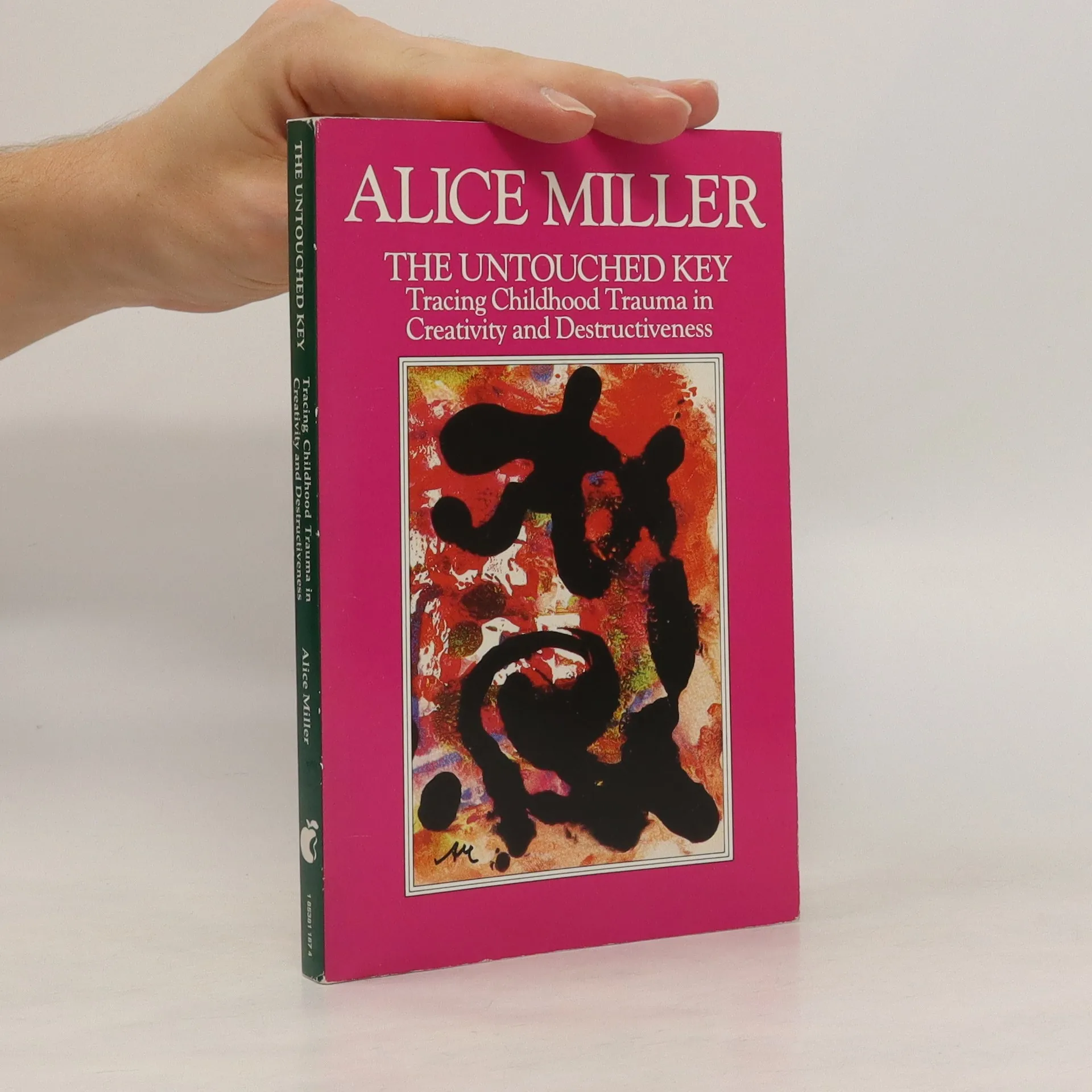
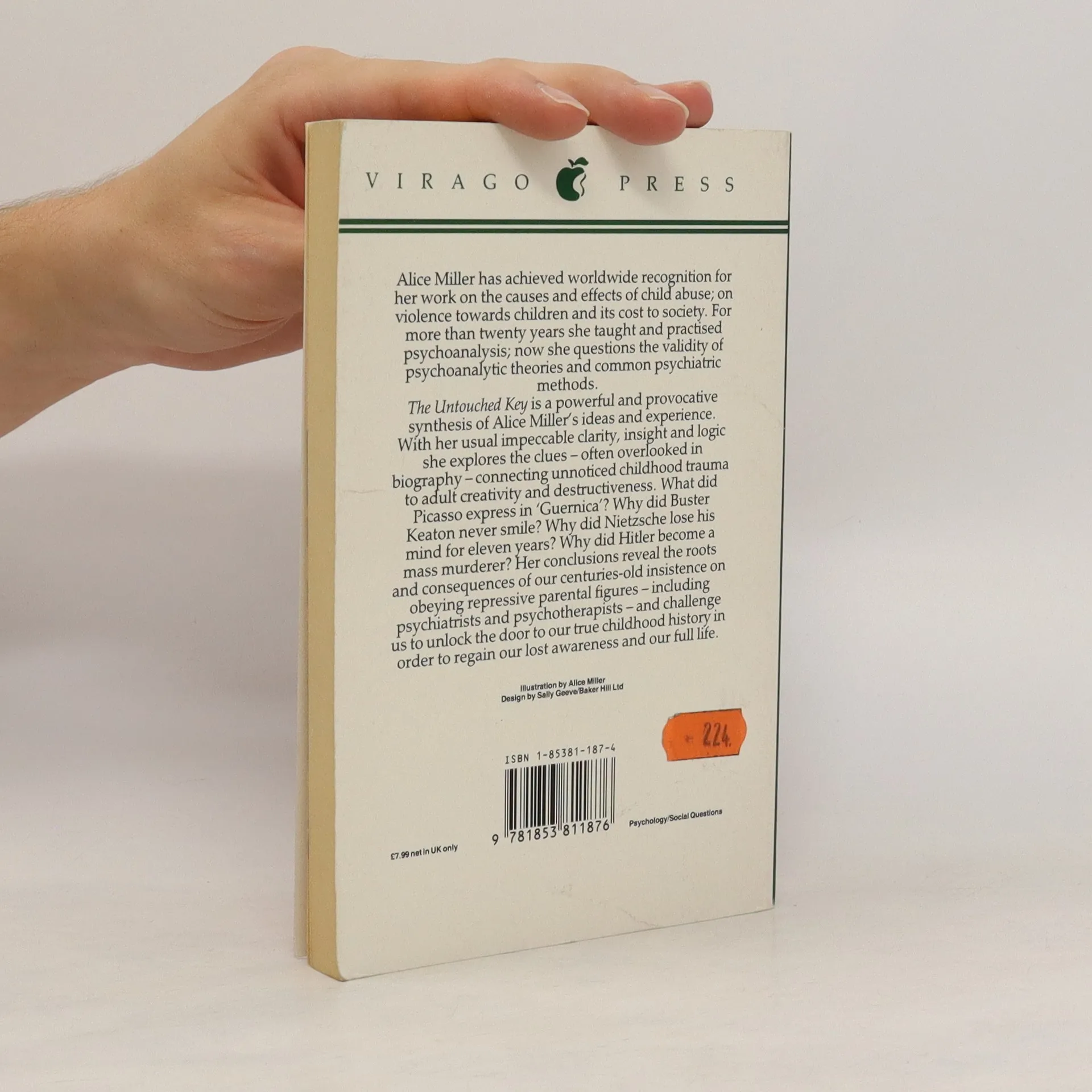
Alice Miller has achieved worldwide recognition for her work on the causes and effects of child abuse; on violence towards children and its cost to society. For more than twenty years she taught and practised psychoanalysis; now she questions the validity of psychoanalytic theories and common psychiatric methods. THE UNTOUCHED KEY is a powerful and provocative synthesis of Alice Miller's ideas and experience. With her usual impeccable clarity, insight and logic she explores the clues- often overlooked in biography- connecting unnoticed childhood trauma to adult creativity and destructiveness. What did Picasso express in 'Guernica'? Why did Buster Keaton never smile? Why did Nietzsche lose his mind for eleven years? Why did Hitler become a mass murderer? Her conclusions reveal the roots and consequences of our centuries-old existence on obeying repressive parental figures- including psychiatrists and psychotherapists- and challenge us to unlock the door to our true childhood history in order to regain our lost awareness and our full life.


Een boek kopen
The Untouched Key, Alice Miller
- Taal

- Jaar van publicatie
- 1990
- Bindwijze
- (Paperback)
Betaalmethoden
We missen je recensie hier.
- Titel
- The Untouched Key
- Taal
- Engels
- Auteurs
- Alice Miller
- Uitgever
- Virago Press
- Jaar van publicatie
- 1990
- Formaat
- Paperback
- Aantal pagina's
- 184
- ISBN10
- 1853811874
- ISBN13
- 9781853811876
- Reeks
- Tags
- Psychologische thema’s, Filosofisch thema, Kunst, Familie, Ouderschap, Geestelijke Gezondheid, Psychische Trauma
- Eerste editie
- 1988
- Oorspronkelijke titel
- Gemiedene Schlüssel
- Beoordeling
- 4,3 van 5
- Aantekening
- Alice Miller has achieved worldwide recognition for her work on the causes and effects of child abuse; on violence towards children and its cost to society. For more than twenty years she taught and practised psychoanalysis; now she questions the validity of psychoanalytic theories and common psychiatric methods. THE UNTOUCHED KEY is a powerful and provocative synthesis of Alice Miller's ideas and experience. With her usual impeccable clarity, insight and logic she explores the clues- often overlooked in biography- connecting unnoticed childhood trauma to adult creativity and destructiveness. What did Picasso express in 'Guernica'? Why did Buster Keaton never smile? Why did Nietzsche lose his mind for eleven years? Why did Hitler become a mass murderer? Her conclusions reveal the roots and consequences of our centuries-old existence on obeying repressive parental figures- including psychiatrists and psychotherapists- and challenge us to unlock the door to our true childhood history in order to regain our lost awareness and our full life.