

Parameters
- 304bladzijden
- 11 uur lezen
Meer over het boek
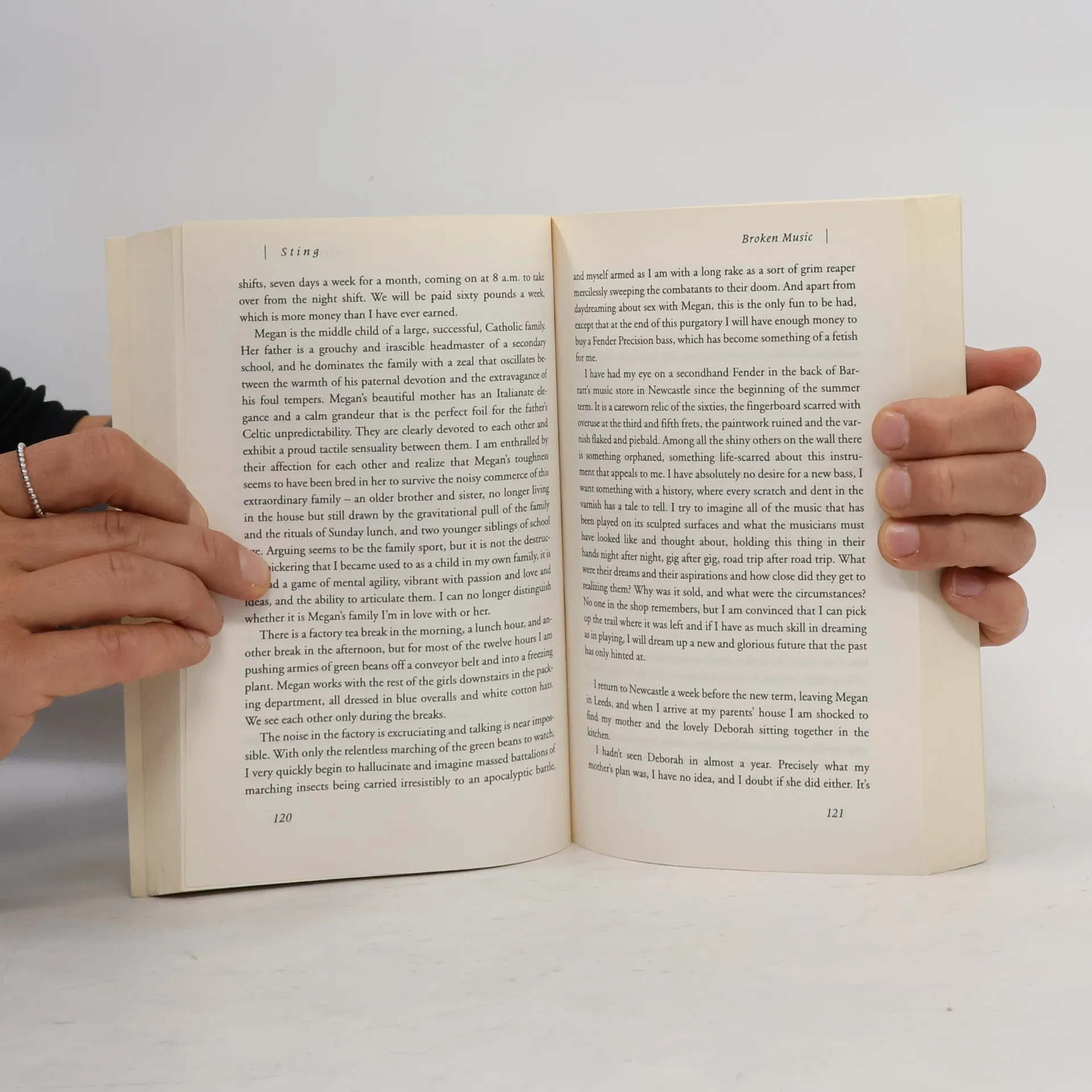
'I pore over Beatles albums with the same obsessive and forensic scrutiny that I'd applied to Rodgers and Hammerstein, only now I have a guitar. I have an instrument that can reproduce the practical magic of the chord structures and the network of riffs that their songs are built on. And what songs, one after the other, album after album. I learn to play them all, confident that if I persevere, what I can't play immediately will yield its secret eventually. I will reapply the needle of the record player again and again to the bars of music that seem beyond my analysis, like a safecracker picking a lock, until the prize is mine. No school subject ever occupies as much of my time or energy. I'm not claiming that any kind of prescience about the future was at work here, but there was something in the driven and compulsive nature of this obsession that was unusual, something in the unconscious saying, "This is how you escape." "This is how you escape.'''





Een boek kopen
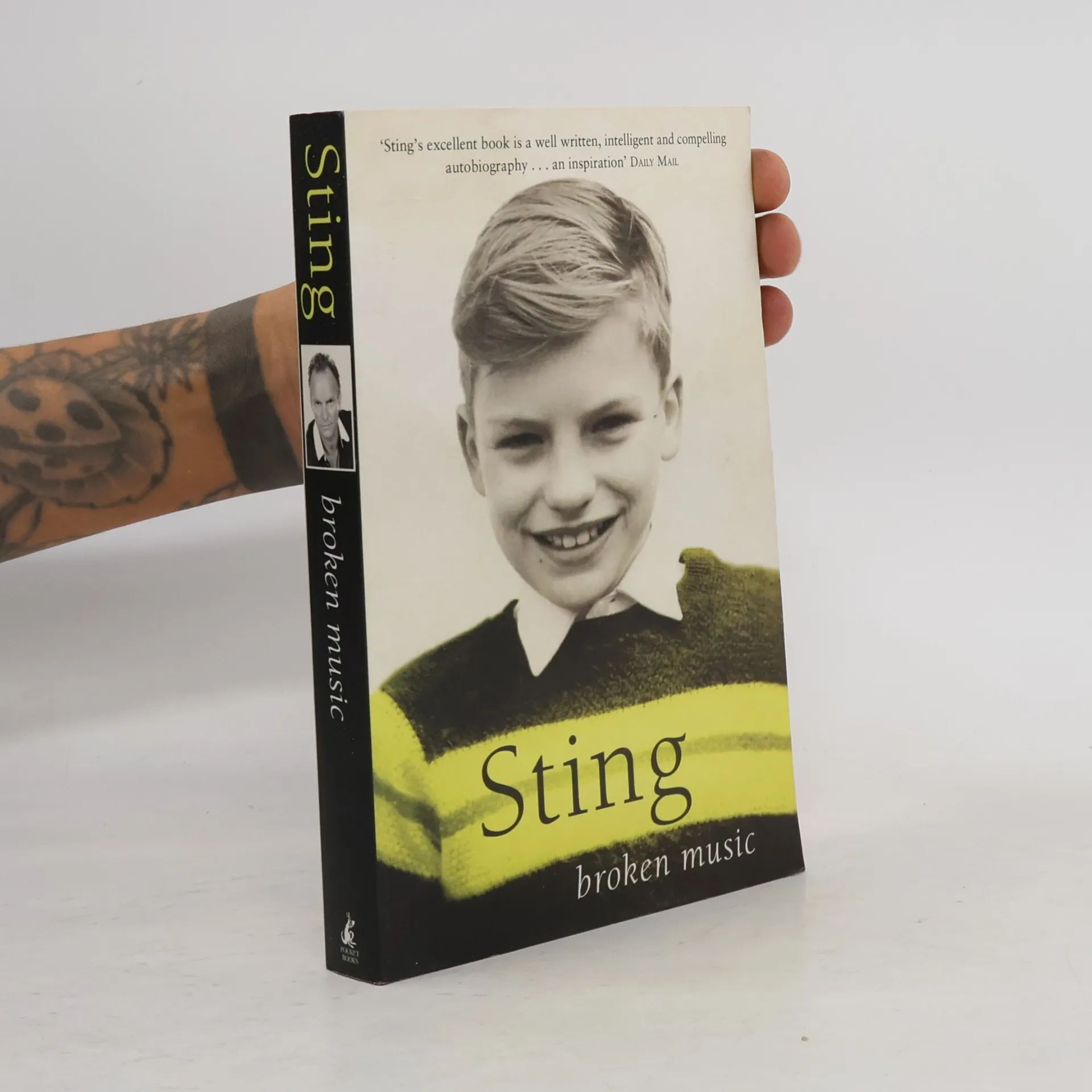
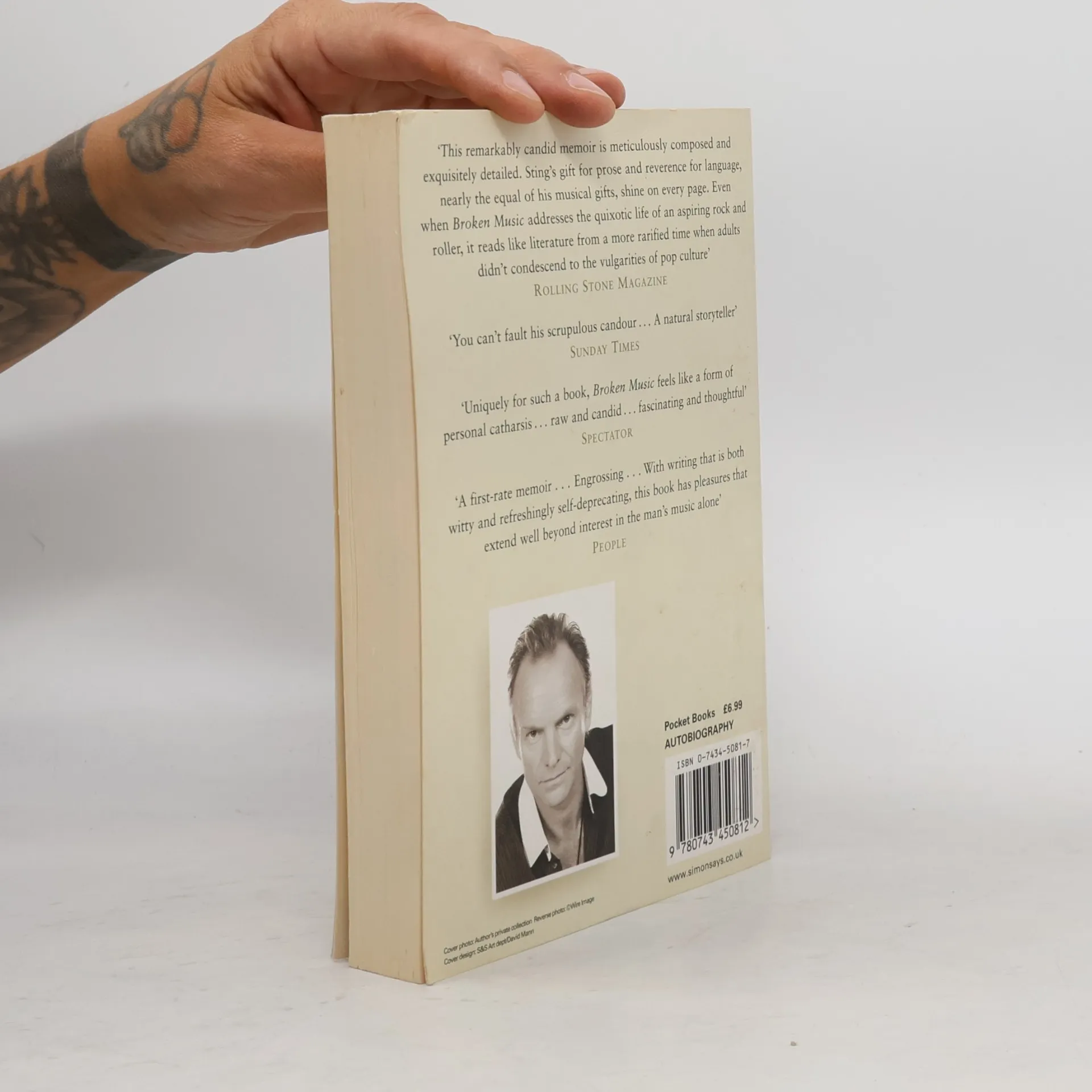
Sting: Broken Music, Sting
- Taal

- Jaar van publicatie
- 2014
- Bindwijze
- (Paperback),
- Staat van het boek
- Goed
- Prijs
- € 7,69
Betaalmethoden
We missen je recensie hier.
- Titel
- Sting: Broken Music
- Taal
- Engels
- Auteurs
- Sting
- Uitgever
- Jaar van publicatie
- 2014
- Formaat
- Paperback
- Aantal pagina's
- 304
- ISBN10
- 0743450817
- ISBN13
- 9780743450812
- Reeks
- Categorieën
- Tags
- Muzikale thematiek, Engeland, Leven, Politie
- Eerste editie
- 2001
- Oorspronkelijke titel
- Broken music
- Beoordeling
- 3,85 van 5
- Aantekening
- 'I pore over Beatles albums with the same obsessive and forensic scrutiny that I'd applied to Rodgers and Hammerstein, only now I have a guitar. I have an instrument that can reproduce the practical magic of the chord structures and the network of riffs that their songs are built on. And what songs, one after the other, album after album. I learn to play them all, confident that if I persevere, what I can't play immediately will yield its secret eventually. I will reapply the needle of the record player again and again to the bars of music that seem beyond my analysis, like a safecracker picking a lock, until the prize is mine. No school subject ever occupies as much of my time or energy. I'm not claiming that any kind of prescience about the future was at work here, but there was something in the driven and compulsive nature of this obsession that was unusual, something in the unconscious saying, "This is how you escape." "This is how you escape.'''