

De favoriet van de lezers is momenteel uitverkocht.
Parameters
- 416bladzijden
- 15 uur lezen
Meer over het boek
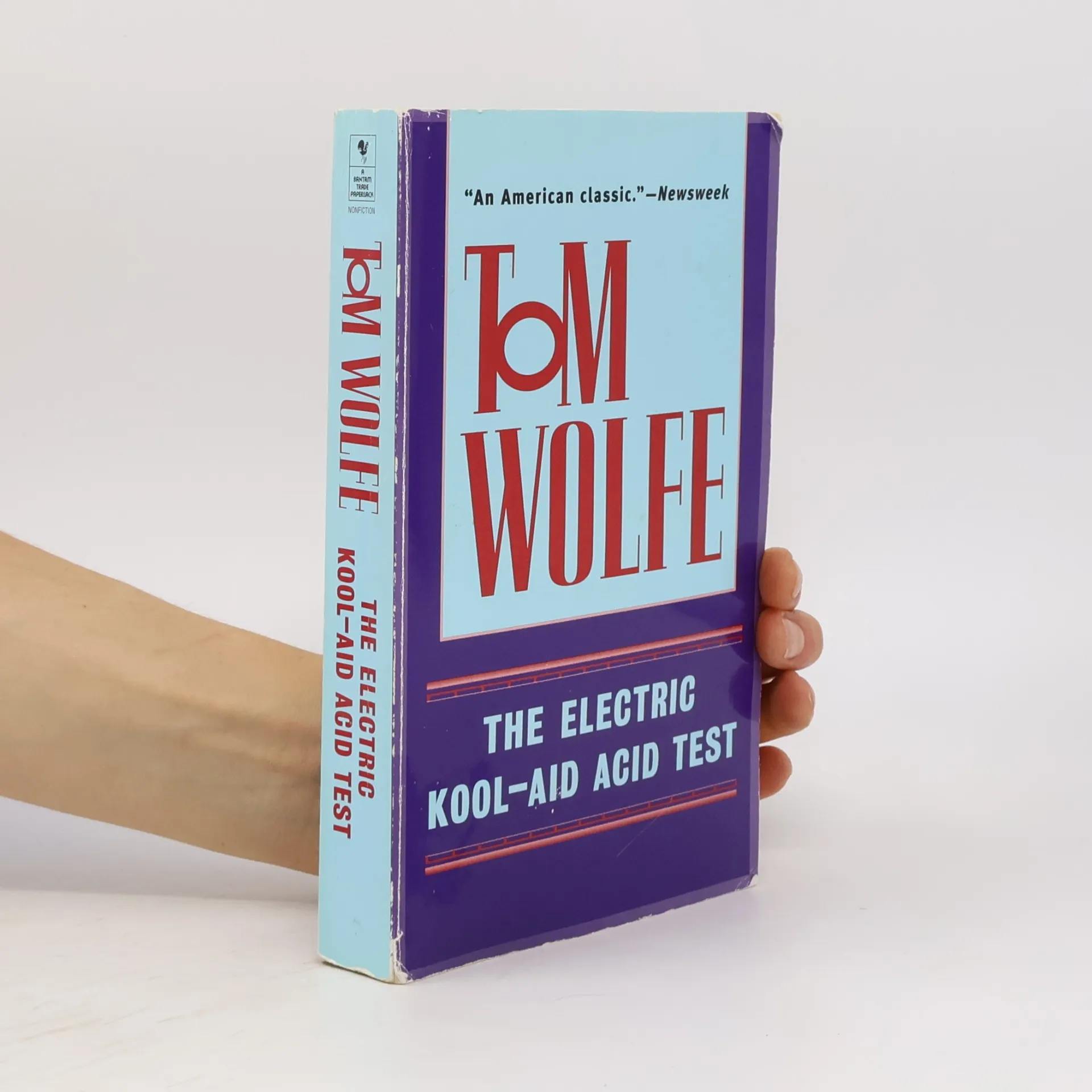
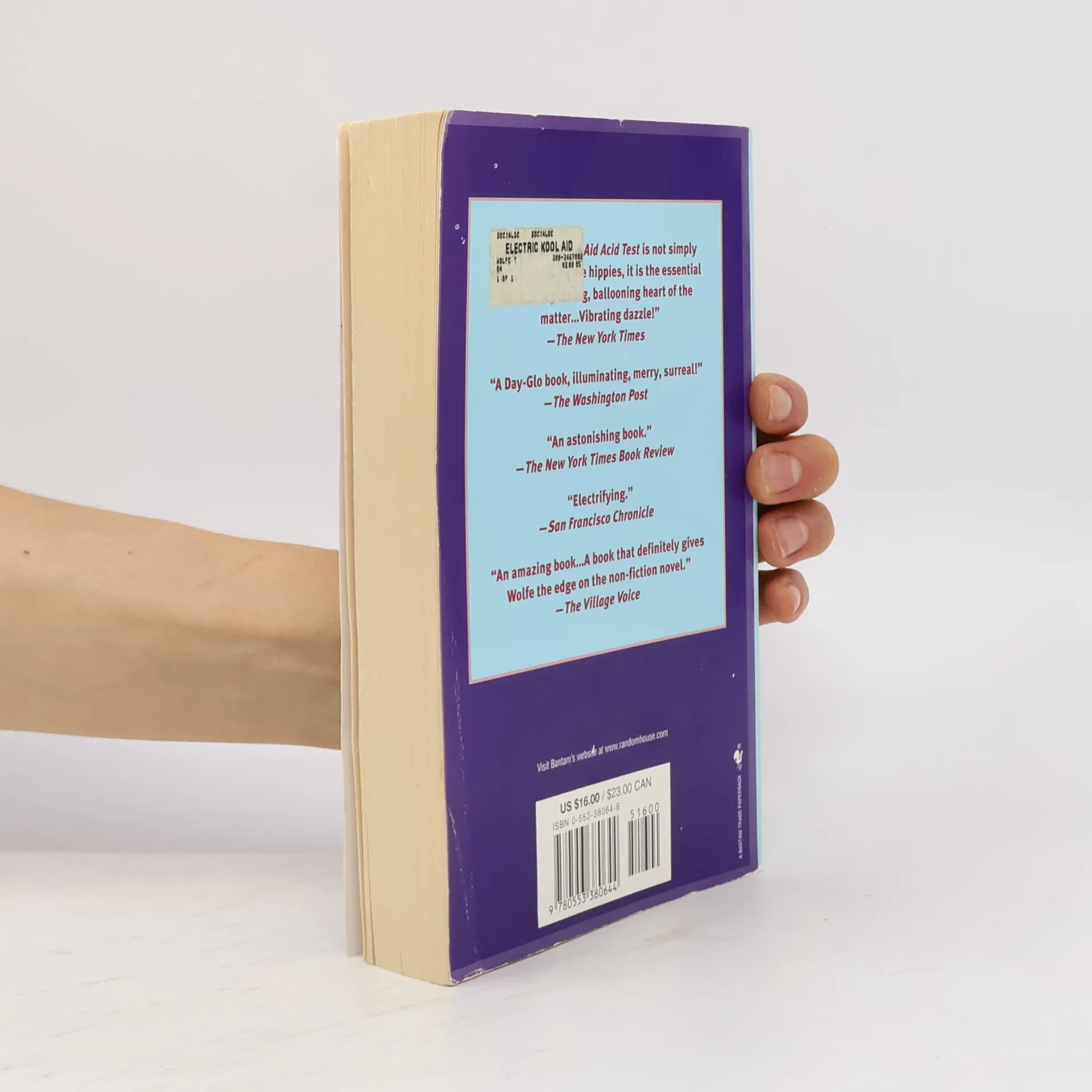
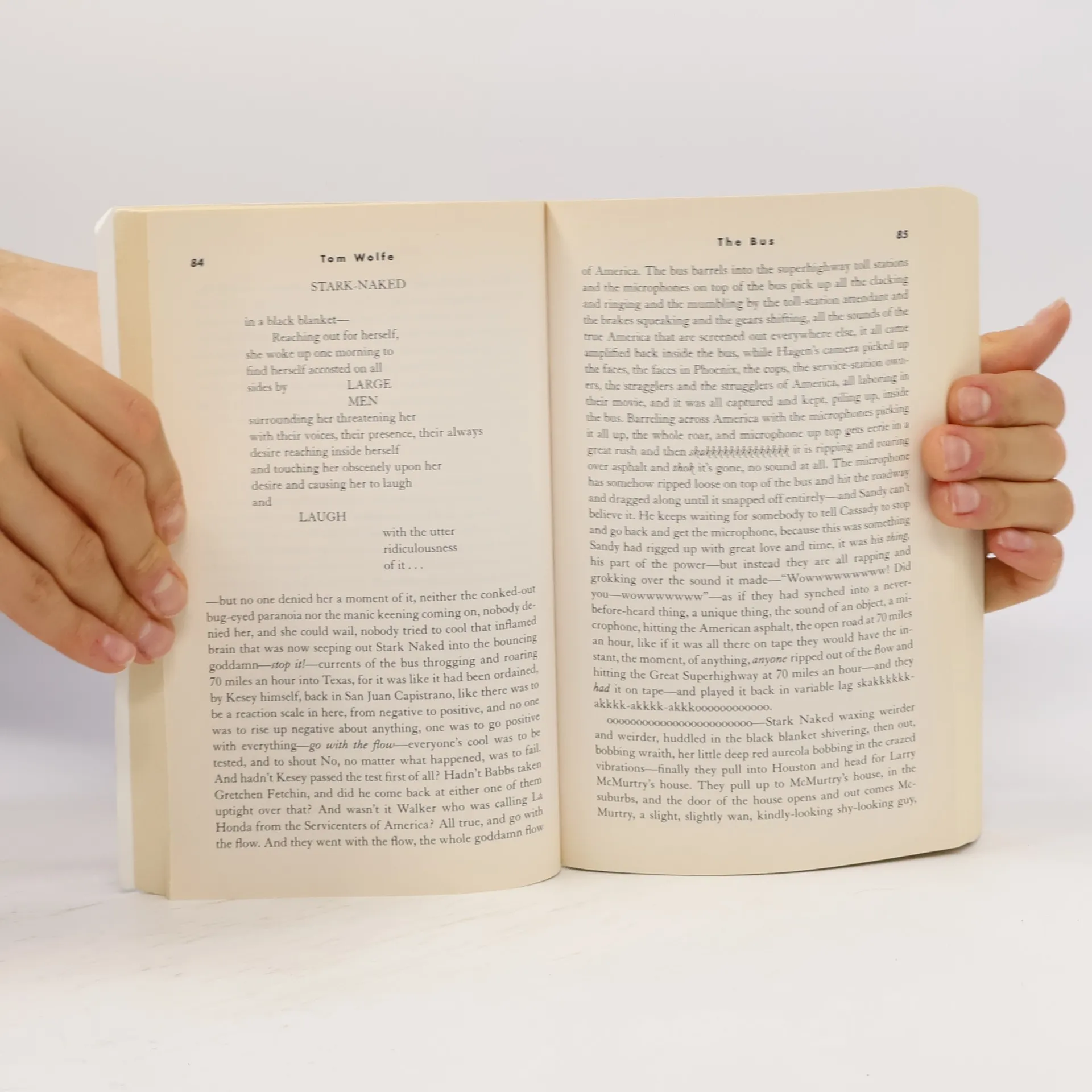
Tom Wolfe's much-discussed kaleidoscopic non-fiction novel chronicles the tale of novelist Ken Kesey and his band of Merry Pranksters. In the 1960s, Kesey led a group of psychedelic sympathizers around the country in a painted bus, presiding over LSD-induced "acid tests" all along the way. Long considered one of the greatest books about the history of the hippies, Wolfe's ability to research like a reporter and simultaneously evoke the hallucinogenic indulgence of the era ensures that this book, written in 1967, will live long in the counter-culture canon of American literature.




Een boek kopen
The Electric Kool-Aid Acid Test, Tom Wolfe
- Taal

- Jaar van publicatie
- 1999
- Bindwijze
- (Paperback)
Zodra we het ontdekt hebben, sturen we een e-mail.
Betaalmethoden
We missen je recensie hier.
- Titel
- The Electric Kool-Aid Acid Test
- Taal
- Engels
- Auteurs
- Tom Wolfe
- Uitgever
- Bantam Books
- Jaar van publicatie
- 1999
- Formaat
- Paperback
- Aantal pagina's
- 416
- ISBN10
- 0553380648
- ISBN13
- 9780553380644
- Reeks
- Categorieën
- Tags
- Historisch thema, Muzikale thematiek, Verhalende Journalistiek, Verenigde Staten, Amerikaanse Literatuur, Journalistiek en Publiciteit, Amerika, Reis, Drugs, Vertelling, narratie, Jaren 50 van de 20e eeuw, Jaren '60 van de 20e eeuw, Hippies, Timothy Leary
- Eerste editie
- 1968
- Oorspronkelijke titel
- The Electric Kool-Aid Acid Test
- Beoordeling
- 3,8 van 5
- Aantekening
- Tom Wolfe's much-discussed kaleidoscopic non-fiction novel chronicles the tale of novelist Ken Kesey and his band of Merry Pranksters. In the 1960s, Kesey led a group of psychedelic sympathizers around the country in a painted bus, presiding over LSD-induced "acid tests" all along the way. Long considered one of the greatest books about the history of the hippies, Wolfe's ability to research like a reporter and simultaneously evoke the hallucinogenic indulgence of the era ensures that this book, written in 1967, will live long in the counter-culture canon of American literature.