

Meer over het boek
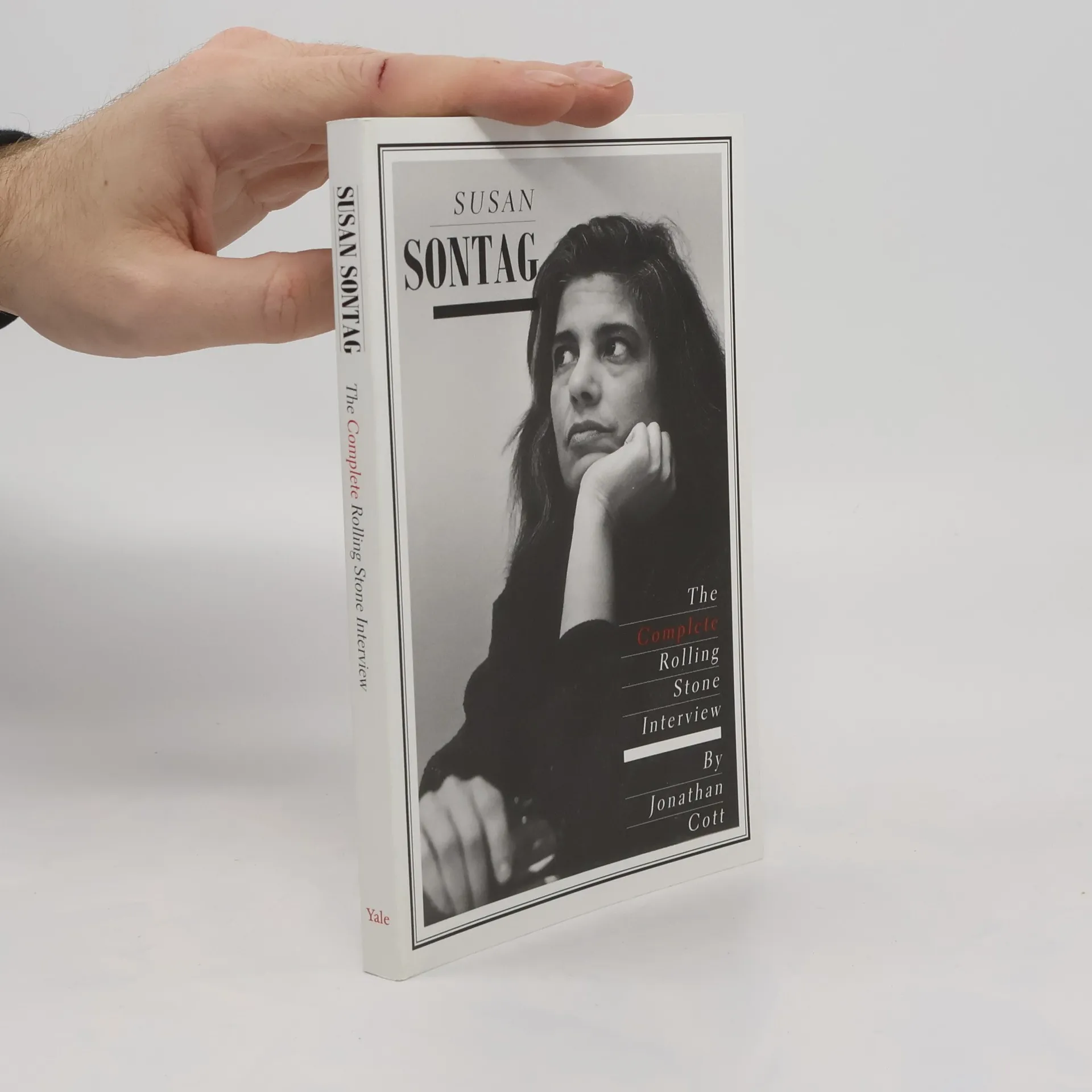
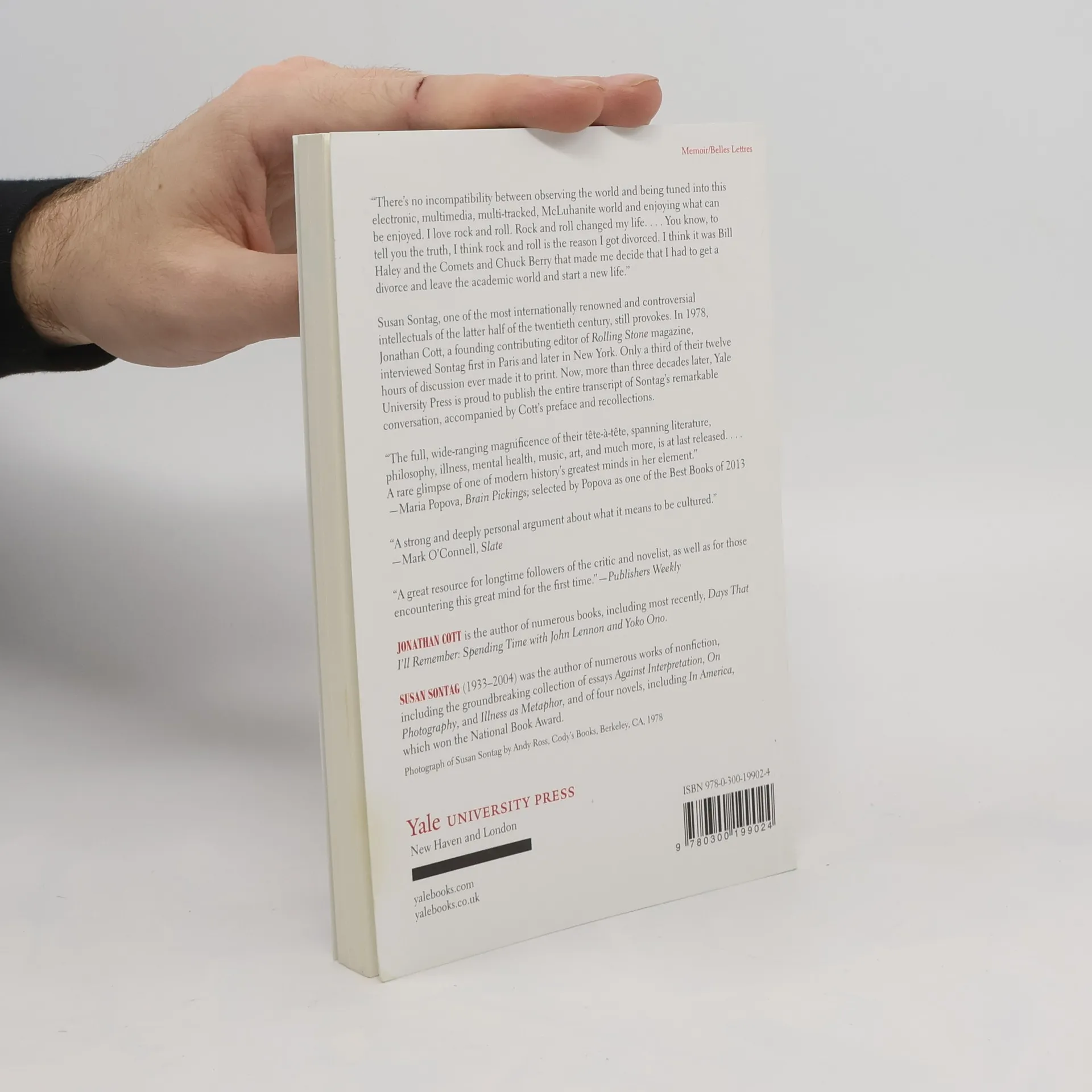
In 1978, Susan Sontag and Jonathan Cott met for an interview, first in Sontag's Paris apartment and later in her New York loft. The result is a multifaceted portrait of Sontag as a profound and agile thinker, unafraid to tackle a wide range of topics—feminism, fascism, aesthetics, ideology, Chuck Berry, and Friedrich Nietzsche—while disregarding the divide between high and pop culture: "Rock 'n' Roll changed my life." Sontag also provides insights into her personal life, discussing her role as a mother, her marriage, and her battle with cancer, which inspired her pivotal work, Illness as Metaphor. The conversation touches on her significant essays, including Art and Anti-Art and On Photography. Even humor, not typically associated with Sontag, finds its place in this book, offering a well-rounded view of her intellect and personality.

Een boek kopen
The Complete Rolling Stone Interview, Susan Sontag
- Taal

- Jaar van publicatie
- 2013
- Bindwijze
- (Paperback)
Betaalmethoden
We missen je recensie hier.
- Titel
- The Complete Rolling Stone Interview
- Taal
- Engels
- Auteurs
- Susan Sontag
- Uitgever
- Yale University Press
- Jaar van publicatie
- 2013
- Formaat
- Paperback
- ISBN10
- 0300199023
- ISBN13
- 9780300199024
- Reeks
- Categorieën
- Tags
- Filosofisch thema, Kunst, Vrouwen, Denken
- Beoordeling
- 4,15 van 5
- Aantekening
- In 1978, Susan Sontag and Jonathan Cott met for an interview, first in Sontag's Paris apartment and later in her New York loft. The result is a multifaceted portrait of Sontag as a profound and agile thinker, unafraid to tackle a wide range of topics—feminism, fascism, aesthetics, ideology, Chuck Berry, and Friedrich Nietzsche—while disregarding the divide between high and pop culture: "Rock 'n' Roll changed my life." Sontag also provides insights into her personal life, discussing her role as a mother, her marriage, and her battle with cancer, which inspired her pivotal work, Illness as Metaphor. The conversation touches on her significant essays, including Art and Anti-Art and On Photography. Even humor, not typically associated with Sontag, finds its place in this book, offering a well-rounded view of her intellect and personality.