


Meer over het boek
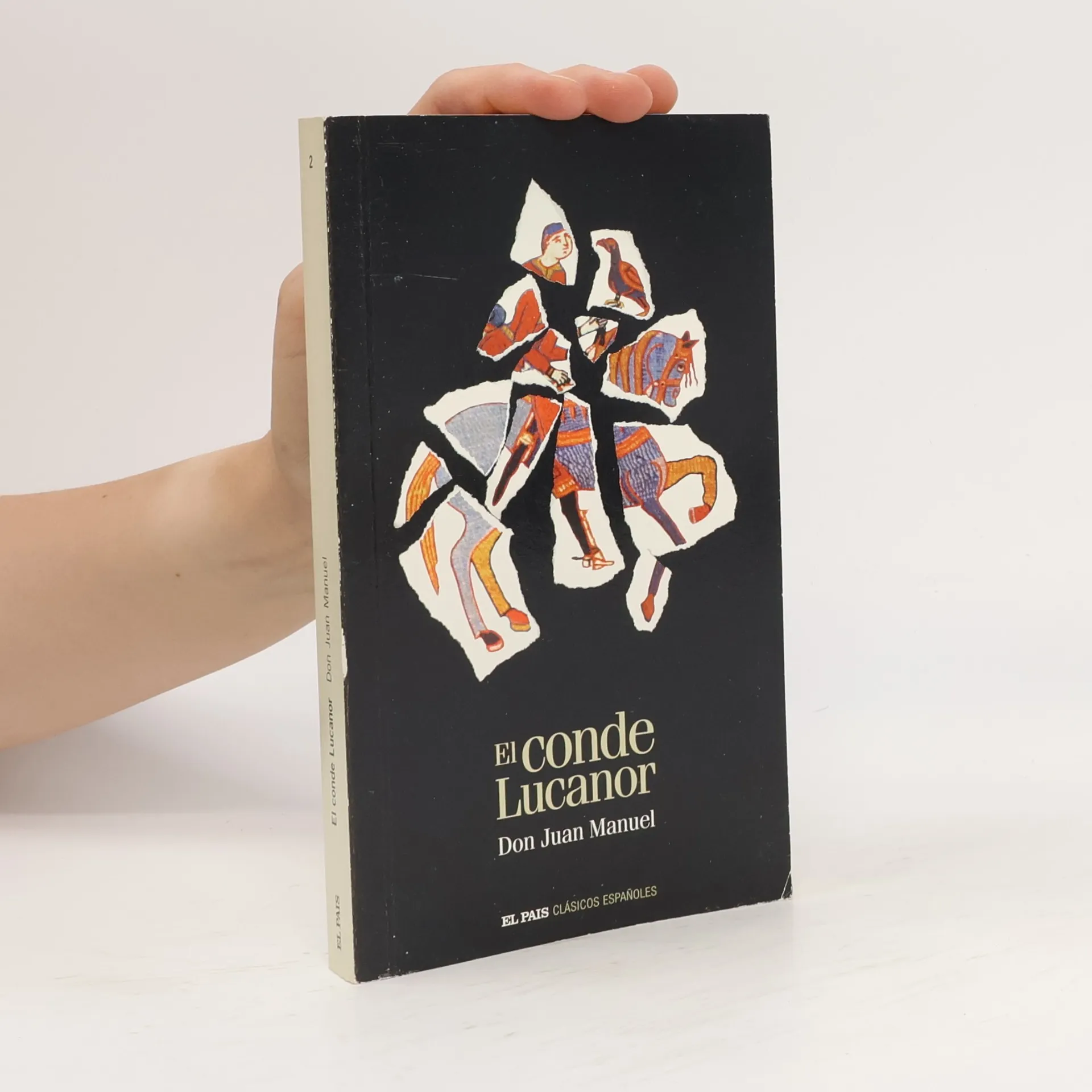
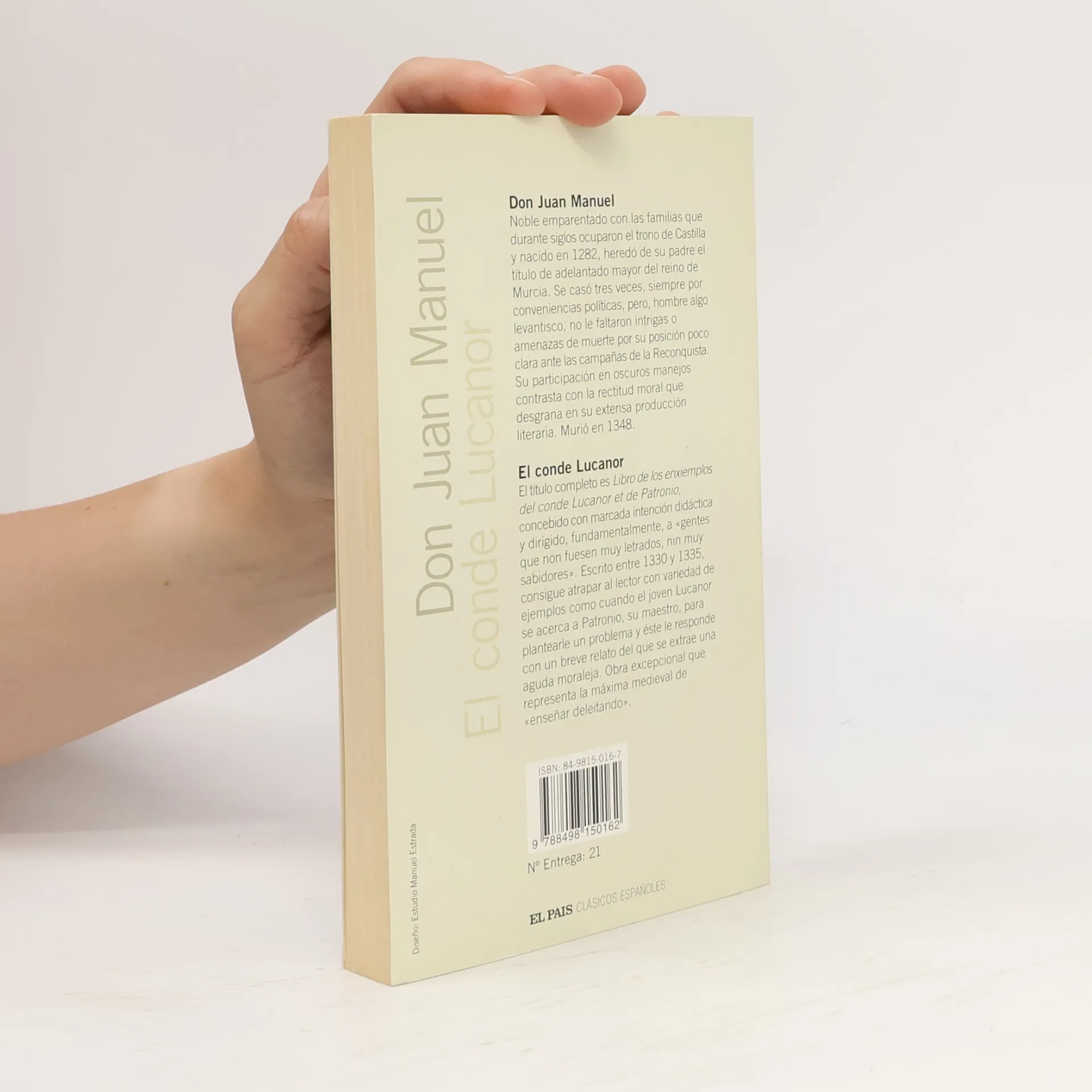
Don Juan Manuel Noble emparentado con las familias que durante siglos ocuparon el trono de Castilla y nacido en 1282, heredó de su padre el título de adelantado mayor del reino de Murcia. Se casó tres veces siempre por conveniencias políticas pero, hombre algo levantisco, no le faltaron intrigas o amenazas de muerte por su posición poco clara ante las campañas de la Reconquista. Su participación en oscuros manejos contrasta con la rectitud moral que desgrana en su extensa producción literaria. Murió en 1348. El conde Lucanor El título completo es Libro de los enxiemplos del conde Lucanor et de Patronio, concebido con marcada intención didáctica y dirigido, fundamentalmente, a «gentes que non fuesen muy letrados, nin muy sabidores». Escrito entre 1330 y 1335, consigue atrapar al lector con variedad de ejemplos cuando el joven Lucanor se acerca a Patronio, su maestro, para plantearle un problema y éste le responde con un breve relato del que se extrae una aguda moraleja. Obra excepcional que representa la máxima medieval de «enseñar deleitando».




Een boek kopen
El conde Lucanor, Don Juan Manuelo
- Taal

- Jaar van publicatie
- 2005
- Bindwijze
- (Paperback)
Betaalmethoden
We missen je recensie hier.
- Titel
- El conde Lucanor
- Taal
- Spaans
- Auteurs
- Don Juan Manuelo
- Uitgever
- Diario El País
- Jaar van publicatie
- 2005
- Formaat
- Paperback
- Aantal pagina's
- 285
- ISBN10
- 8498150167
- ISBN13
- 9788498150162
- Reeks
- Categorieën
- Eerste editie
- 1335
- Oorspronkelijke titel
- El Conde Lucanor
- Beoordeling
- 3,3 van 5
- Aantekening
- Don Juan Manuel Noble emparentado con las familias que durante siglos ocuparon el trono de Castilla y nacido en 1282, heredó de su padre el título de adelantado mayor del reino de Murcia. Se casó tres veces siempre por conveniencias políticas pero, hombre algo levantisco, no le faltaron intrigas o amenazas de muerte por su posición poco clara ante las campañas de la Reconquista. Su participación en oscuros manejos contrasta con la rectitud moral que desgrana en su extensa producción literaria. Murió en 1348. El conde Lucanor El título completo es Libro de los enxiemplos del conde Lucanor et de Patronio, concebido con marcada intención didáctica y dirigido, fundamentalmente, a «gentes que non fuesen muy letrados, nin muy sabidores». Escrito entre 1330 y 1335, consigue atrapar al lector con variedad de ejemplos cuando el joven Lucanor se acerca a Patronio, su maestro, para plantearle un problema y éste le responde con un breve relato del que se extrae una aguda moraleja. Obra excepcional que representa la máxima medieval de «enseñar deleitando».