

Meer over het boek
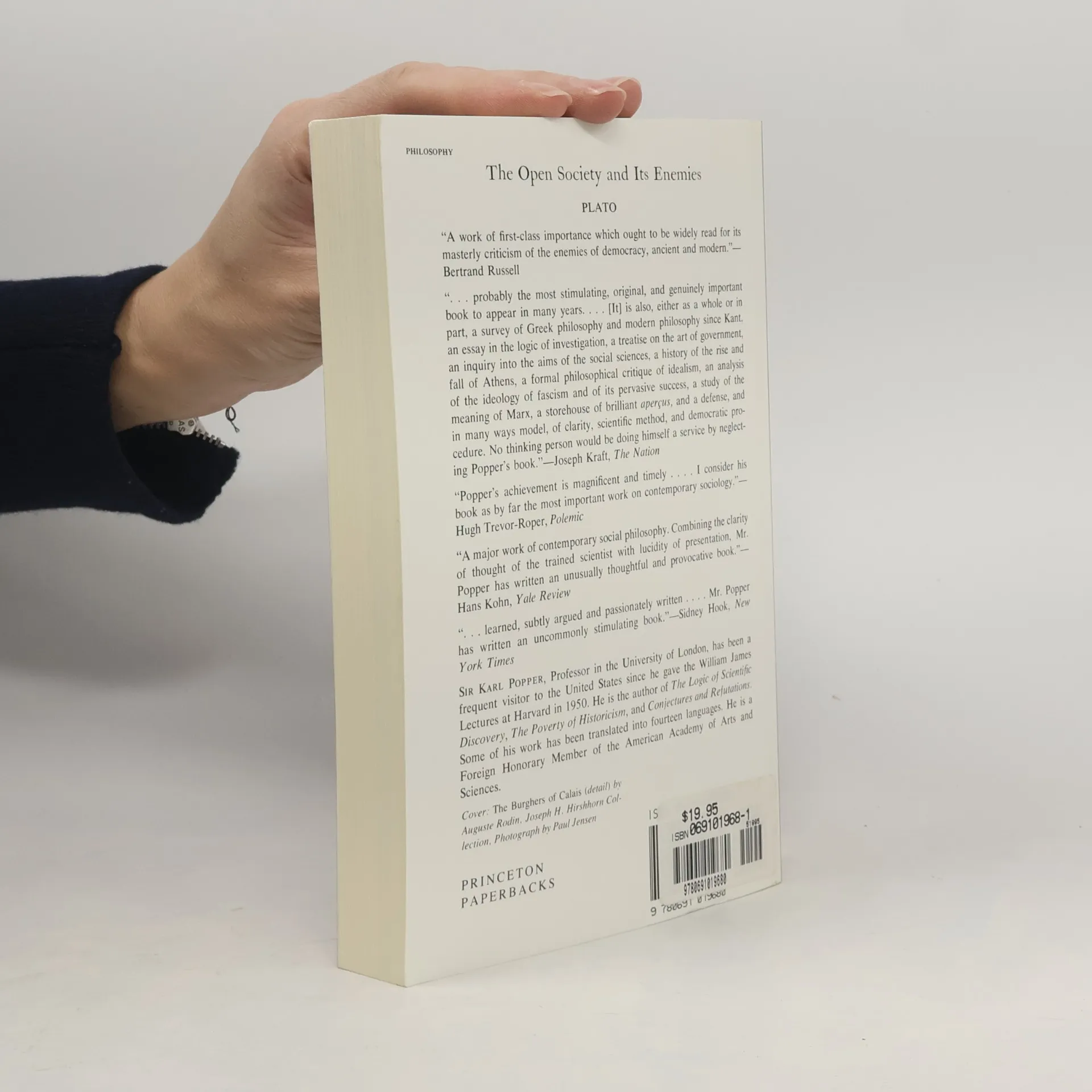
Popper was born in 1902 to a Viennese family of Jewish origin. He taught in Austria until 1937, when he emigrated to New Zealand in anticipation of the Nazi annexation of Austria the following year, and he settled in England in 1949. Before the annexation, Popper had written mainly about the philosophy of science, but from 1938 until the end of the Second World War he focused his energies on political philosophy, seeking to diagnose the intellectual origins of German and Soviet totalitarianism. The Open Society and Its Enemies was the result. In the book, Popper condemned Plato, Marx, and Hegel as "holists" and "historicists"--a holist, according to Popper, believes that individuals are formed entirely by their social groups; historicists believe that social groups evolve according to internal principles that it is the intellectual's task to uncover. Popper, by contrast, held that social affairs are unpredictable, and argued vehemently against social engineering. He also sought to shift the focus of political philosophy away from questions about who ought to rule toward questions about how to minimize the damage done by the powerful. The book was an immediate sensation, and--though it has long been criticized for its portrayals of Plato, Marx, and Hegel--it has remained a landmark on the left and right alike for its defense of freedom and the spirit of critical inquiry.





Een boek kopen
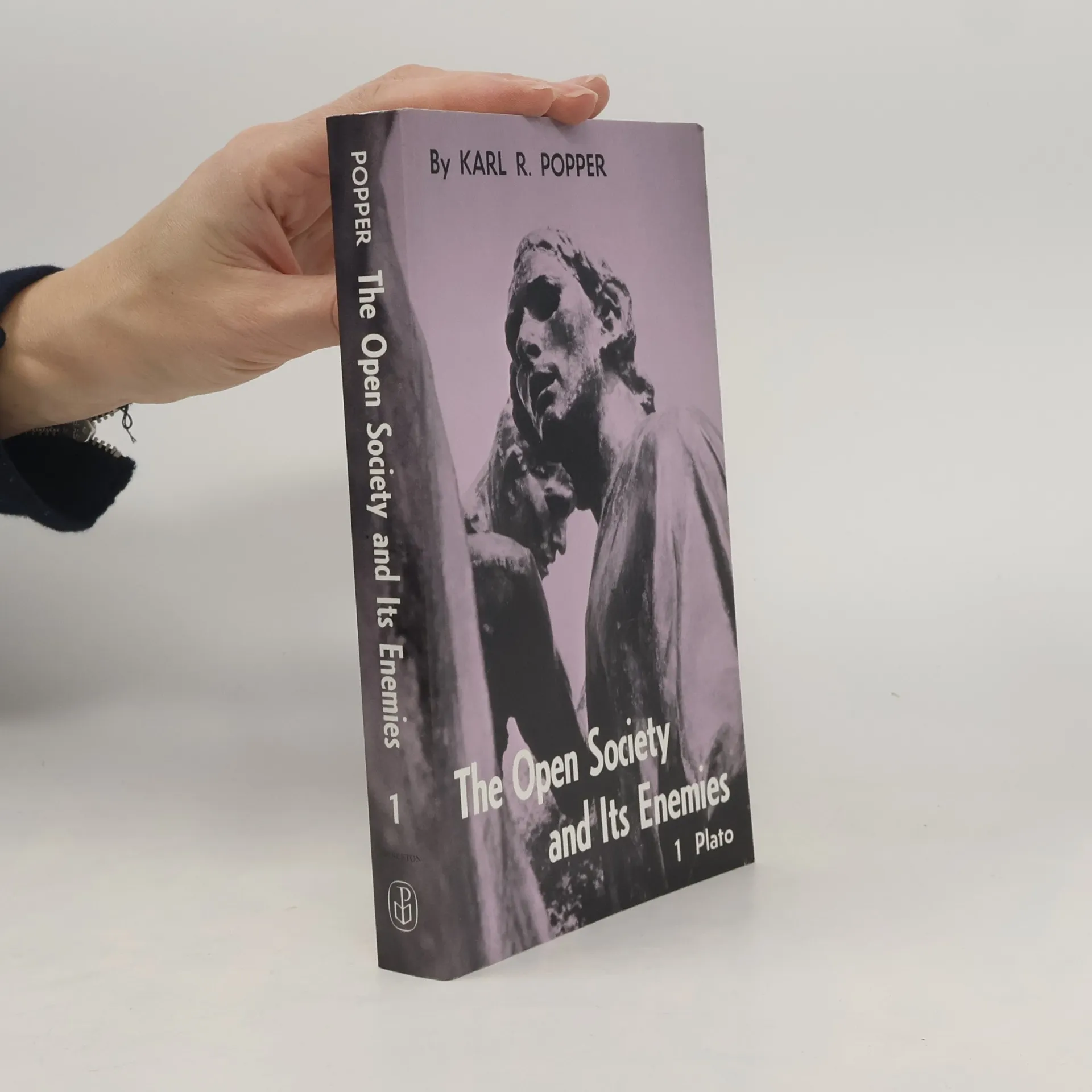
The Open Society and Its Enemies, Karl R. Popper
- Taal

- Jaar van publicatie
- 1971
- Bindwijze
- (Paperback),
- Staat van het boek
- Goed
- Prijs
- € 18,99
Betaalmethoden
We missen je recensie hier.
- Titel
- The Open Society and Its Enemies
- Ondertitel
- The Spell of Plato
- Taal
- Engels
- Auteurs
- Karl R. Popper
- Uitgever
- Princeton University Press
- Jaar van publicatie
- 1971
- Formaat
- Paperback
- Aantal pagina's
- 374
- ISBN10
- 0691019681
- ISBN13
- 9780691019680
- Reeks
- Categorieën
- Beoordeling
- 4,15 van 5
- Aantekening
- Popper was born in 1902 to a Viennese family of Jewish origin. He taught in Austria until 1937, when he emigrated to New Zealand in anticipation of the Nazi annexation of Austria the following year, and he settled in England in 1949. Before the annexation, Popper had written mainly about the philosophy of science, but from 1938 until the end of the Second World War he focused his energies on political philosophy, seeking to diagnose the intellectual origins of German and Soviet totalitarianism. The Open Society and Its Enemies was the result. In the book, Popper condemned Plato, Marx, and Hegel as "holists" and "historicists"--a holist, according to Popper, believes that individuals are formed entirely by their social groups; historicists believe that social groups evolve according to internal principles that it is the intellectual's task to uncover. Popper, by contrast, held that social affairs are unpredictable, and argued vehemently against social engineering. He also sought to shift the focus of political philosophy away from questions about who ought to rule toward questions about how to minimize the damage done by the powerful. The book was an immediate sensation, and--though it has long been criticized for its portrayals of Plato, Marx, and Hegel--it has remained a landmark on the left and right alike for its defense of freedom and the spirit of critical inquiry.