

Meer over het boek
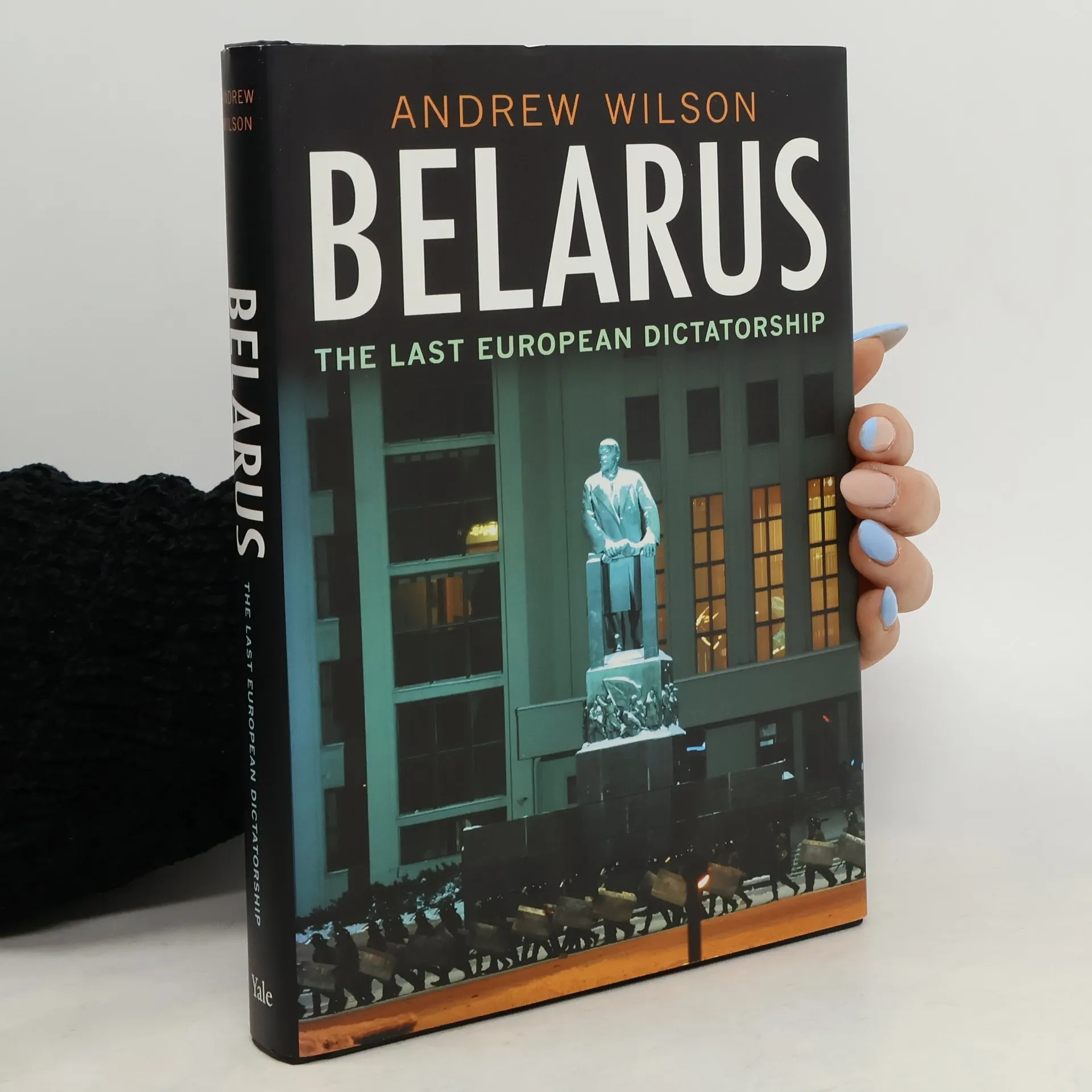
This book is the first in English to explore both Belarus’s complicated road to nationhood and to examine in detail its politics and economics since 1991, the nation’s first year of true independence. Andrew Wilson focuses particular attention on Aliaksandr Lukashenka’s surprising longevity as president, despite human rights abuses and involvement in yet another rigged election in December 2010. Wilson looks at Belarusian history as a series of false starts in the medieval and pre-modern periods, and at the many rival versions of Belarusian identity, culminating with the Soviet Belarusian project and the establishment of Belarus’s current borders during World War II. He also addresses Belarus’s on-off relationship with Russia, its simultaneous attempts to play a game of balance in the no-man’s-land between Russia and the West, and how, paradoxically, Belarus is at last becoming a true nation under the rule of Europe’s “last dictator.”
Uitgave

Een boek kopen
Belarus, Andrew Wilson-Dickson
- Taal

- Jaar van publicatie
- 2011
- Bindwijze
- (Hardcover)
Betaalmethoden
We missen je recensie hier.
- Titel
- Belarus
- Ondertitel
- The Last European Dictatorship
- Taal
- Engels
- Auteurs
- Andrew Wilson-Dickson
- Uitgever
- Yale University Press
- Jaar van publicatie
- 2011
- Formaat
- Hardcover
- Aantal pagina's
- 304
- ISBN10
- 0300134355
- ISBN13
- 9780300134353
- Reeks
- Beoordeling
- 3,65 van 5
- Aantekening
- This book is the first in English to explore both Belarus’s complicated road to nationhood and to examine in detail its politics and economics since 1991, the nation’s first year of true independence. Andrew Wilson focuses particular attention on Aliaksandr Lukashenka’s surprising longevity as president, despite human rights abuses and involvement in yet another rigged election in December 2010. Wilson looks at Belarusian history as a series of false starts in the medieval and pre-modern periods, and at the many rival versions of Belarusian identity, culminating with the Soviet Belarusian project and the establishment of Belarus’s current borders during World War II. He also addresses Belarus’s on-off relationship with Russia, its simultaneous attempts to play a game of balance in the no-man’s-land between Russia and the West, and how, paradoxically, Belarus is at last becoming a true nation under the rule of Europe’s “last dictator.”