


Meer over het boek
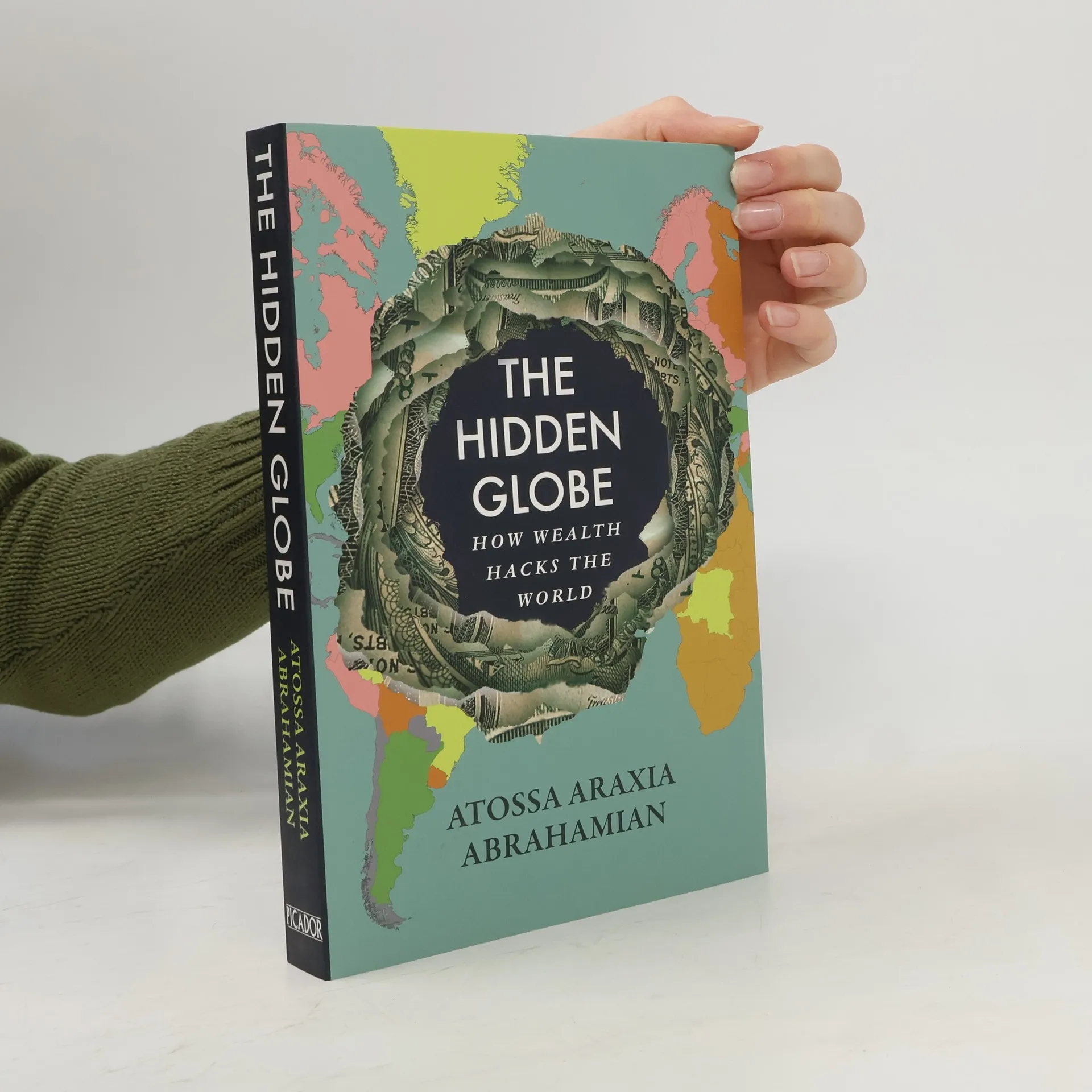
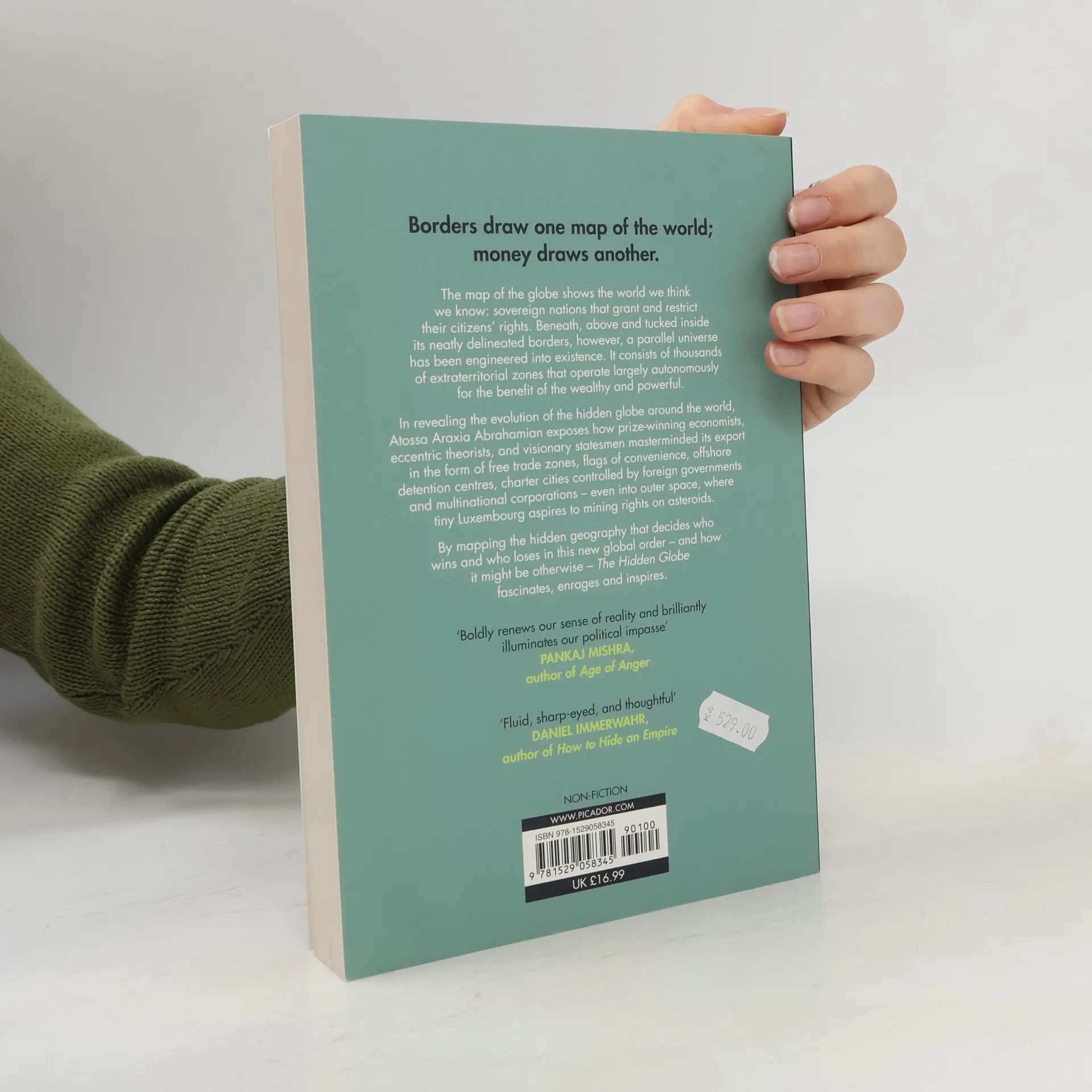
This book offers a fresh perspective on the world, revealing a hidden universe shaped by wealth and power. While traditional maps depict sovereign nations that govern citizens' rights, a parallel realm exists, comprised of extraterritorial zones operating autonomously for the elite. Atossa Abrahamian traces this hidden geography back to thirteenth-century Switzerland, where impoverished cantons capitalized on their most valuable resource—mercenary fighters. She explores the evolution of this system through free trade zones, flags of convenience, offshore detention centers for immigrants, and charter cities governed by foreign entities and multinational corporations. The narrative extends even to outer space, highlighting Luxembourg's ambitions for asteroid mining rights. By uncovering the intricate map of this concealed world, the book examines who benefits and who suffers in the current global order, while also contemplating potential alternatives. Abrahamian's work captivates, provokes, and motivates readers to reconsider their understanding of reality and the political challenges we face today.

Een boek kopen
Hidden Globe, Atossa Araxia Abrahamian
- Taal

- Jaar van publicatie
- 2024
- Bindwijze
- (Paperback),
- Staat van het boek
- Zeer goed
- Prijs
- € 9,39
Betaalmethoden
We missen je recensie hier.
- Titel
- Hidden Globe
- Taal
- Engels
- Auteurs
- Atossa Araxia Abrahamian
- Uitgever
- Pan Macmillan
- Jaar van publicatie
- 2024
- Formaat
- Paperback
- Aantal pagina's
- 336
- ISBN10
- 1529058341
- ISBN13
- 9781529058345
- Reeks
- Tags
- Handel
- Beoordeling
- 3 van 5
- Aantekening
- This book offers a fresh perspective on the world, revealing a hidden universe shaped by wealth and power. While traditional maps depict sovereign nations that govern citizens' rights, a parallel realm exists, comprised of extraterritorial zones operating autonomously for the elite. Atossa Abrahamian traces this hidden geography back to thirteenth-century Switzerland, where impoverished cantons capitalized on their most valuable resource—mercenary fighters. She explores the evolution of this system through free trade zones, flags of convenience, offshore detention centers for immigrants, and charter cities governed by foreign entities and multinational corporations. The narrative extends even to outer space, highlighting Luxembourg's ambitions for asteroid mining rights. By uncovering the intricate map of this concealed world, the book examines who benefits and who suffers in the current global order, while also contemplating potential alternatives. Abrahamian's work captivates, provokes, and motivates readers to reconsider their understanding of reality and the political challenges we face today.