



Meer over het boek
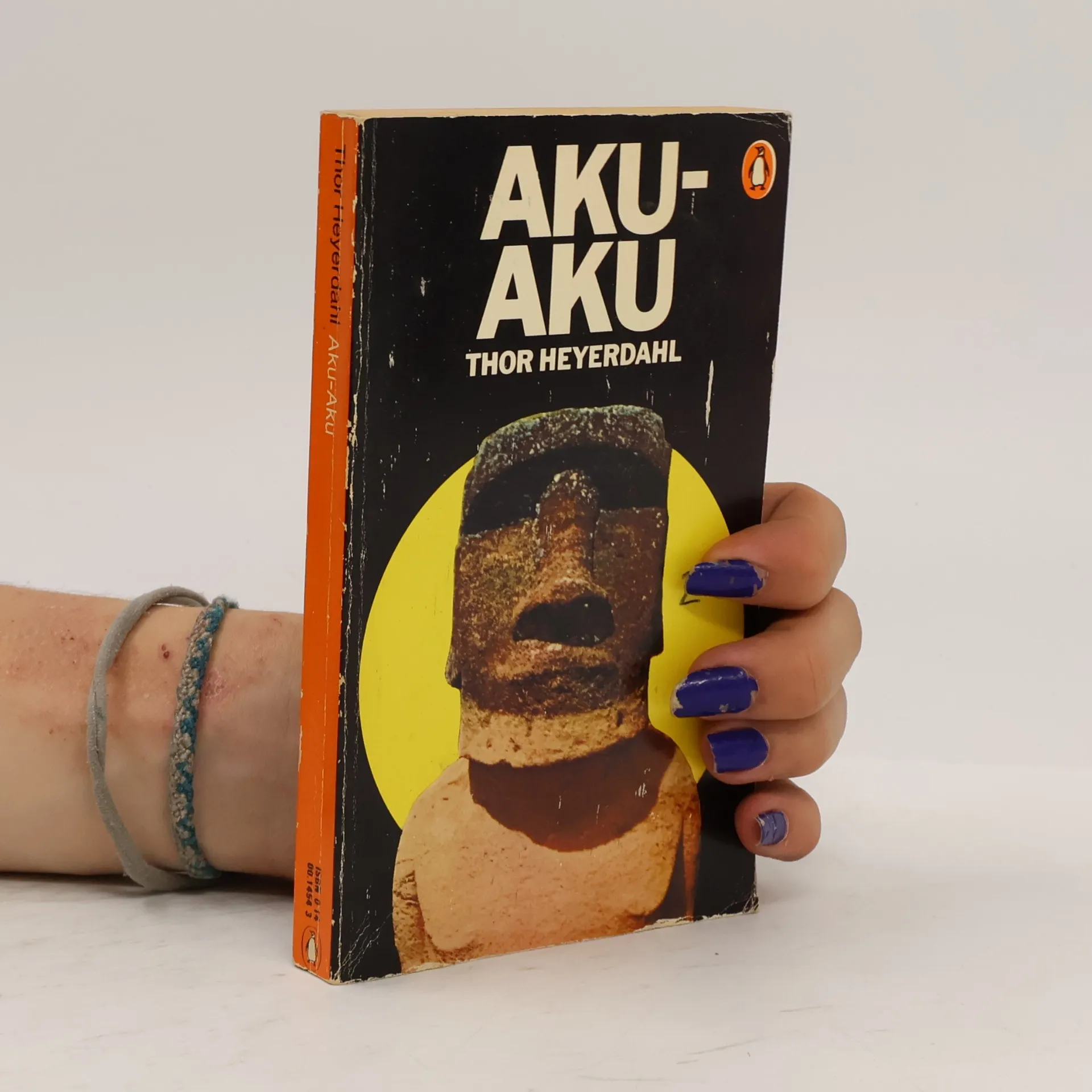
Aku-Aku, the Secret of Easter Island details Thor Heyerdahl's exploration of Rano Raraku and Anakena, focusing on the island's giant stone statues. The book and its subsequent film significantly raised awareness of both the island and its statues beyond academic circles. However, much of Heyerdahl's evidence has faced refutation from archaeologists, with critiques highlighting his selective use of data leading to misleading conclusions. He controversially revived the theory that the islanders' stone carving technology originated from South America, suggesting that, alongside Polynesians, Easter Island was also settled by Peruvians, deemed "more culturally developed." The term "Aku-aku" refers to a method of moving large, flat objects by swiveling them on their corners. Heyerdahl theorized this technique was used to transport the Moai statues, although his test on a smaller statue was halted due to damage. He also claimed that "Aku Aku" signifies a "spiritual guide." Comparing the island's stonework to pre-Columbian structures, he dismissed Polynesian stoneworking traditions, asserting that no Polynesian could have conceived such designs. Additionally, he posited a South American origin for certain plants on the island, which are now recognized as distinct species, and misattributed the introduction of the sweet potato to the island's timeline.




Een boek kopen
Aku-Aku, Thor Heyerdahl
- Taal

- Jaar van publicatie
- 1973
- Bindwijze
- (Paperback),
- Staat van het boek
- Goed
- Prijs
- € 5,69
Betaalmethoden
We missen je recensie hier.
- Titel
- Aku-Aku
- Taal
- Engels
- Auteurs
- Thor Heyerdahl
- Uitgever
- Penguin Books, Limited
- Jaar van publicatie
- 1973
- Formaat
- Paperback
- Aantal pagina's
- 350
- ISBN10
- 0140014543
- ISBN13
- 9780140014549
- Reeks
- Categorieën
- Tags
- Historisch thema
- Oorspronkelijke titel
- Aku-Aku, P°askeøyas hemmelighet
- Beoordeling
- 4,5 van 5
- Aantekening
- Aku-Aku, the Secret of Easter Island details Thor Heyerdahl's exploration of Rano Raraku and Anakena, focusing on the island's giant stone statues. The book and its subsequent film significantly raised awareness of both the island and its statues beyond academic circles. However, much of Heyerdahl's evidence has faced refutation from archaeologists, with critiques highlighting his selective use of data leading to misleading conclusions. He controversially revived the theory that the islanders' stone carving technology originated from South America, suggesting that, alongside Polynesians, Easter Island was also settled by Peruvians, deemed "more culturally developed." The term "Aku-aku" refers to a method of moving large, flat objects by swiveling them on their corners. Heyerdahl theorized this technique was used to transport the Moai statues, although his test on a smaller statue was halted due to damage. He also claimed that "Aku Aku" signifies a "spiritual guide." Comparing the island's stonework to pre-Columbian structures, he dismissed Polynesian stoneworking traditions, asserting that no Polynesian could have conceived such designs. Additionally, he posited a South American origin for certain plants on the island, which are now recognized as distinct species, and misattributed the introduction of the sweet potato to the island's timeline.