

Meer over het boek
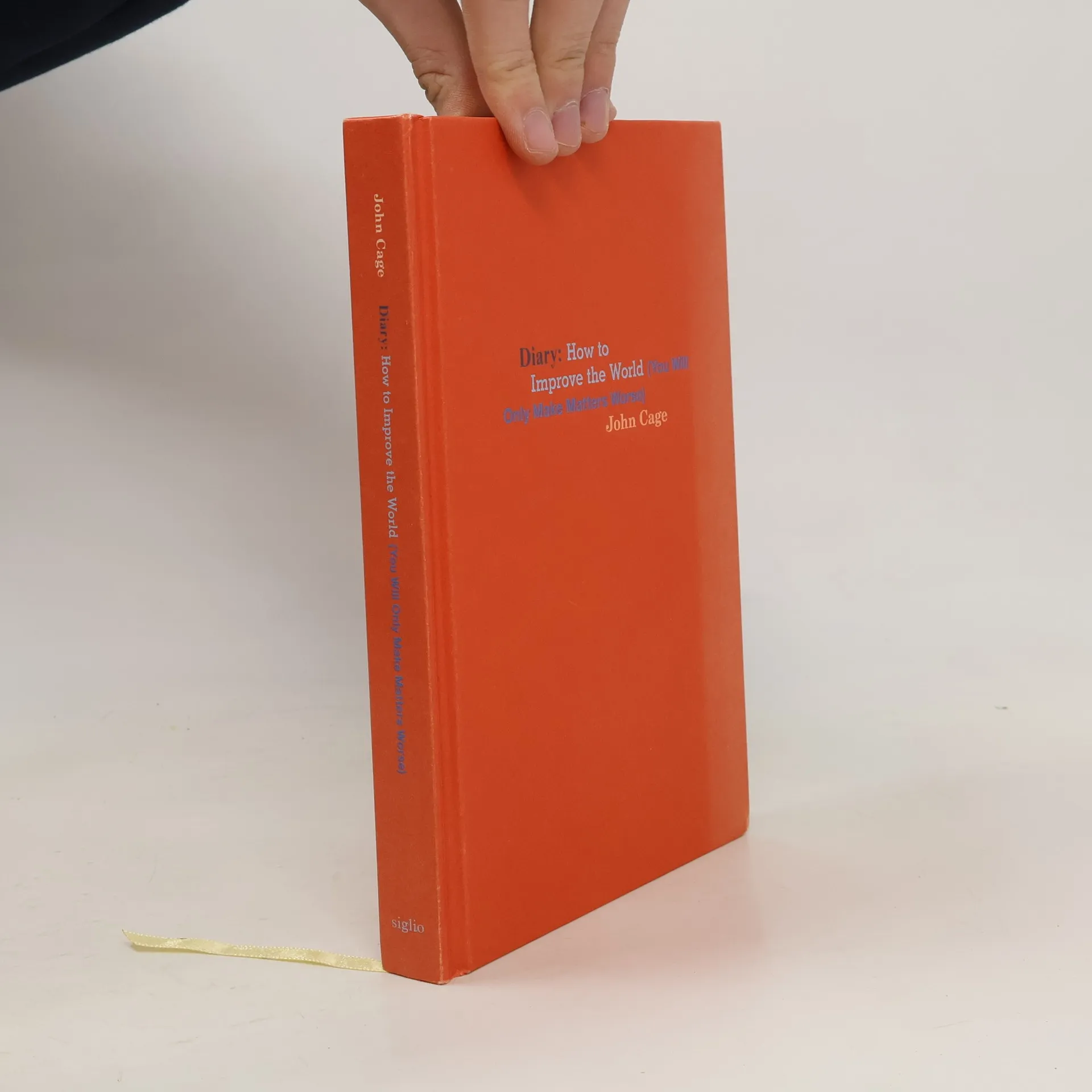
Composed over 16 years, this diary is one of Cage's most personal works, filled with observations, anecdotes, and koan-like stories that reflect his views on the world and predictions about contemporary life. With a playful yet purposeful approach, Cage explores a wide range of topics, from postwar music to Watergate and ideas on global nourishment. Using an IBM Selectric, he employed chance operations to dictate not just the word count and typefaces but also the number of letters per line and indentation patterns. In Part Three, published as a Great Bear pamphlet, color was also determined through chance, creating visual variances that echo musicality and enhance the physicality of the language. This complete hardcover edition gathers all eight parts originally published in A Year from Monday, M, and X. Coeditors Kraft and Biel consulted these publications and Cage's original manuscripts, using chance operations to present the text in various combinations of red and blue and applying 18 different typefaces throughout. John Cage (1912-92), a composer, philosopher, writer, and artist, remains one of the 20th century's most influential figures, pioneering new boundaries in music and significantly impacting dance, poetry, performance, and visual art.
Een boek kopen
Diary: How to Improve the World, John Cage
- Taal

- Jaar van publicatie
- 2015
- Bindwijze
- (Paperback)
Betaalmethoden
We missen je recensie hier.
- Titel
- Diary: How to Improve the World
- Taal
- Engels
- Auteurs
- John Cage
- Uitgever
- Siglio Press
- Jaar van publicatie
- 2015
- Formaat
- Paperback
- Aantal pagina's
- 173
- ISBN10
- 1938221109
- ISBN13
- 9781938221101
- Reeks
- Tags
- Kunst, Muzikale thematiek
- Beoordeling
- 4,25 van 5
- Aantekening
- Composed over 16 years, this diary is one of Cage's most personal works, filled with observations, anecdotes, and koan-like stories that reflect his views on the world and predictions about contemporary life. With a playful yet purposeful approach, Cage explores a wide range of topics, from postwar music to Watergate and ideas on global nourishment. Using an IBM Selectric, he employed chance operations to dictate not just the word count and typefaces but also the number of letters per line and indentation patterns. In Part Three, published as a Great Bear pamphlet, color was also determined through chance, creating visual variances that echo musicality and enhance the physicality of the language. This complete hardcover edition gathers all eight parts originally published in A Year from Monday, M, and X. Coeditors Kraft and Biel consulted these publications and Cage's original manuscripts, using chance operations to present the text in various combinations of red and blue and applying 18 different typefaces throughout. John Cage (1912-92), a composer, philosopher, writer, and artist, remains one of the 20th century's most influential figures, pioneering new boundaries in music and significantly impacting dance, poetry, performance, and visual art.