



Parameters
Meer over het boek
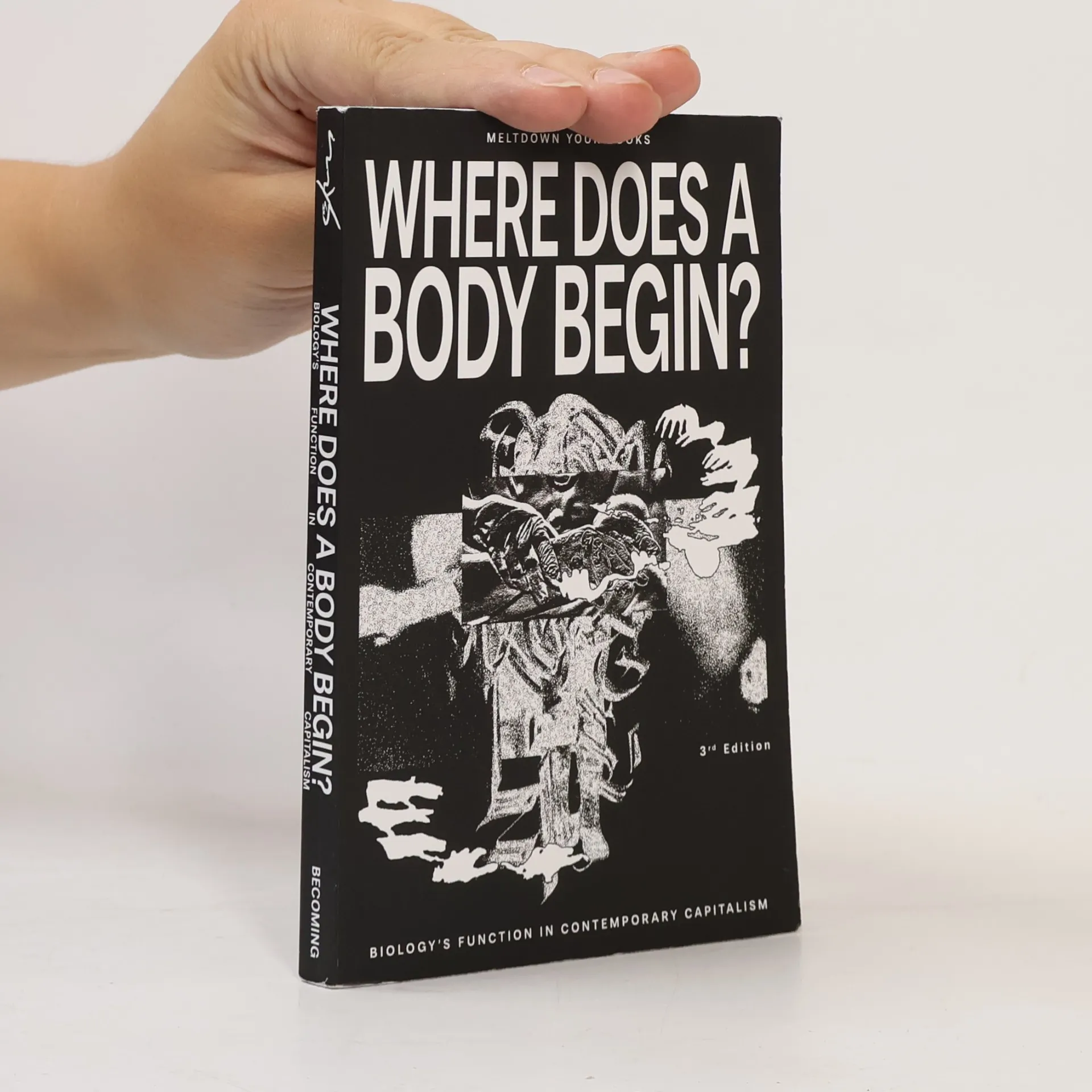
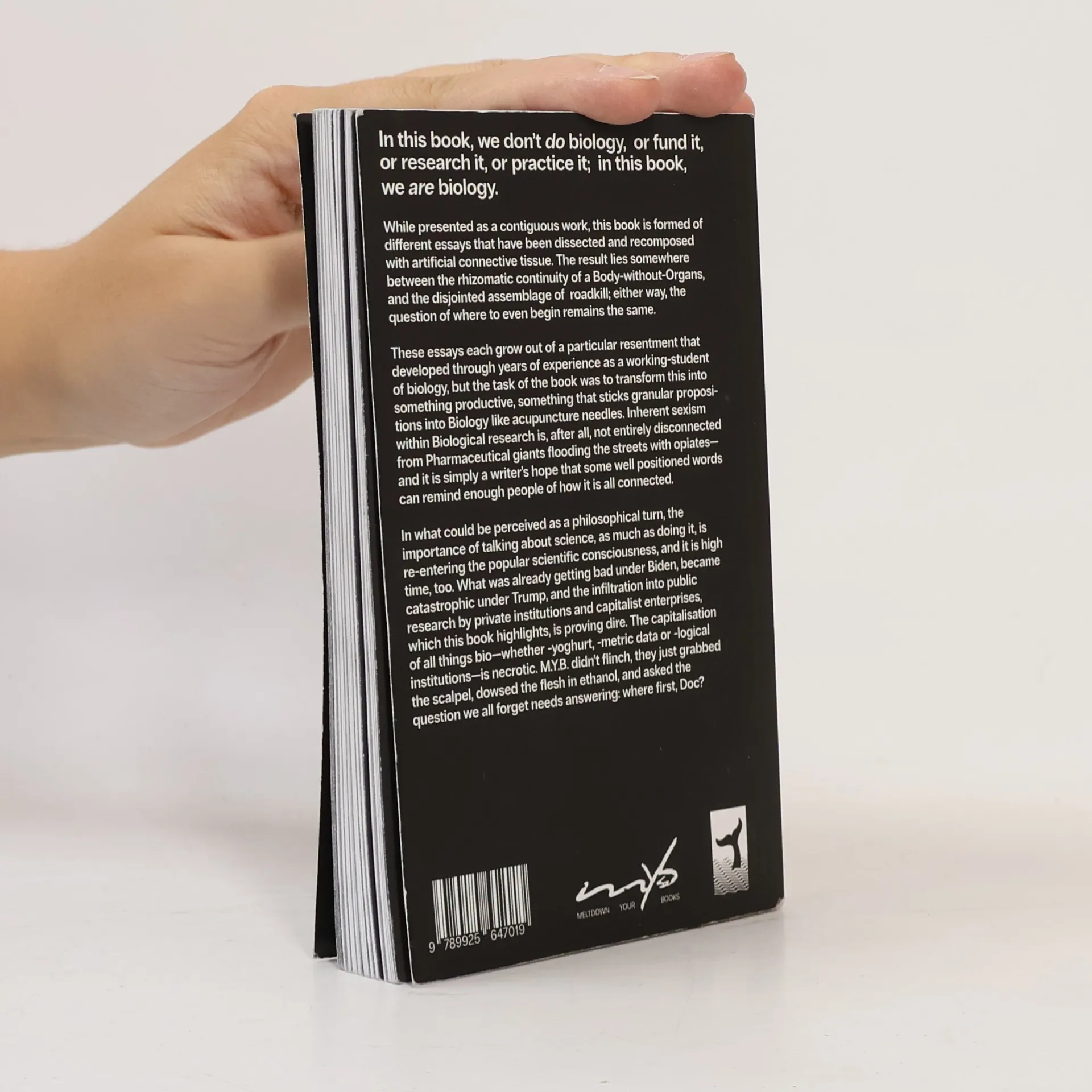
This book asserts that we are biology rather than merely studying it. Composed of various essays, it blends elements of continuity and disjointedness, prompting readers to consider where to begin. Each essay emerges from a deep-seated resentment shaped by years of experience in biology, aiming to transform this discontent into productive insights. The book critiques the inherent sexism in biological research, linking it to the pervasive influence of pharmaceutical companies flooding society with opiates. The author hopes that carefully chosen words can illuminate these connections. A philosophical shift is occurring, emphasizing the importance of discussing science alongside practicing it, especially as public research faces increasing encroachment from private interests and capitalist motives. The situation, already troubling during the Biden administration, worsened under Trump, highlighting the dire consequences of this infiltration. The commodification of biology—whether in yogurt, data, or institutions—poses significant risks. The author confronts these issues head-on, wielding a metaphorical scalpel to dissect the problems and urging readers to ask the crucial question: where to start?


Een boek kopen
Where Does a Body Begin?, Meltdown Your Books, Nicholas E Powers, Rachel Lilim
- Taal

- Jaar van publicatie
- 2025
- Bindwijze
- (Paperback),
- Staat van het boek
- Goed
- Prijs
- € 9,99
Betaalmethoden
We missen je recensie hier.
- Titel
- Where Does a Body Begin?
- Ondertitel
- Biology's Function in Contemporary Capitalism
- Taal
- Engels
- Uitgever
- Becoming Press
- Jaar van publicatie
- 2025
- Formaat
- Paperback
- ISBN10
- 9925647010
- ISBN13
- 9789925647019
- Reeks
- Categorieën
- Beoordeling
- 5 van 5
- Aantekening
- This book asserts that we are biology rather than merely studying it. Composed of various essays, it blends elements of continuity and disjointedness, prompting readers to consider where to begin. Each essay emerges from a deep-seated resentment shaped by years of experience in biology, aiming to transform this discontent into productive insights. The book critiques the inherent sexism in biological research, linking it to the pervasive influence of pharmaceutical companies flooding society with opiates. The author hopes that carefully chosen words can illuminate these connections. A philosophical shift is occurring, emphasizing the importance of discussing science alongside practicing it, especially as public research faces increasing encroachment from private interests and capitalist motives. The situation, already troubling during the Biden administration, worsened under Trump, highlighting the dire consequences of this infiltration. The commodification of biology—whether in yogurt, data, or institutions—poses significant risks. The author confronts these issues head-on, wielding a metaphorical scalpel to dissect the problems and urging readers to ask the crucial question: where to start?