

Parameters
- 464bladzijden
- 17 uur lezen
Meer over het boek
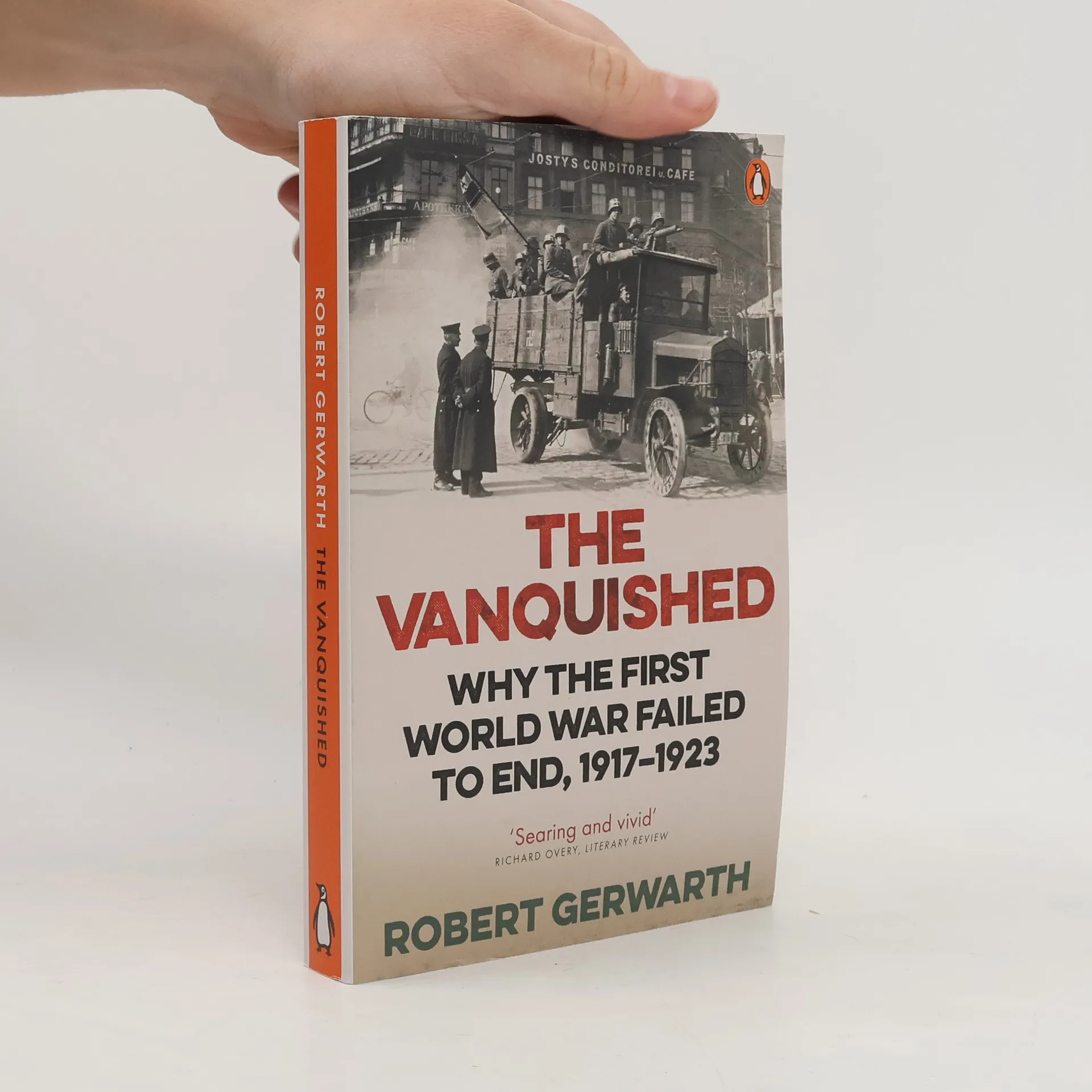
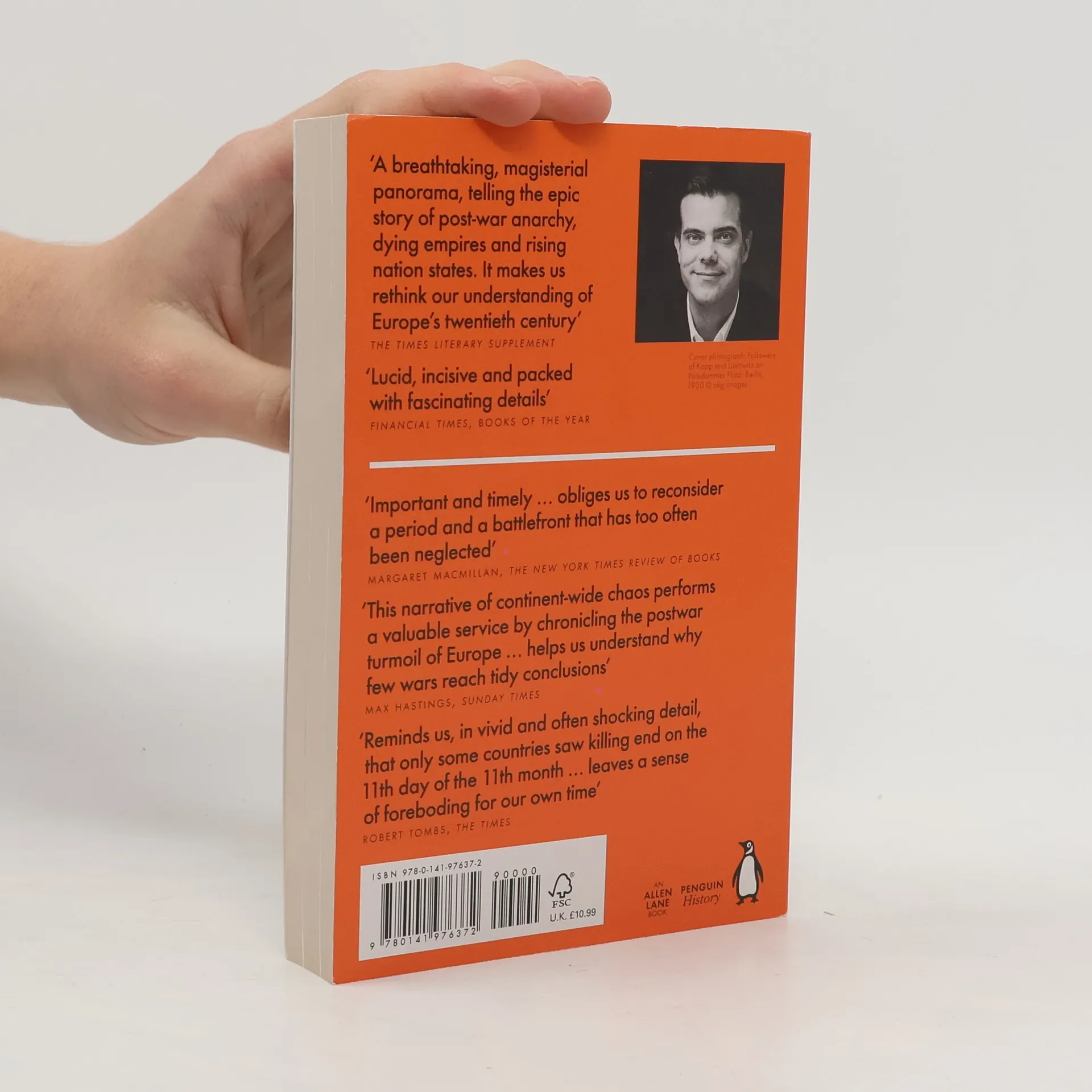
This war marks not an end but the beginning of violence, reshaping the world into new borders and communities. For the Western allies, November 11, 1918, symbolizes the end of a devastating conflict and the collapse of their enemies: the German Empire, Austria-Hungary, and the Ottoman Empire. However, for much of Europe, this date holds little significance amid ongoing turmoil. In this gripping work, Robert Gerwarth challenges us to reconsider the First World War's legacy. The true devastation lay not in the Western front battles, but in the chaotic aftermath that engulfed nations in revolution, pogroms, mass expulsions, and further military clashes. While the war primarily involved state-backed soldiers, subsequent conflicts largely affected civilians and paramilitaries, resulting in millions of deaths across central, eastern, and southeastern Europe. In this environment, vengeful individuals, driven by a sense of injustice, sought retribution against perceived enemies. A decade later, the emergence of the Third Reich and other totalitarian regimes provided these individuals with the opportunities they craved, further entrenching the cycle of violence that began with the war.

Een boek kopen
The Vanquished, Robert Gerwarth
- Taal

- Jaar van publicatie
- 2017
- Bindwijze
- (Paperback)
Betaalmethoden
We missen je recensie hier.
- Titel
- The Vanquished
- Taal
- Engels
- Auteurs
- Robert Gerwarth
- Uitgever
- Penguin Books, Limited
- Jaar van publicatie
- 2017
- Formaat
- Paperback
- Aantal pagina's
- 464
- ISBN10
- 0141976373
- ISBN13
- 9780141976372
- Reeks
- Categorieën
- Tags
- Historisch thema, Politiek, Oorlogen, Cadeaus voor Opa, Zuid-Europa, Italië, Rusland, Geschiedenis van Europa, Oostenrijk, Eerste Wereldoorlog (1914–1918), Naoorlogse Periode, Revolutie, Hongarije, Weimarrepubliek, Bulgarije
- Beoordeling
- 4,15 van 5
- Aantekening
- This war marks not an end but the beginning of violence, reshaping the world into new borders and communities. For the Western allies, November 11, 1918, symbolizes the end of a devastating conflict and the collapse of their enemies: the German Empire, Austria-Hungary, and the Ottoman Empire. However, for much of Europe, this date holds little significance amid ongoing turmoil. In this gripping work, Robert Gerwarth challenges us to reconsider the First World War's legacy. The true devastation lay not in the Western front battles, but in the chaotic aftermath that engulfed nations in revolution, pogroms, mass expulsions, and further military clashes. While the war primarily involved state-backed soldiers, subsequent conflicts largely affected civilians and paramilitaries, resulting in millions of deaths across central, eastern, and southeastern Europe. In this environment, vengeful individuals, driven by a sense of injustice, sought retribution against perceived enemies. A decade later, the emergence of the Third Reich and other totalitarian regimes provided these individuals with the opportunities they craved, further entrenching the cycle of violence that began with the war.