

Reeks
Meer over het boek
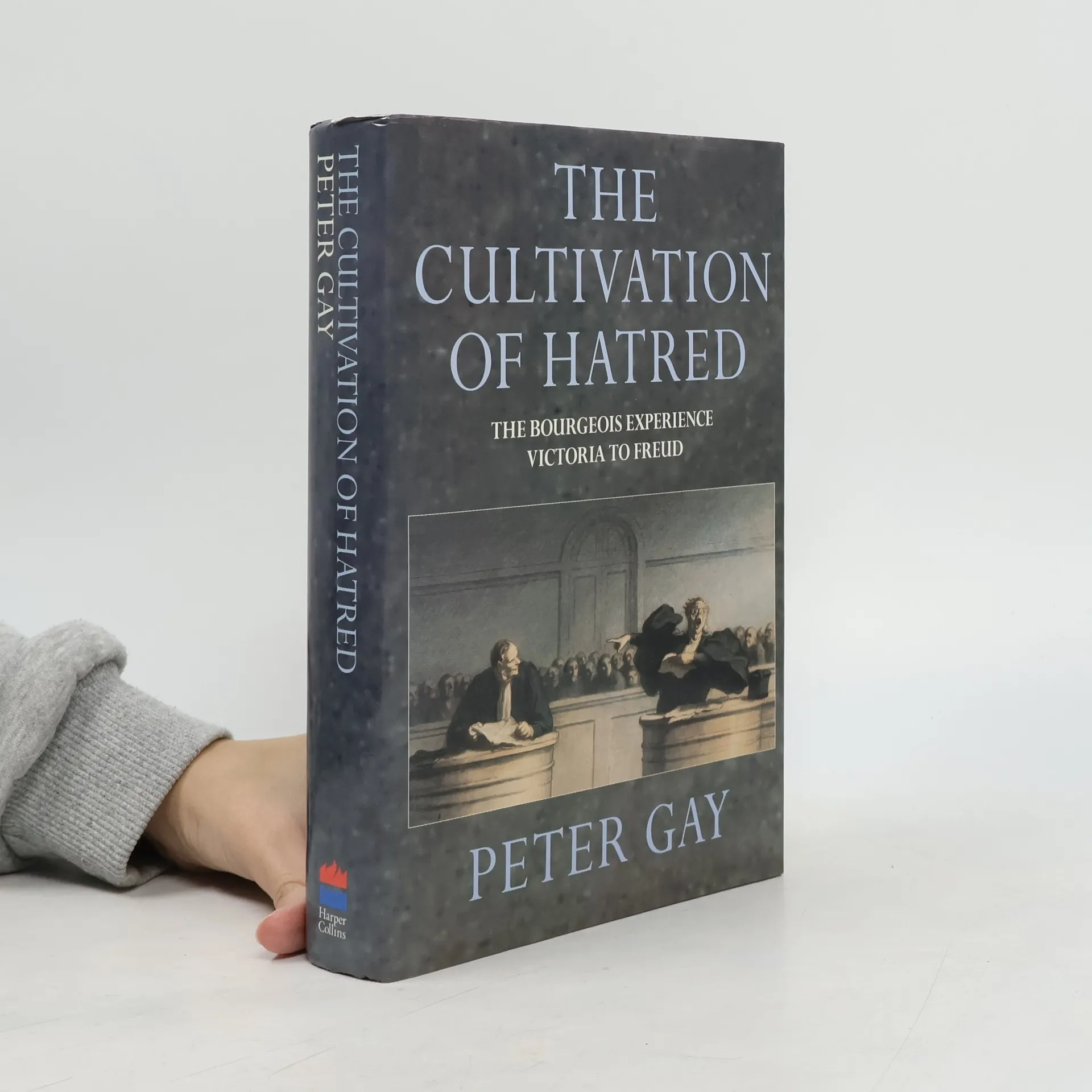
Gay's exploration of middle-class Victorian culture features vivid portraits of influential figures such as Bismarck, Darwin, George Eliot, and notable satirists like Daumier and Wilhelm Busch. The work examines the complex dynamics between men and women, wit, and demagoguery, revealing how the nineteenth century simultaneously constrained and sanctioned aggressive behavior. This aggression created a divide within society, categorizing individuals into insiders and outsiders. Gay notes that the Victorians, by forming communities of insiders, often invented a world of strangers—comprising individuals and classes, races, and nations—that it was deemed acceptable to debate, patronize, ridicule, bully, exploit, or exterminate. The bottled-up aggressions of this era could not remain contained indefinitely, ultimately culminating in the outbreak of the First World War.

Een boek kopen
The Cultivation of Hatred, Peter Gay
- Taal

- Jaar van publicatie
- 1994
- Bindwijze
- (Hardcover)
Betaalmethoden
We missen je recensie hier.
- Titel
- The Cultivation of Hatred
- Taal
- Engels
- Auteurs
- Peter Gay
- Uitgever
- HarperCollins Publishers
- Jaar van publicatie
- 1994
- Formaat
- Hardcover
- Aantal pagina's
- 704
- ISBN10
- 0002552183
- ISBN13
- 9780002552189
- Oorspronkelijke titel
- The cultivation of hatred
- Beoordeling
- 5 van 5
- Aantekening
- Gay's exploration of middle-class Victorian culture features vivid portraits of influential figures such as Bismarck, Darwin, George Eliot, and notable satirists like Daumier and Wilhelm Busch. The work examines the complex dynamics between men and women, wit, and demagoguery, revealing how the nineteenth century simultaneously constrained and sanctioned aggressive behavior. This aggression created a divide within society, categorizing individuals into insiders and outsiders. Gay notes that the Victorians, by forming communities of insiders, often invented a world of strangers—comprising individuals and classes, races, and nations—that it was deemed acceptable to debate, patronize, ridicule, bully, exploit, or exterminate. The bottled-up aggressions of this era could not remain contained indefinitely, ultimately culminating in the outbreak of the First World War.