

Meer over het boek
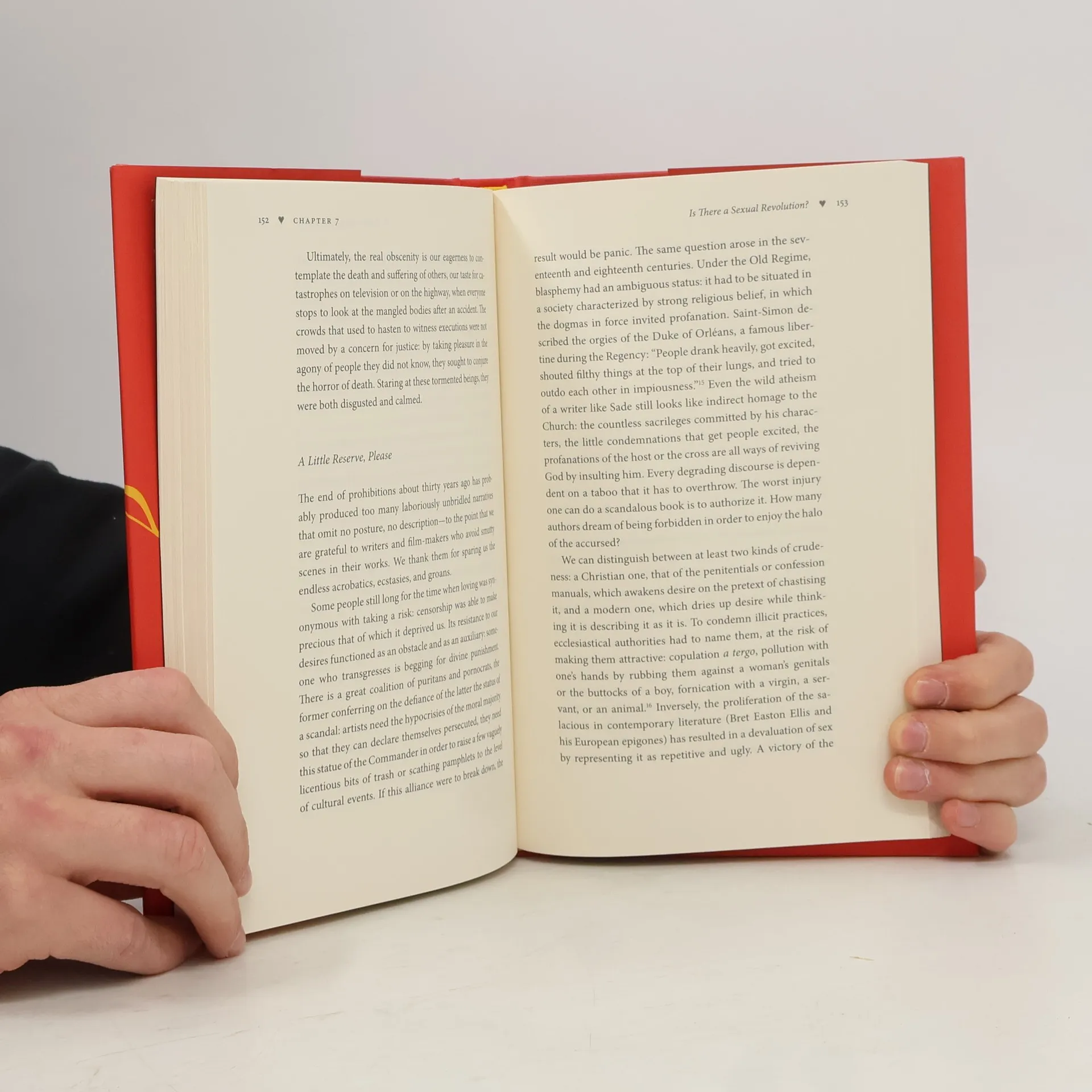
The sexual revolution is celebrated for its freedoms, including birth control, decriminalized abortion, and greater gender equality. However, Pascal Bruckner, a prominent French writer, argues that these new freedoms have introduced additional burdens and rules, without eliminating the old ones—such as marriage, jealousy, and fidelity. This complexity makes love, sex, and relationships today confusing and paradoxical. Drawing from history, politics, psychology, literature, and current events, Bruckner dissects these contradictions, tracing the roots of sexual liberation back to the Enlightenment. He highlights the paradox of "free love," which embodies the tension between freedom and attachment. As we grapple with the inadequacies of our sex lives compared to liberated ideals, we shift from neuroses of repression to those of inadequacy, leading to a culture of dishonesty about our desires. Bruckner mixes irony with optimism, suggesting that we should not align strictly with revolutionaries or reactionaries. Instead, he encourages embracing love as it is, recognizing that its messiness and surprises are sources of both pain and joy, ultimately revealing the enduring complexities of human relationships.

Een boek kopen
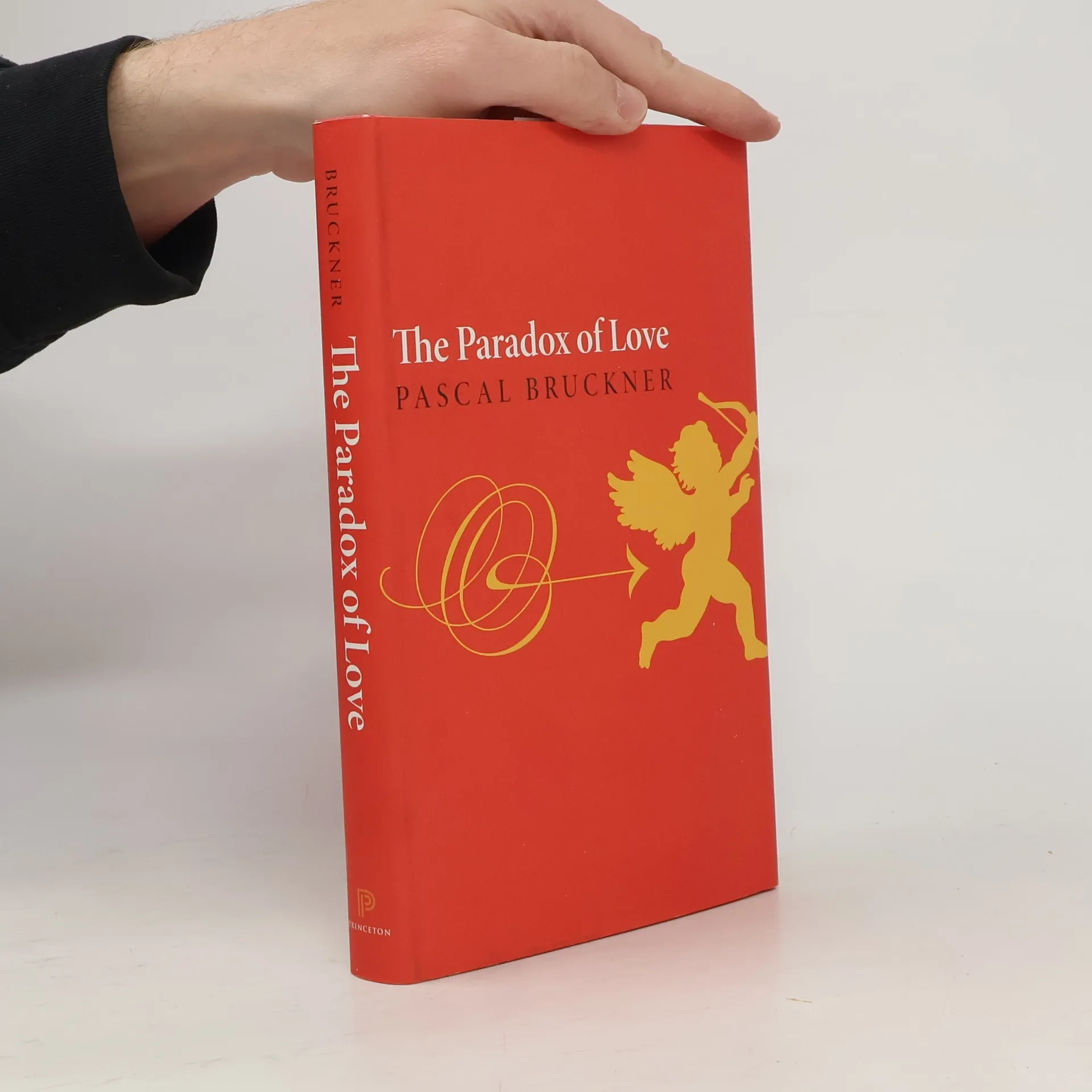
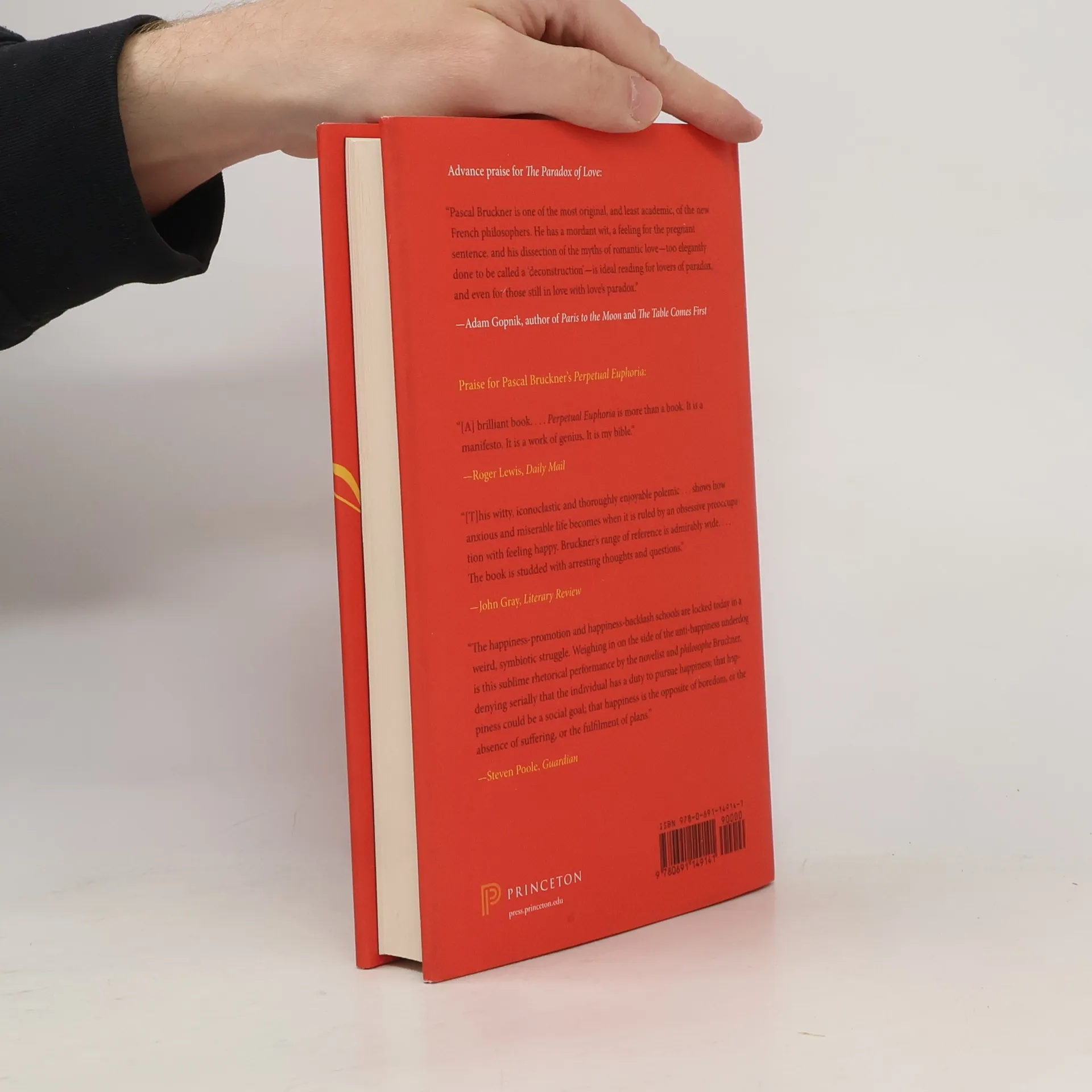
The Paradox of Love, Pascal Bruckner, Randall Stevenson, Richard J. Golsan
- Taal

- Jaar van publicatie
- 2011
- Bindwijze
- (Hardcover)
Betaalmethoden
We missen je recensie hier.
- Titel
- The Paradox of Love
- Taal
- Engels
- Uitgever
- Princeton University Press
- Jaar van publicatie
- 2011
- Formaat
- Hardcover
- Aantal pagina's
- 272
- ISBN10
- 0691149143
- ISBN13
- 9780691149141
- Reeks
- Categorieën
- Beoordeling
- 3,7 van 5
- Aantekening
- The sexual revolution is celebrated for its freedoms, including birth control, decriminalized abortion, and greater gender equality. However, Pascal Bruckner, a prominent French writer, argues that these new freedoms have introduced additional burdens and rules, without eliminating the old ones—such as marriage, jealousy, and fidelity. This complexity makes love, sex, and relationships today confusing and paradoxical. Drawing from history, politics, psychology, literature, and current events, Bruckner dissects these contradictions, tracing the roots of sexual liberation back to the Enlightenment. He highlights the paradox of "free love," which embodies the tension between freedom and attachment. As we grapple with the inadequacies of our sex lives compared to liberated ideals, we shift from neuroses of repression to those of inadequacy, leading to a culture of dishonesty about our desires. Bruckner mixes irony with optimism, suggesting that we should not align strictly with revolutionaries or reactionaries. Instead, he encourages embracing love as it is, recognizing that its messiness and surprises are sources of both pain and joy, ultimately revealing the enduring complexities of human relationships.