

Meer over het boek
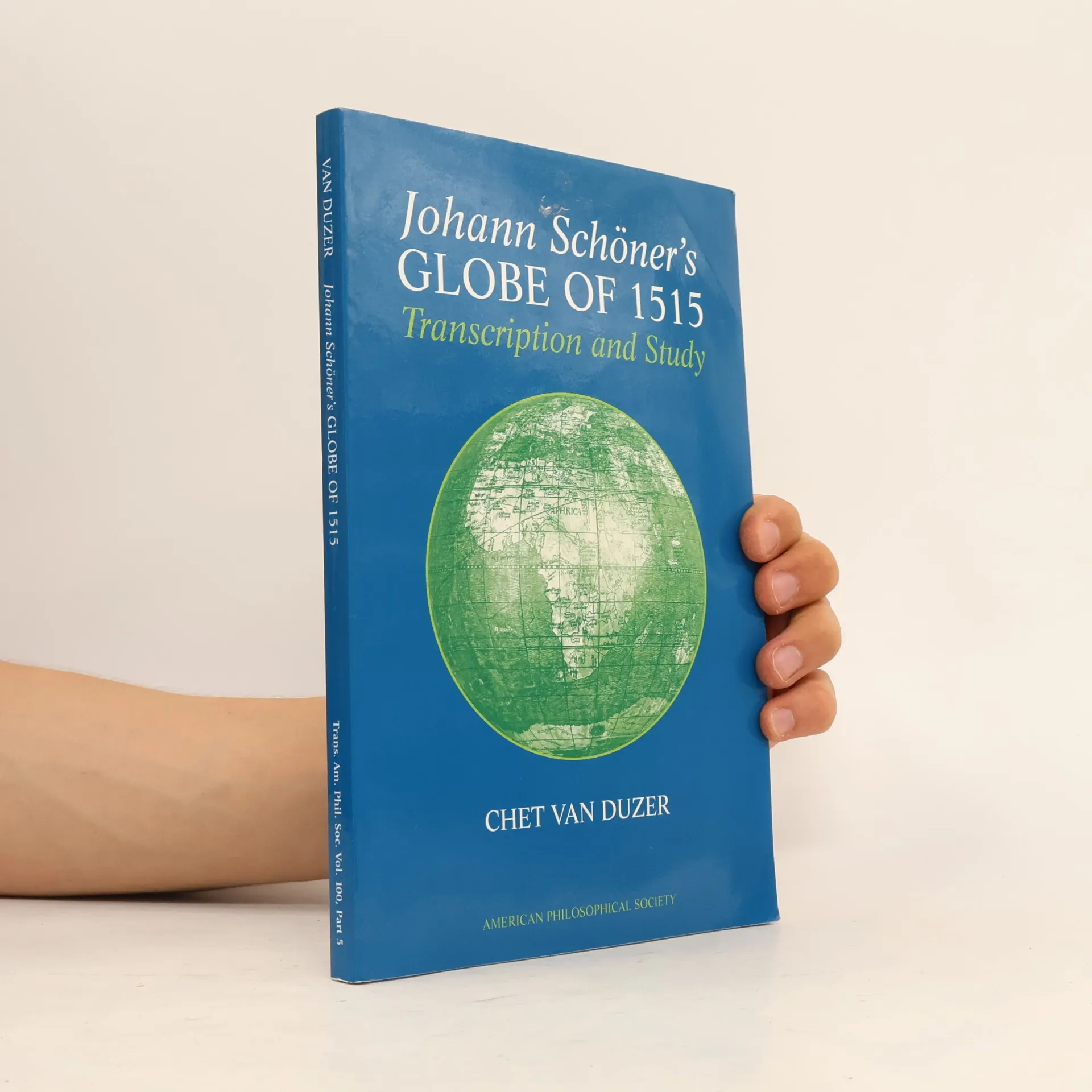
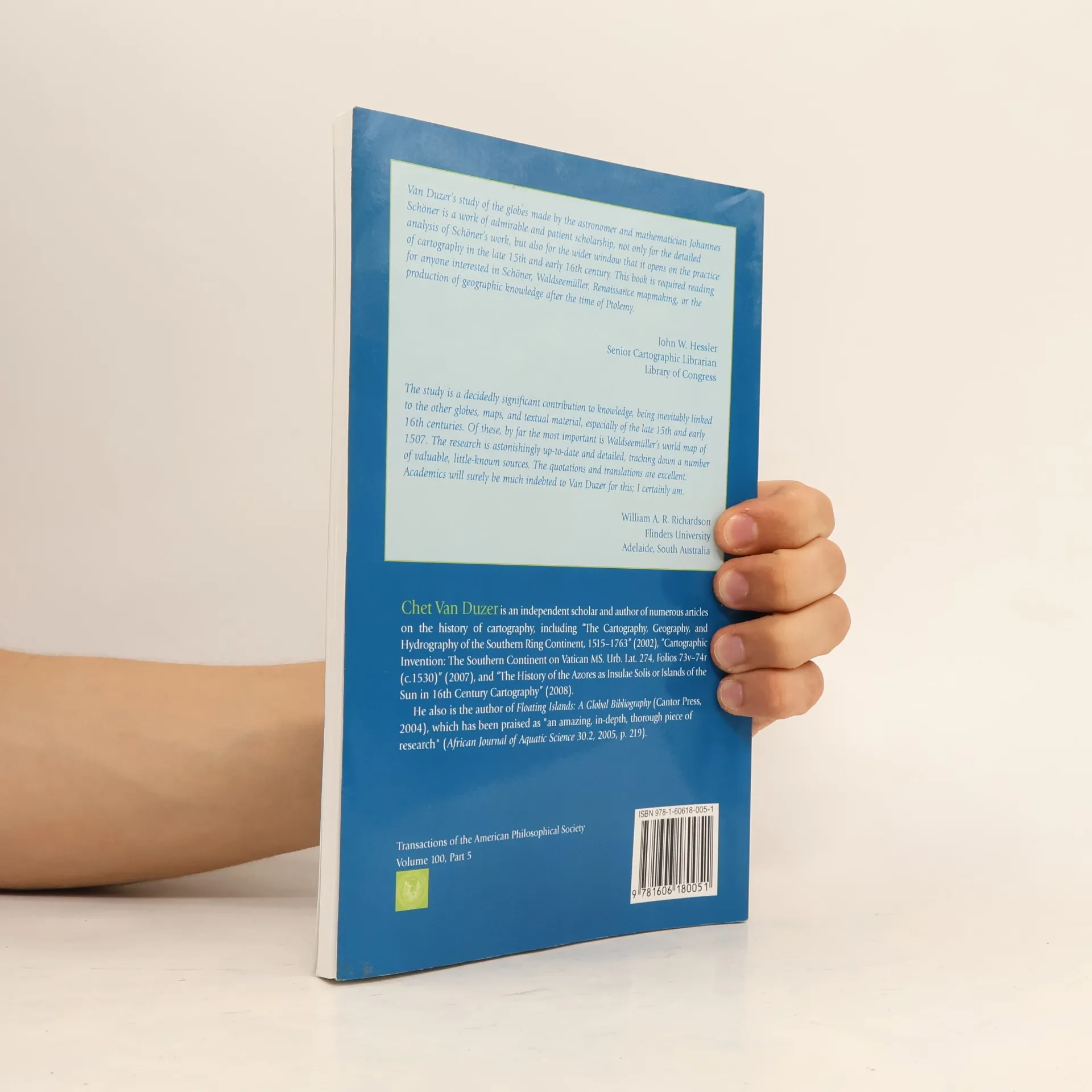
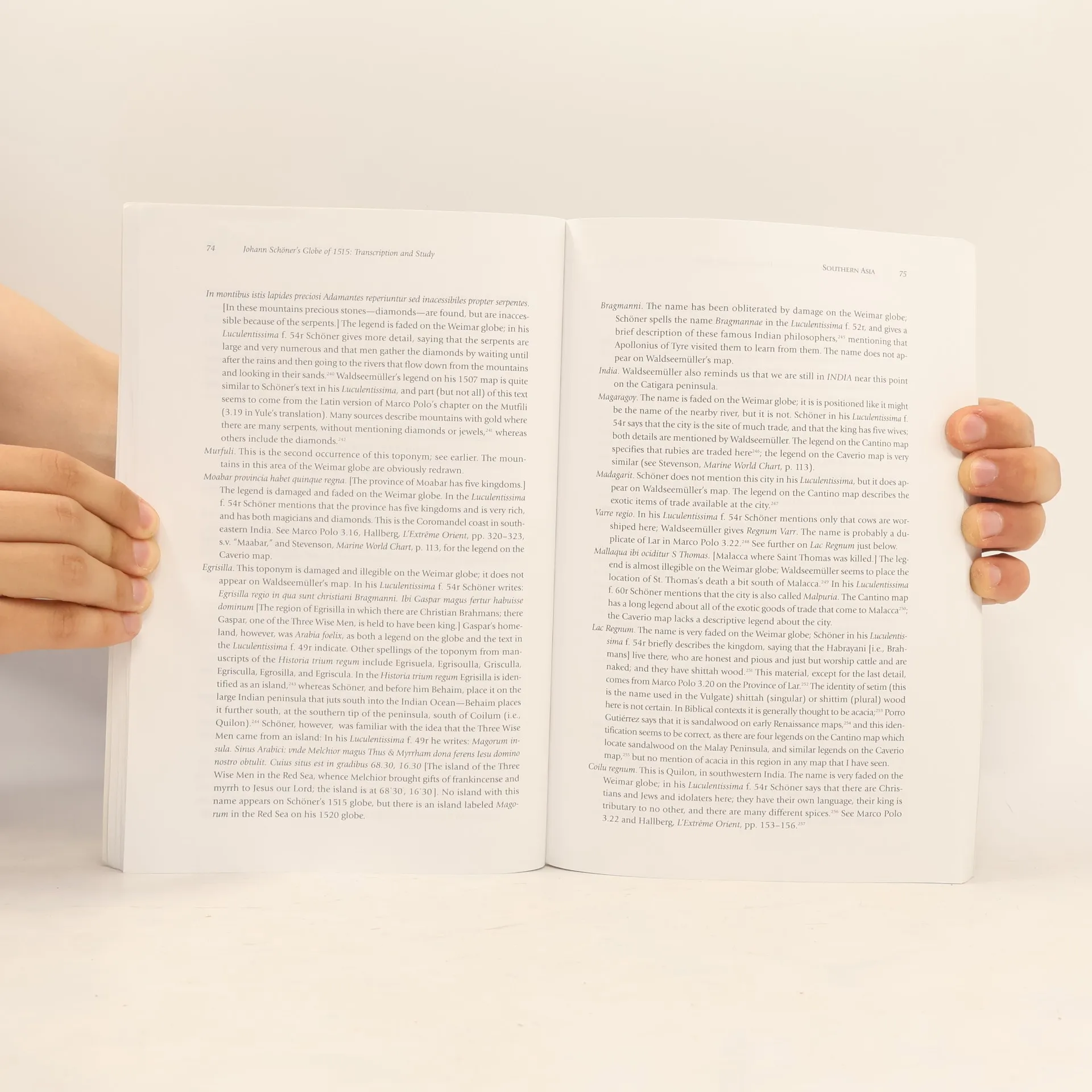
The first detailed study of the terrestrial globe of Johann Schoner (1477-1547), a cosmographer and teacher of mathematics in Nurnberg, which he made as part of the first pair of celestial and terrestrial globes in 1515. The globe is not much younger than the earliest surviving terrestrial globe from 1492. The globe is an important part of early 16th-cent. cartography, and an important chapter in the cartographic history of the New World. Transcribing all of the toponyms and legends on the globe has entailed an examination of textual, catographic, and graphical sources which has shed light on the relationship of the globe to maps, globes, and books of the period. It will be useful in the study of late 15th- and early 16th-cent. cartography generally. Illustrations.
We hebben in totaal boeken Transactions of the American Philosophical Society - 100, Pt. 3: Johann Schöner's Globe of 1515 (2010) op voorraad.
Een boek kopen
Transactions of the American Philosophical Society - 100, Pt. 3: Johann Schöner's Globe of 1515, Chet A. Van Duzer
- Taal

- Jaar van publicatie
- 2010
- Bindwijze
- (Paperback),
- Staat van het boek
- Goed
- Prijs
- € 16,49
Betaalmethoden
Nog niemand heeft beoordeeld.
- Titel
- Transactions of the American Philosophical Society - 100, Pt. 3: Johann Schöner's Globe of 1515
- Ondertitel
- Transcription and Study
- Taal
- Engels
- Auteurs
- Chet A. Van Duzer
- Uitgever
- American Philosophical Society
- Jaar van publicatie
- 2010
- Formaat
- Paperback
- Aantal pagina's
- 224
- ISBN10
- 1606180053
- ISBN13
- 9781606180051
- Reeks
- Categorieën
- Aantekening
- The first detailed study of the terrestrial globe of Johann Schoner (1477-1547), a cosmographer and teacher of mathematics in Nurnberg, which he made as part of the first pair of celestial and terrestrial globes in 1515. The globe is not much younger than the earliest surviving terrestrial globe from 1492. The globe is an important part of early 16th-cent. cartography, and an important chapter in the cartographic history of the New World. Transcribing all of the toponyms and legends on the globe has entailed an examination of textual, catographic, and graphical sources which has shed light on the relationship of the globe to maps, globes, and books of the period. It will be useful in the study of late 15th- and early 16th-cent. cartography generally. Illustrations.