

Je koopt precies het boekdat op de foto staat
Parameters
- 288bladzijden
- 11 uur lezen
Meer over het boek
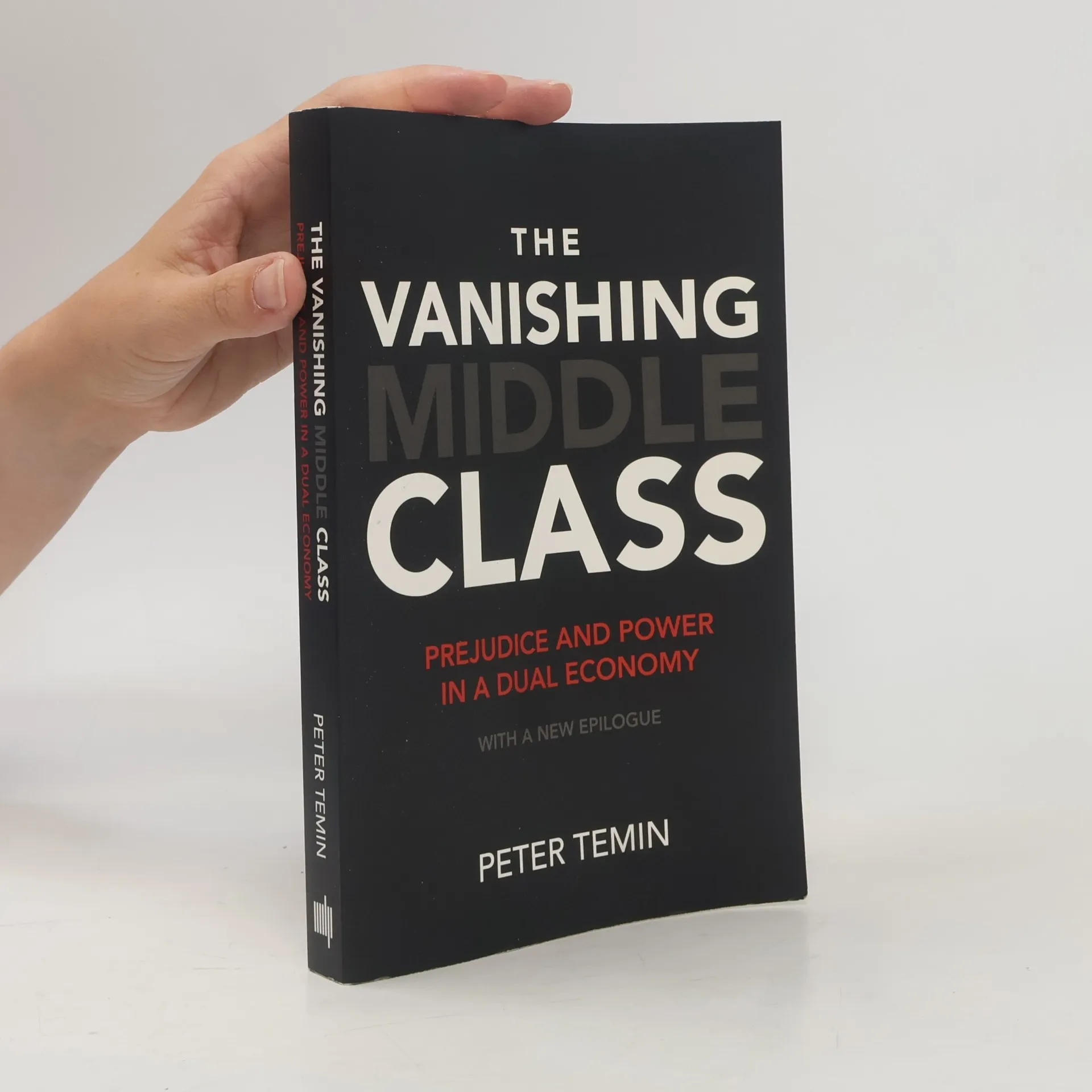
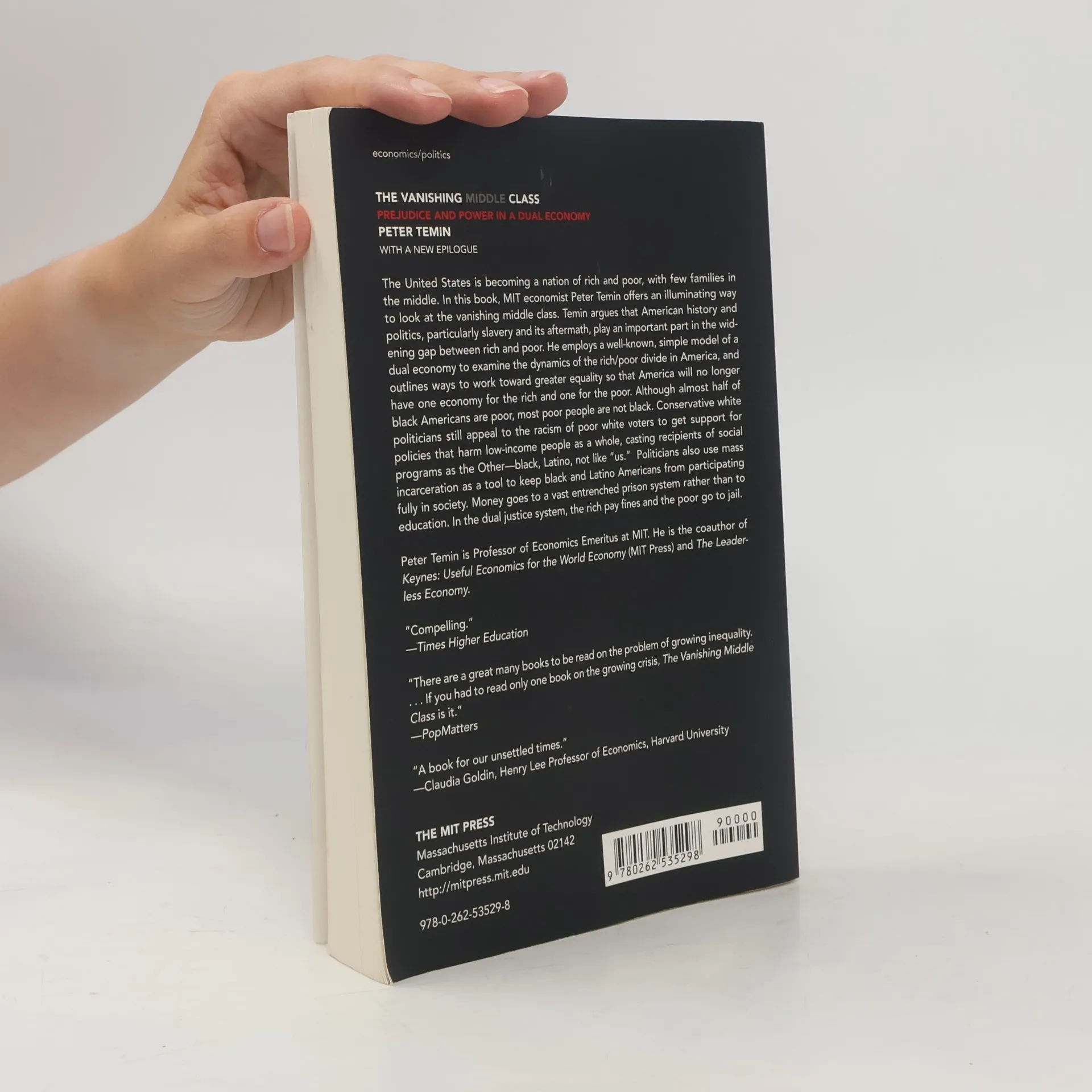
In this book, MIT economist Peter Temin offers an illuminating way to look at the vanishing middle class. Temin argues that American history and politics, particularly slavery and its aftermath, play an important part in the widening gap between rich and poor. Temin employs a well-known, simple model of a dual economy to examine the dynamics of the rich/poor divide in America, and outlines ways to work toward greater equality so that America will no longer have one economy for the rich and one for the poor.


Een boek kopen
Vanishing Middle Class, New Epilogue, Peter Temin
- Taal

- Jaar van publicatie
- 2018
- Bindwijze
- (Paperback),
- Staat van het boek
- Goed
- Prijs
- € 4,39
Betaalmethoden
Nog niemand heeft beoordeeld.
- Titel
- Vanishing Middle Class, New Epilogue
- Taal
- Engels
- Auteurs
- Peter Temin
- Uitgever
- MIT Press
- Jaar van publicatie
- 2018
- Formaat
- Paperback
- Aantal pagina's
- 288
- ISBN10
- 0262535297
- ISBN13
- 9780262535298
- Reeks
- Categorieën
- Tags
- Handel, Kookboeken, Handleidingen en Gidsen, Filosofisch thema, Dieren, Juridische thematiek, Scripties en Hoger Onderwijsboeken, Politiek, Verenigde Staten, Gezondheid, Eten, Samenleving, Feminisme, Journalistiek en Publiciteit, Financiën, Politieke theorieën, Cultuur, Biologie-leerboeken, Geld, Ethiek, Internationale Betrekkingen, Sociale rechtvaardigheid, Armoede, Burgerlijk recht, Globalisatie, Corruptie, Kapitalisme, Energie, Strategie, Economische Geschiedenis, Regering, Economische Politiek, Geopolitiek, Politieke Economie, Politieke filosofie, Etniciteit, Wereldpolitiek, Minderheden, Sociale Klassen, Ongelijkheid
- Aantekening
- In this book, MIT economist Peter Temin offers an illuminating way to look at the vanishing middle class. Temin argues that American history and politics, particularly slavery and its aftermath, play an important part in the widening gap between rich and poor. Temin employs a well-known, simple model of a dual economy to examine the dynamics of the rich/poor divide in America, and outlines ways to work toward greater equality so that America will no longer have one economy for the rich and one for the poor.