

Parameters
- 473bladzijden
- 17 uur lezen
Meer over het boek
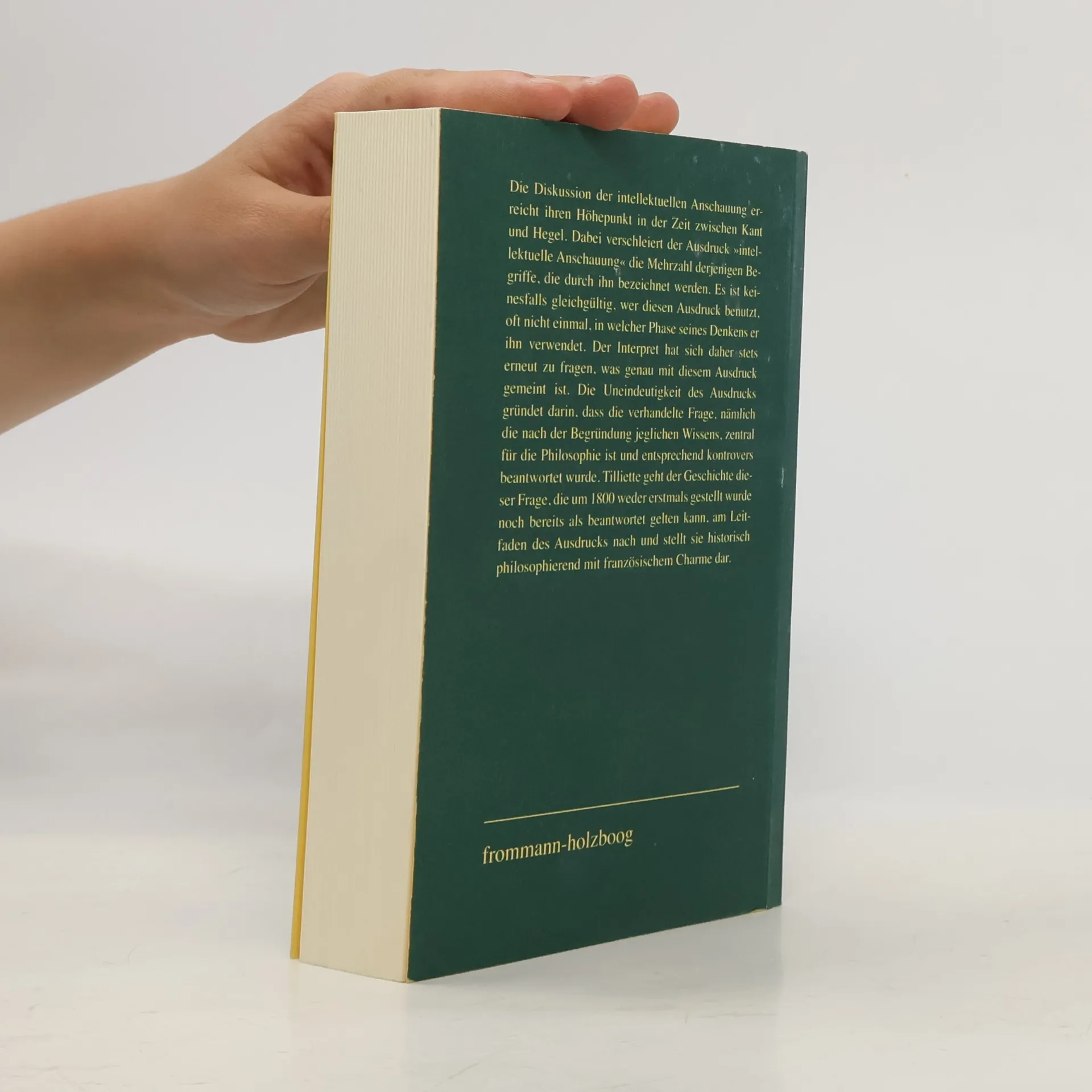
The discussion of intellectual intuition peaks between Kant and Hegel, yet the term conceals the various concepts it represents. The significance of who uses this term, and at what stage of their thinking, is crucial. Interpreters must continually reassess what is meant by it. This ambiguity arises because the foundational question of knowledge is central to philosophy and has sparked diverse and controversial answers. Tilliette explores the history of this question, which was neither first posed nor definitively answered around 1800. He uses the concept of expression as a guide, presenting the discussion with a historically philosophical lens and a touch of French charm.
Een boek kopen
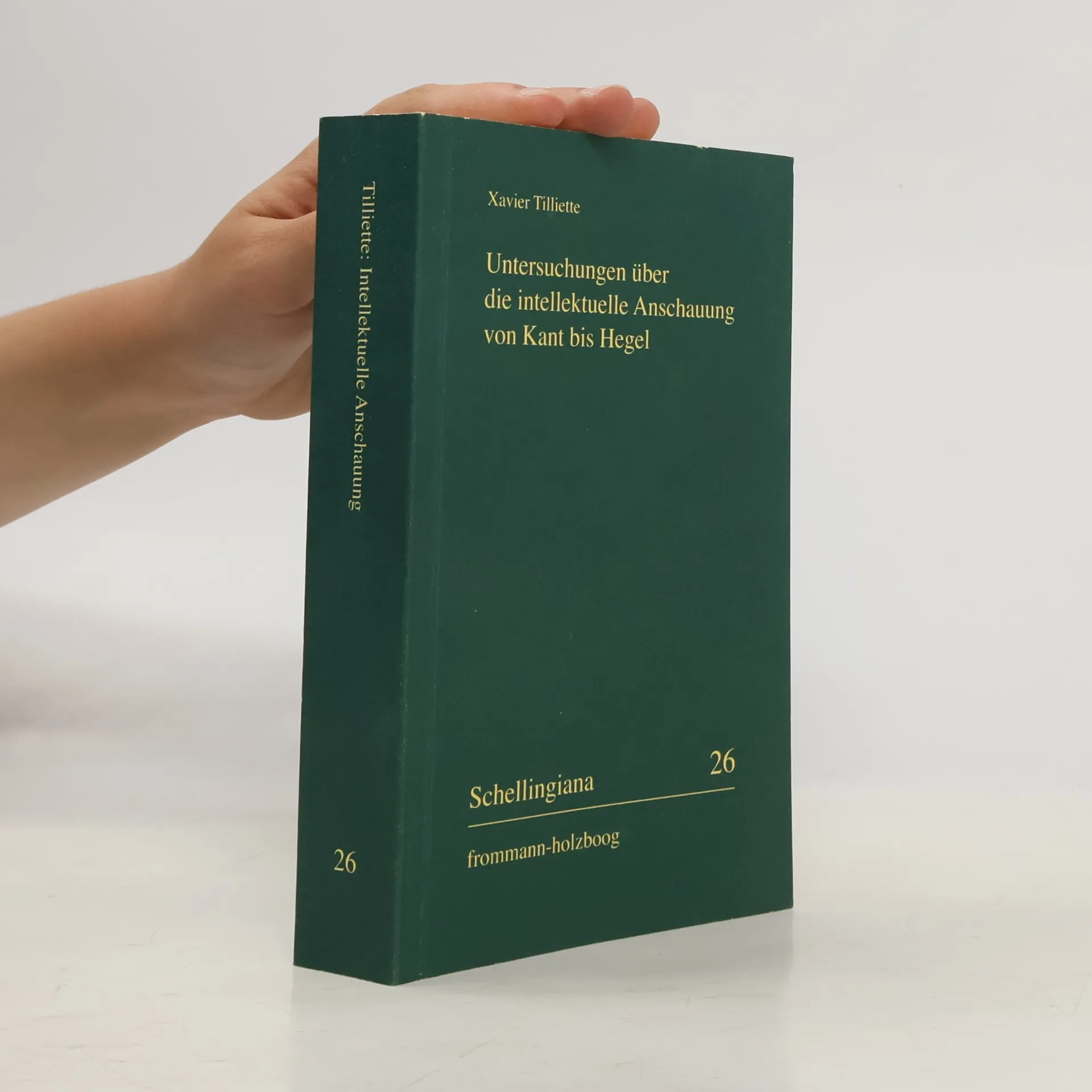
Schellingiana - 26: Untersuchungen über die intellektuelle Anschauung von Kant bis Hegel, Xavier Tilliette, Lisa Egloff, Wilhelm G. Jacobs, Volker Gerhardt
- Taal

- Jaar van publicatie
- 2015
- Bindwijze
- (Paperback)
Betaalmethoden
Nog niemand heeft beoordeeld.
- Titel
- Schellingiana - 26: Untersuchungen über die intellektuelle Anschauung von Kant bis Hegel
- Taal
- Duits
- Uitgever
- Frommann-Holzboog
- Jaar van publicatie
- 2015
- Formaat
- Paperback
- Aantal pagina's
- 473
- ISBN10
- 3772826229
- ISBN13
- 9783772826221
- Reeks
- Categorieën
- Tags
- Filosofisch thema, Duitsland, Frankrijk, Geesten en verschijningen, Geschiedenis van de filosofie, Kennisleer, Idealismus, Duitse filosofie
- Aantekening
- The discussion of intellectual intuition peaks between Kant and Hegel, yet the term conceals the various concepts it represents. The significance of who uses this term, and at what stage of their thinking, is crucial. Interpreters must continually reassess what is meant by it. This ambiguity arises because the foundational question of knowledge is central to philosophy and has sparked diverse and controversial answers. Tilliette explores the history of this question, which was neither first posed nor definitively answered around 1800. He uses the concept of expression as a guide, presenting the discussion with a historically philosophical lens and a touch of French charm.