

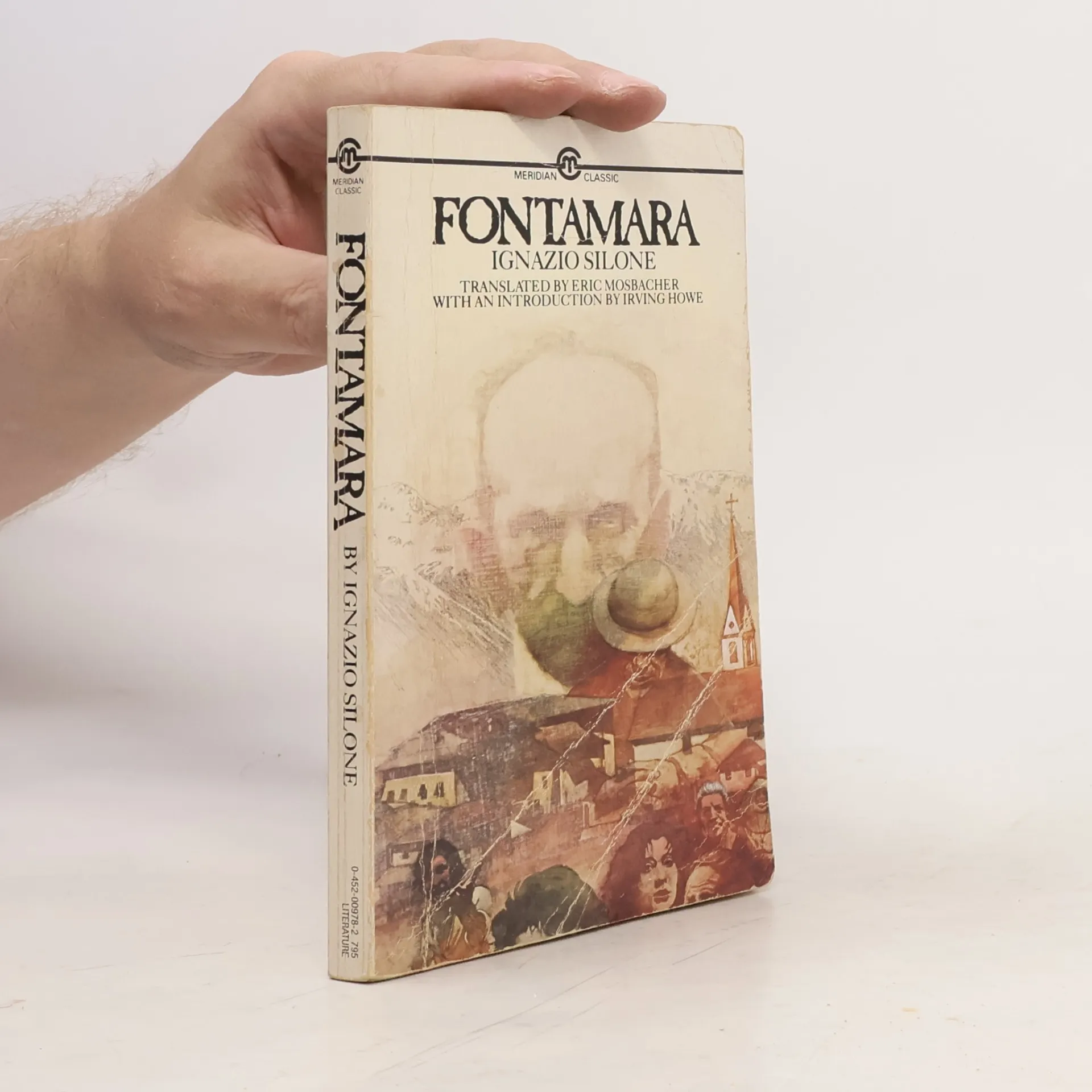
Meridian Classic: Fontamara
Parameters
- 165bladzijden
- 6 uur lezen
Meer over het boek
Silone's first novel, published in German in 1933 and in English in 1934, garnered worldwide acclaim, selling over a million and a half copies in twenty-seven languages. Set against the backdrop of the impending Spanish Civil War and shortly after Hitler's rise to power, the narrative had a profound impact on public opinion, becoming a symbol of resistance and a significant anti-Fascist document in the late 1930s. The story unfolds in the fictional rural village of Fontamara, located in the Abruzzo region, where the impoverished inhabitants, the Fontamaresi, are largely unaware of global events, including the rise of Fascism. They live in stark contrast to the wealthy Impresario, who represents the power and immorality of the Fascist regime. The Fontamaresi, disconnected from modernity and technology, struggle for survival through agriculture and emigration, while remaining vulnerable to exploitation. Their ignorance leads to tragic consequences, including violence against women by Fascist squads. Berardo Viola emerges as a key figure, sacrificing himself to disseminate socialist ideas and incite rebellion. Ultimately, the government's brutal actions result in the deaths of many villagers, highlighting the dire consequences of their naivety and the oppressive political climate.
Een boek kopen
Meridian Classic: Fontamara, Irving Howe, Ignazio Silone, Eric Mosbacher
- Taal

- Jaar van publicatie
- 1981
- Bindwijze
- (Paperback)
Betaalmethoden
Nog niemand heeft beoordeeld.
- Titel
- Meridian Classic: Fontamara
- Taal
- Engels
- Auteurs
- Irving Howe, Ignazio Silone, Eric Mosbacher
- Uitgever
- Plume
- Jaar van publicatie
- 1981
- Formaat
- Paperback
- Aantal pagina's
- 165
- ISBN10
- 0452009782
- ISBN13
- 9780452009783
- Reeks
- Categorieën
- Aantekening
- Silone's first novel, published in German in 1933 and in English in 1934, garnered worldwide acclaim, selling over a million and a half copies in twenty-seven languages. Set against the backdrop of the impending Spanish Civil War and shortly after Hitler's rise to power, the narrative had a profound impact on public opinion, becoming a symbol of resistance and a significant anti-Fascist document in the late 1930s. The story unfolds in the fictional rural village of Fontamara, located in the Abruzzo region, where the impoverished inhabitants, the Fontamaresi, are largely unaware of global events, including the rise of Fascism. They live in stark contrast to the wealthy Impresario, who represents the power and immorality of the Fascist regime. The Fontamaresi, disconnected from modernity and technology, struggle for survival through agriculture and emigration, while remaining vulnerable to exploitation. Their ignorance leads to tragic consequences, including violence against women by Fascist squads. Berardo Viola emerges as a key figure, sacrificing himself to disseminate socialist ideas and incite rebellion. Ultimately, the government's brutal actions result in the deaths of many villagers, highlighting the dire consequences of their naivety and the oppressive political climate.