

Meer over het boek
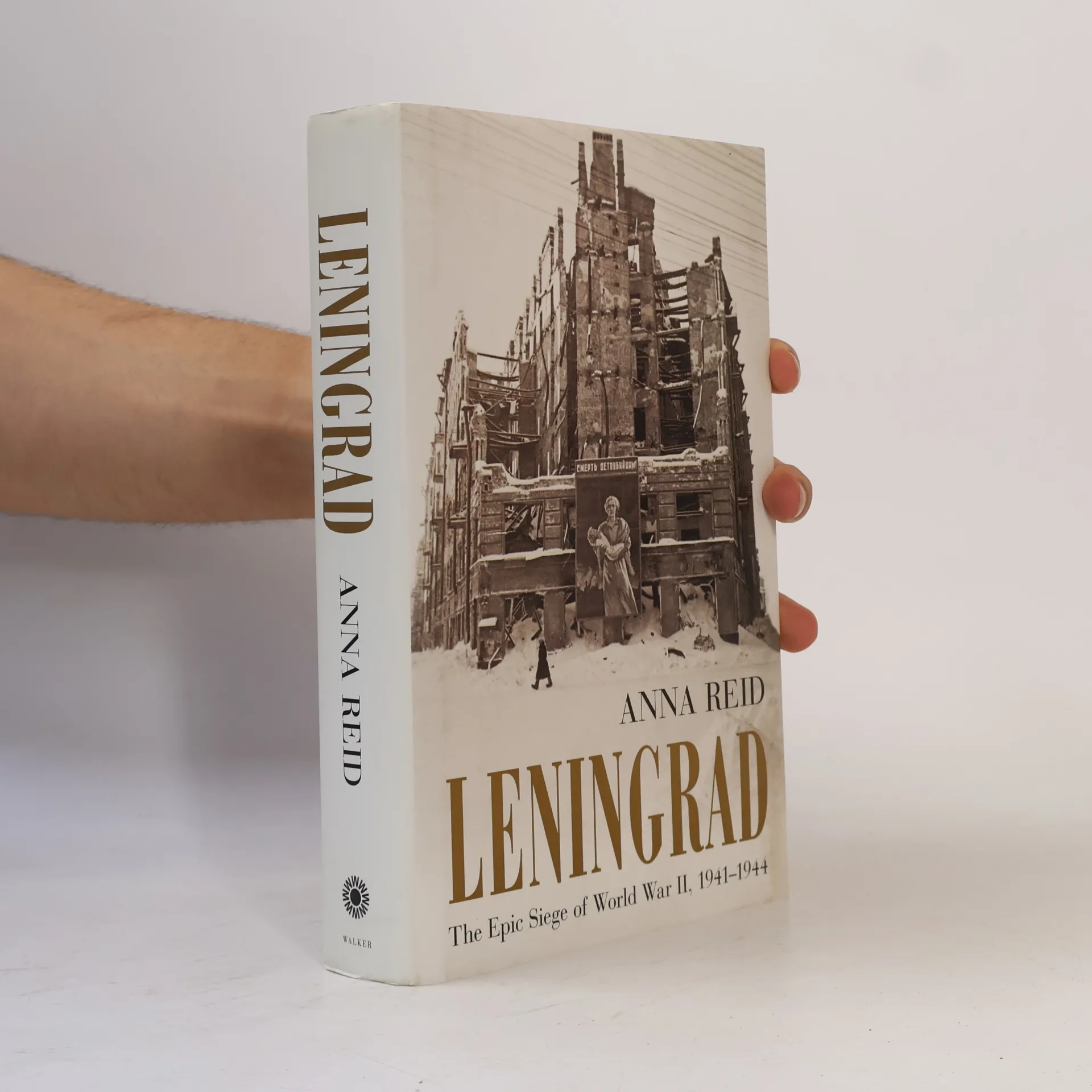
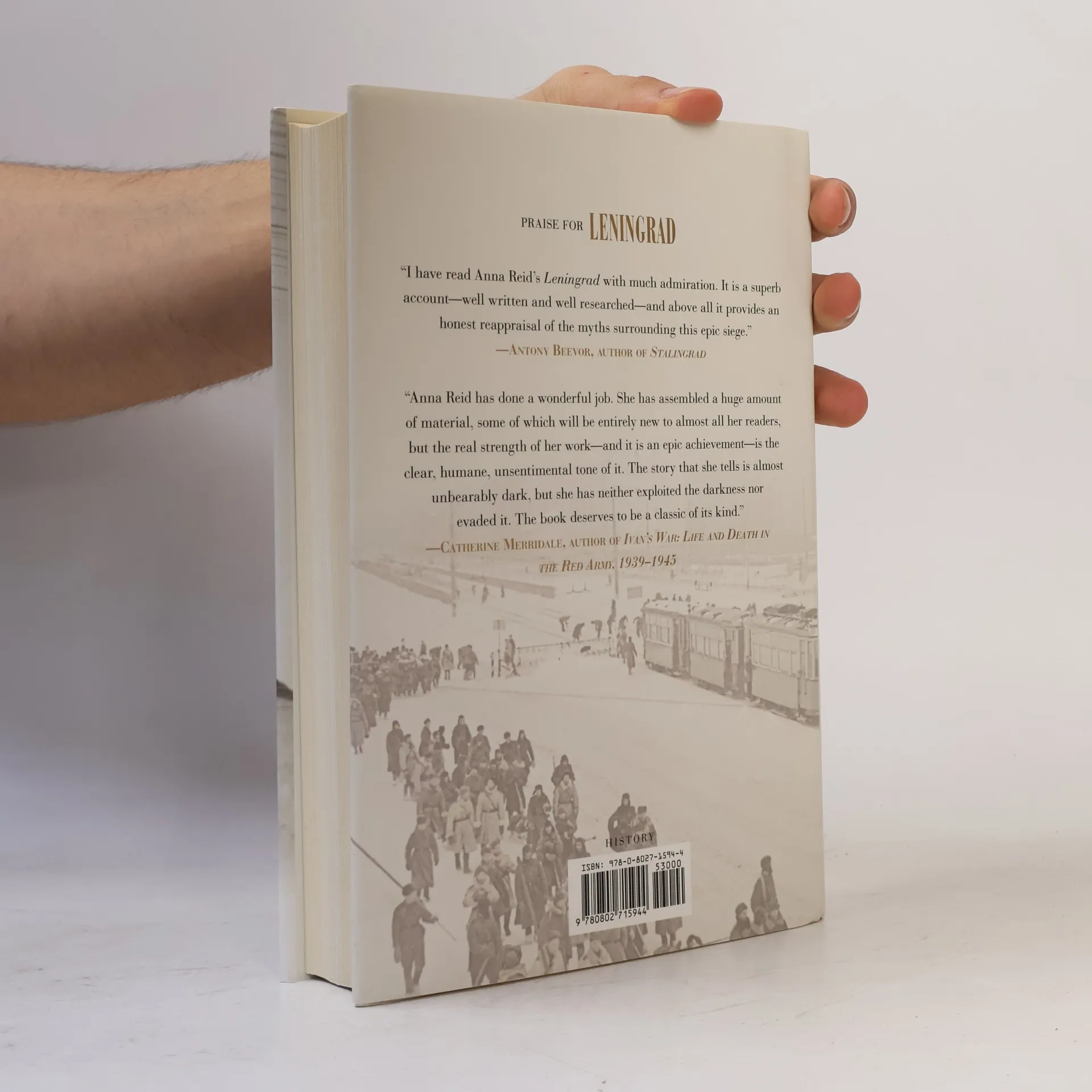
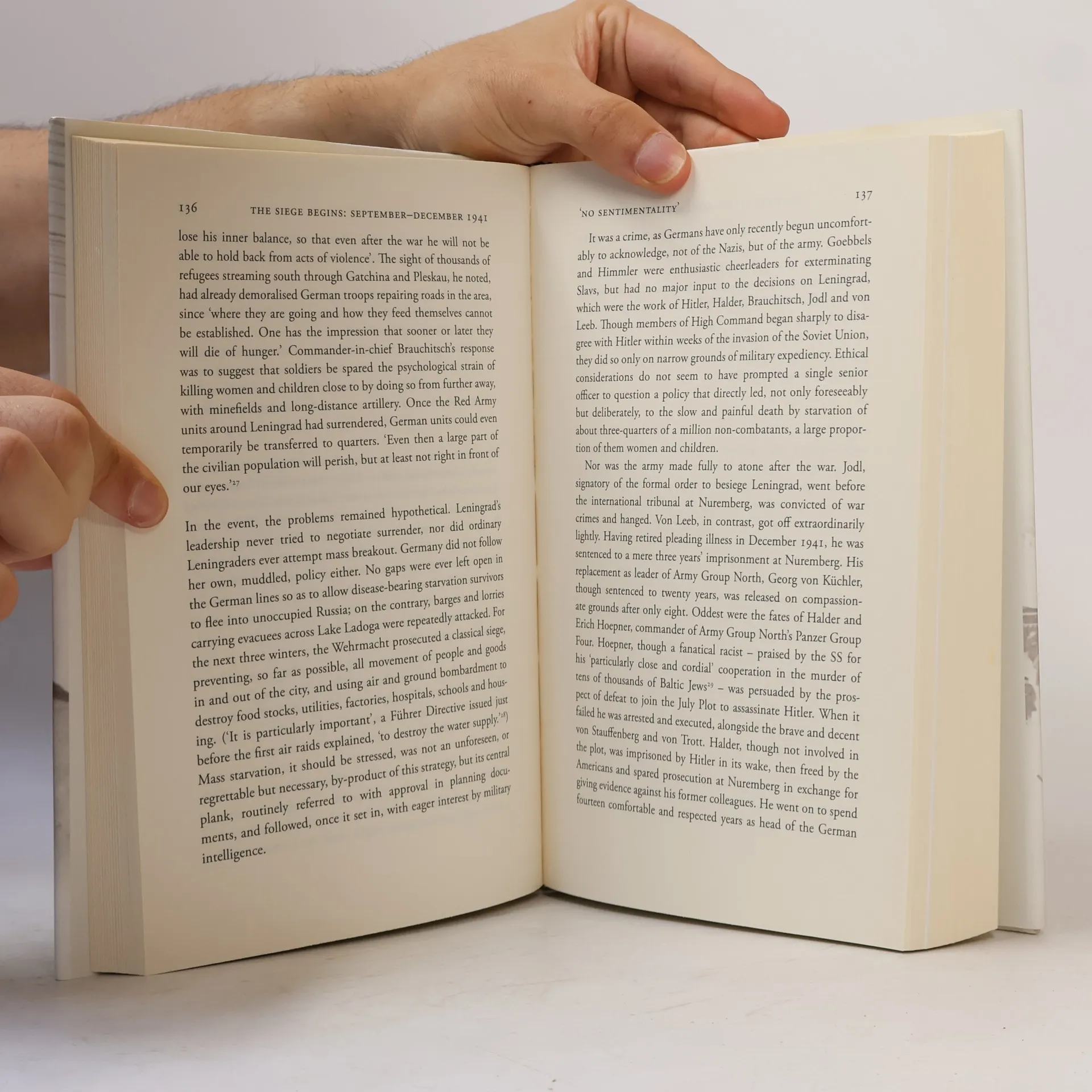
On September 8, 1941, just weeks after Hitler's surprise attack on the Soviet Union, Leningrad was besieged for two and a half years, resulting in the death of approximately three-quarters of a million residents from starvation. This gripping narrative history captures this pivotal moment, interweaving personal accounts from diarists on both sides. These accounts reveal the Nazis' intent to starve the city into submission, Hitler's grave miscalculations, and the Soviet leadership's incompetence and cruelty. The text details the harrowing experiences of soldiers and civilians alike, highlighting the desperate search for food and water, the erosion of family ties, and the grim realities of looting, murder, and cannibalism, contrasted with acts of extraordinary bravery and self-sacrifice. By dismantling decades of Soviet propaganda and utilizing newly accessible diaries and government records, the narrative addresses critical questions: Was Stalin as culpable for the death toll as Hitler? Why did the Germans fail to seize the city? What prevented it from descending into chaos? This work is notable for its originality and literary quality, giving a voice to those who suffered and aiming to rival other significant historical accounts in its impact.


Een boek kopen
Leningrad, Anna Reid
- Taal

- Jaar van publicatie
- 2011
- Bindwijze
- (Hardcover)
Betaalmethoden
We missen je recensie hier.
- Titel
- Leningrad
- Ondertitel
- The Epic Siege of World War II, 1941-1944
- Taal
- Engels
- Auteurs
- Anna Reid
- Uitgever
- Walker Books
- Jaar van publicatie
- 2011
- Formaat
- Hardcover
- Aantal pagina's
- 512
- ISBN10
- 080271594X
- ISBN13
- 9780802715944
- Reeks
- Categorieën
- Oorspronkelijke titel
- Leningrad
- Beoordeling
- 4 van 5
- Aantekening
- On September 8, 1941, just weeks after Hitler's surprise attack on the Soviet Union, Leningrad was besieged for two and a half years, resulting in the death of approximately three-quarters of a million residents from starvation. This gripping narrative history captures this pivotal moment, interweaving personal accounts from diarists on both sides. These accounts reveal the Nazis' intent to starve the city into submission, Hitler's grave miscalculations, and the Soviet leadership's incompetence and cruelty. The text details the harrowing experiences of soldiers and civilians alike, highlighting the desperate search for food and water, the erosion of family ties, and the grim realities of looting, murder, and cannibalism, contrasted with acts of extraordinary bravery and self-sacrifice. By dismantling decades of Soviet propaganda and utilizing newly accessible diaries and government records, the narrative addresses critical questions: Was Stalin as culpable for the death toll as Hitler? Why did the Germans fail to seize the city? What prevented it from descending into chaos? This work is notable for its originality and literary quality, giving a voice to those who suffered and aiming to rival other significant historical accounts in its impact.