



Parameters
- 290bladzijden
- 11 uur lezen
Meer over het boek
Evaluation of scientific research, especially that funded by governments, is increasingly important worldwide. With resources becoming scarce, policy-makers seek effective ways to ensure optimal use of these funds. The significance of research evaluation spans from critical assessments of academic institutions in post-communist nations to frameworks like the Government Performance and Results Act (GPRA) in the United States. Such evaluations can lead to major consequences for researchers and institutions, including restructuring, priority shifts, budget cuts, or even closures. Hence, it is vital that evaluations are conducted systematically and objectively, employing methodologies that are transparent and credible to stakeholders. This book, stemming from a NATO Advanced Research Workshop co-organized by the Academy of Sciences of the Czech Republic and the American Association for the Advancement of Science, explores contemporary methods of science evaluation and shares experiences from various countries. It serves as a valuable resource for researchers, policy-makers, science evaluation practitioners, and anyone interested in science policy.
Een boek kopen
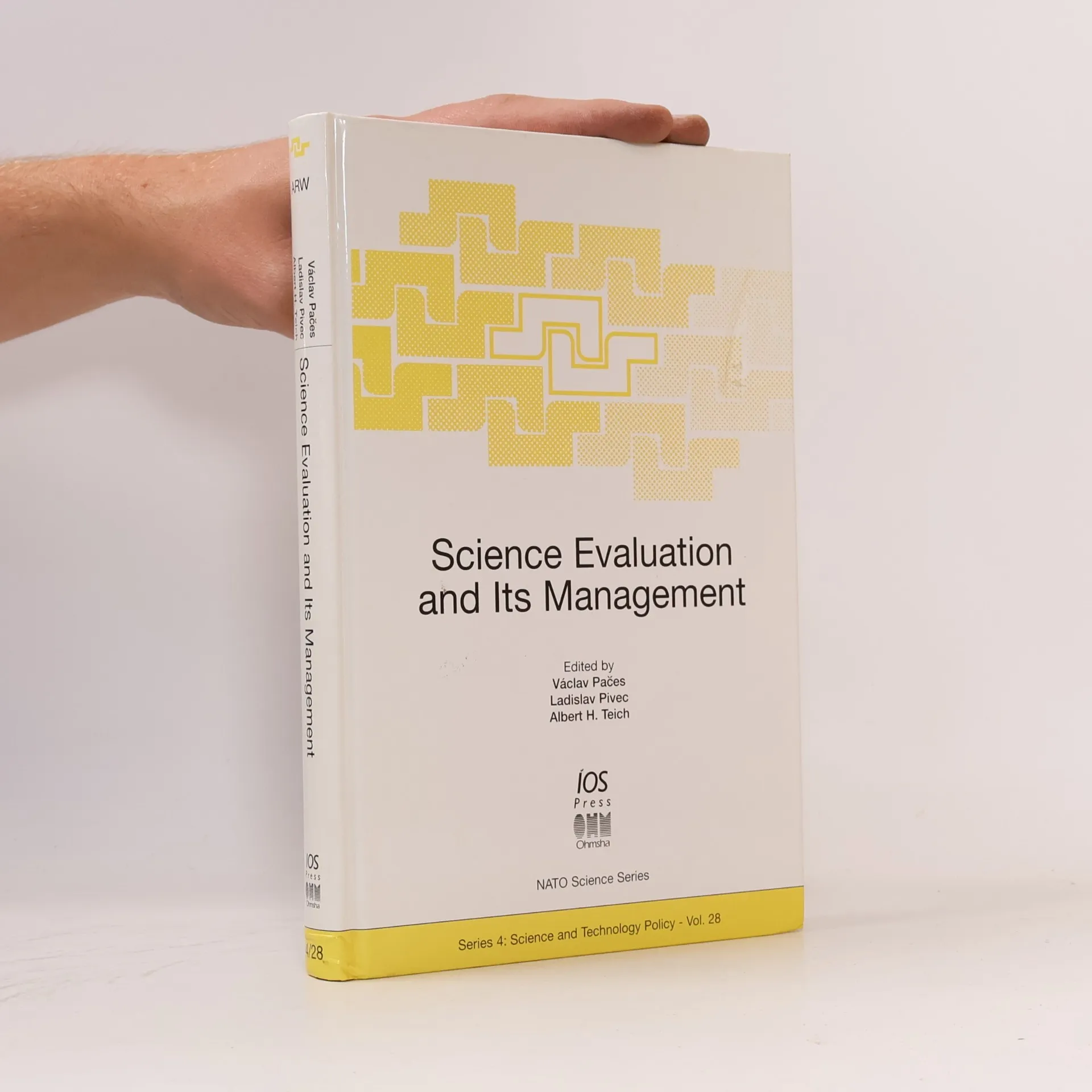
NATO Science Series: Science and Technology Policy - 28: Science Evaluation and Its Management, Václav Pačes, Ladislav Pivec, Albert H. Teich
- Taal

- Jaar van publicatie
- 1999
- Bindwijze
- (Hardcover),
- Staat van het boek
- Zeer goed
- Prijs
- € 71,99
Betaalmethoden
Nog niemand heeft beoordeeld.
- Titel
- NATO Science Series: Science and Technology Policy - 28: Science Evaluation and Its Management
- Taal
- Engels
- Auteurs
- Václav Pačes, Ladislav Pivec, Albert H. Teich
- Uitgever
- IOS Press
- Jaar van publicatie
- 1999
- Formaat
- Hardcover
- Aantal pagina's
- 290
- ISBN10
- 9051994389
- ISBN13
- 9789051994384
- Reeks
- Tags
- Aantekening
- Evaluation of scientific research, especially that funded by governments, is increasingly important worldwide. With resources becoming scarce, policy-makers seek effective ways to ensure optimal use of these funds. The significance of research evaluation spans from critical assessments of academic institutions in post-communist nations to frameworks like the Government Performance and Results Act (GPRA) in the United States. Such evaluations can lead to major consequences for researchers and institutions, including restructuring, priority shifts, budget cuts, or even closures. Hence, it is vital that evaluations are conducted systematically and objectively, employing methodologies that are transparent and credible to stakeholders. This book, stemming from a NATO Advanced Research Workshop co-organized by the Academy of Sciences of the Czech Republic and the American Association for the Advancement of Science, explores contemporary methods of science evaluation and shares experiences from various countries. It serves as a valuable resource for researchers, policy-makers, science evaluation practitioners, and anyone interested in science policy.