


Meer over het boek
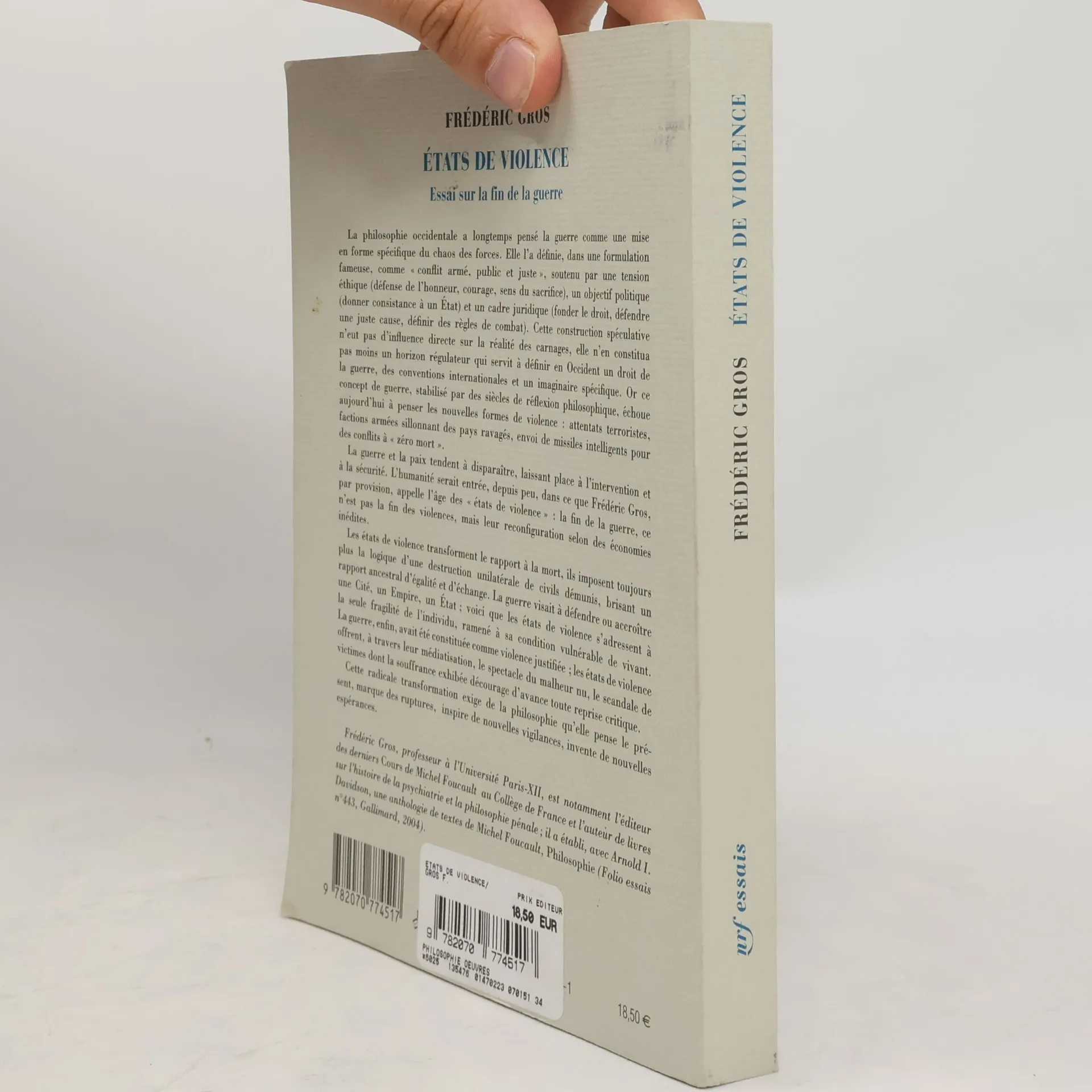
According to political philosopher Frédéric Gros, traditional notions of war and peace are currently being replaced by ideas of intervention and security. But while we may be able to speak of an end to war, this does not imply an end to violence. On the contrary, Gros argues that what we are witnessing is a reconfiguration of our ideas of war, resulting in new forms of violence—terrorist attacks, armed groups jockeying for territory, the use of precision missiles, and the dangerous belief that conflict can be undertaken without casualties. In States of Violence , Gros explains how war was once conducted to defend or increase the power of a city, an empire, or a state, but today conflict is directed at the very fragility of the individual and based upon a logic of unilateral destruction inflicted upon deprived civilian populations. While war was once rationalized as justified bloodshed, these new states of violence are instead centered on the spectacle of stark, publicized civilian suffering. By charting the history of the philosophy of conflict in Western discourse, Gros offers a stimulating and timely critique of contemporary notions of war and terror.
Een boek kopen
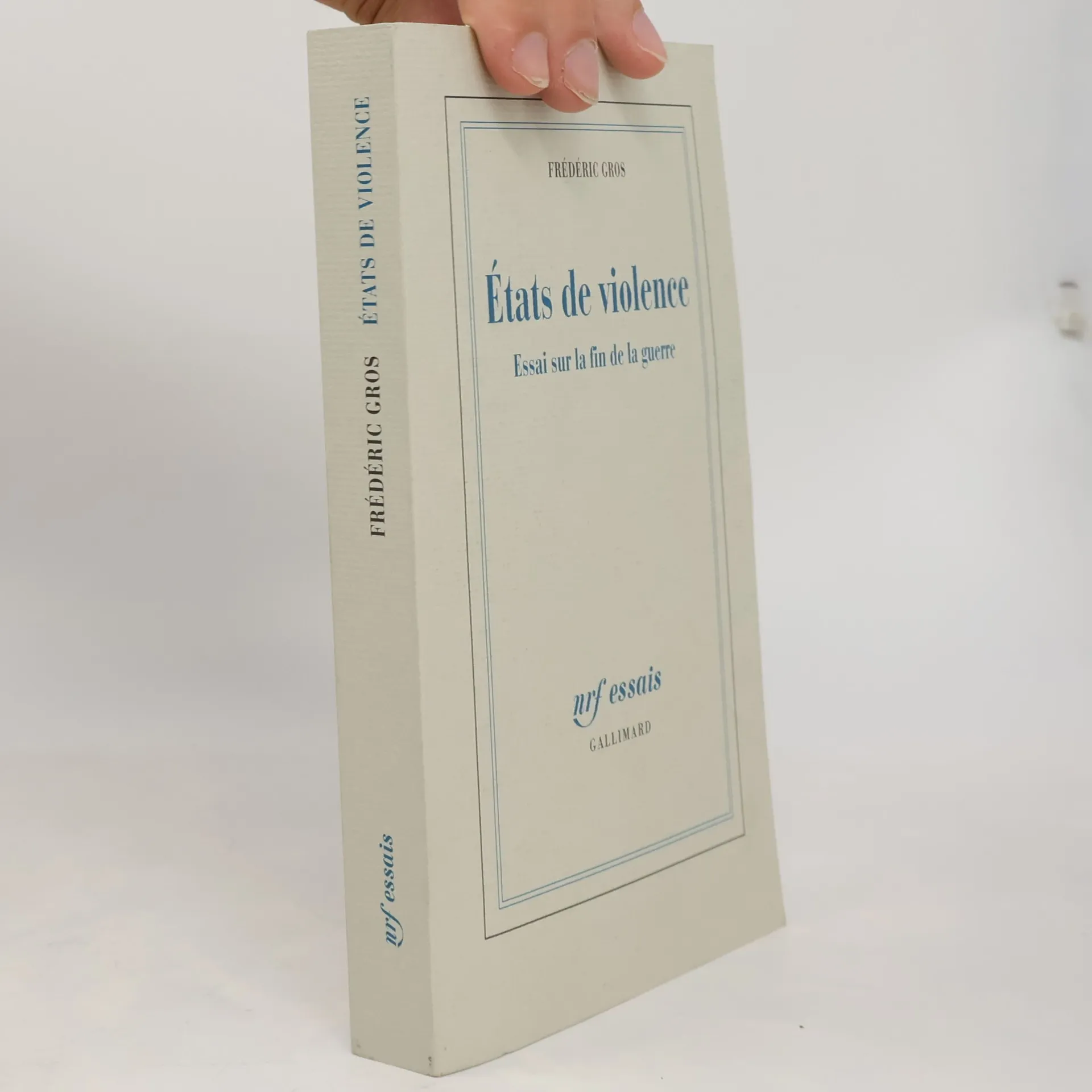
États de violence. Essai sur la fin de la guerre, Frédéric Gros
- Taal

- Jaar van publicatie
- 2006
- Bindwijze
- (Paperback),
- Staat van het boek
- Goed
- Prijs
- € 12,49
Betaalmethoden
Nog niemand heeft beoordeeld.
- Titel
- États de violence. Essai sur la fin de la guerre
- Ondertitel
- essai sur la fin de la guerre
- Taal
- Frans
- Auteurs
- Frédéric Gros
- Uitgever
- Gallimard
- Jaar van publicatie
- 2006
- Formaat
- Paperback
- Aantal pagina's
- 309
- ISBN10
- 2070774511
- ISBN13
- 9782070774517
- Reeks
- Categorieën
- Aantekening
- According to political philosopher Frédéric Gros, traditional notions of war and peace are currently being replaced by ideas of intervention and security. But while we may be able to speak of an end to war, this does not imply an end to violence. On the contrary, Gros argues that what we are witnessing is a reconfiguration of our ideas of war, resulting in new forms of violence—terrorist attacks, armed groups jockeying for territory, the use of precision missiles, and the dangerous belief that conflict can be undertaken without casualties. In States of Violence , Gros explains how war was once conducted to defend or increase the power of a city, an empire, or a state, but today conflict is directed at the very fragility of the individual and based upon a logic of unilateral destruction inflicted upon deprived civilian populations. While war was once rationalized as justified bloodshed, these new states of violence are instead centered on the spectacle of stark, publicized civilian suffering. By charting the history of the philosophy of conflict in Western discourse, Gros offers a stimulating and timely critique of contemporary notions of war and terror.