

Meer over het boek
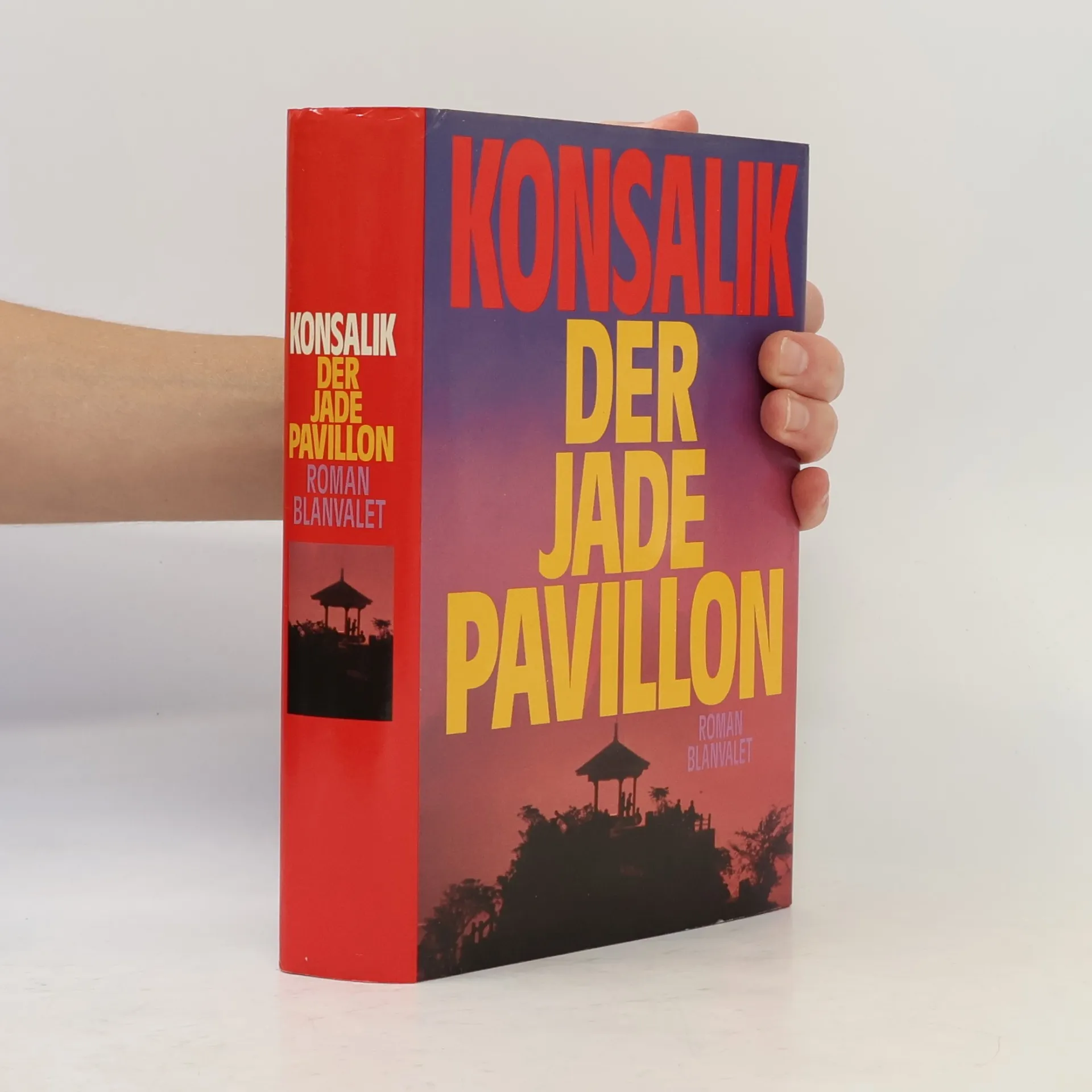
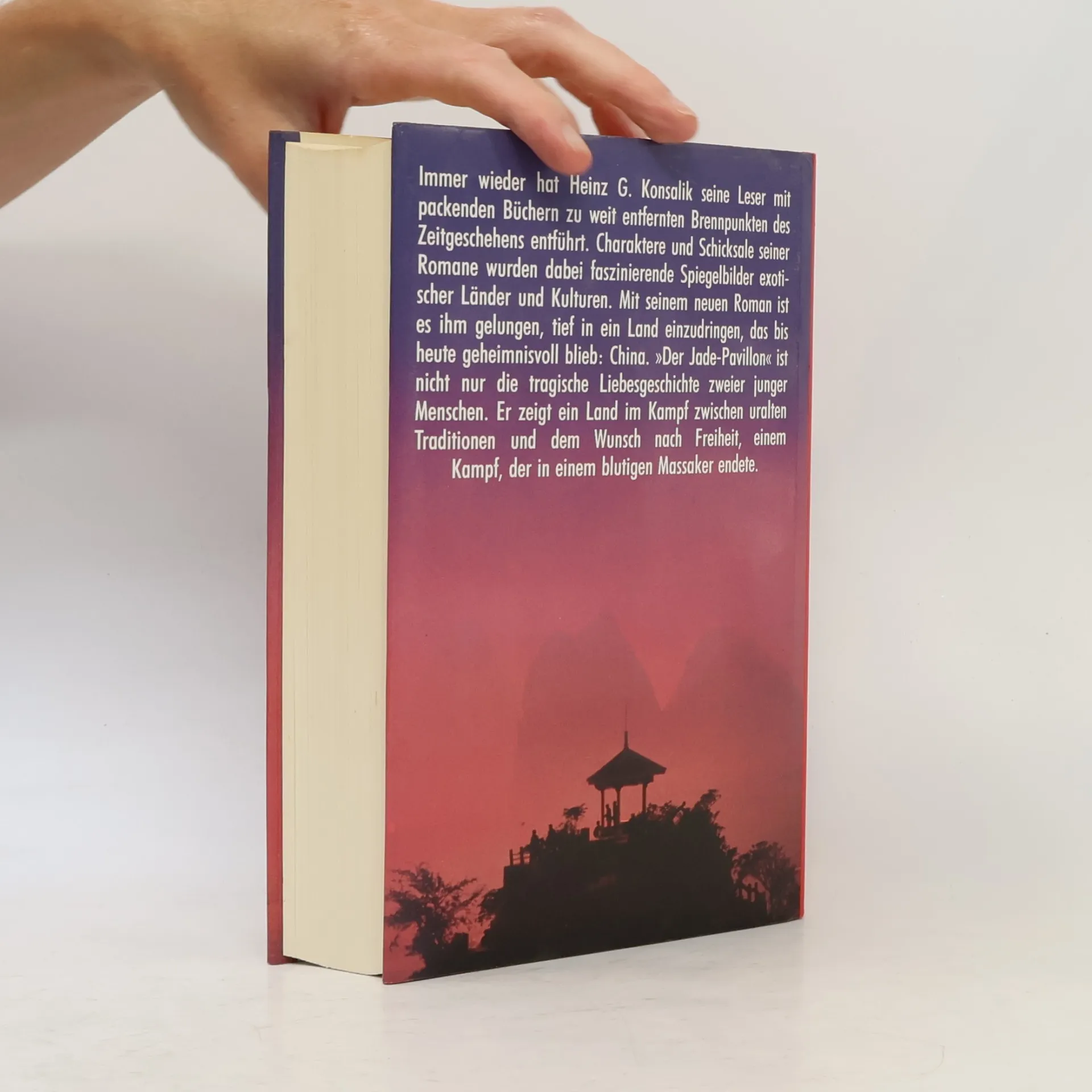
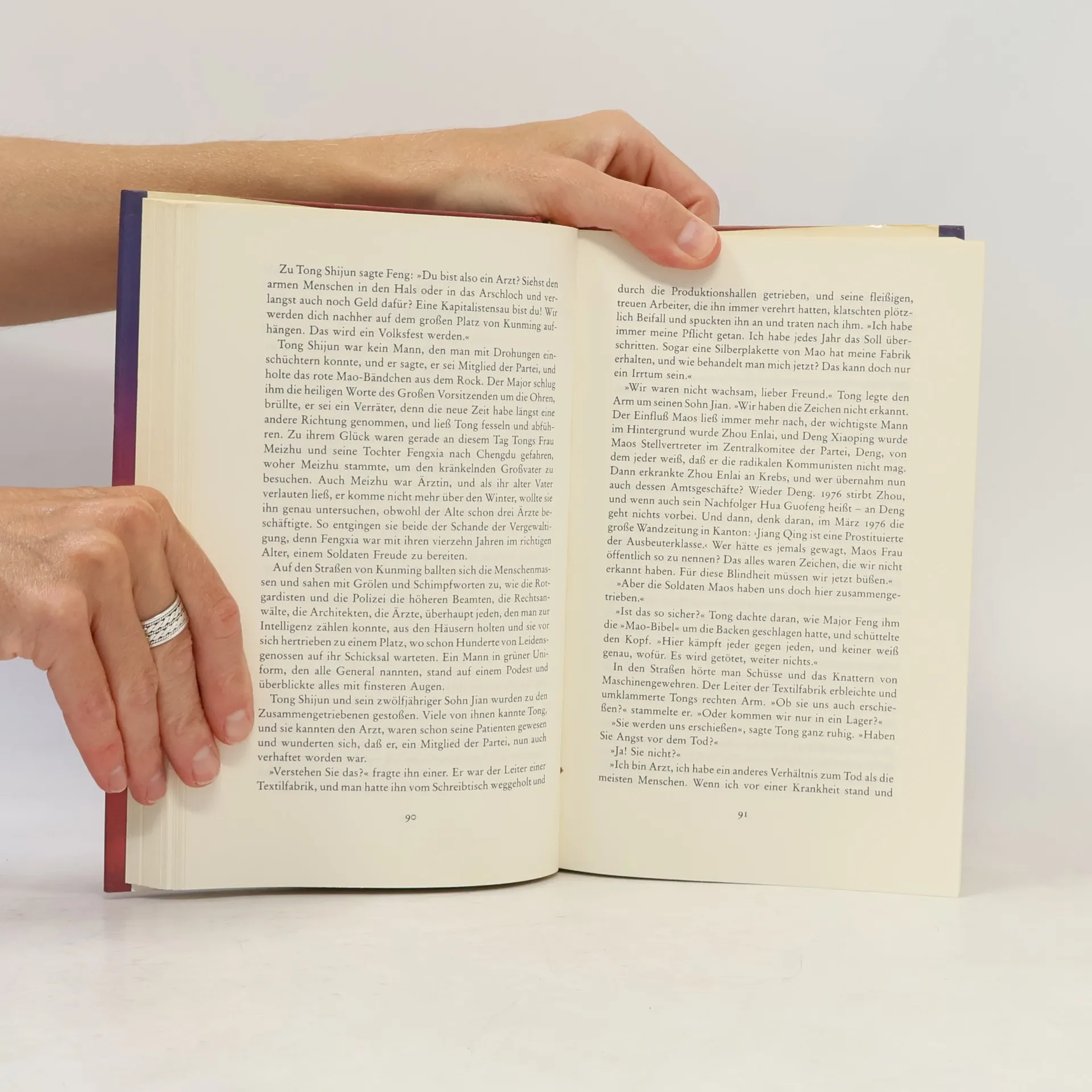
China, 1966. The Middle Empire, in the midst of the Cultural Revolution, sees its land stained with the blood of rebels and others resistant to the ideology imposed by Mao. The Red Guards are everywhere, leaving behind death and desolation. In Huili, the teacher Huang owes his salvation to the mere gaze of his daughter, Lida. In Kunming, the professor Tong has survived thanks to his medical skills. His young son, Jian, has managed to protect his mother and sister. One day, he will take over... Lida and Jian crossed paths by chance in a market. They are made for each other: they recognized and loved each other. But communism has not abolished ancestral traditions. It is forbidden for a peasant girl to marry the son of a descendant of the mandarins! The family is there, more powerful than ever. Will it be able to separate those whom love has united?


Een boek kopen
Der Jade- Pavillon, Heinz Günther Konsalik
- Taal

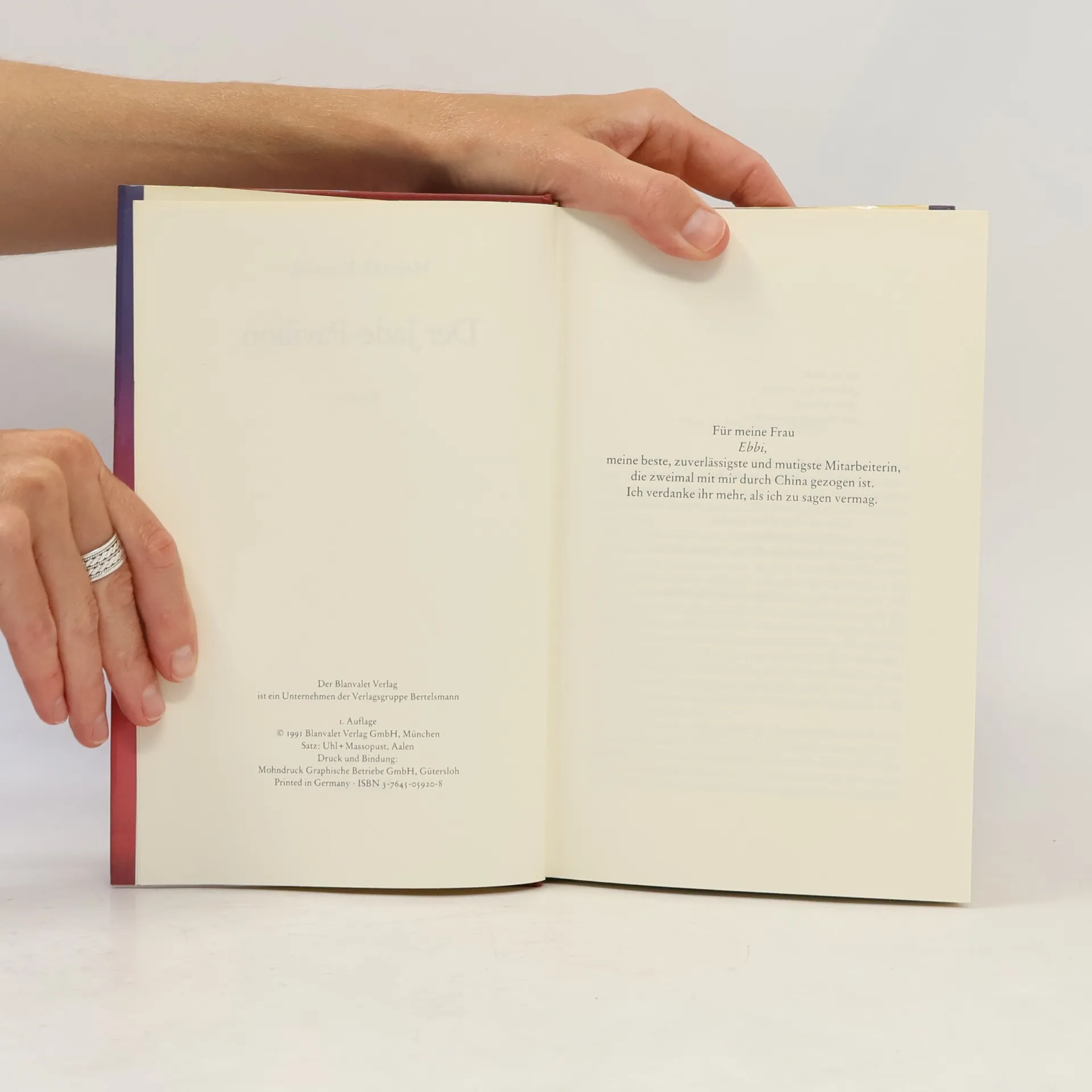
- Jaar van publicatie
- 1991
- Bindwijze
- (Hardcover),
- Staat van het boek
- Goed
- Prijs
- € 0,39
Betaalmethoden
We missen je recensie hier.
- Titel
- Der Jade- Pavillon
- Taal
- Engels
- Auteurs
- Heinz Günther Konsalik
- Jaar van publicatie
- 1991
- Formaat
- Hardcover
- ISBN10
- 3764559209
- ISBN13
- 9783764559205
- Reeks
- Categorieën
- Beoordeling
- 3,55 van 5
- Aantekening
- China, 1966. The Middle Empire, in the midst of the Cultural Revolution, sees its land stained with the blood of rebels and others resistant to the ideology imposed by Mao. The Red Guards are everywhere, leaving behind death and desolation. In Huili, the teacher Huang owes his salvation to the mere gaze of his daughter, Lida. In Kunming, the professor Tong has survived thanks to his medical skills. His young son, Jian, has managed to protect his mother and sister. One day, he will take over... Lida and Jian crossed paths by chance in a market. They are made for each other: they recognized and loved each other. But communism has not abolished ancestral traditions. It is forbidden for a peasant girl to marry the son of a descendant of the mandarins! The family is there, more powerful than ever. Will it be able to separate those whom love has united?