

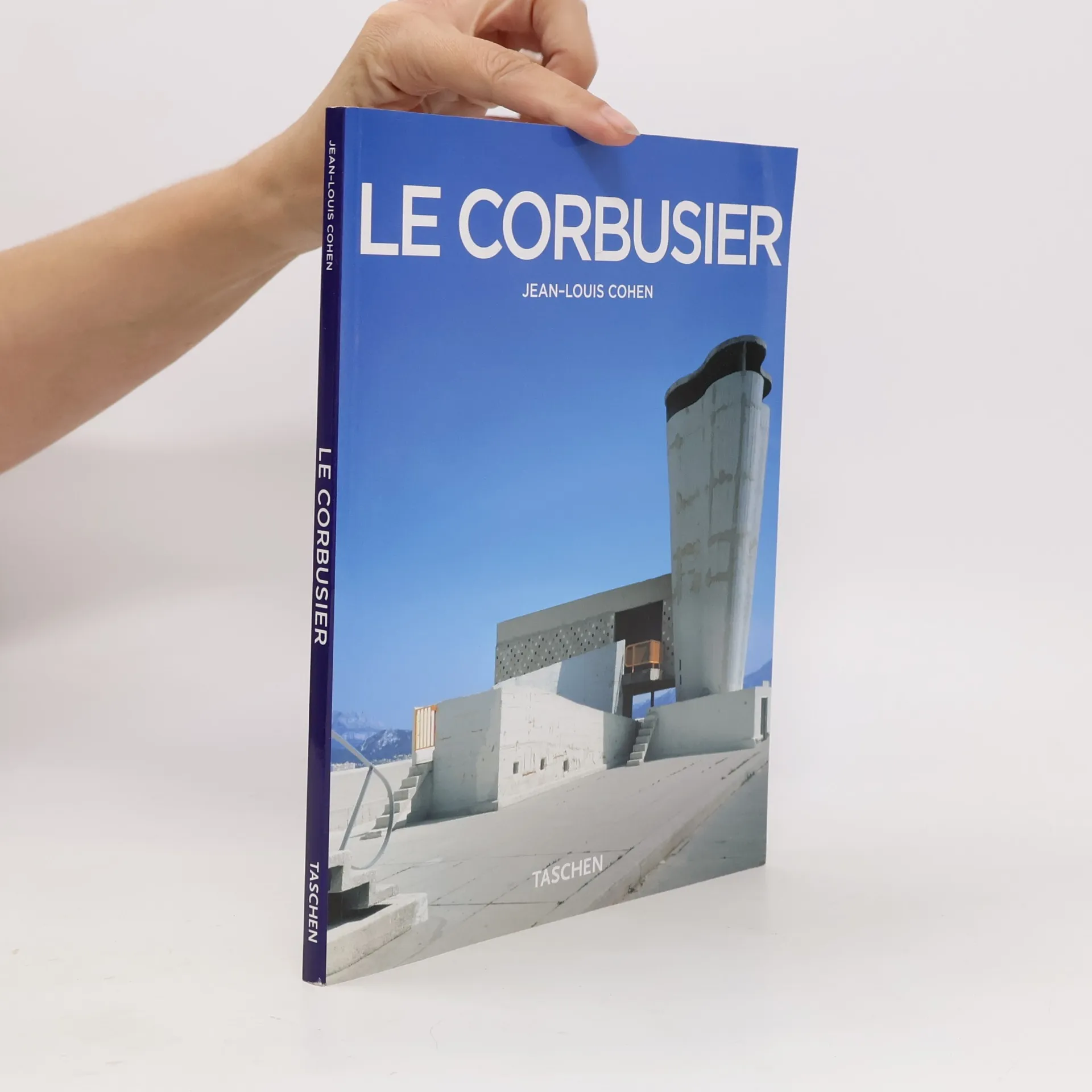
Le Corbusier, 1887-1965
Lyrische architectuur in het machinetijdperk
Auteurs
Boekbeoordeling
Parameters
- 96bladzijden
- 4 uur lezen
Meer over het boek
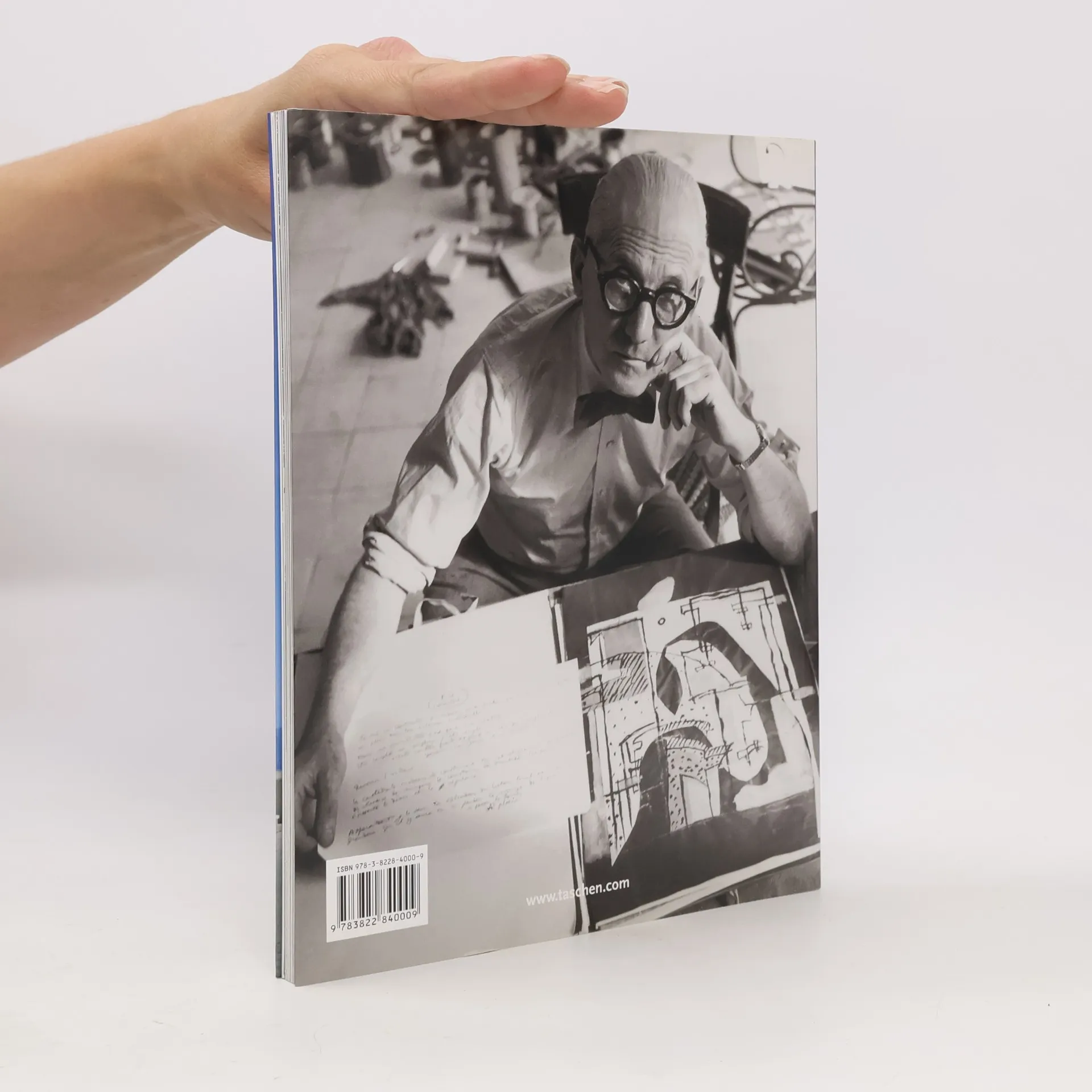
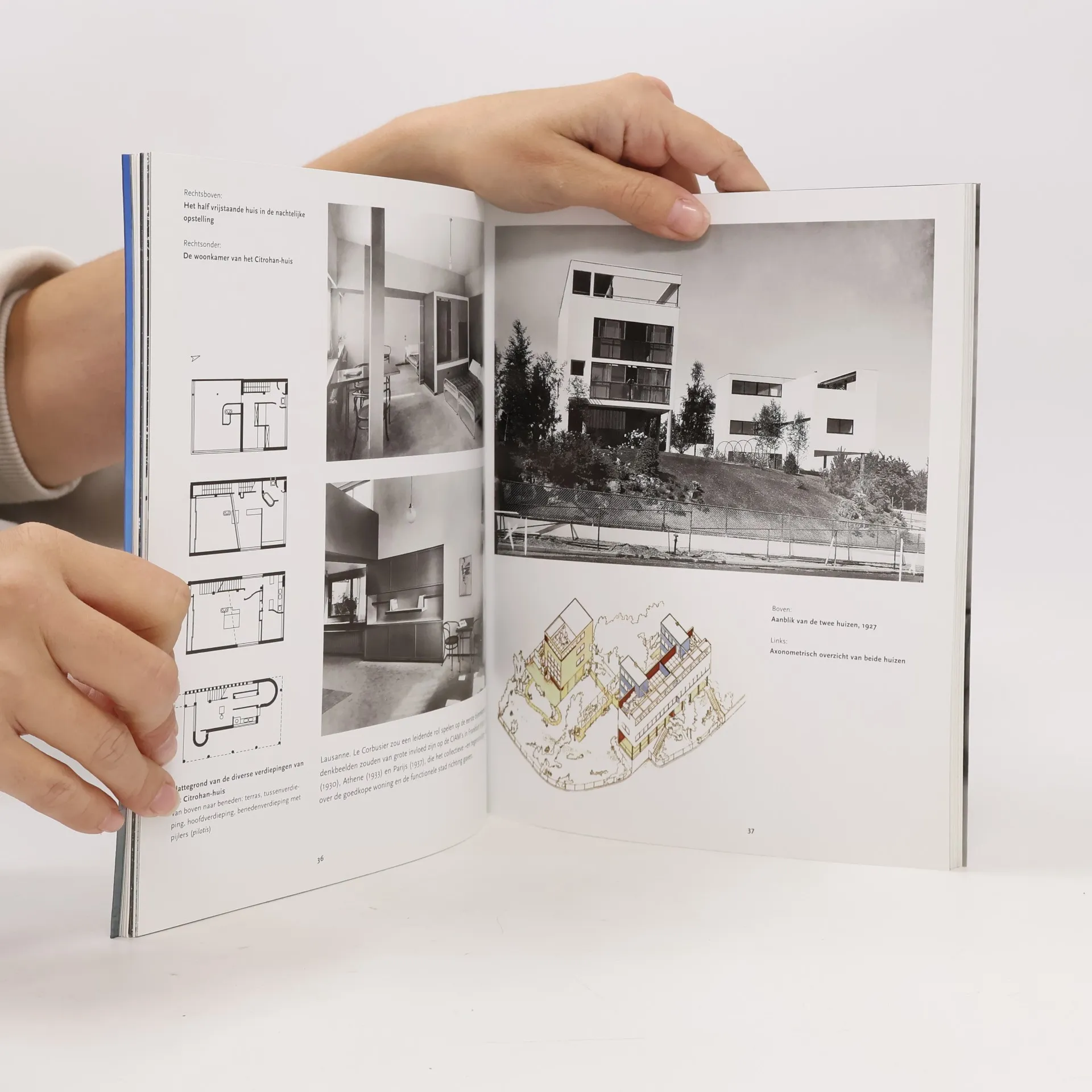
Architectural poetry in the machine age Born Charles-Edouard Jeanneret, Le Corbusier (1887-1965) adopted his famous pseudonym after publishing his ideas in the review L'Esprit Nouveau in 1920. The few buildings he was able to design during the 1920s, when he also spent much of his time painting and writing, brought him to the forefront of modern architecture, though it wasn't until after World War II that his epoch-making buildings were constructed, such as the Uniti d'Habitation in Marseilles and the Church of Notre Dame du Haut in Ronchamp. Basic Architecture features: Each title contains approximately 120 images, including photographs, sketches, drawings, and floor plans Introductory essays explore the architect's life and work, touching on family and background as well as collaborations with other architects The body presents the most important works in chronological order, with descriptions of client and/or architect wishes, construction problems, and resolutions.


Een boek kopen
Le Corbusier, 1887-1965, Jean Cohen
- Taal

- Jaar van publicatie
- 1999
- Bindwijze
- (Paperback),
- Staat van het boek
- Zeer goed
- Prijs
- € 6,89
Betaalmethoden
We missen je recensie hier.
- Titel
- Le Corbusier, 1887-1965
- Ondertitel
- Lyrische architectuur in het machinetijdperk
- Taal
- Nederlands
- Auteurs
- Jean Cohen
- Uitgever
- Taschen
- Jaar van publicatie
- 1999
- Formaat
- Paperback
- Aantal pagina's
- 96
- ISBN10
- 3822840009
- ISBN13
- 9783822840009
- Categorieën
- Tags
- Historisch thema, Kunst, Architectuur, 20e Eeuw, School, Kunstgeschiedenis, Hogeschool, universiteit, Lerares, leraren, professoren, Huizen, Villa's, Residenties
- Oorspronkelijke titel
- Le Corbusier
- Beoordeling
- 4 van 5
- Aantekening
- Architectural poetry in the machine age Born Charles-Edouard Jeanneret, Le Corbusier (1887-1965) adopted his famous pseudonym after publishing his ideas in the review L'Esprit Nouveau in 1920. The few buildings he was able to design during the 1920s, when he also spent much of his time painting and writing, brought him to the forefront of modern architecture, though it wasn't until after World War II that his epoch-making buildings were constructed, such as the Uniti d'Habitation in Marseilles and the Church of Notre Dame du Haut in Ronchamp. Basic Architecture features: Each title contains approximately 120 images, including photographs, sketches, drawings, and floor plans Introductory essays explore the architect's life and work, touching on family and background as well as collaborations with other architects The body presents the most important works in chronological order, with descriptions of client and/or architect wishes, construction problems, and resolutions.