



Americans, 1940 - 2006
Meer over het boek
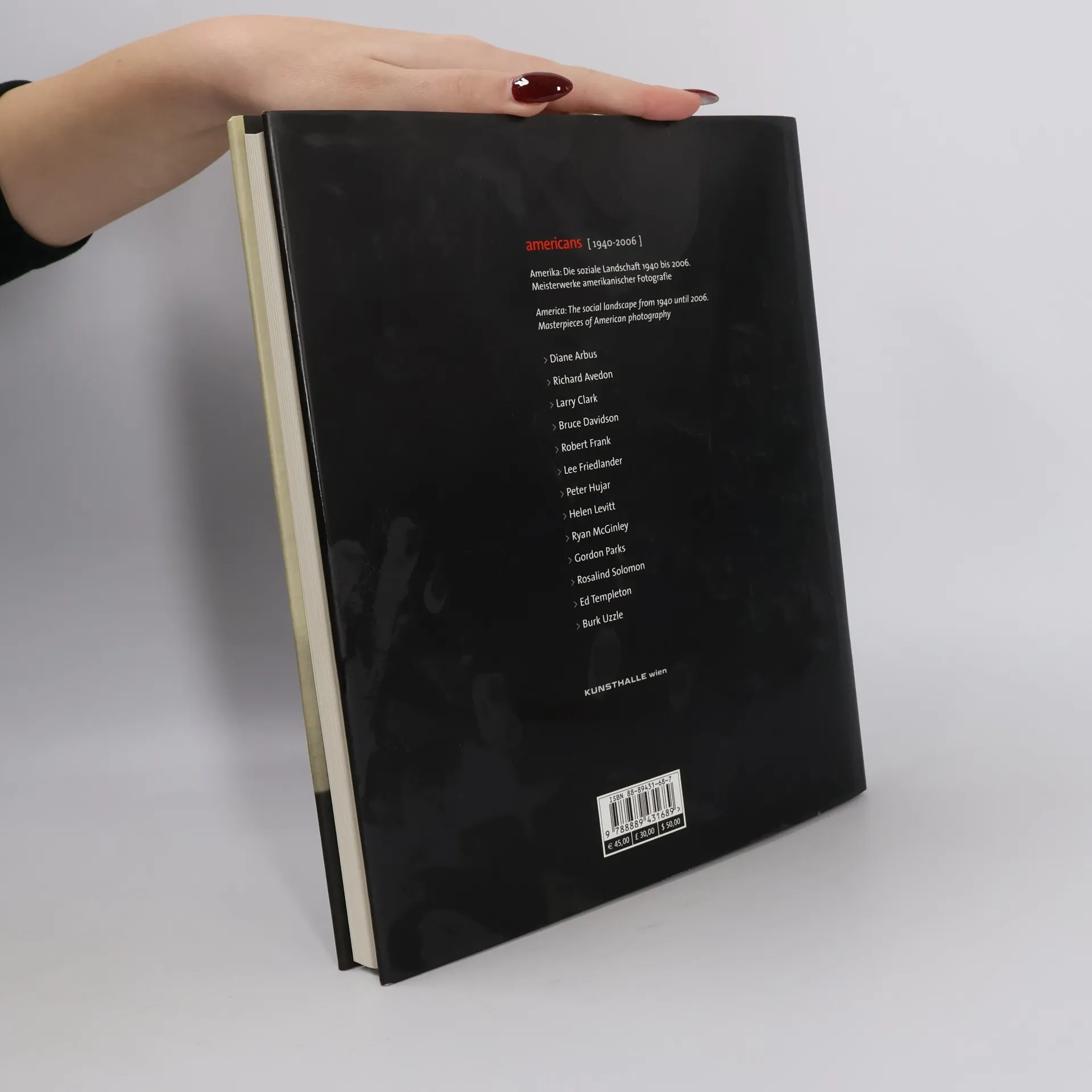
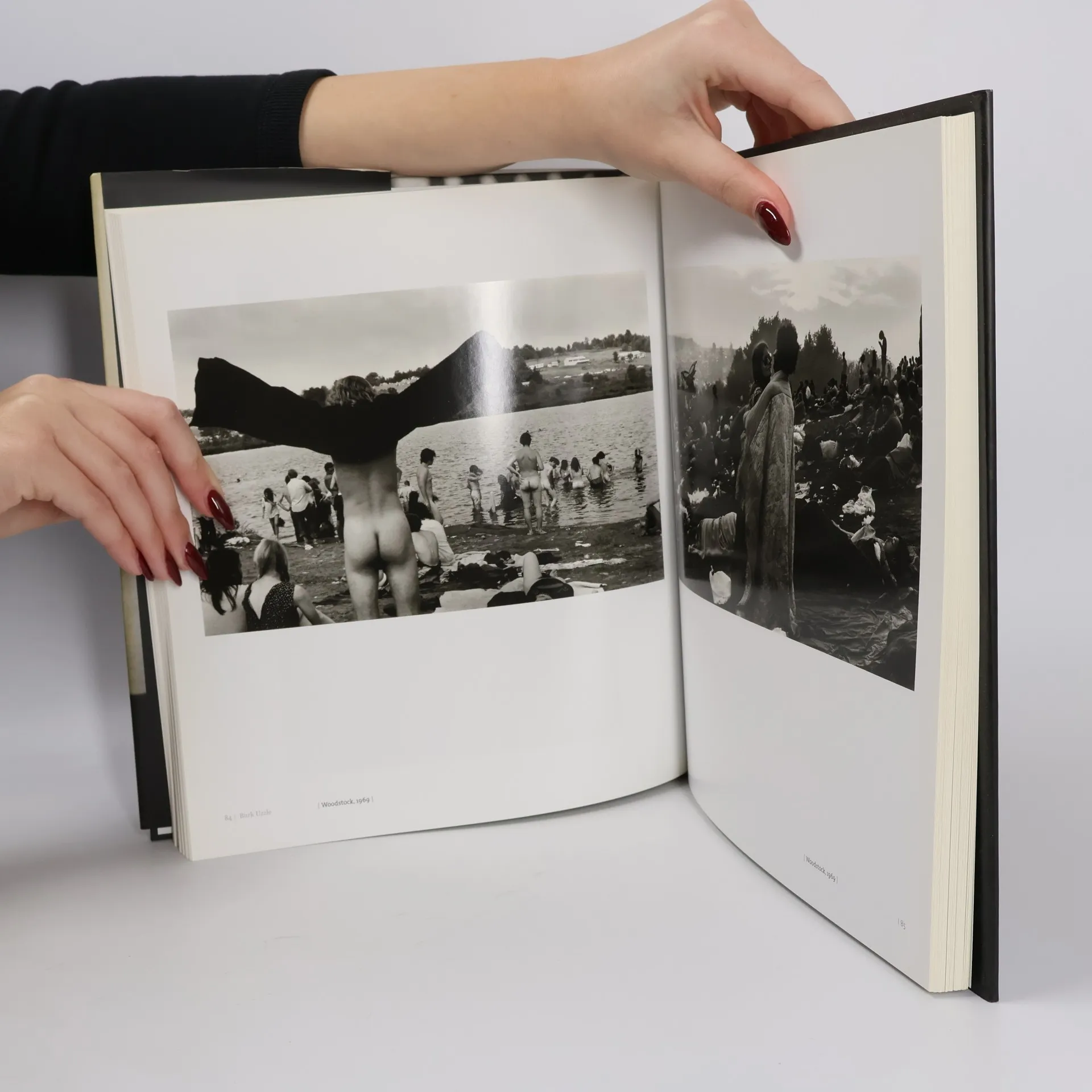
A bakers' dozen of the best photographers of the past hundred years, from Helen Levitt and Gordon Parks to Nan Goldin and Ryan McGinley, are brought together here in a series of portfolios expanding on Robert Frank's Americans . Together they consider generations of social upheavals, crises, and shifts in U.S. society, responding to societal problems with attitudes from concerned to ecstatic. Helen Levitt's East Village and Bruce Davidson's are the same, and yet nothing alike, as are Richard Avedon's Texas and Rosalind Solomon's New Orleans, Diane Arbus's periphery and Lee Friedlander's loneliness at the center of the world, Peter Hujar's transsexuals and Larry Clark's boys. While the "concerned photography" of the mid-twentieth century can seem to demand the acceptance of the nonconformist behavior it tracks, and the recognition of social ills, the most recent contributions here avoid those moral undertones, documenting the hedonistic cult of youth, its promiscuity and ideology of fun. They do not judge but may provoke viewers into their own judgments, and always to thought.
Een boek kopen
Americans, 1940 - 2006, Richard Avedon, Peter Weiermair, Gerald Matt, Lee Friedlander
- Taal
- Jaar van publicatie
- 2006
- Bindwijze
- (Hardcover),
- Staat van het boek
- Goed
- Prijs
- € 16,99
Betaalmethoden
Nog niemand heeft beoordeeld.
- Titel
- Americans, 1940 - 2006
- Uitgever
- Damiani
- Jaar van publicatie
- 2006
- Formaat
- Hardcover
- Aantal pagina's
- 200
- ISBN10
- 8889431687
- ISBN13
- 9788889431689
- Reeks
- Categorieën
- Aantekening
- A bakers' dozen of the best photographers of the past hundred years, from Helen Levitt and Gordon Parks to Nan Goldin and Ryan McGinley, are brought together here in a series of portfolios expanding on Robert Frank's Americans . Together they consider generations of social upheavals, crises, and shifts in U.S. society, responding to societal problems with attitudes from concerned to ecstatic. Helen Levitt's East Village and Bruce Davidson's are the same, and yet nothing alike, as are Richard Avedon's Texas and Rosalind Solomon's New Orleans, Diane Arbus's periphery and Lee Friedlander's loneliness at the center of the world, Peter Hujar's transsexuals and Larry Clark's boys. While the "concerned photography" of the mid-twentieth century can seem to demand the acceptance of the nonconformist behavior it tracks, and the recognition of social ills, the most recent contributions here avoid those moral undertones, documenting the hedonistic cult of youth, its promiscuity and ideology of fun. They do not judge but may provoke viewers into their own judgments, and always to thought.