

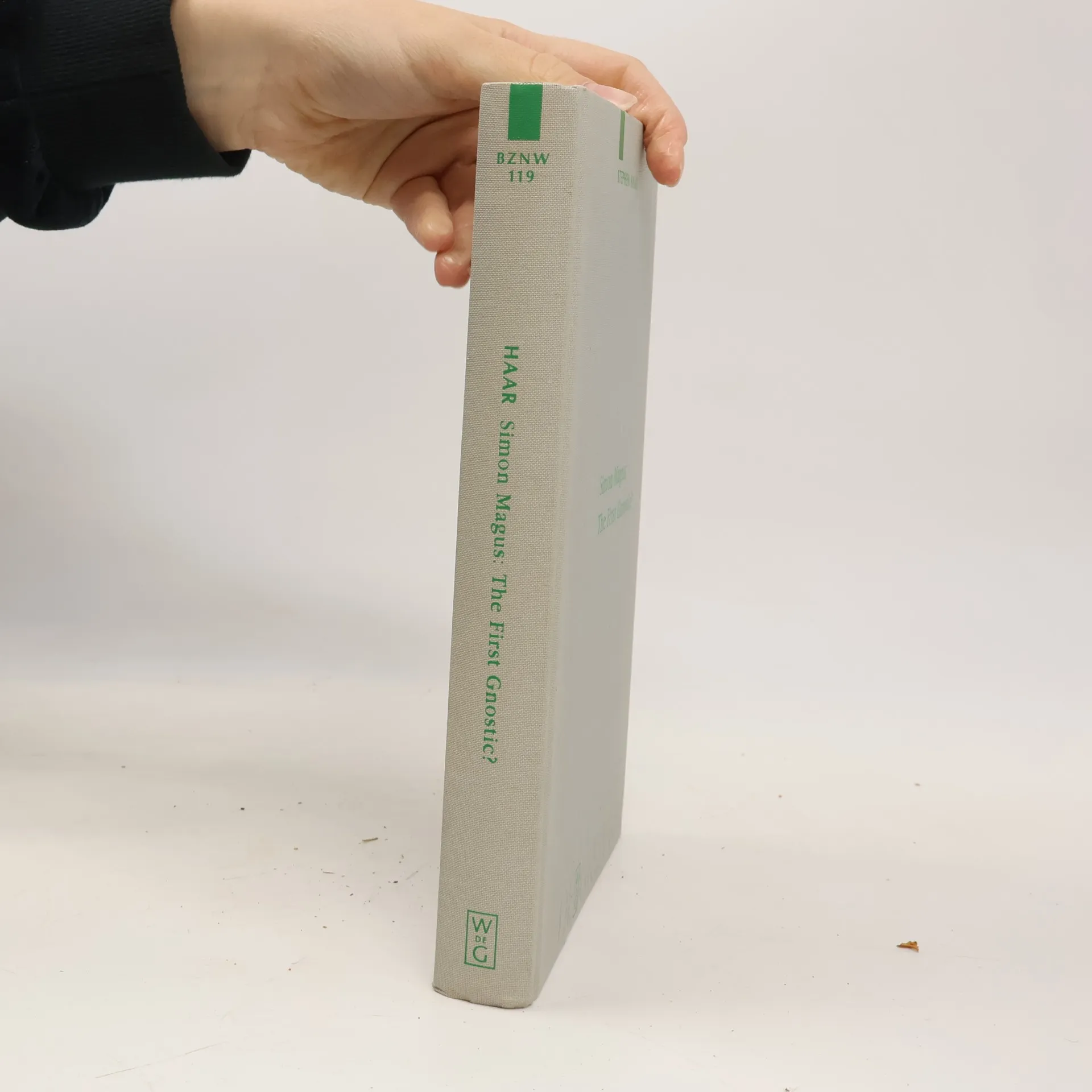



Beihefte zur Zeitschrift für die Neutestamentliche Wissenschaft und die Kunde der Älteren Kirche - 119: Simon Magus
The First Gnostic?
Auteurs
Meer over het boek
This latest comprehensive work on Simon Magus lends new impetus to the investigation of Early Christianity and questions surrounding the origin and nature of Gnosticism. Major contributions of this study (1), a departure from thetraditional exegesis of Acts 8, 5-24 (the first narrative source of Simon), and the later following reports of ancient Christianwriters; (2), an overview of the literature of Graeco-Roman antiquity to determine the contribution of "magic" and"the Magoi" in the development of perceptions and descriptions of Simon; and (3), the inclusion of social scienceexplanation models and modern estimations of "identity", in a creative approach to questions surrounding the phenomenon of Simon.
Een boek kopen
Beihefte zur Zeitschrift für die Neutestamentliche Wissenschaft und die Kunde der Älteren Kirche - 119: Simon Magus, Stephen Charles Haar
- Taal

- Jaar van publicatie
- 2003
- Bindwijze
- (Hardcover),
- Staat van het boek
- Beschadigd
- Prijs
- € 126,99
Betaalmethoden
Nog niemand heeft beoordeeld.
- Titel
- Beihefte zur Zeitschrift für die Neutestamentliche Wissenschaft und die Kunde der Älteren Kirche - 119: Simon Magus
- Ondertitel
- The First Gnostic?
- Taal
- Engels
- Auteurs
- Stephen Charles Haar
- Uitgever
- De Gruyter
- Jaar van publicatie
- 2003
- Formaat
- Hardcover
- Aantal pagina's
- 408
- ISBN10
- 3110176890
- ISBN13
- 9783110176896
- Reeks
- Tags
- Historisch thema, Religieuze onderwerpen, Christelijke thema's, Magie, Theologie, Bijbel, Inspiratie, Ethiek, Nieuwe Testament, Sekten en Culten, Geschiedenis van de religies, Vroeg Christendom, Gnosticisme, gnosis, Klankleer, fonologie
- Aantekening
- This latest comprehensive work on Simon Magus lends new impetus to the investigation of Early Christianity and questions surrounding the origin and nature of Gnosticism. Major contributions of this study (1), a departure from thetraditional exegesis of Acts 8, 5-24 (the first narrative source of Simon), and the later following reports of ancient Christianwriters; (2), an overview of the literature of Graeco-Roman antiquity to determine the contribution of "magic" and"the Magoi" in the development of perceptions and descriptions of Simon; and (3), the inclusion of social scienceexplanation models and modern estimations of "identity", in a creative approach to questions surrounding the phenomenon of Simon.