

For the first time in paperback, the classic, bestselling memoir of Richard Nixon's chief foreign policy advisor číst celé
Memoires van Henry Kissinger Reeks
Deze memoirensaga biedt een ongekend kijkje achter de schermen van het Amerikaanse buitenlandse beleid in een cruciaal tijdperk. De auteur, een sleutelfiguur in de wereldwijde diplomatie, beschrijft nauwgezet zijn ervaringen en strategische manoeuvres. De serie biedt diepgaande inzichten in onderhandelingen met wereldleiders en de aanpak van crises die de moderne geschiedenis hebben gevormd. Het is een boeiende lectuur over de kunst van diplomatie en staatsmanschap uit de eerste hand.

Aanbevolen leesvolgorde
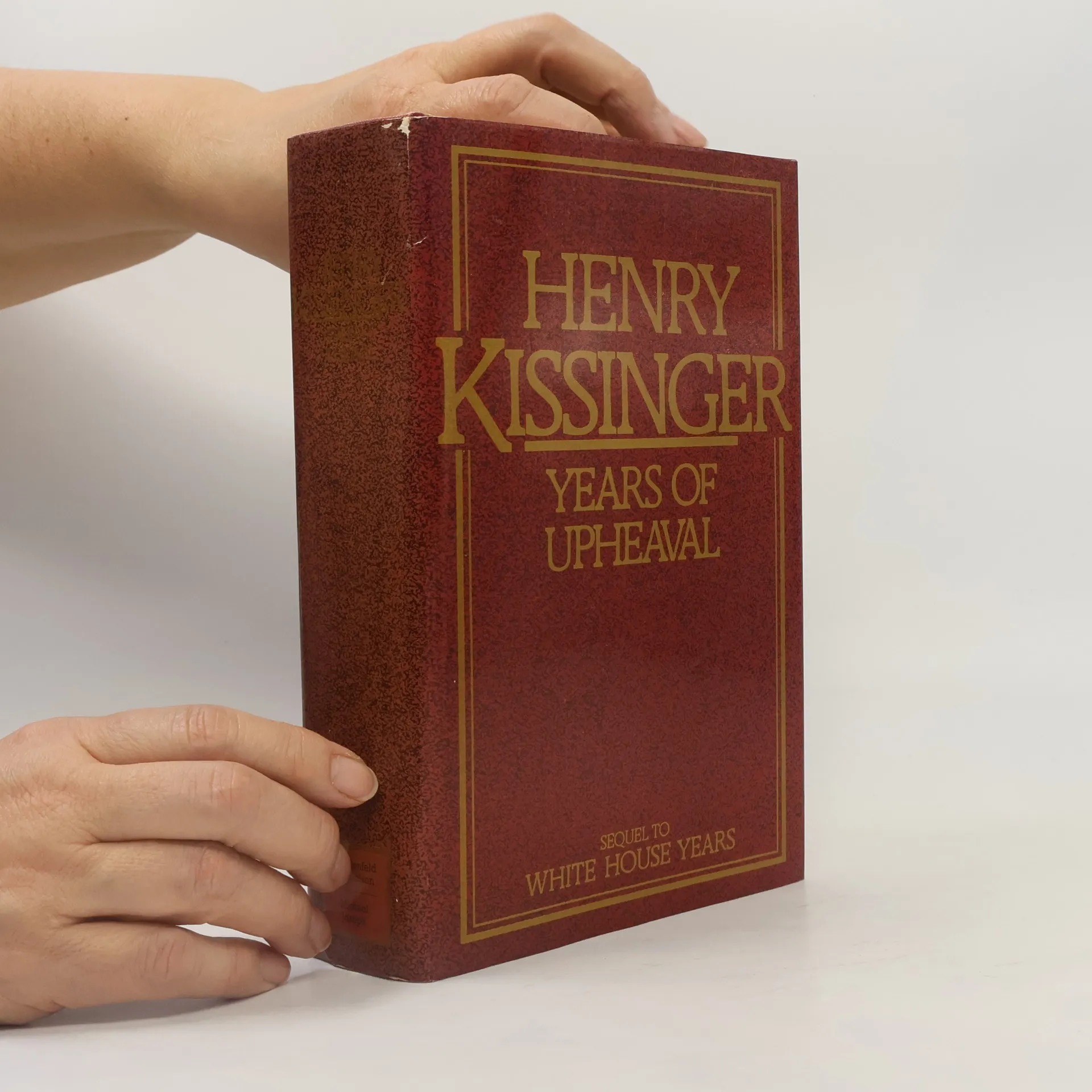
In Years of Upheaval Henry Kissinger recalls the turbulent years of the second Administration of Richard Nixon, which began on 20 January 1973. Two momentous events and their consequences dominate this account: the Watergate scandal, and the 1973 October war in the Middle East. The books opens at the Western White House on a summer afternoon in August of that year, when Dr Kissinger is told by the President during a poolside conversation that he is to become Secretary of State. The memories that follow are a rich compendium of his experiences in the months before and after appointment: an eerie trip to Hanoi shortly after the Vietnam cease-fire; efforts to settle the war in Cambodia; two Nixon-Brezhnev summits and the controversy over detente; the Shah of Iran; the oil crisis and the efforts to covercome it; the US airlift to Israel and the military alert during the Middle East war; the origins of shuttle diplomacy; the fall of Salvador Allende in Chile; and the events sur rounding Nixon's resignation. His frank portrait of Nixon's last days is perhaps the most perceptive to date At once illuminating, fascinating, and profound, Years of Upheaval is a lasting contribution to the his
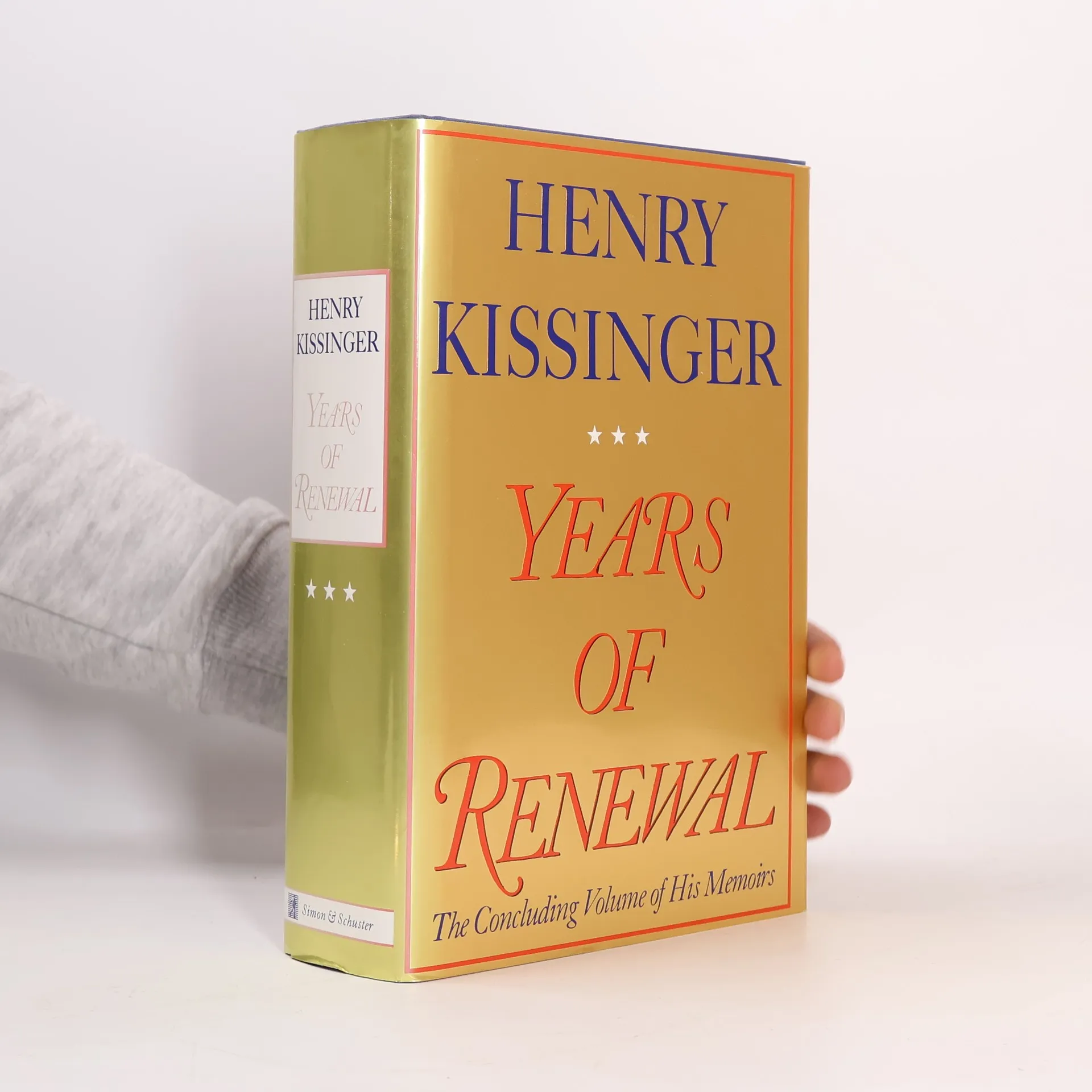
Henry Kissinger, a prominent American diplomat and Nobel Peace Prize winner, is a key figure in contemporary history and American foreign policy. The final volume of his memoirs serves as both a historical document and a compelling narrative filled with insights and candor. It begins with Nixon's resignation, offering Kissinger's assessment of Nixon's complex personality and the tragedy that marked his presidency, which briefly elevated Kissinger to immense power. The narrative then explores Gerald Ford's administration, portraying him as a man of decency and courage who guided the nation through renewal. Kissinger reflects on the painful U.S. withdrawal from Vietnam amidst a hostile Congress and a weakened intelligence community, presenting a vivid account of crises such as the fall of Cambodia and South Vietnam, the Mayaguez incident, and tensions between Greece and Turkey. He details pivotal moments in American foreign policy during Ford's era, including his shuttle diplomacy that fostered peace between Egypt and Israel, the Vladivostok meeting with Brezhnev on nuclear limitations, and the complex U.S.-China dialogue. The memoir also covers Kissinger's initiatives in Africa and U.S. policies in the Americas, offering candid portraits of global leaders, from Mao Zedong to Brezhnev. This work combines scholarship, wisdom, and firsthand experience, making it a profound exploration of Cold War history and diplomacy, solidifyi