

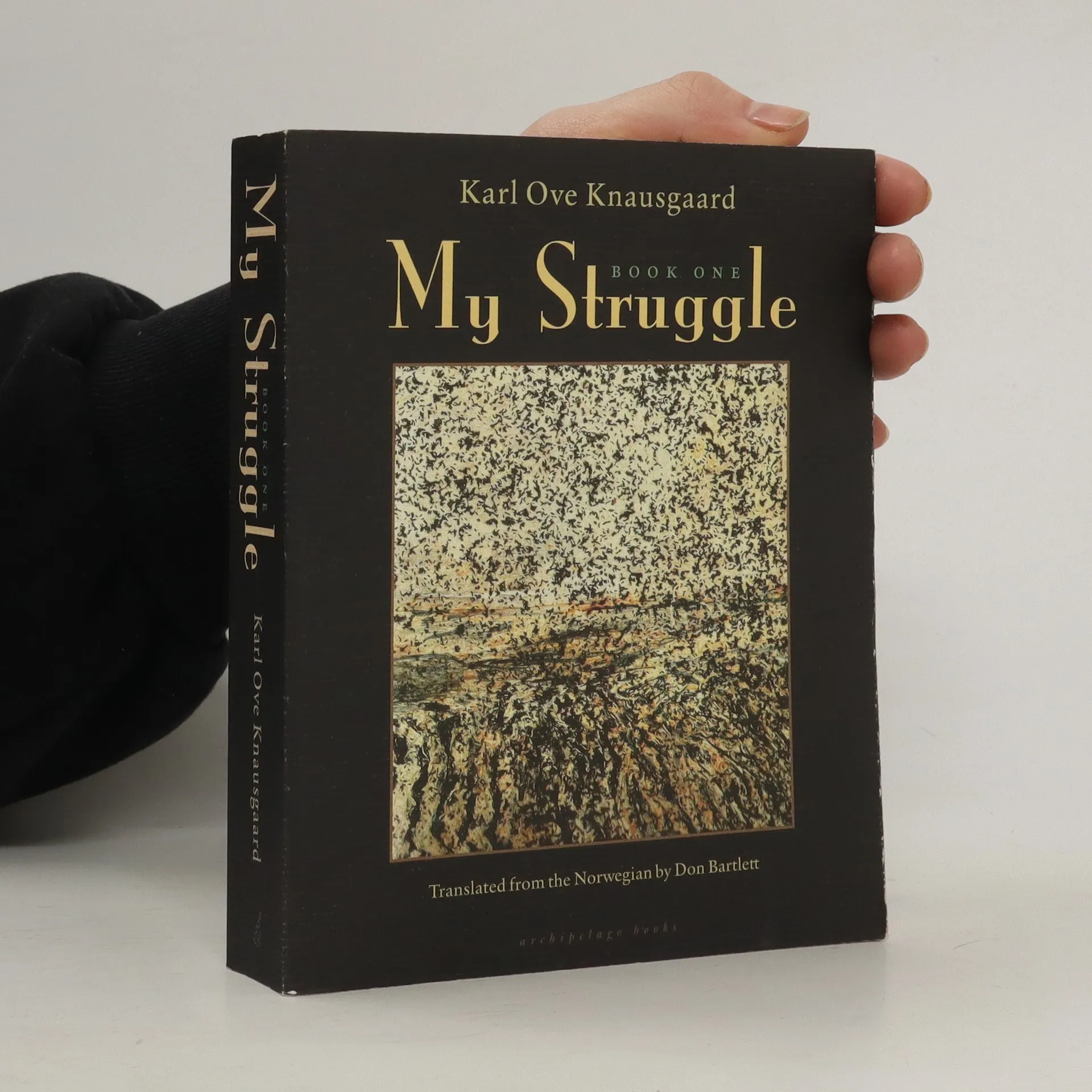
The provocative, audacious, brilliant six-volume autobiographical novel that has unquestionably been the main event of contemporary European literature. It has earned favorable comparisons to its obvious literary forebears "A la recherche du temps perdu" and "Mein Kampf" but has been celebrated as the rare magnum opus that is intensely, addictively readable.
Mijn strijd Reeks
Deze uitgestrekte autobiografische saga duikt in de kleinigheden van het dagelijks bestaan, en verkent de diepten van familierelaties met rauwe eerlijkheid. De auteur navigeert door herinneringen aan de kindertijd, adolescentie en de vorming van het zelf met een ongefilterde, intense proza. Het is een diepgaande verkenning van het vinden van betekenis in het alledaagse en het omgaan met universele thema's als sterfelijkheid, liefde en verbondenheid. De hele serie vormt een ambitieus literair project dat ernaar streeft de essentie van het leven zelf vast te leggen.

Aanbevolen leesvolgorde
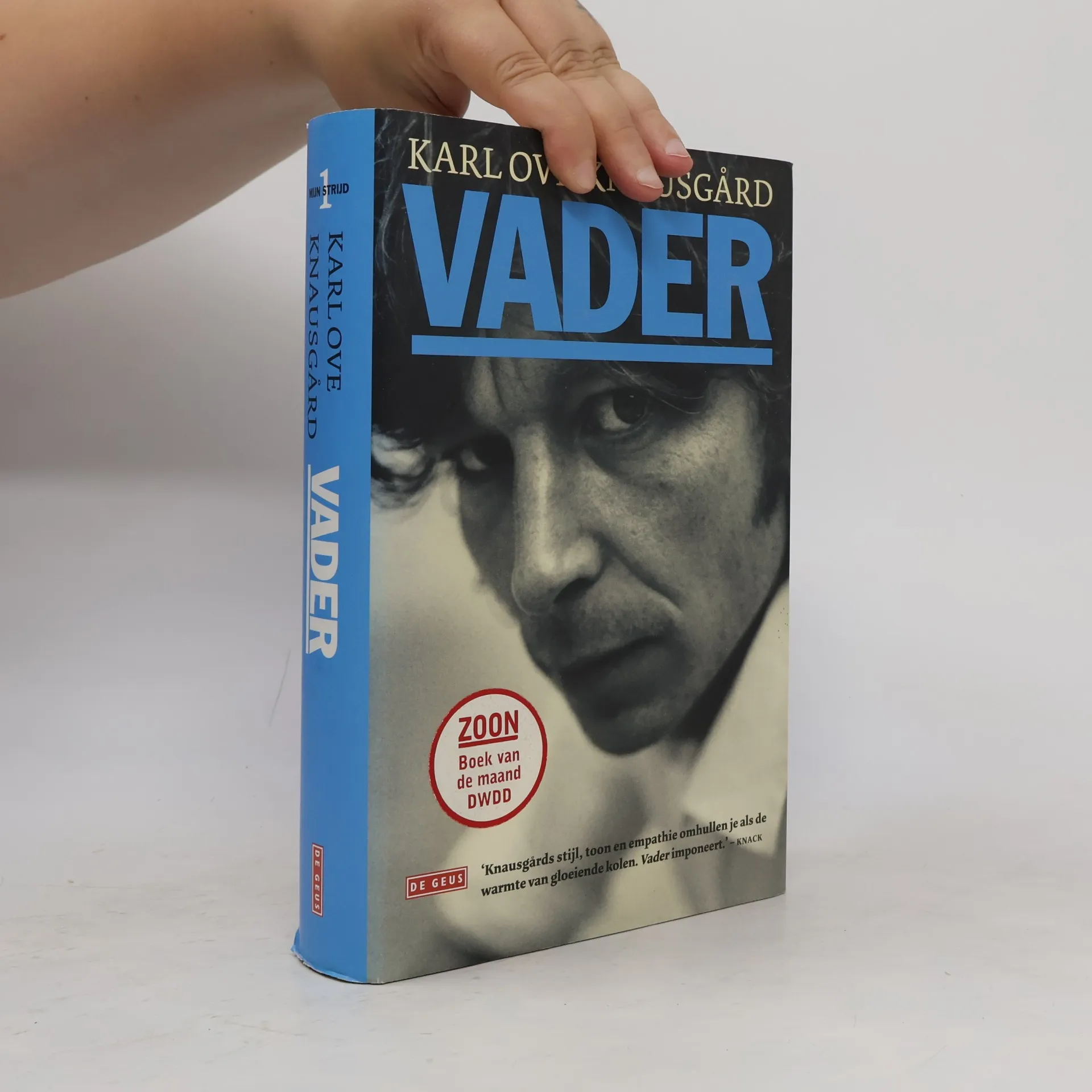
Vader
- 445bladzijden
- 16 uur lezen
In het autobiografische en goudeerlijke 'Vader' probeert de Noor Karl Ove Knausgård de dood van zijn vader te verwerken. De schrijver klokt af op een kloeke 445 pagina's. Het is daarmee het dunste boek van zijn zes delen en 3.400 pagina's tellende romancyclus 'Mijn strijd'. Hoofdonderwerp is het leven van de schrijver en de dood van zijn vader. Het leven dat het boek beschrijft is bijna doordeweeks, maar het relaas bepaald ambitieus.
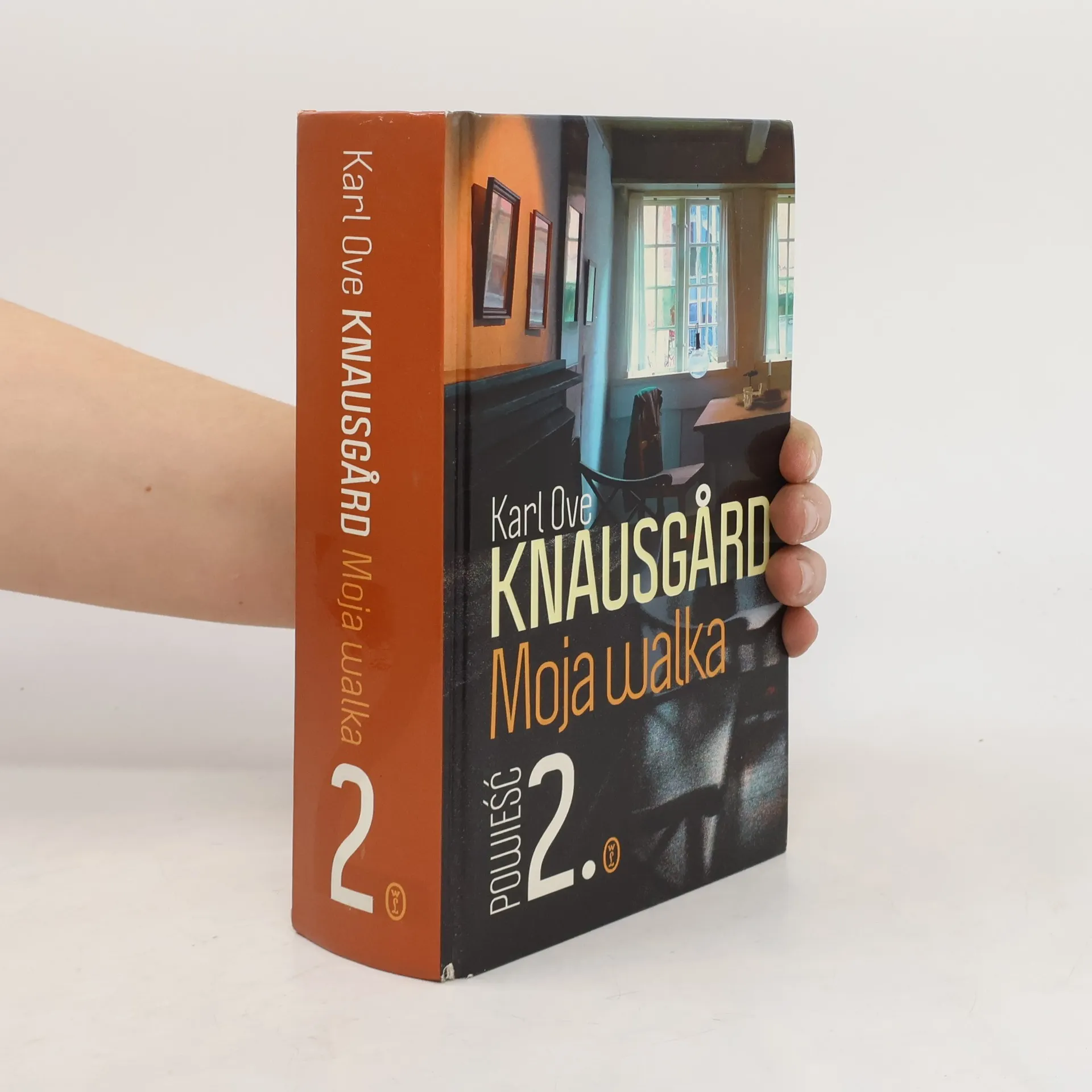
Co czuje mężczyzna, który odchodzi? Porzuca kobietę, dom i rodzinę. Opuszcza kraj, wybierając los samotnego banity, i buduje swoje życie od nowa. Zagubiony na ulicach Sztokholmu spotyka… ją, Lindę. I zaczyna raz jeszcze. Miłość, partnerstwo, ojcostwo. Wzloty i kryzysy. Magiczne chwile i szara codzienność. Wszystko oddane z bezwzględną szczerością i brutalnym realizmem, by spróbować odpowiedzieć na kluczowe pytania: o miłość, relacje z innymi ludźmi, o istotę pisarstwa oraz o to, jak stajemy się samymi sobą. Knausgård dostarcza czytelnikowi, brakującego dotychczas w literaturze, spojrzenia w głąb męskiej psychiki. I wciąga. I nie pozwala się oderwać.
Zoon
- 443bladzijden
- 16 uur lezen
Op een milde augustusdag in 1969 betrekt een jong gezin met hun twee zoons hun nieuwe huis op Tromøya in Zuid-Noorwegen. Dit is de plek waar Karl Ove, dan nog geen jaar oud, zijn kindertijd door zal brengen. Het zullen lange jaren zijn, gevuld met ontdekkingstochten, meisjes, voetbal en muziek. Maar de idylle heeft ook een keerzijde. De jongen die zo gevoelig lijkt, heeft ook een berekenende en manipulatieve kant - sterk beïnvloed als hij is door het leven in een gezin dat gedomineerd wordt door zijn onvoorspelbare en overheersende vader. Zoon van auteur Karl Ove Knausgård lijkt op een traditionele, enigszins eigenwijze coming-of-ageroman. Maar meer nog is Zoon een complexe en nietsontziende afspiegeling van Karl Ove Knausgård als kleine jongen. Het is meedogenloze zelfkritiek, waarmee hij de lezer wederom weet te fascineren.
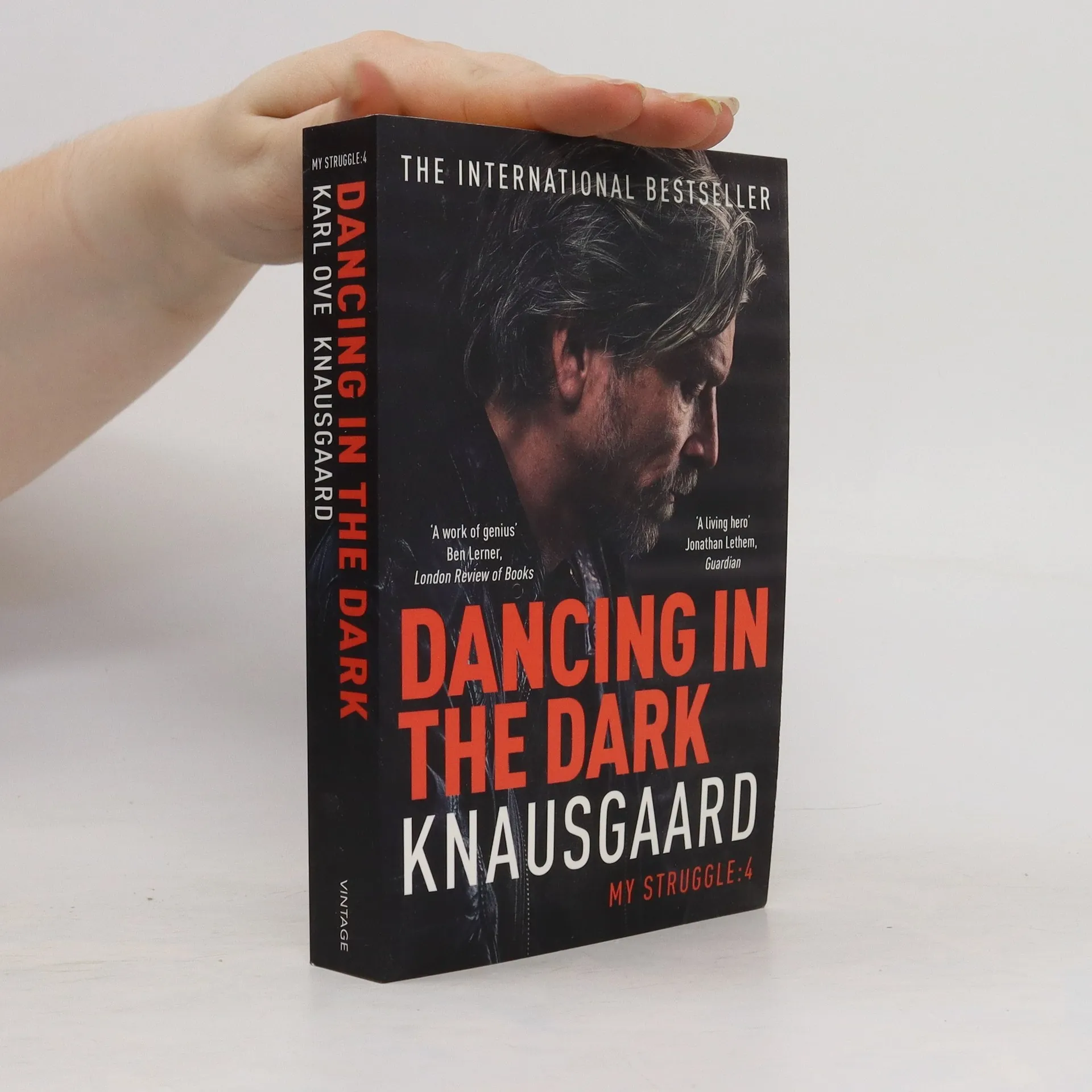
Dancing in the dark. My struggle. Book 4.
- 560bladzijden
- 20 uur lezen
The fourth part of a sensational literary cycle that has been hailed as "perhaps the most important literary enterprise of our times." --Rachel Cusk, Guardian 18 years old and fresh out of high school, Karl Ove Knausgaard moves to a tiny fisherman's village far north of the polar circle to work as a school teacher. He has no interest in the job itself -- or in any other job for that matter. His intention is to save up enough money to travel while finding the space and time to start his writing career. Initially everything looks fine: He writes his first few short stories, finds himself accepted by the hospitable locals and receives flattering attention from several beautiful local girls. But then, as the darkness of the long polar nights start to cover the beautiful landscape, Karl Ove's life also takes a darker turn. The stories he writes tend to repeat themselves, his drinking escalates and causes some disturbing blackouts, his repeated attempts at losing his virginity end in humiliation and shame, and to his own distress he also develops romantic feelings towards one of his 13-year-old students. Along the way, there are flashbacks to his high school years and the roots of his current problems. And then there is the shadow of his father, whose sharply increasing alcohol consumption serves as an ominous backdrop to Karl Ove's own lifestyle.
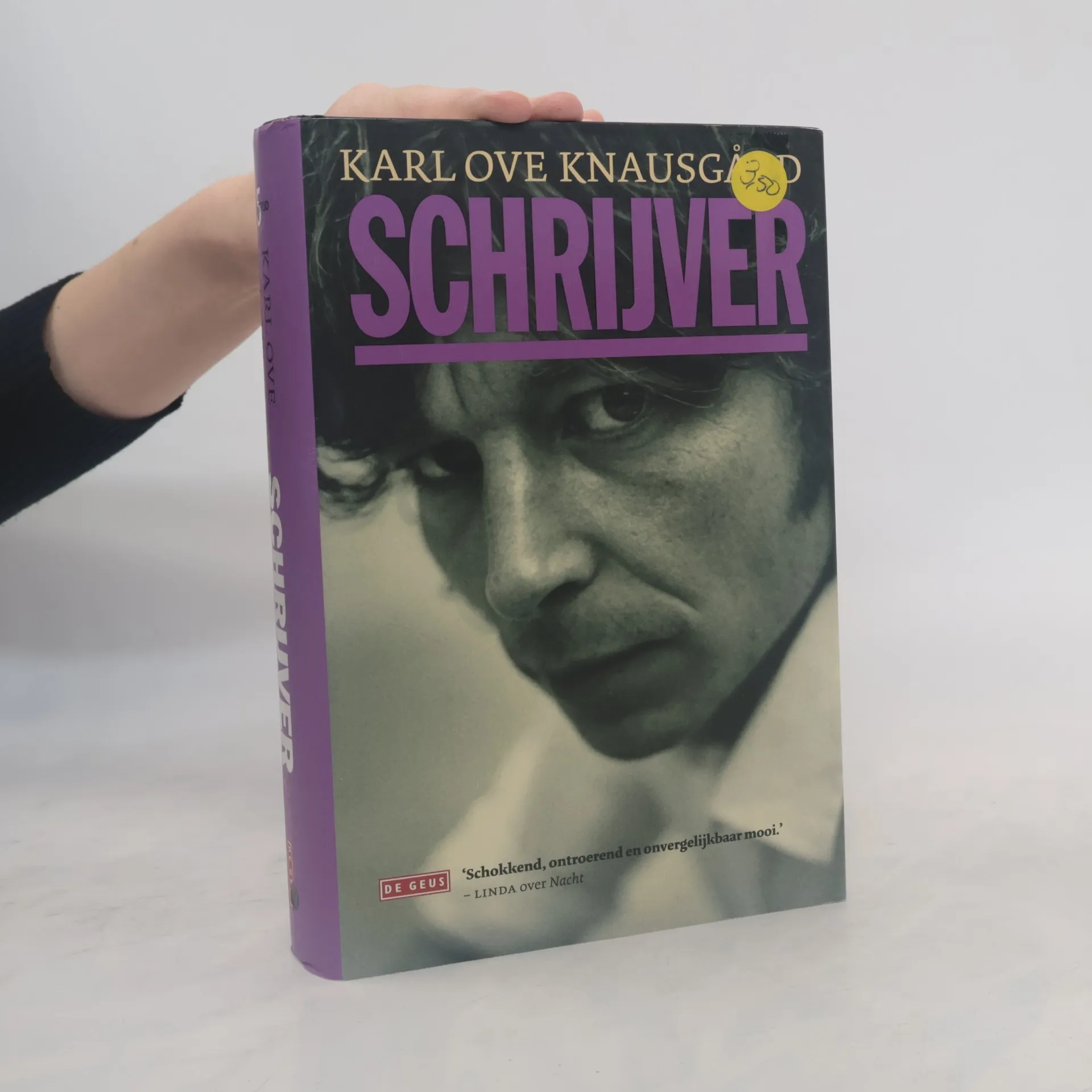
Schrijver
- 636bladzijden
- 23 uur lezen
Op negentienjarige leeftijd verhuist Karl Ove naar Bergen. Vol ambitie en toekomstdromen begint hij met zijn studie aan de schrijversacademie. Het wordt een enorme teleurstelling: het blijkt moeilijker dan gedacht zichzelf opnieuw uit te vinden en zich los te maken van zijn autoritaire vader. Hoewel hij verschillende sterke vriendschappen opbouwt en hij intense liefdesverhoudingen beleeft, blijft zijn talent voor schaamte en zelfkritiek hem achtervolgen. Hij neemt wanhopige en destructieve beslissingen, waardoor hij zichzelf en anderen pijn doet, meestal onder invloed van een flinke hoeveelheid alcohol. Toch houden zijn diepe wens om te schrijven en de liefde voor de paar mensen die dicht bij hem staan hem gaande in een turbulente tijd waarin hij debuteert en zijn vader sterft.
Vrouw
- 1081bladzijden
- 38 uur lezen
In het zesde en laatste deel van de Mijn strijd -reeks, het meesterwerk dat Karl Ove Knausgård wereldberoemd maakte, kijkt de schrijver terug op zijn enorme literaire project: Waarom schreef hij zo onverholen over zichzelf en zijn familie? Wat zijn hiervan de consequenties geweest? Komen zijn herinneringen wel met de werkelijkheid overeen? Op deze belangrijke vragen tracht Knausgård in het eerste gedeelte van het boek op een eerlijke en open wijze een antwoord te vinden. Het tweede deel bevat Knausgårds gedachten over literatuur, taal, geschiedenis, Hitler en het nazisme, en de gruwelijke gebeurtenissen op Utøya. Daarnaast reflecteert hij op de kracht van woorden en de relatie tussen mens en realiteit. Al deze universele onderwerpen worden bijeengebracht tot een diepgaande persoonlijke ervaring wanneer Knausgård over zijn manisch-depressieve vrouw Linda schrijft.
