


Deze serie duikt in rauwe, futuristische stedelijke landschappen waar technologie en maatschappij onlosmakelijk met elkaar verweven zijn. Het verkent de vervaagde grenzen tussen realiteit en de virtuele wereld, met de nadruk op individuen die zich aan de randen van de samenleving bewegen. Lezers kunnen spannende verhalen verwachten vol hackers, bedrijfsspionage en gevaarlijke cybernetische avonturen. Het is een visie op een dystopische toekomst waarin de grenzen van menselijkheid en technologie voortdurend worden uitgedaagd.
Winner of the Hugo, Nebula, and Philip K. Dick Awards Case was the sharpest data thief in the Matrix, until an ex-employer crippled his nervous system. Now a new employer has recruited him for a last-chance run against an unthinkably powerful artificial intelligence. With a mirror-eyed girl street-samurai riding shotgun, he's ready for the silicon-quick, bleakly prophetic adventure that upped the ante on an entire genre of fiction.
William Gibson, author of the extraordinary multiaward-winning novel "Neuromancer," has written his most brilliant and thrilling work to date . . ."The Mona Lisa Overdrive," Enter Gibson's unique world--lyric and mechanical, erotic and violent, sobering and exciting--where multinational corporations and high tech outlaws vie for power, traveling into the computer-generated universe known as cyberspace. Into this world comes Mona, a young girl with a murky past and an uncertain future whose life is on a collision course with internationally famous Sense/Net star Angie Mitchell. Since childhood, Angie has been able to tap into cyberspace "without" a computer. Now, from inside cyberspace, a kidnapping plot is masterminded by a phantom entity who has plans for Mona, Angie, and all humanity, plans that cannot be controlled . . . or even known. And behind the intrigue lurks the shadowy Yakuza, the powerful Japanese underworld, whose leaders ruthlessly manipulate people and events to suit their own purposes . . . or so they think. "From the Paperback edition."
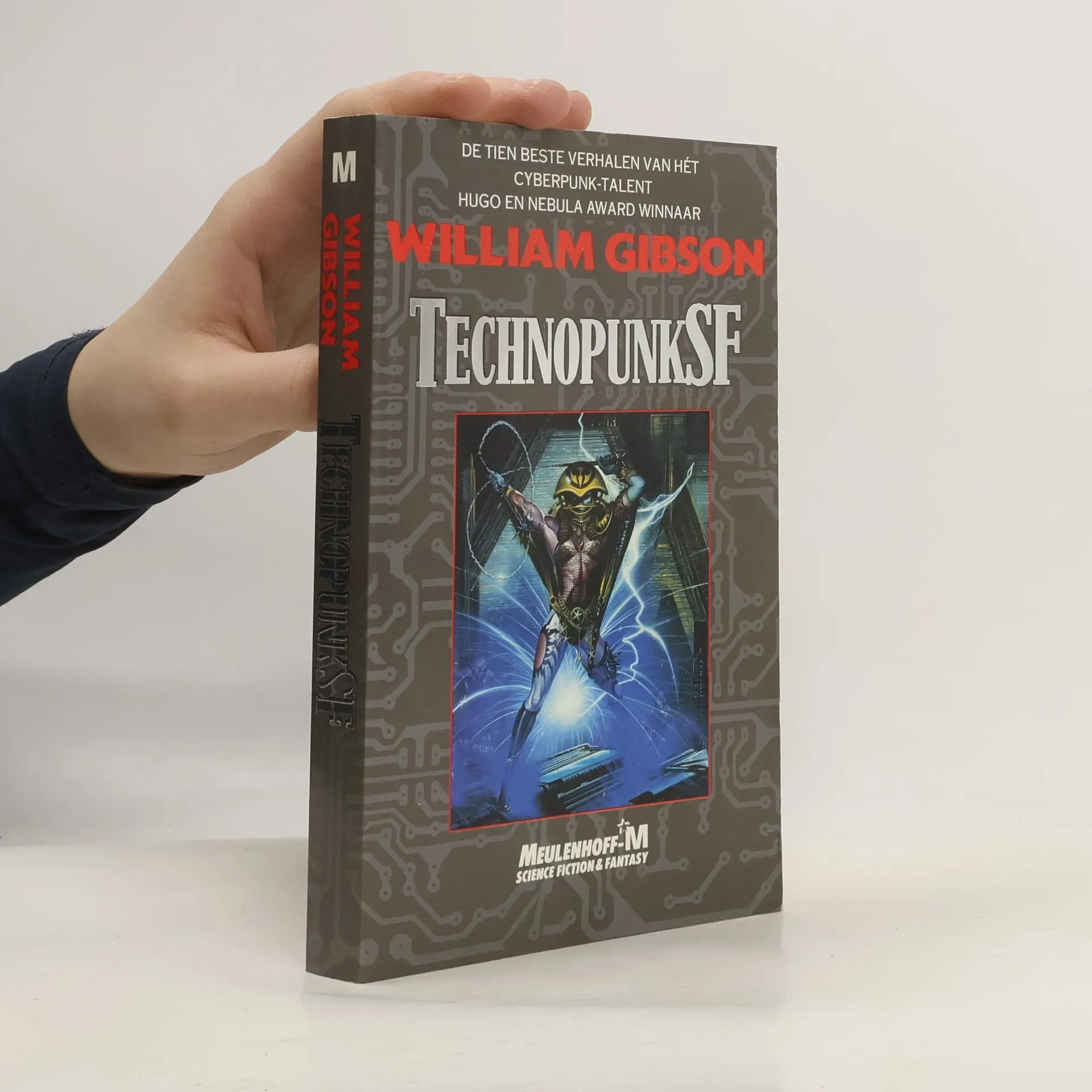
Ten tales, from the computer-enhanced hustlers of Johnny Mnemonic to the technofetishist blues of Burning Chrome . Johnny Mnemonic (1981) The Gernsback Continuum (1981) Fragments of a Hologram Rose (1977) The Belonging Kind (1981) with John Shirley Hinterlands (1981) Red Star, Winter Orbit (1983) with Bruce Sterling New Rose Hotel (1984) The Winter Market (1985) Dogfight (1985) with Michael Swanwick Burning Chrome (1982)
"A mátrix egy világ a világon belül, közmegegyezésre épülő hallucináció, melyet minden országban törvényes felhasználók milliárdjai tapasztalnak meg naponta. A cybertérhez kapcsolódó számítógépek tárolóiból származó adatok grafikus megjelenítése. Hihetetlen komplexitás. Az elme nem-terébe nyújtózó fényvonalak, adatgalaxisok és adatcsillagzatok..." Megrázó erejű vízióival és egyedi hangulatú univerzumával William Gibson a közeljövő egy olyan lehetséges változatát vetítette elénk, mely két évtizeddel első regényének kiadása után lassan megvalósulni látszik. A globális számítógépes hálózatok robbanásszerű fejlődése és a multinacionális cégek befolyásának folyamatos növekedése következtében napjainkban hihetőbbnek tűnik ez a jövőkép, mint korábban bármikor. A Neurománc 1984-es megjelenésével új irányzat született: Gibson bevezetett minket a cyberpunk világába, visszavonhatatlanul megváltoztatva ezzel a science fiction műfaját. Regényével elsőként nyerte el egyszerre a műfaj három legrangosabb elismerését, a Hugo-, a Nebula- és a Philip K. Dick-díjat. A nyitókötetet további két regény követte: a Számláló nullára és a Mona Lisa Overdrive. A három írást most egy kötetben, az első kettőt jelentősen átdolgozott, javított fordításban tárjuk az olvasók elé.
William Gibson zyskał powszechną sławę, jako czołowy przedstawiciel nowej
odmiany science fiction, przenoszącej współczesną technologię (w szczególności
technikę komputerową) w przyszłość rozpadu miast zdegenerowanej obyczajowości
pokoleń postpunkowych. Oto pierwszy tom jego opowiadań. Neuromancer zdobył
wszystkie nagrody, ale największym osiągnięciem Williama Gibsona na zawsze
pozostaną krótsze formy. Opowiadania te, stanowiące jednocześnie elegię i
satyrę społeczną, pokazują sposób, w jaki redefiniuje się dzisiejsza sf.
Gibson jako wirtuoz ścieżek szybkiego przewijania, ukazuje nam drogę, którą
podążyć może literatura.
Was wäre, wenn es hinter dem Computerbildschirm eine riesige Welt gäbe? Eine Welt, die man per Gehirnimplantat betreten und erforschen kann. Und eine Welt, in der man sterben kann ... Mit dieser Romantrilogie erfand William Gibson nicht nur den Begriff »Cyberspace«, sondern er prägte auch unsere Vorstellung vom World Wide Web, das wir heute so selbstverständlich nutzen. Ein epochales Werk, das zu den großen Klassikern der modernen Literatur zählt.