De Tovenaar en de Profeet
twee wetenschappers en hun concurrerende ideeën over een leefbare toekomst op onze planeet
- 542bladzijden
- 19 uur lezen

4,2


Charles C. Mann is een gevierd auteur wiens werk diep ingaat op de kruising van geschiedenis, wetenschap en de menselijke samenleving. Door zijn journalistieke aanpak ontrafelt hij complexe verhalen en onderzoekt hij hoe wetenschappelijke ontdekkingen en technologische vooruitgang menselijke beschavingen en hun toekomst hebben gevormd. Manns stijl kenmerkt zich door zijn nauwgezette onderzoek en zijn vermogen om ingewikkelde onderwerpen te vertalen naar meeslepende verhalen. Zijn geschriften zetten lezers aan tot nadenken over diepgaande vragen over ons verleden en de mogelijke toekomstige paden.




twee wetenschappers en hun concurrerende ideeën over een leefbare toekomst op onze planeet
Van een volstrekt geïsoleerd werelddeel werd Amerika, na de ontdekking door Columbus, een continent dat in een mum van tijd verbinding had met alle uithoeken van de aarde. De ontdekkingsreizen zorgden voor contacten tussen ecosystemen en samenlevingen die miljoenen jaren van elkaar gescheiden waren geweest. Charles Mann beschrijft de belangrijkste biologische gebeurtenis sinds het uitsterven van de dinosauriërs op meeslepende wijze. ‘Een uitermate rijk boek.’ Trouw ‘Boordevol interessante inzichten, wetenswaardigheden en onvoorziene, adembenemende ellende.’ NRC Handelsblad
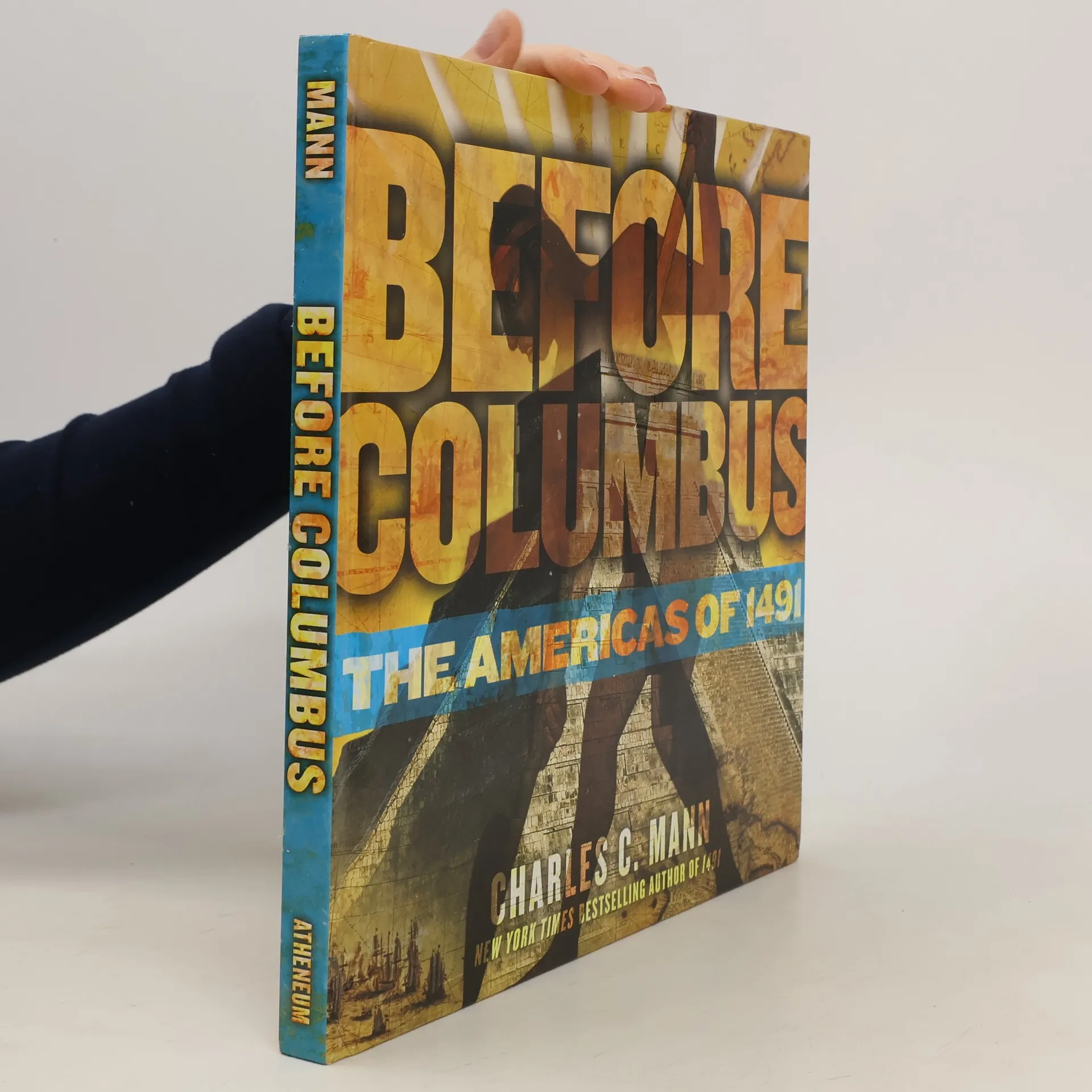
Offering a vibrant exploration of the Americas, this companion book to "1491" engages young readers with stunning full-color visuals. It reveals the rich history and diverse cultures of the continent prior to Columbus, encouraging a deeper understanding of the indigenous peoples and their environments. This visually captivating journey aims to enlighten and inspire curiosity about America's past in a way that is accessible to younger audiences.
In 1491 woonden er misschien wel meer mensen in Amerika dan in Europa. Grote steden als Tenochtitlàn hadden stromend water en bezaten prachtige botanische tuinen. De Inca's hadden het grootste rijk in de wereld opgebouwd, groter dan de Ming-dynastie of het Ottomaanse Rijk. Totdat de Europeanen met hun geweld en ziektes hier een einde aan maakten. 1491 maakt voor eens en voor altijd duidelijk dat de geschiedenis van Amerika zeker niet begint met Columbus, die in 1492 voet aan wal zette.
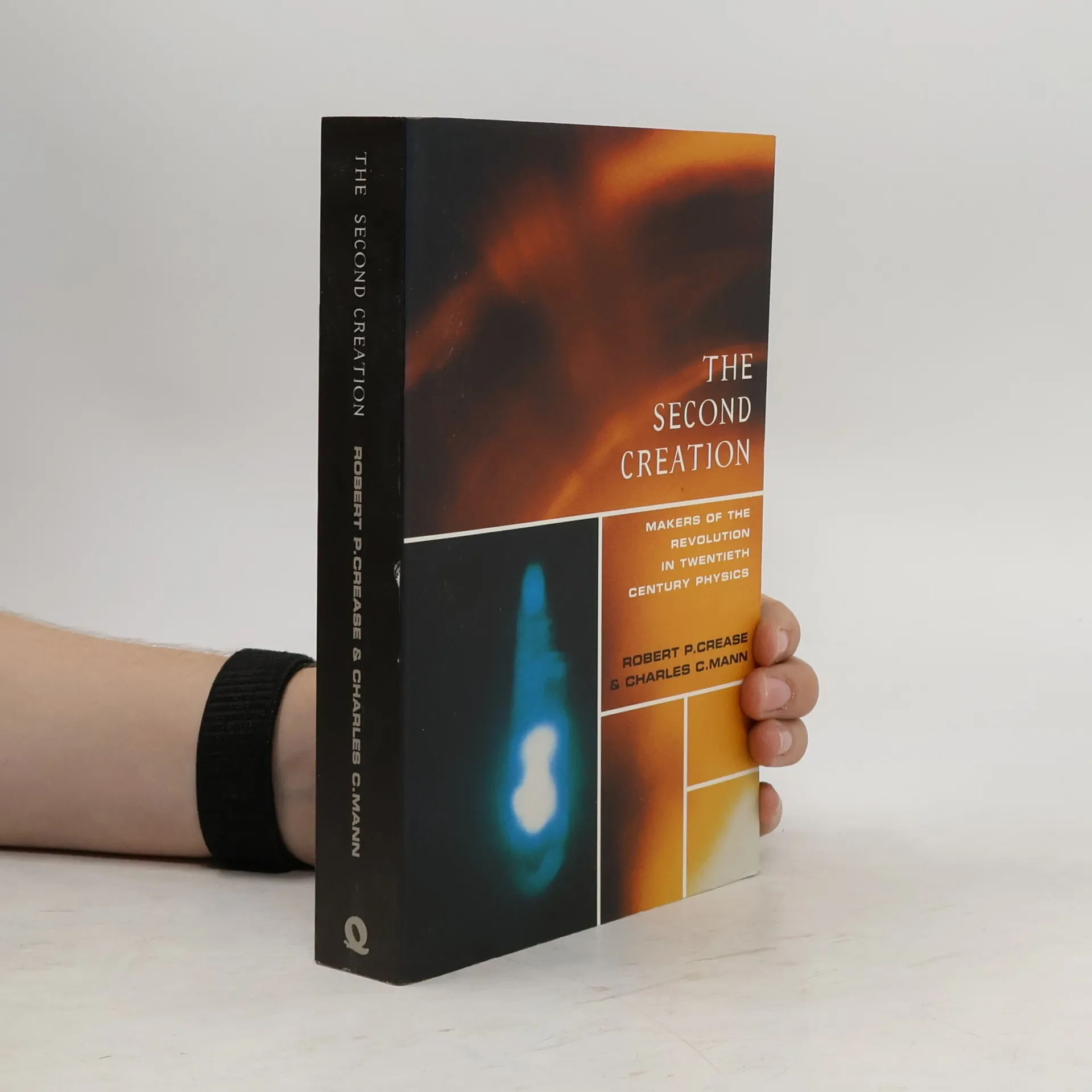
The Second Creation is a dramatic--and human--chronicle of scientific investigators at the last frontier of knowledge. Robert Crease and Charles Mann take the reader on a fascinating journey in search of "unification" (a description of how matter behaves that can apply equally to everything) with brilliant scientists such as Niels Bohr, Max Planck, Albert Einstein, Erwin Schrödinger, Richard Feynman, Murray Gell-Mann, Sheldon Glashow, Steven Weinberg, and many others. They provide the definitive and highly entertaining story of the development of modern physics, and the human story of the physicists who set out to find the "theory of everything."The Second Creation tells the story of some of the most talented and idiosyncratic people in the world--many times in their own words. Crease and Mann conducted hundreds of interviews to capture the thinking and the personalities as well as the science. The authors make this complex subject matter clear and absorbing.
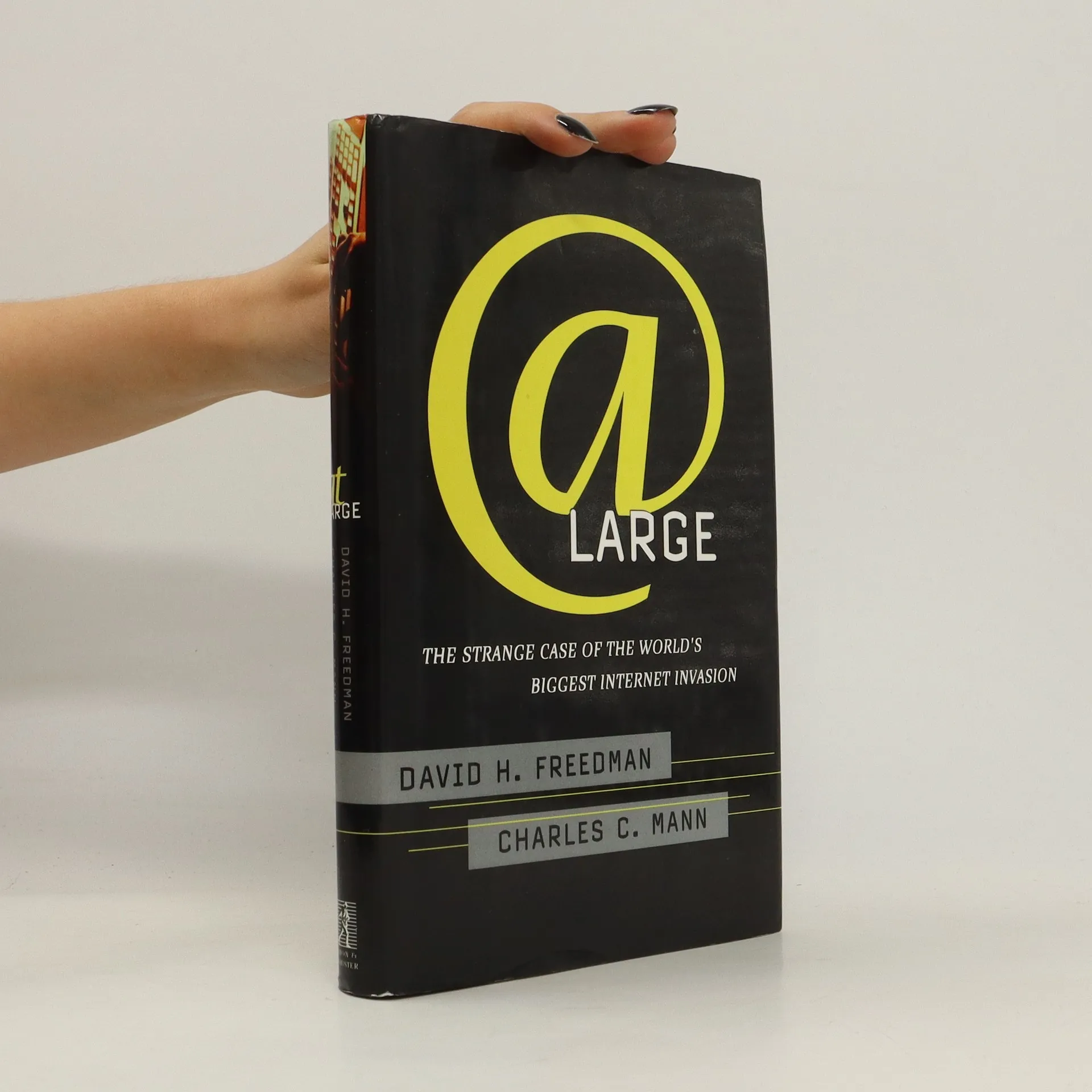
Describes how one computer hacker was able to access hundreds of business and government files and explains why the Internet is becoming less secure
Called “Fascinating! An incredible book” by Oprah Winfrey, this beloved photography collection vividly portrays the look and feel of the human condition everywhere on Earth. In an unprecedented effort, sixteen of the world’s foremost photographers traveled to thirty nations around the globe to live for a week with families that were statistically average for that nation. At the end of each visit, photographer and family collaborated on a remarkable portrait of the family members outside their home, surrounded by all of their possessions; a few jars and jugs for some, an explosion of electronic gadgetry for others. This internationally acclaimed bestseller puts a human face on the issues of population, environment, social justice, and consumption as it illuminates the crucial question facing our species Can all six billion of us have all the things we want? “Material culture, laid bare in this way, is surprisingly intimate―and whets a persons appetite to see the world.” ― The Atlantic “This remarkable book vividly presents its own cross section of families today, with the energy and intimacy of a work of art for our times . . . This is a record of striking value. No time traveler could bring back a more valuable resource.” ― Scientific America “Striking.” ― San Francisco Chronicle

Mann and Plummer take us behind the scenes in the aspirin wars to penetrate the shores of capitalism and show the essence of competition at its canniest, most ruthless, most brilliant, and most fierce.ights to Atlantic. 8 pages of photographs.