In 1491 woonden er misschien wel meer mensen in Amerika dan in Europa. Grote steden als Tenochtitlàn hadden stromend water en bezaten prachtige botanische tuinen. De Inca's hadden het grootste rijk in de wereld opgebouwd, groter dan de Ming-dynastie of het Ottomaanse Rijk. Totdat de Europeanen met hun geweld en ziektes hier een einde aan maakten. 1491 maakt voor eens en voor altijd duidelijk dat de geschiedenis van Amerika zeker niet begint met Columbus, die in 1492 voet aan wal zette.
Charles C Mann Boeken
Charles C. Mann is een gevierd auteur wiens werk diep ingaat op de kruising van geschiedenis, wetenschap en de menselijke samenleving. Door zijn journalistieke aanpak ontrafelt hij complexe verhalen en onderzoekt hij hoe wetenschappelijke ontdekkingen en technologische vooruitgang menselijke beschavingen en hun toekomst hebben gevormd. Manns stijl kenmerkt zich door zijn nauwgezette onderzoek en zijn vermogen om ingewikkelde onderwerpen te vertalen naar meeslepende verhalen. Zijn geschriften zetten lezers aan tot nadenken over diepgaande vragen over ons verleden en de mogelijke toekomstige paden.



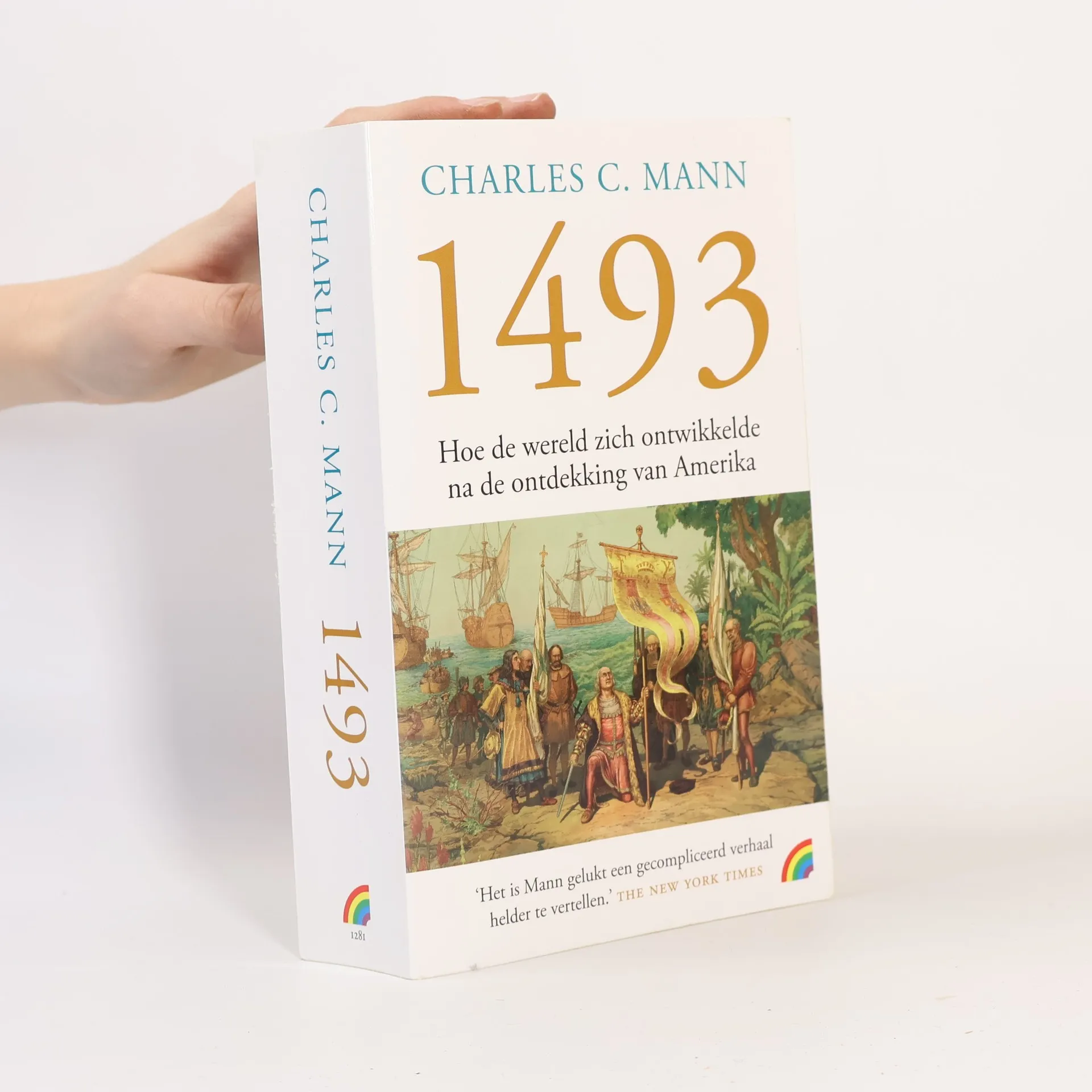
Van een volstrekt geïsoleerd werelddeel werd Amerika, na de ontdekking door Columbus, een continent dat in een mum van tijd verbinding had met alle uithoeken van de aarde. De ontdekkingsreizen zorgden voor contacten tussen ecosystemen en samenlevingen die miljoenen jaren van elkaar gescheiden waren geweest. Charles Mann beschrijft de belangrijkste biologische gebeurtenis sinds het uitsterven van de dinosauriërs op meeslepende wijze. ‘Een uitermate rijk boek.’ Trouw ‘Boordevol interessante inzichten, wetenswaardigheden en onvoorziene, adembenemende ellende.’ NRC Handelsblad
Material World
- 256bladzijden
- 9 uur lezen
Called “Fascinating! An incredible book” by Oprah Winfrey, this beloved photography collection vividly portrays the look and feel of the human condition everywhere on Earth. In an unprecedented effort, sixteen of the world’s foremost photographers traveled to thirty nations around the globe to live for a week with families that were statistically average for that nation. At the end of each visit, photographer and family collaborated on a remarkable portrait of the family members outside their home, surrounded by all of their possessions; a few jars and jugs for some, an explosion of electronic gadgetry for others. This internationally acclaimed bestseller puts a human face on the issues of population, environment, social justice, and consumption as it illuminates the crucial question facing our species Can all six billion of us have all the things we want? “Material culture, laid bare in this way, is surprisingly intimate―and whets a persons appetite to see the world.” ― The Atlantic “This remarkable book vividly presents its own cross section of families today, with the energy and intimacy of a work of art for our times . . . This is a record of striking value. No time traveler could bring back a more valuable resource.” ― Scientific America “Striking.” ― San Francisco Chronicle
The Second Creation
- 496bladzijden
- 18 uur lezen
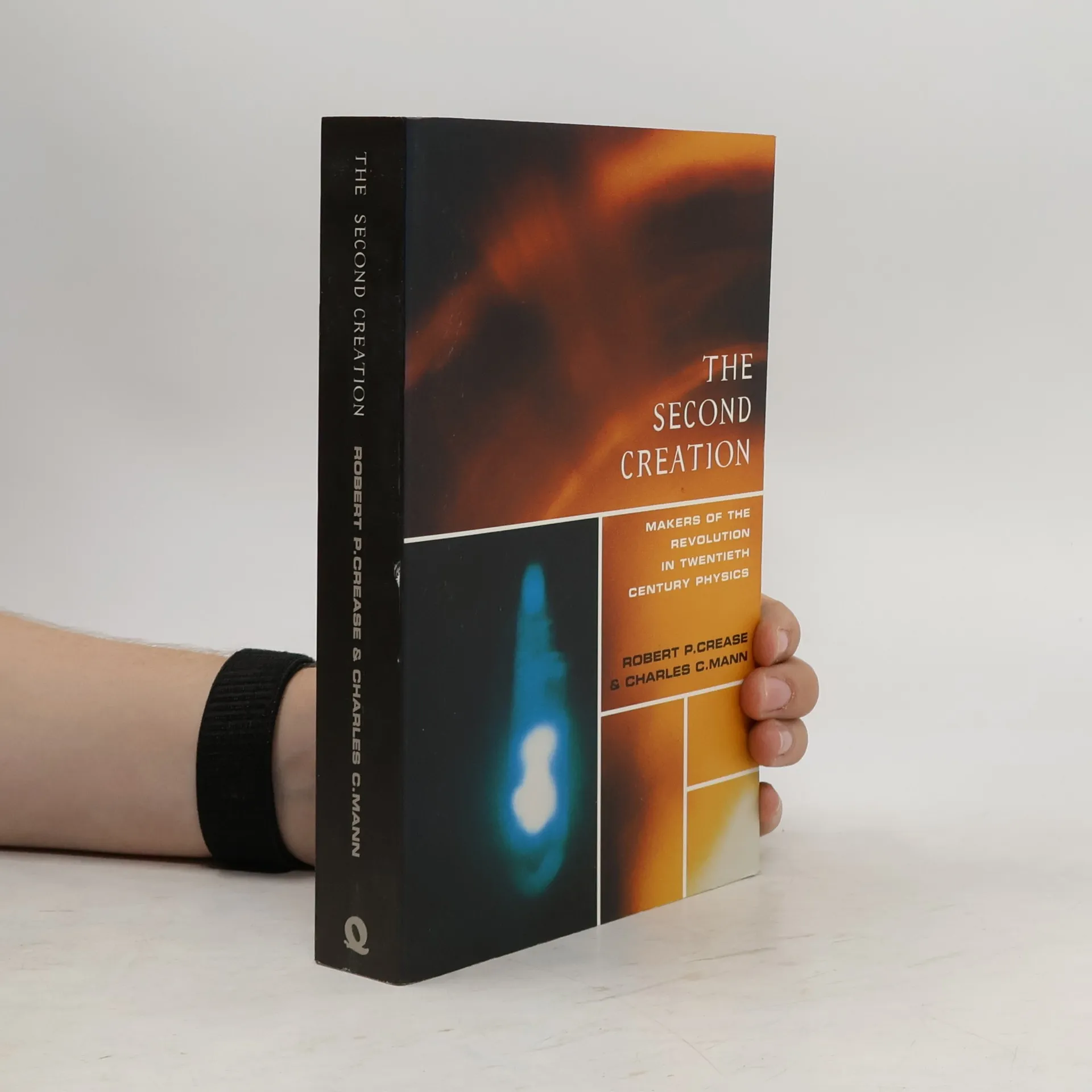
The Second Creation is a dramatic--and human--chronicle of scientific investigators at the last frontier of knowledge. Robert Crease and Charles Mann take the reader on a fascinating journey in search of "unification" (a description of how matter behaves that can apply equally to everything) with brilliant scientists such as Niels Bohr, Max Planck, Albert Einstein, Erwin Schrödinger, Richard Feynman, Murray Gell-Mann, Sheldon Glashow, Steven Weinberg, and many others. They provide the definitive and highly entertaining story of the development of modern physics, and the human story of the physicists who set out to find the "theory of everything."The Second Creation tells the story of some of the most talented and idiosyncratic people in the world--many times in their own words. Crease and Mann conducted hundreds of interviews to capture the thinking and the personalities as well as the science. The authors make this complex subject matter clear and absorbing.
The Wizard and the Prophet
- 640bladzijden
- 23 uur lezen
"In forty years, Earth's population will reach ten billion. Can our world support that? What kind of world will it be? Those answering these questions generally fall into two deeply divided groups-Wizards and Prophets, as Charles Mann calls them in this balanced, authoritative, nonpolemical new book. The Prophets, he explains, follow William Vogt, a founding environmentalist who believed that in using more than our planet has to give, our prosperity will lead us to ruin. Cut back! was his mantra. Otherwise everyone will lose! The Wizards are the heirs of Norman Borlaug, whose research, in effect, wrangled the world in service to our species to produce modern high-yield crops that then saved millions from starvation. Innovate! was Borlaug's cry. Only in that way can everyone win! Mann delves into these diverging viewpoints to assess the four great challenges humanity faces-food, water, energy, climate change-grounding each in historical context and weighing the options for the future."-- Provided by publisher
The Aspirin Wars
- 420bladzijden
- 15 uur lezen
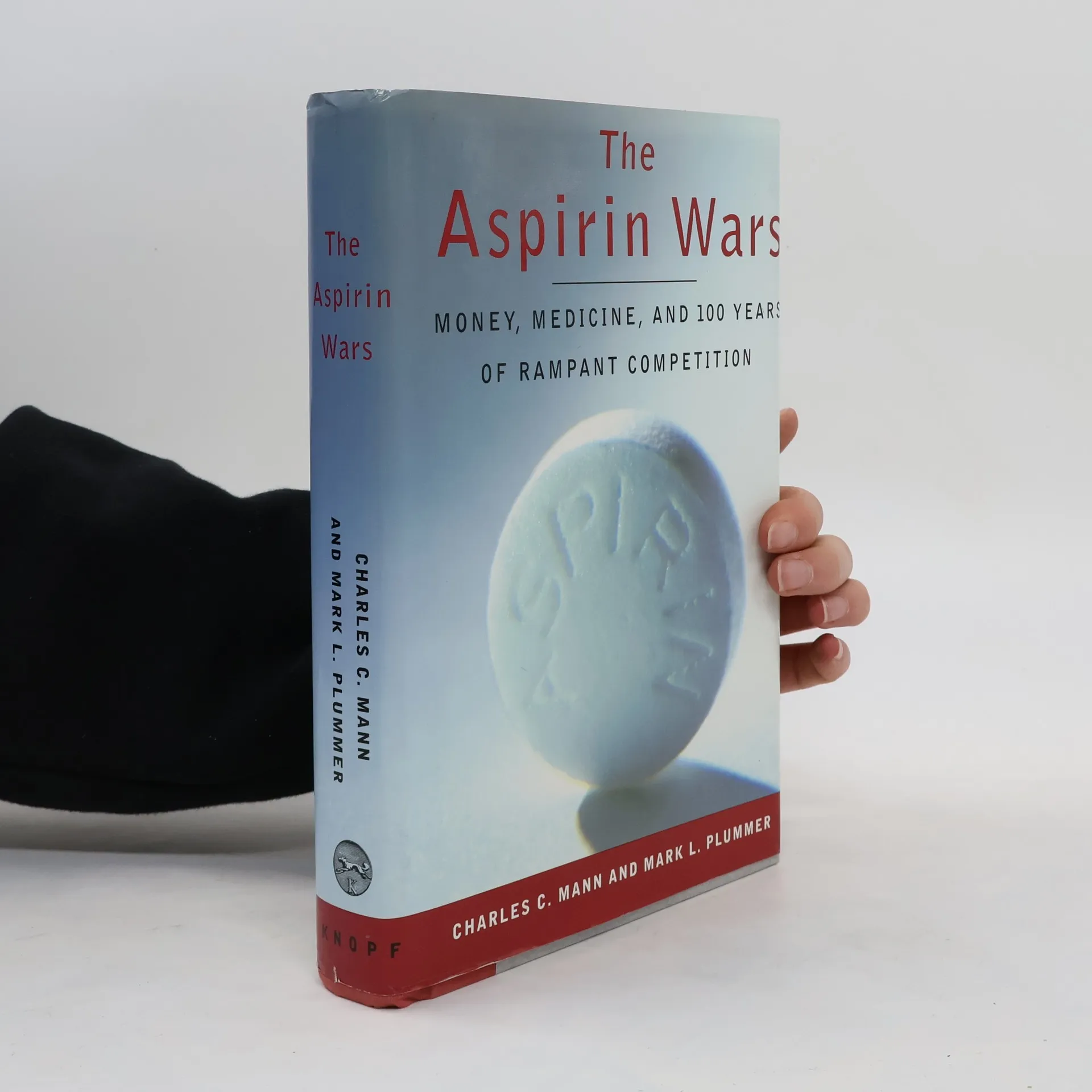
Mann and Plummer take us behind the scenes in the aspirin wars to penetrate the shores of capitalism and show the essence of competition at its canniest, most ruthless, most brilliant, and most fierce.ights to Atlantic. 8 pages of photographs.
At Large
- 315bladzijden
- 12 uur lezen
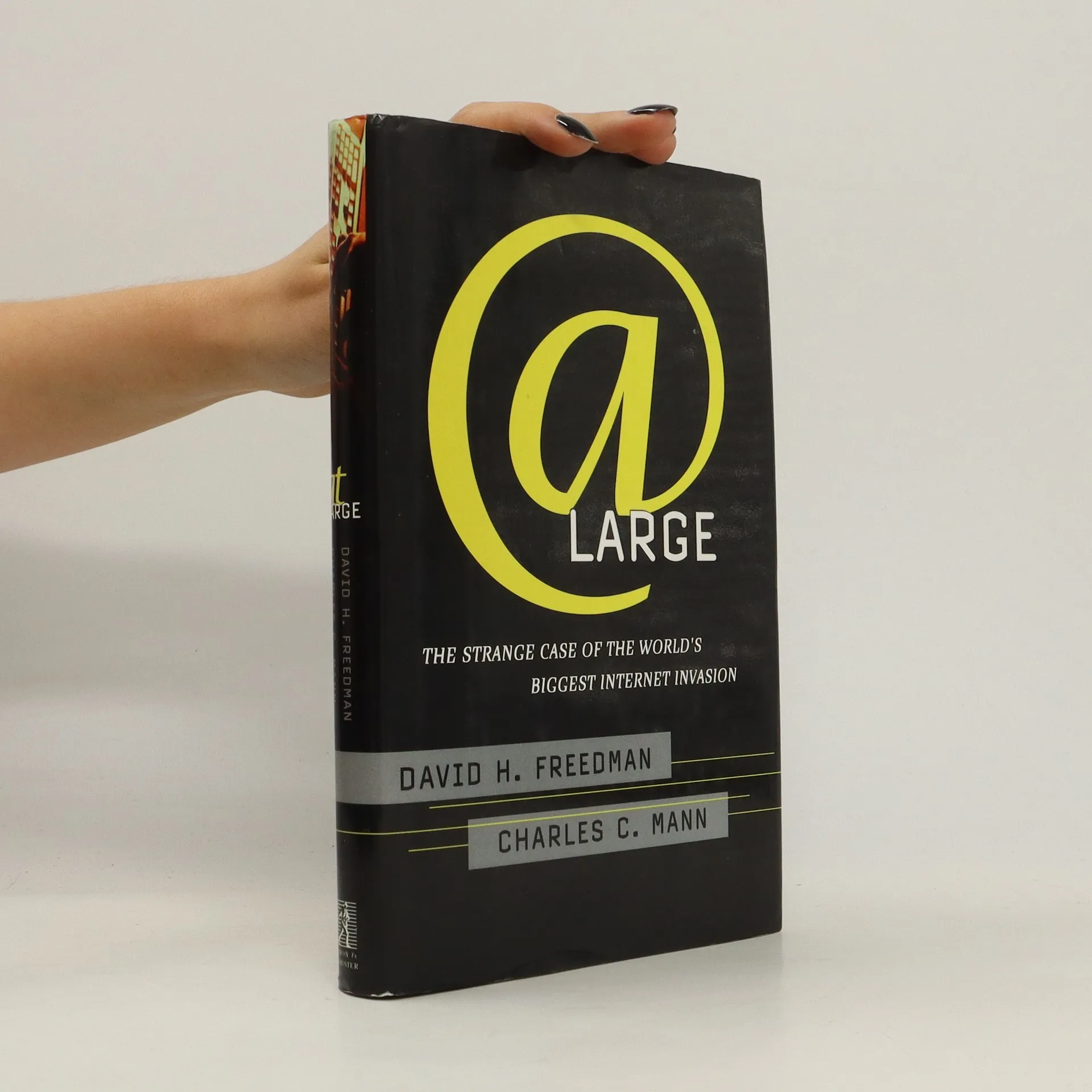
Describes how one computer hacker was able to access hundreds of business and government files and explains why the Internet is becoming less secure
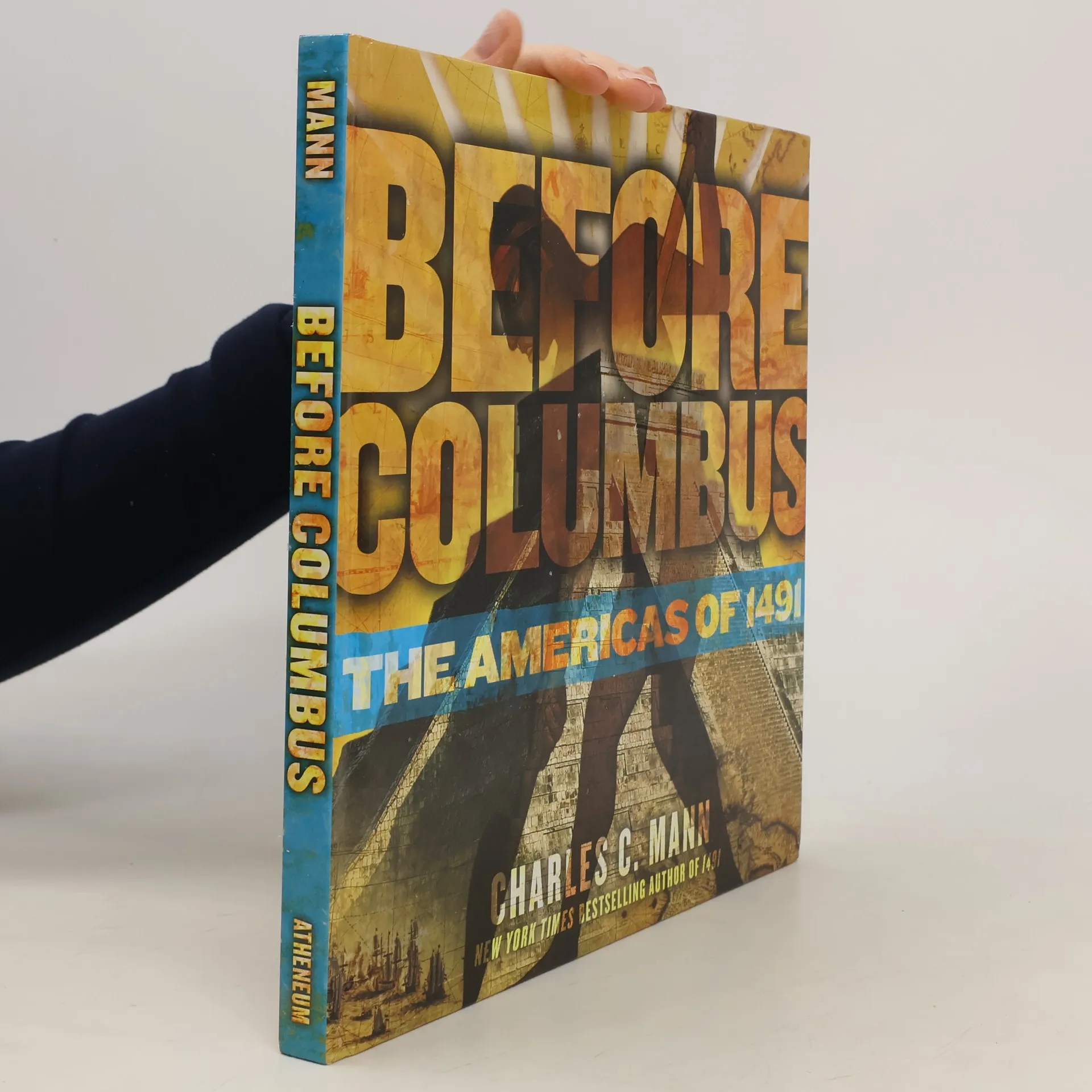
Offering a vibrant exploration of the Americas, this companion book to "1491" engages young readers with stunning full-color visuals. It reveals the rich history and diverse cultures of the continent prior to Columbus, encouraging a deeper understanding of the indigenous peoples and their environments. This visually captivating journey aims to enlighten and inspire curiosity about America's past in a way that is accessible to younger audiences.