

Bookbot

Božena Koseková

    Für eine Philosophie der Fotografie
    Tagebuch 1946-1949
    Beware of Pity
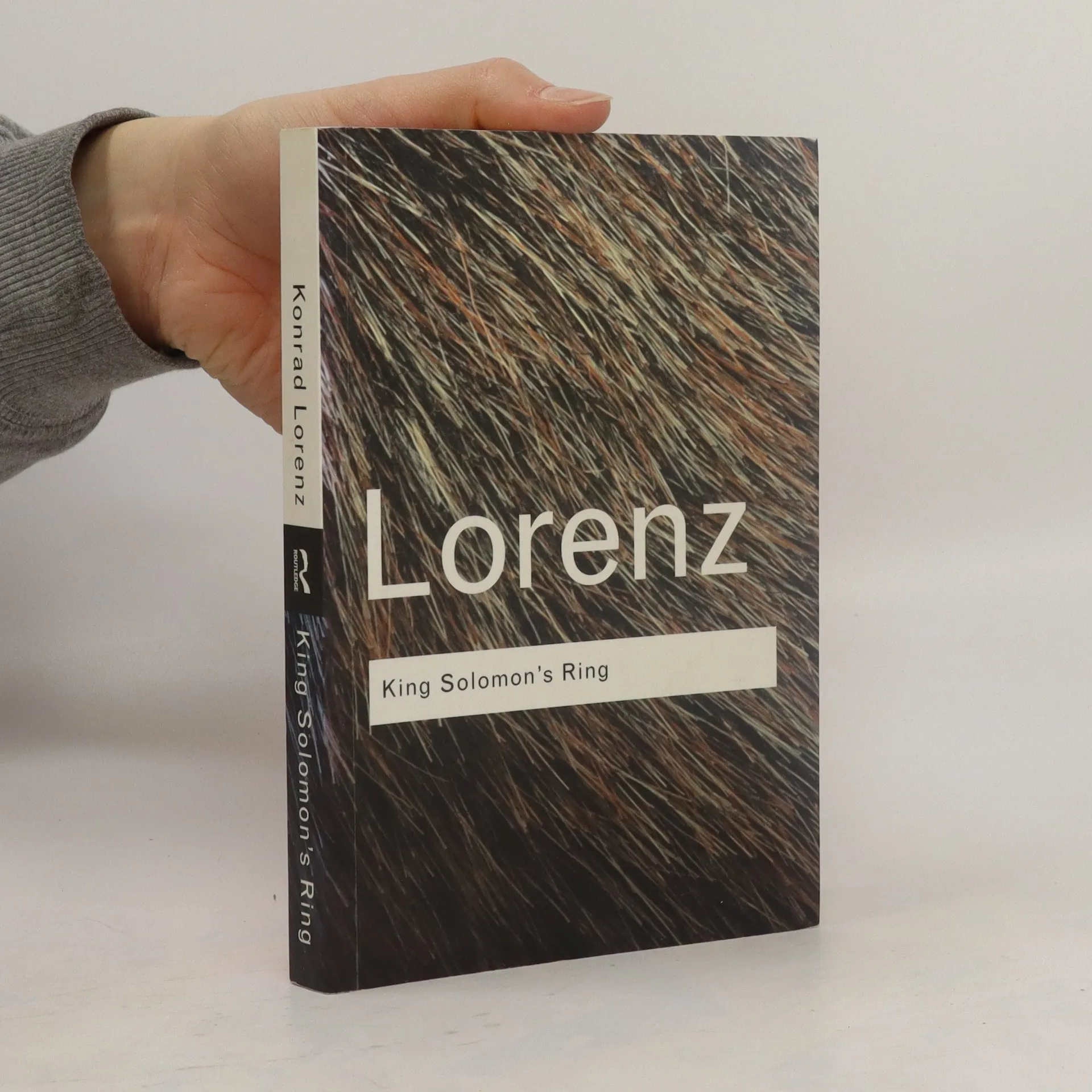
    King Solomon's ring : new light on animal ways
    Büyülenme
    Prager Triptychon. Erzählungen.
    • Des deutschen Spießers Wunderhorn

      • 411bladzijden
      • 15 uur lezen

      Gustav Meyrink: Des Deutschen Spiessers Wunderhorn Edition Holzinger. Taschenbuch Berliner Ausgabe, 2013 Vollstandiger, durchgesehener Neusatz mit einer Biographie des Autors bearbeitet und eingerichtet von Michael Holzinger Erstdruck: Munchen (A. Langen Verlag), 1913, 3 Bande. Textgrundlage sind die Ausgaben: Gustav Meyrink: Gesammelte Werke, Band 4, Teil 1, Munchen: Albert Langen, 1913. Gustav Meyrink: Gesammelte Werke, Band 4, Teil 2, Munchen: Albert Langen, 1913. Herausgeber der Reihe: Michael Holzinger Reihengestaltung: Viktor Harvion Umschlaggestaltung unter Verwendung des Bildes: Gustav Meyrink ca. 1886 Gesetzt aus Minion Pro, 10 pt
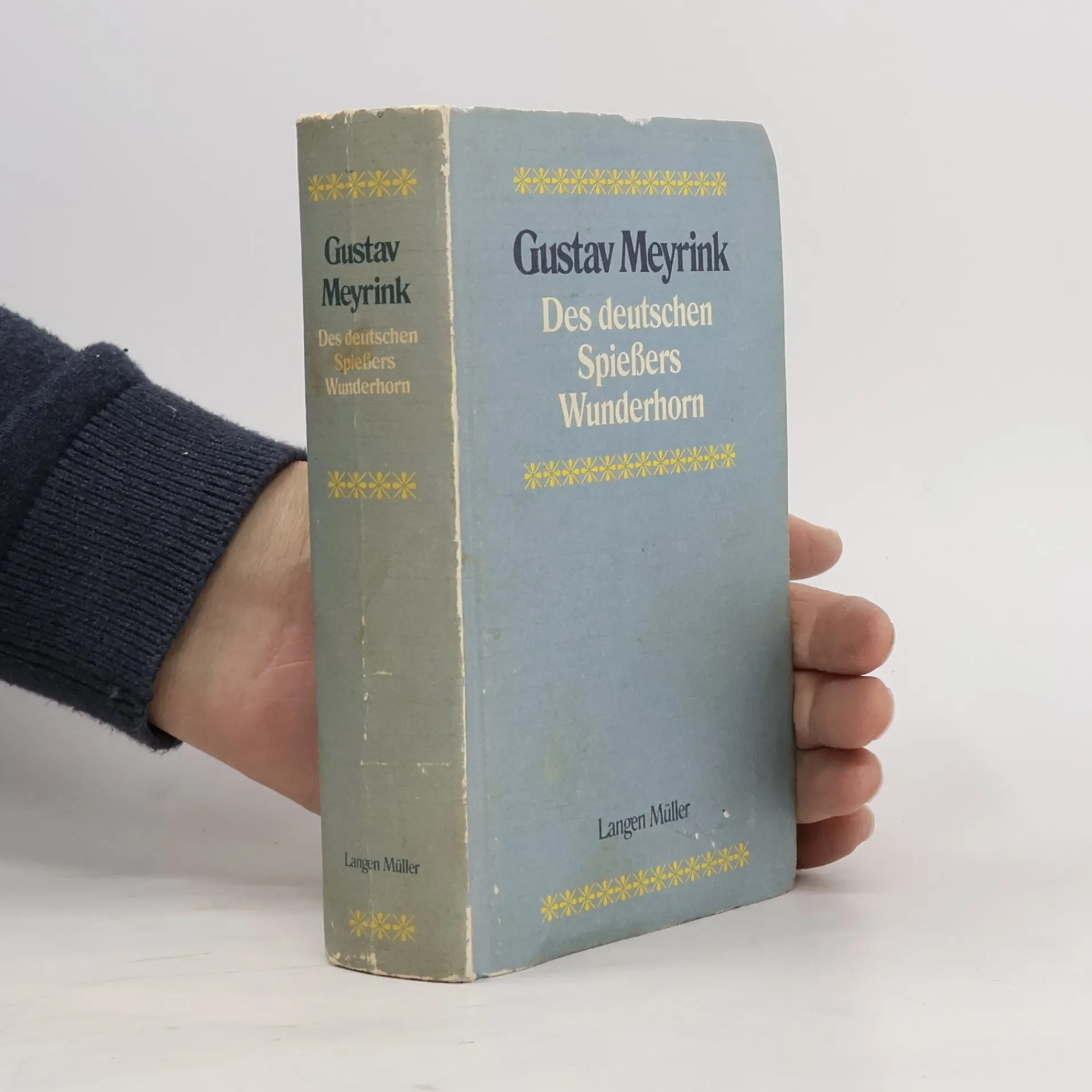
      Des deutschen Spießers Wunderhorn2012
      3,9
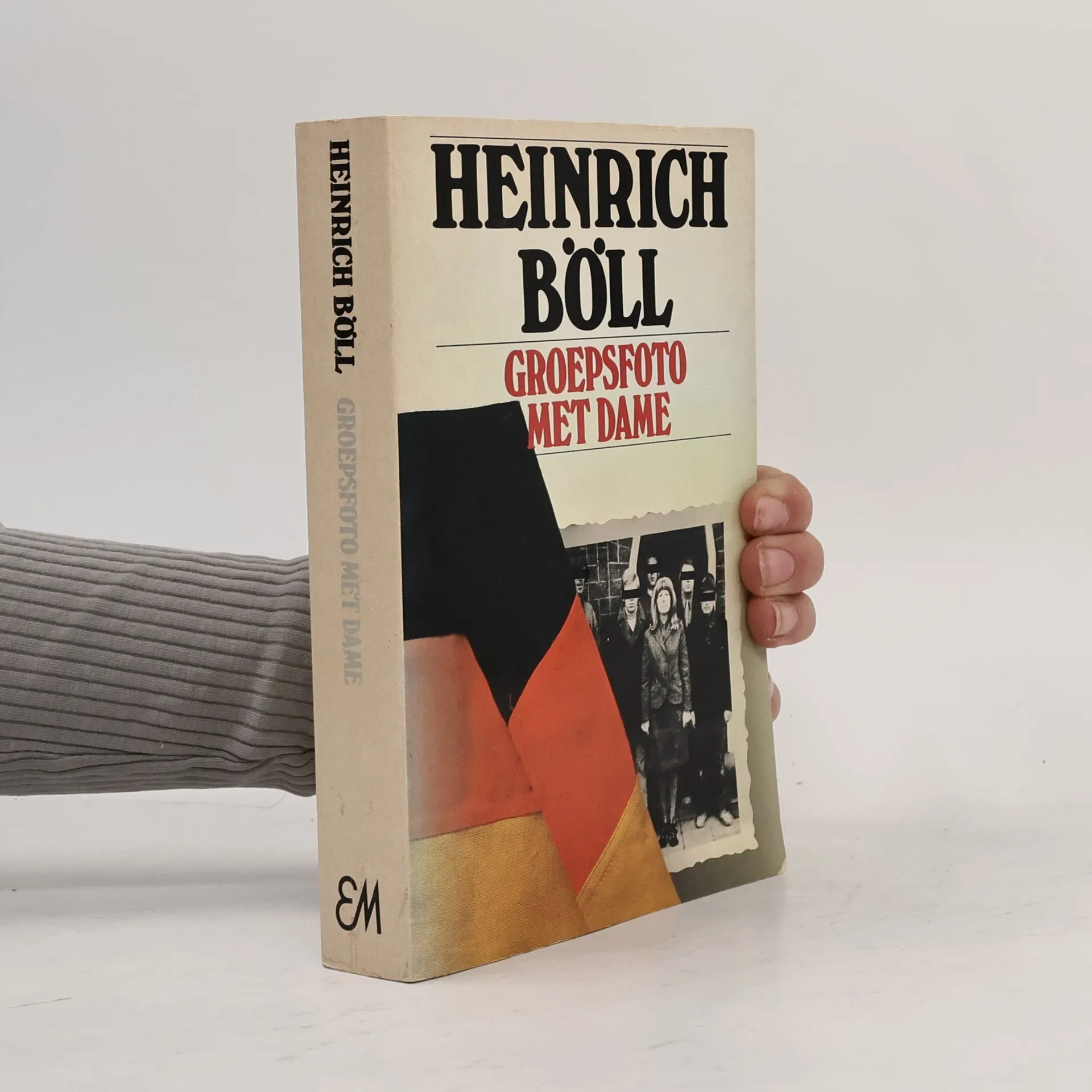
    • Group Portrait With Lady

      • 432bladzijden
      • 16 uur lezen

      From Nobel Prize winner Heinrich Boll, an inventive & sardonic portrayal of the effects of the Nazi period on a group of ordinary people. Weaving together the stories of a diverse array of characters, Boll explores the often bizarre & always very human courses chosen by people attempting to survive in a world marked by political madness, absurdity & destruction. At the center of his tale is Leni Pfeiffer, a German woman whose secret romance with a Soviet prisoner of war both sustains & threatens her life. As the narrator interviews those who knew Pfeiffer, their stories come together in a dazling mosaic, rich in satire, yet hinting at the promise of a saner world.

      Group Portrait With Lady2000
      3,8
    • A delightful treasury of observations and insights into the lives of all sorts of creatures, from jackdaws and water-shrews to dogs, cats and even wolves. It is a wonderfully written introduction to the world of our furred and feathered friends!

      King Solomon's ring : new light on animal ways1998
      4,3
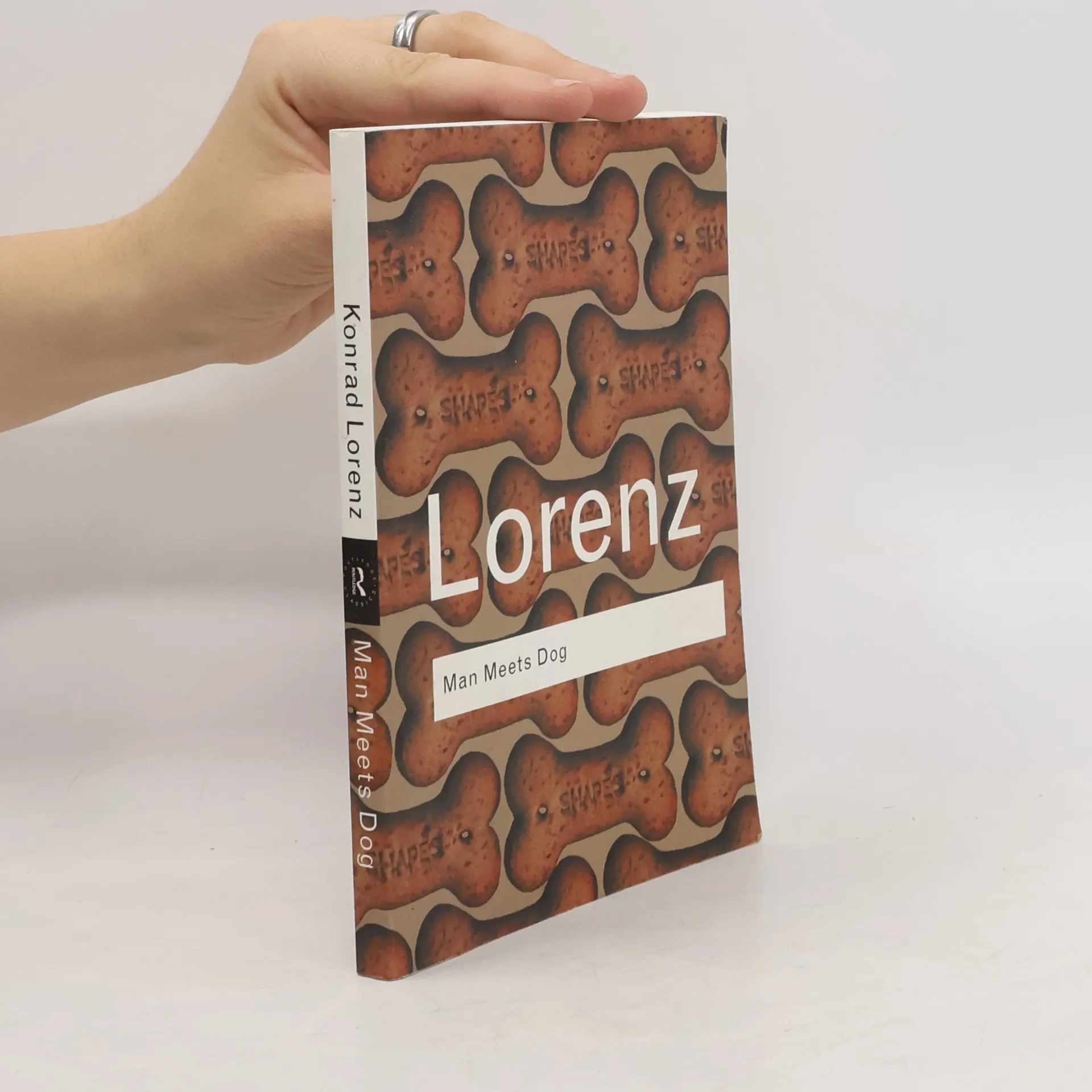
    • Man Meets Dog

      • 224bladzijden
      • 8 uur lezen

      In this wonderful book, the famous scientist and best-selling author, Konrad Lorenz, 'the man who talked with animals', enlightens and entertains us with his illustrated account of the unique relationship between humans and their pets. Displaying Lorenz's customary humanity and expert knowledge of animals, Man Meets Dog is also a deeply personal and entertaining account of his relationships with his own four-legged friends. With charming sketches on almost every page, Man Meets Dog offers a delightful insight into animal and human thinking and feeling. An essential companion for all lovers of dogs (and cats!).

      Man Meets Dog1997
      3,8
    • Prager Triptychon. Erzählungen.

      • 207bladzijden
      • 8 uur lezen

      Jádro der Erzählungen bildet das Leben dreier künstlerisch orientierter junger Männer, die in einer Atmosphäre voller Tragik und Humor heranwachsen. Aus diesem Kaleidoskop individueller Schicksale entsteht eine Art psychologischer Stadtführer für Prag – eine Stadt, die der Autor sehr liebte.

      Prager Triptychon. Erzählungen.1997
      4,5
    • Büyülenme

      • 440bladzijden
      • 16 uur lezen

      1935 yılında, Hitler'in iktidarı ele geçirmesinden yaklaşık iki yıl sonra kaleme alınan Büyülenme adlı romanda Broch, Avrupa'da faşist sistemlerin nasıl egemen olabildiği sorusuna cevap arar; faşizmin egemen olmasına yol açan psişik, politik ve kitle psikolojisiyle ilgili nedenleri ve mekanizmaları ele alır. Roman, Alpler'de bir köyde geçer. Günün birinde bu köye Marius Ratti adlı bir yabancı gelir ve çok geçmeden her sosyal kesimden, her yaştan insanı gizli umut ve isteklerinin gerçekleşeceğine inandırır. Bunu, çıkar karşıtlıklarından yararlanarak, gençleri militarize ederek, azınlıkları baskı altına alarak, gelecekte köyün komşu köyler üzerinde maddi üstünlüğü ele geçireceğini vaat ederek gerçekleştirir ve kitlesel bir histeri yaratarak iktidarı ele geçirir.

      Büyülenme1996
      4,3
    • Max Frischs Tagebuch ist eine Bestandsaufnahme. Seine Berichte aus dem Europa der Jahre 1946 bis 1949, die Protokolle seiner Begegnungen in der Nachkriegszeit haben ebenso historische wie aktuelle Bedeutung. Darüber hinaus nimmt das Tagebuch eine zentrale Stelle in der Genese des dichterischen Werkes von Max Frisch ein. Es enthält bereits erzählerische Anläufe, Skizzen, Strukturmodelle, aus denen sich später die großen Dramen und Romane entwickeln konnten.

      Tagebuch 1946-19491995
      4,0
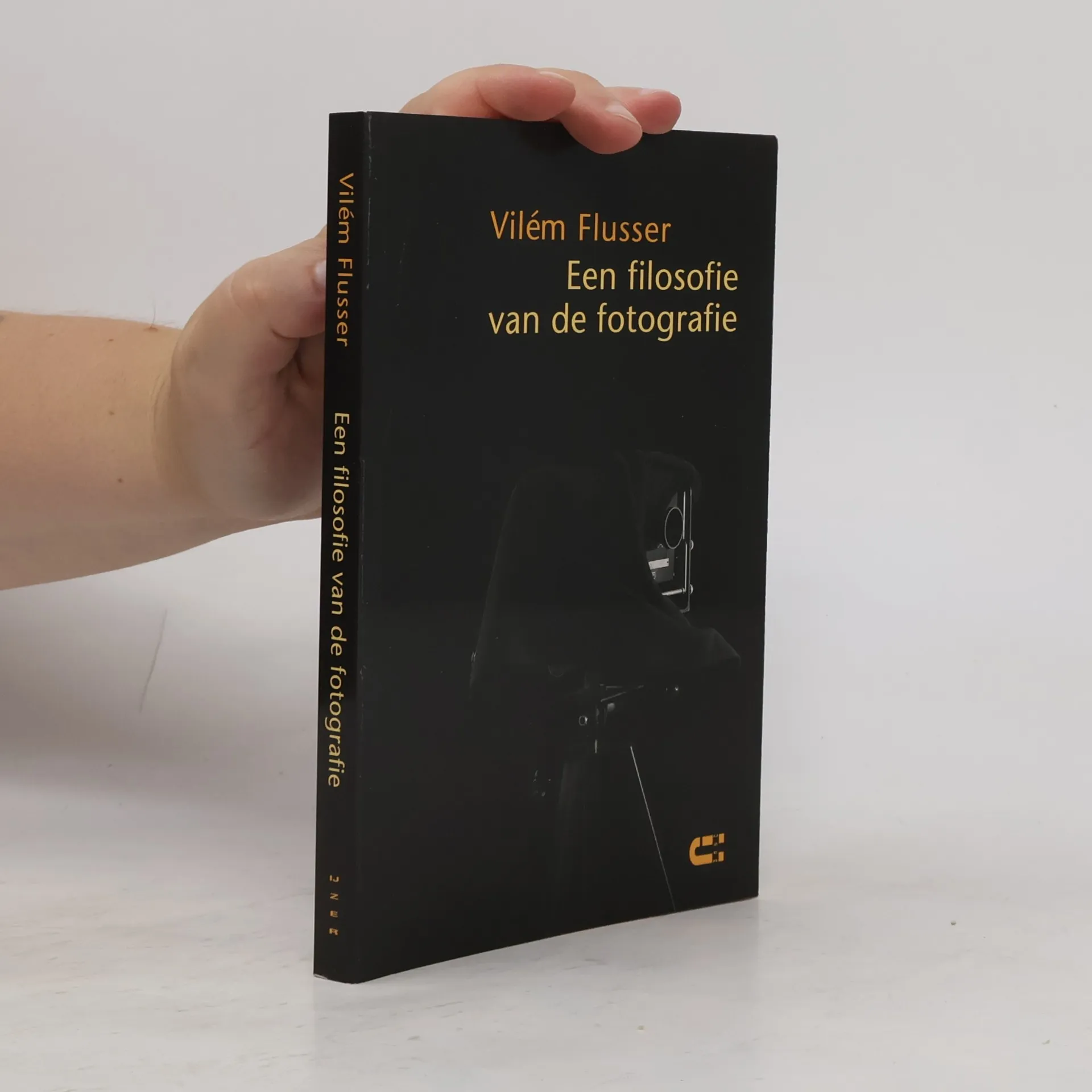
    • In der Essay "Für eine Philosophie der Fotografie" untersucht der Autor, wie im Bereich automatisierter, programmierter und programmierbarer Geräte die menschliche Freiheit keinen Platz hat. Dennoch zeigt er, dass es möglich ist, der Freiheit Raum zu eröffnen.

      Für eine Philosophie der Fotografie1994
      4,1
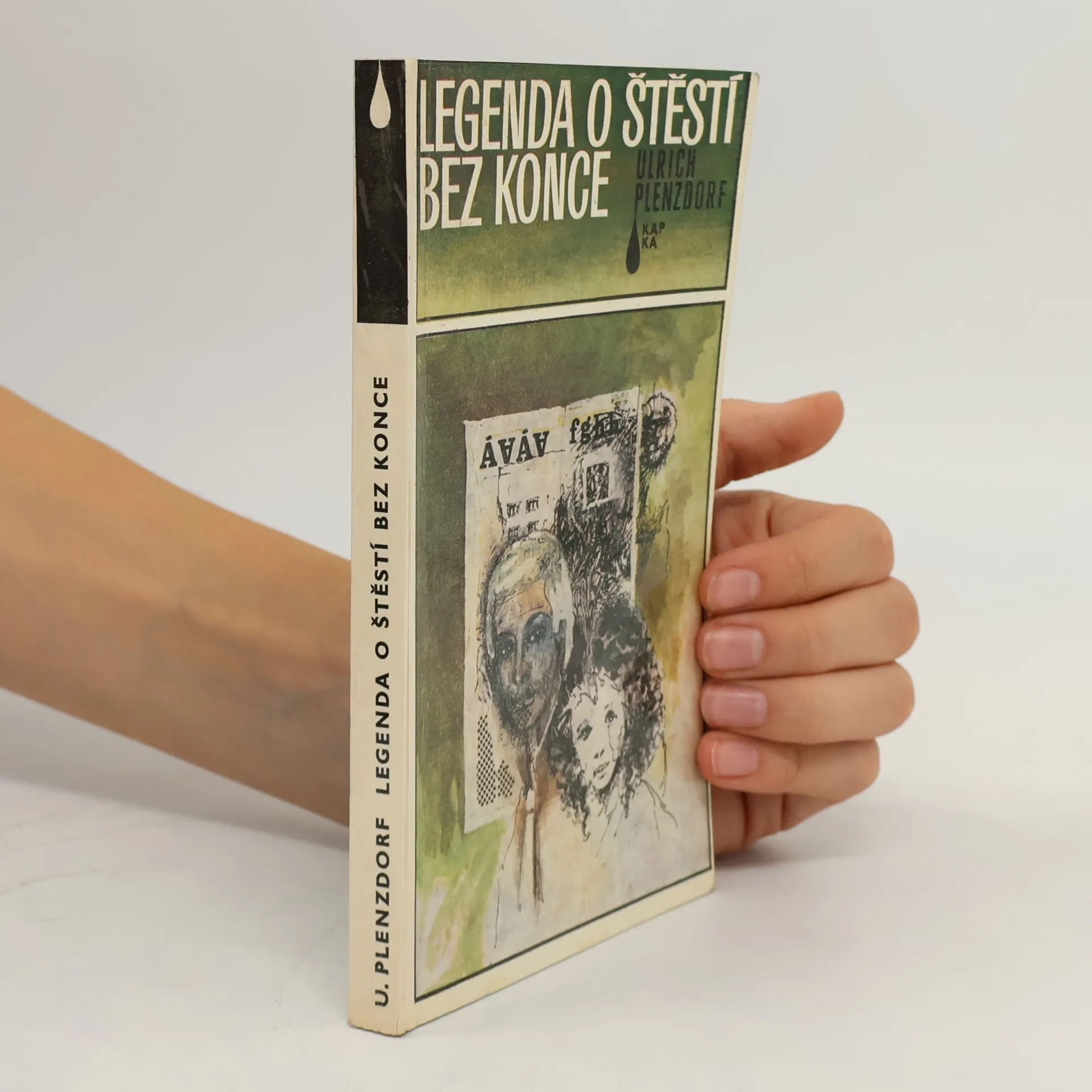
    • V této próze vystavěl autor monumentální pomník všem mladým lidem, kteří ideály nového společenského uspořádání, kde mají platit ryzí hodnoty lidství, probojovávají i za cenu dočasného nepochopení, na izolace mezi blahobytnými břichy lidí domnívajících se, že "jdou s dobou", ve skutečnosti ovšem žijících ve strašlivém omylu záměny jevu za podstatu. Paul a Paula své štěstí spočívající na opravdových hodnotách nedobudují, jejich zápas skončí tragicky. Avšak Plenzdorf nenapsal žádnou plačtivou historii; naopak, její poloha je naveskrz optimistická - ideál tak ryzí nemůže zemřít.

      Legenda o štěstí bez konce1985
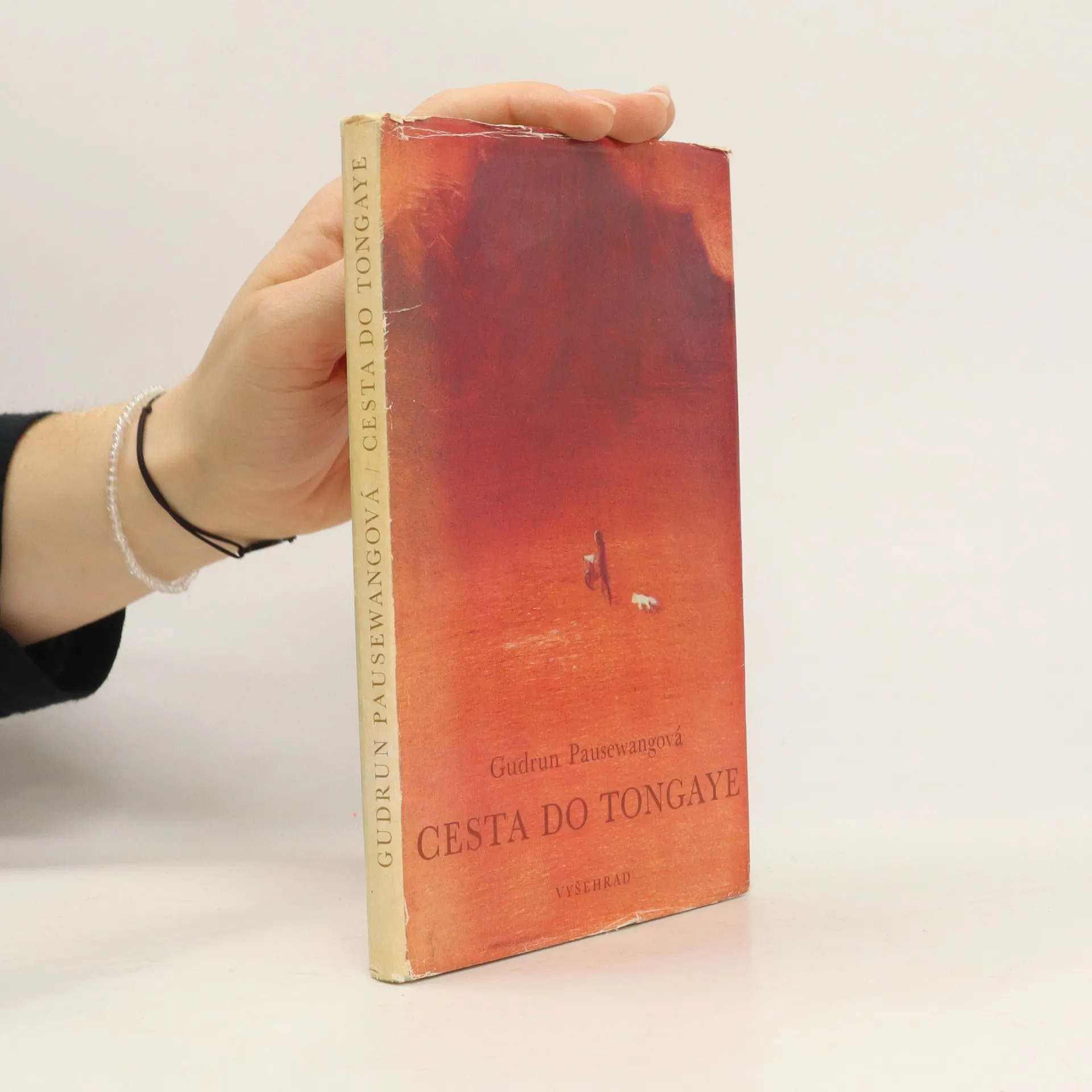
    • Na malé ploše novely je vylíčen osud staré flašinetářky na její cestě chilskou pouští do poutního místa Tongay. Jazykově vytříbené dílo západoněmecké autorky zachycuje prostředí, život a myšlení chudých lidí se sociálním akcentem, zdůrazněným flašinetářčiným vnitřním dramatem – putováním za holou existencí.

      Cesta do Tongaye1977
    • Beware of Pity

      • 353bladzijden
      • 13 uur lezen

      After Thomas Mann, Stefan Zweig was perhaps the most well-known and widely read author writing in German before the Nazi period. Beware of Pity was written in Zweig's London exile in 1938, and although it is above all a psychological novel whose tragedy unfolds in the private realms, Zweig's humanistic perspective provides a commentary on the larger historical and political situation.

      Beware of Pity1976
      4,2