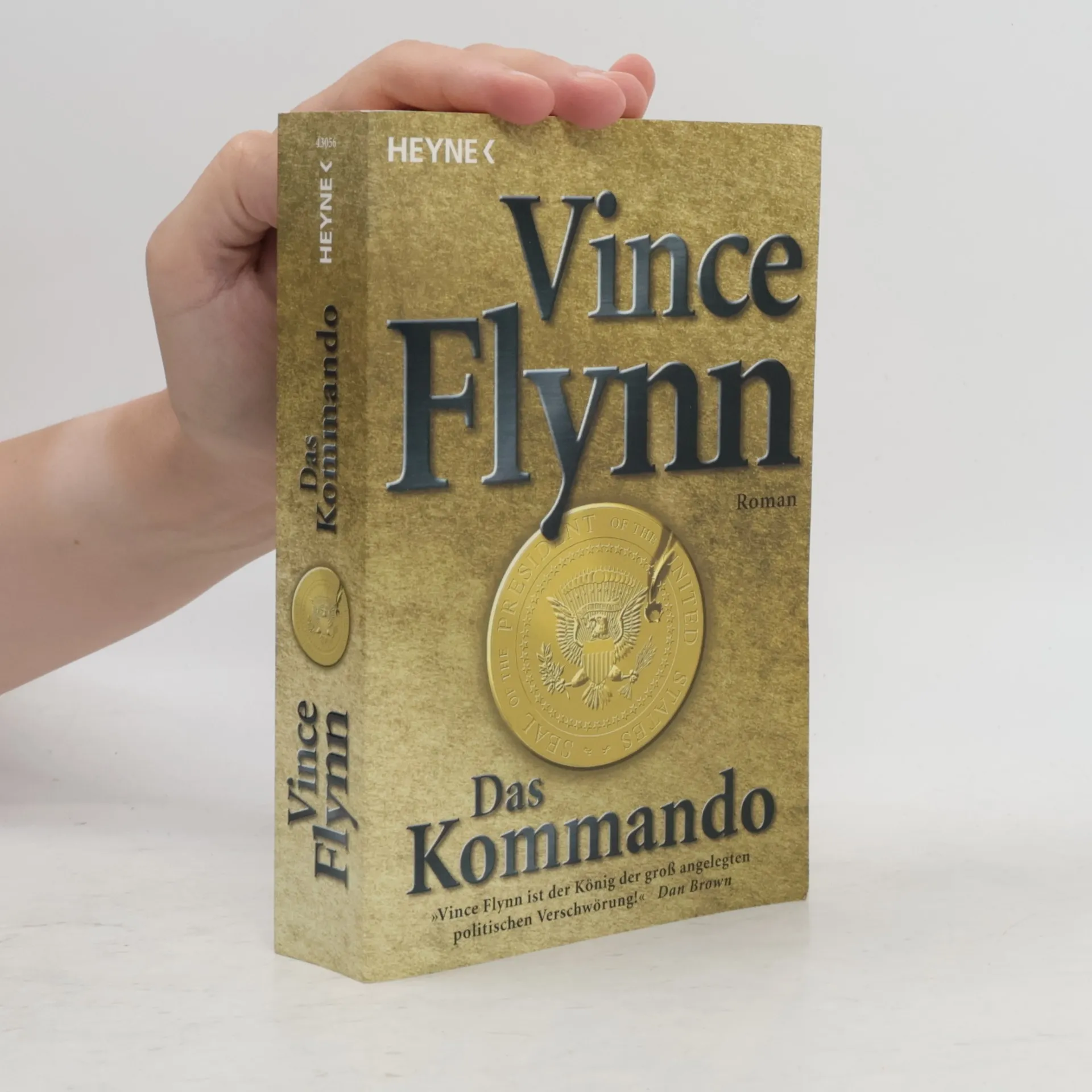
Jádro der Erzählungen bildet das Leben dreier künstlerisch orientierter junger Männer, die in einer Atmosphäre voller Tragik und Humor heranwachsen. Aus diesem Kaleidoskop individueller Schicksale entsteht eine Art psychologischer Stadtführer für Prag – eine Stadt, die der Autor sehr liebte.
Max Frischs Tagebuch ist eine Bestandsaufnahme. Seine Berichte aus dem Europa der Jahre 1946 bis 1949, die Protokolle seiner Begegnungen in der Nachkriegszeit haben ebenso historische wie aktuelle Bedeutung. Darüber hinaus nimmt das Tagebuch eine zentrale Stelle in der Genese des dichterischen Werkes von Max Frisch ein. Es enthält bereits erzählerische Anläufe, Skizzen, Strukturmodelle, aus denen sich später die großen Dramen und Romane entwickeln konnten.
1935 yılında, Hitler'in iktidarı ele geçirmesinden yaklaşık iki yıl sonra kaleme alınan Büyülenme adlı romanda Broch, Avrupa'da faşist sistemlerin nasıl egemen olabildiği sorusuna cevap arar; faşizmin egemen olmasına yol açan psişik, politik ve kitle psikolojisiyle ilgili nedenleri ve mekanizmaları ele alır. Roman, Alpler'de bir köyde geçer. Günün birinde bu köye Marius Ratti adlı bir yabancı gelir ve çok geçmeden her sosyal kesimden, her yaştan insanı gizli umut ve isteklerinin gerçekleşeceğine inandırır. Bunu, çıkar karşıtlıklarından yararlanarak, gençleri militarize ederek, azınlıkları baskı altına alarak, gelecekte köyün komşu köyler üzerinde maddi üstünlüğü ele geçireceğini vaat ederek gerçekleştirir ve kitlesel bir histeri yaratarak iktidarı ele geçirir.
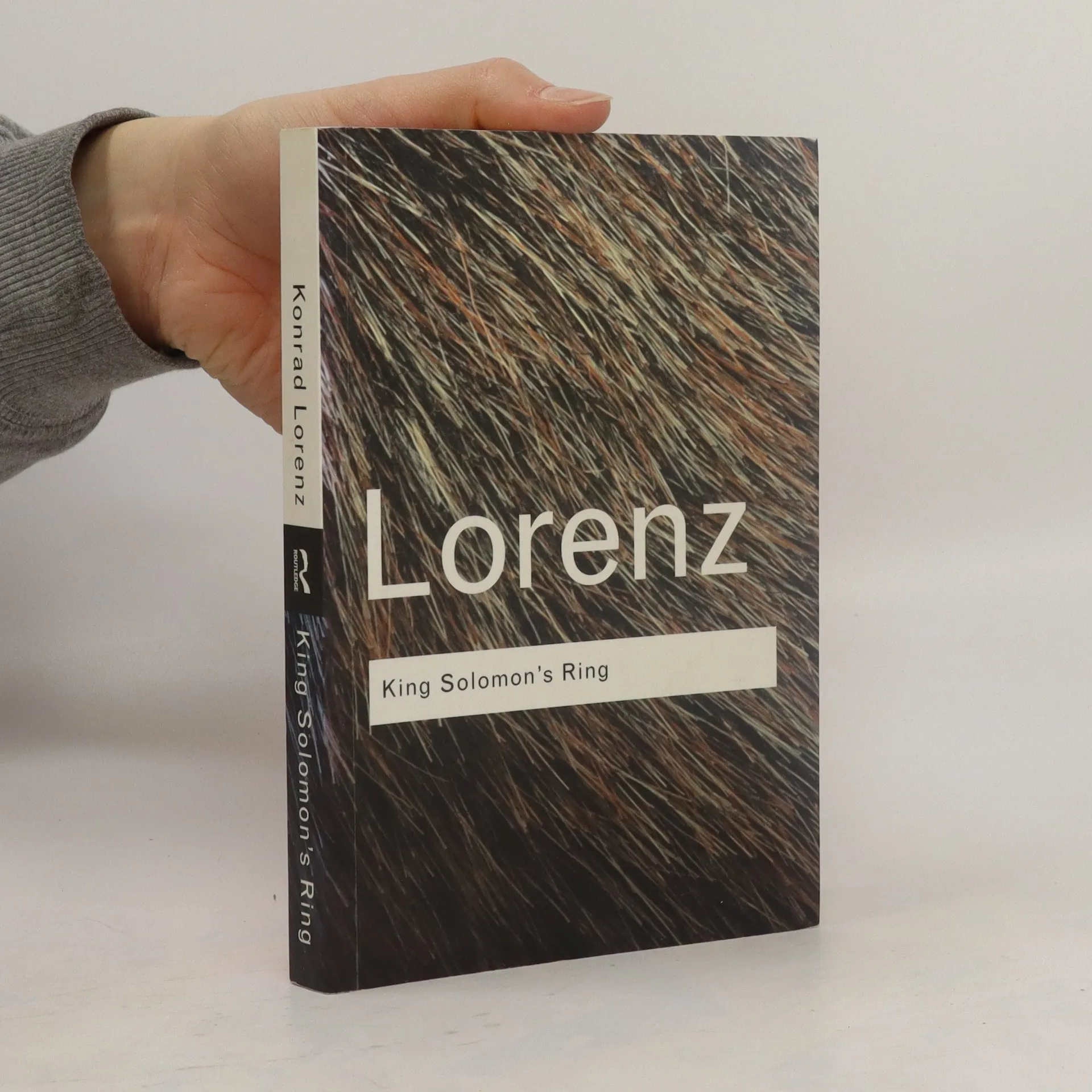
A delightful treasury of observations and insights into the lives of all sorts of creatures, from jackdaws and water-shrews to dogs, cats and even wolves. It is a wonderfully written introduction to the world of our furred and feathered friends!
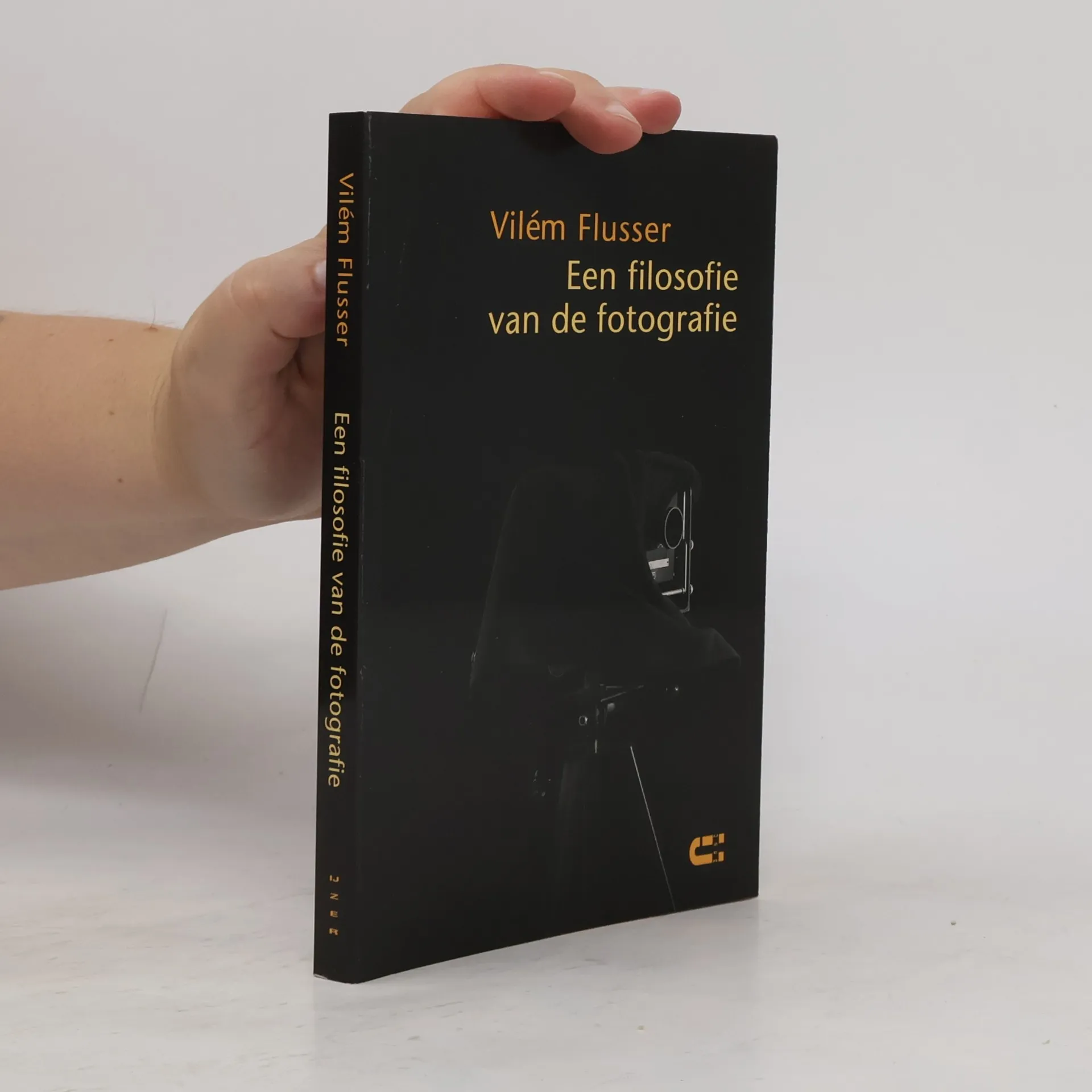
Een filosofie van de fotografie is essentieel voor iedereen die zich bezighoudt met communicatie en media, vooral fotografie. Dit essay van Vilém Flusser, zijn meest vertaalde werk, biedt een vernieuwende cultuurkritiek die verder gaat dan de fotografie-essays van Sontag, Benjamin en Barthes. Flusser combineert concepten uit thermodynamica, psychologie en communicatieleer om begrippen als apparaat, gewoonte en informatie te herdefiniëren. Hij gebruikt een uniek begrippenapparaat om vragen als wat een beeld, foto of fototoestel is, inzichtelijk te maken. Flusser bespreekt foto’s niet als documenten of in termen van representatie of kunst, maar als beelden van concepten, waarbij hij computatie, calculatie en projectie centraal stelt. Hij beschouwt de uitvinding van de fotografie als minstens zo belangrijk als die van het schrift, en benadrukt dat het technische beeld, gemaakt door apparaten, een sleutelmoment in de menselijke cultuur vertegenwoordigt. Vilém Flusser, geboren in Praag in 1920 en gevlucht voor de Nazi’s, vestigde zich in Sao Paolo en werd professor in communicatiefilosofie. Hij publiceerde diverse boeken in het Portugees en opereerde op verschillende terreinen zoals design, architectuur en mediakunst.
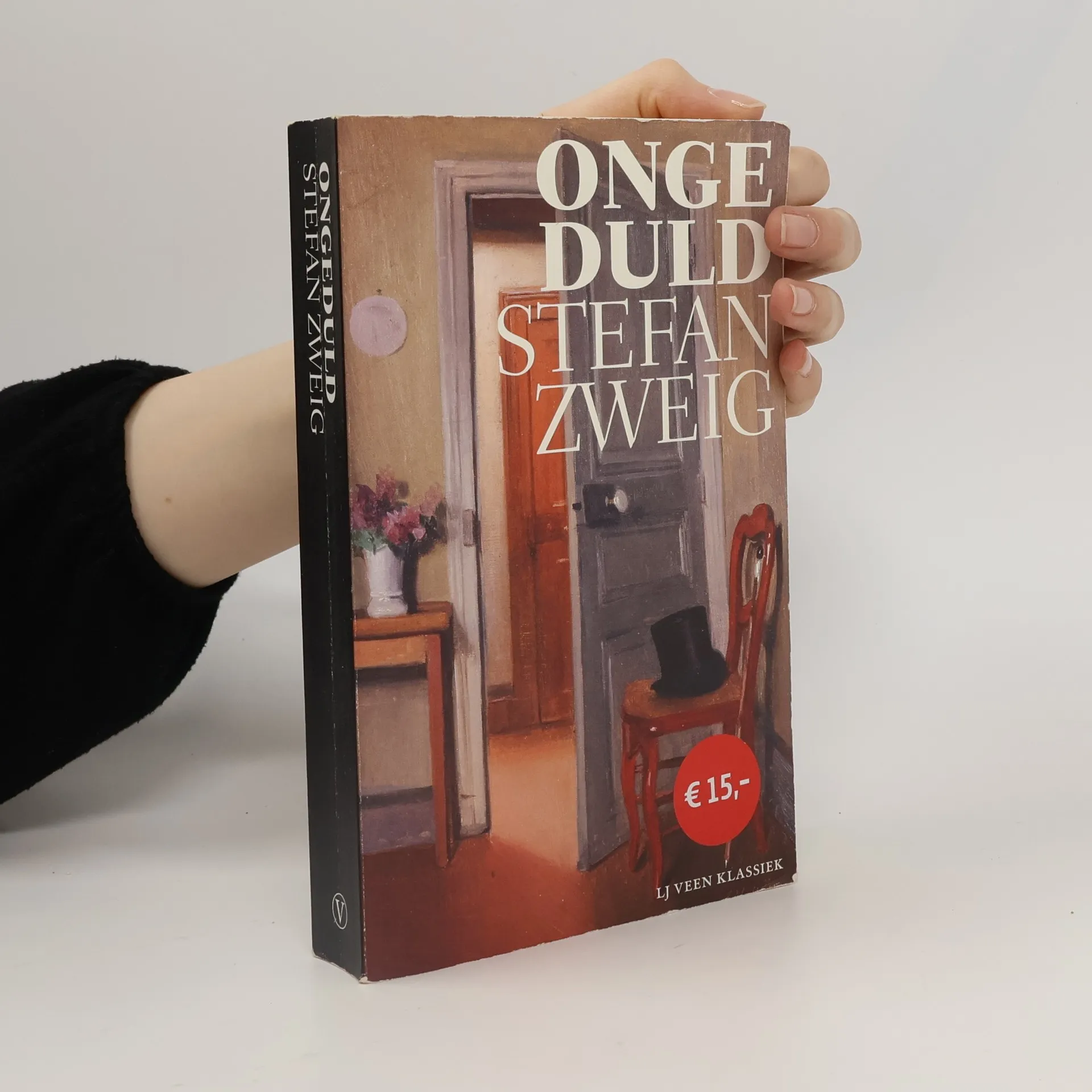
Aan de vooravond van de Eerste Wereldoorlog wordt de vijfentwintigjarige cavalerist Toni Hofmiller overgeplaatst naar een klein garnizoen aan de Oostenrijks-Hongaarse grens. Op een feest bij de aristocratische familie Kekesfalva vraagt hij per ongeluk de verlamde dochter ten dans. Dit blijkt het begin van een ingewikkelde en slepende affaire.
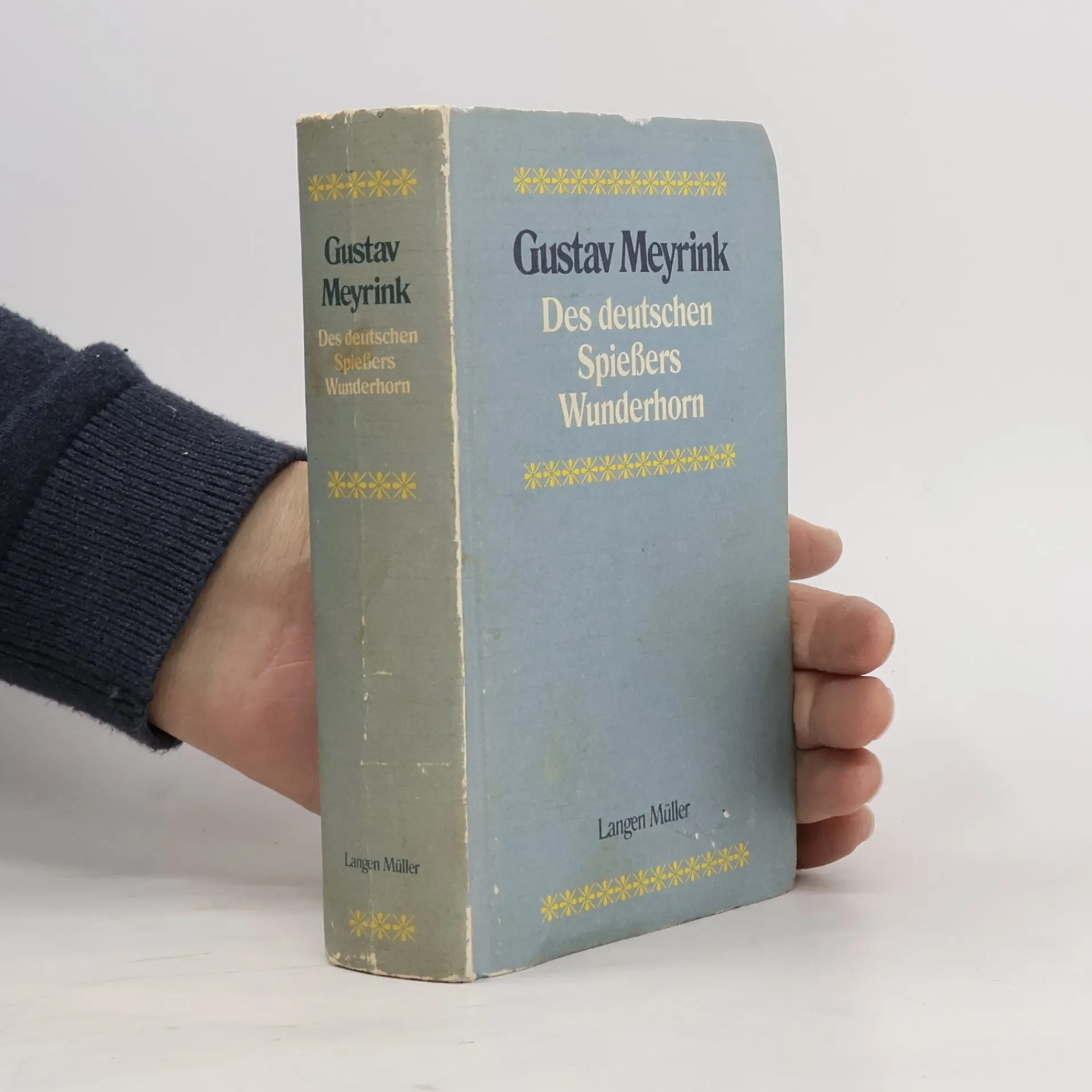
Gustav Meyrink: Des Deutschen Spiessers Wunderhorn Edition Holzinger. Taschenbuch Berliner Ausgabe, 2013 Vollstandiger, durchgesehener Neusatz mit einer Biographie des Autors bearbeitet und eingerichtet von Michael Holzinger Erstdruck: Munchen (A. Langen Verlag), 1913, 3 Bande. Textgrundlage sind die Ausgaben: Gustav Meyrink: Gesammelte Werke, Band 4, Teil 1, Munchen: Albert Langen, 1913. Gustav Meyrink: Gesammelte Werke, Band 4, Teil 2, Munchen: Albert Langen, 1913. Herausgeber der Reihe: Michael Holzinger Reihengestaltung: Viktor Harvion Umschlaggestaltung unter Verwendung des Bildes: Gustav Meyrink ca. 1886 Gesetzt aus Minion Pro, 10 pt
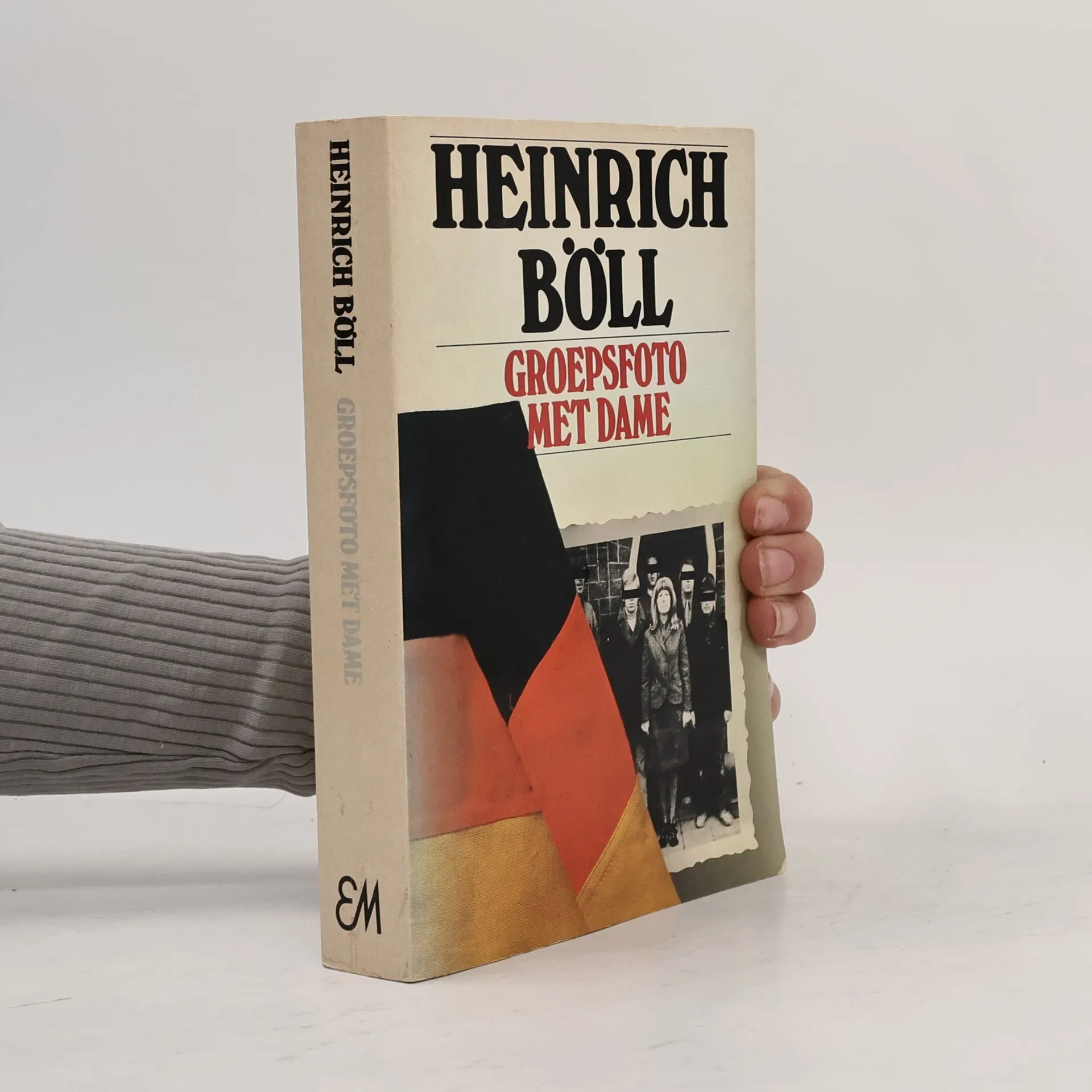
Aan de hand van interviews met de mensen om haar heen wordt het leven verteld van een jonge Duitse vrouw in de chaos rond het einde van de Tweede Wereldoorlog.
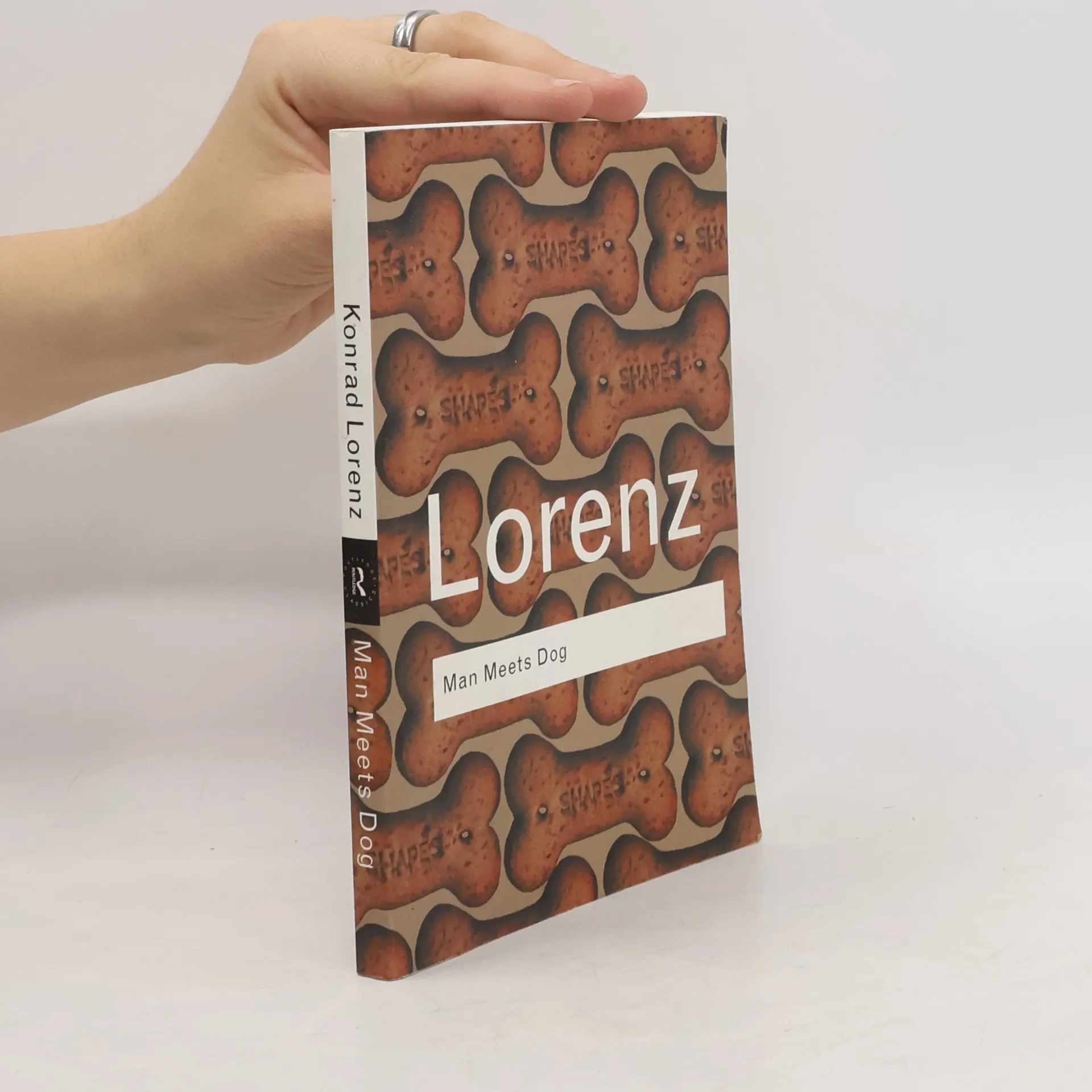
In this wonderful book, the famous scientist and best-selling author, Konrad Lorenz, 'the man who talked with animals', enlightens and entertains us with his illustrated account of the unique relationship between humans and their pets. Displaying Lorenz's customary humanity and expert knowledge of animals, Man Meets Dog is also a deeply personal and entertaining account of his relationships with his own four-legged friends. With charming sketches on almost every page, Man Meets Dog offers a delightful insight into animal and human thinking and feeling. An essential companion for all lovers of dogs (and cats!).
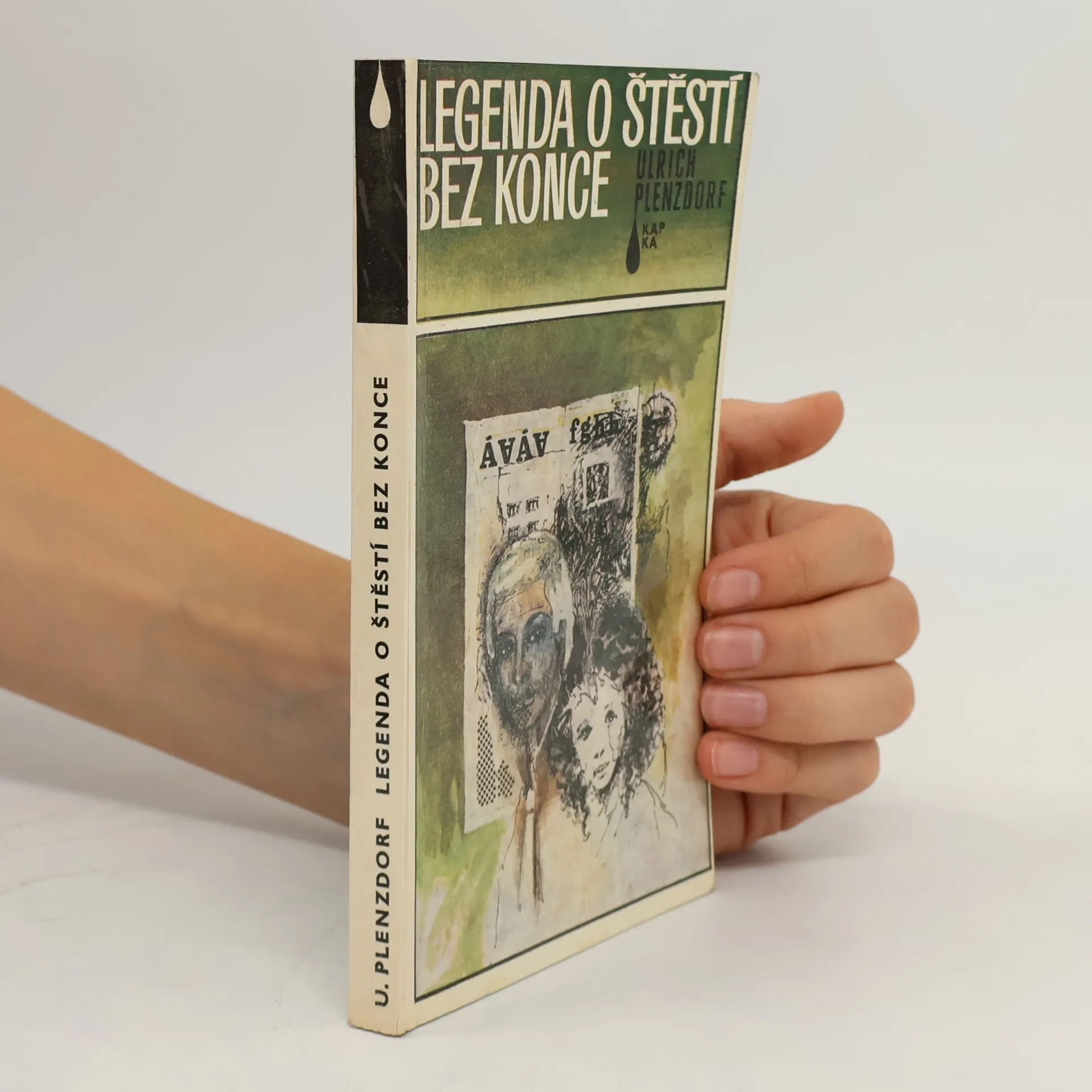
V této próze vystavěl autor monumentální pomník všem mladým lidem, kteří ideály nového společenského uspořádání, kde mají platit ryzí hodnoty lidství, probojovávají i za cenu dočasného nepochopení, na izolace mezi blahobytnými břichy lidí domnívajících se, že "jdou s dobou", ve skutečnosti ovšem žijících ve strašlivém omylu záměny jevu za podstatu. Paul a Paula své štěstí spočívající na opravdových hodnotách nedobudují, jejich zápas skončí tragicky. Avšak Plenzdorf nenapsal žádnou plačtivou historii; naopak, její poloha je naveskrz optimistická - ideál tak ryzí nemůže zemřít.
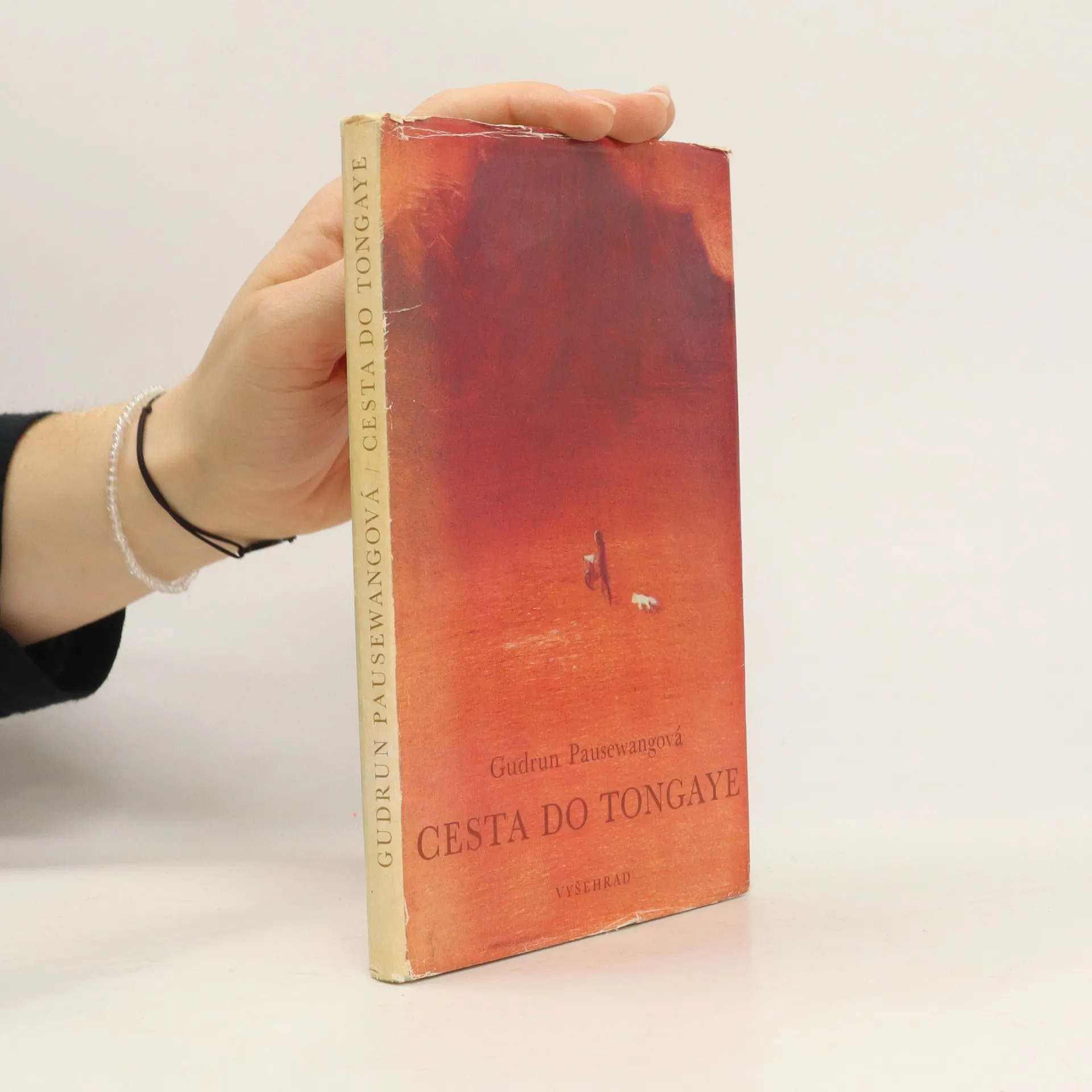
Na malé ploše novely je vylíčen osud staré flašinetářky na její cestě chilskou pouští do poutního místa Tongay. Jazykově vytříbené dílo západoněmecké autorky zachycuje prostředí, život a myšlení chudých lidí se sociálním akcentem, zdůrazněným flašinetářčiným vnitřním dramatem – putováním za holou existencí.