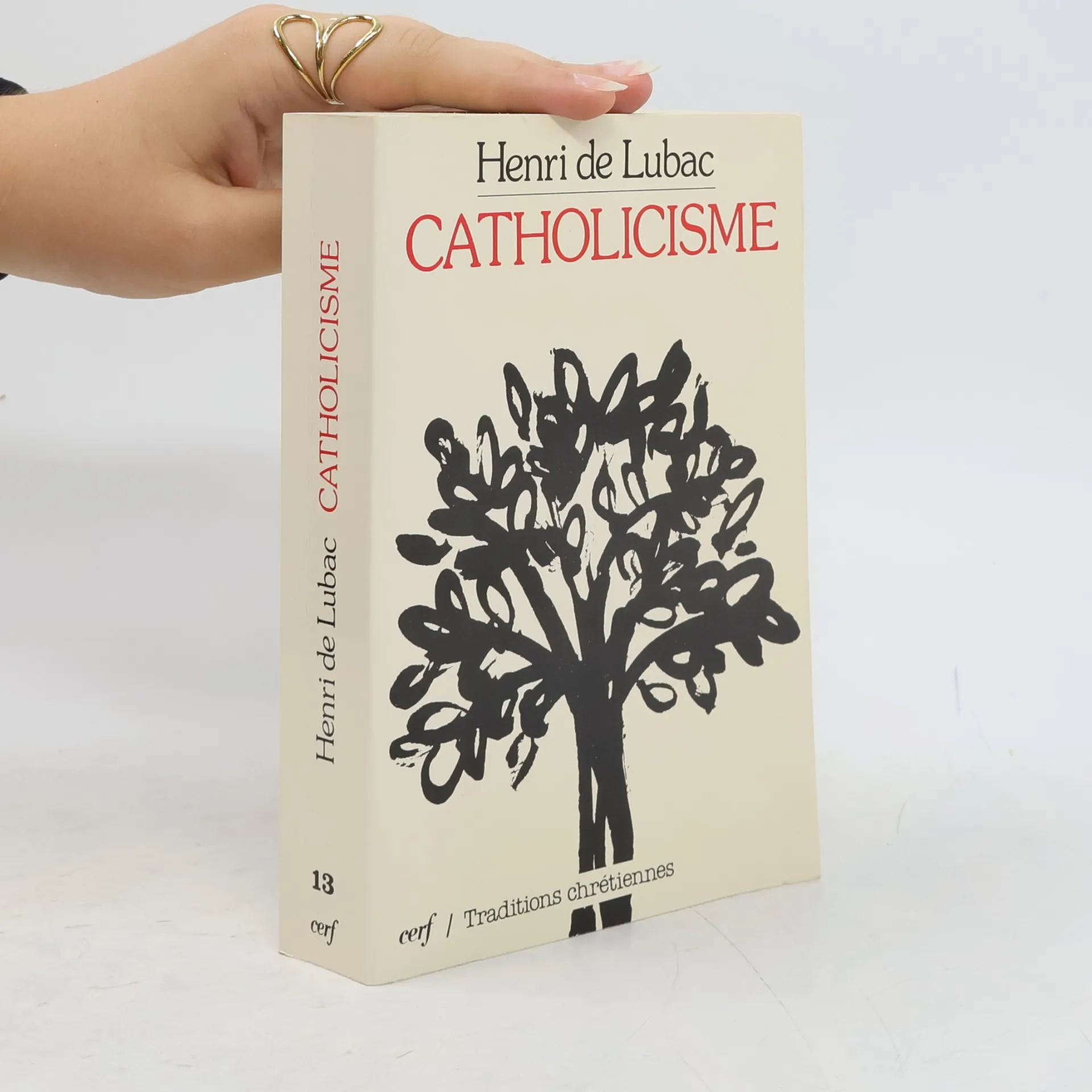

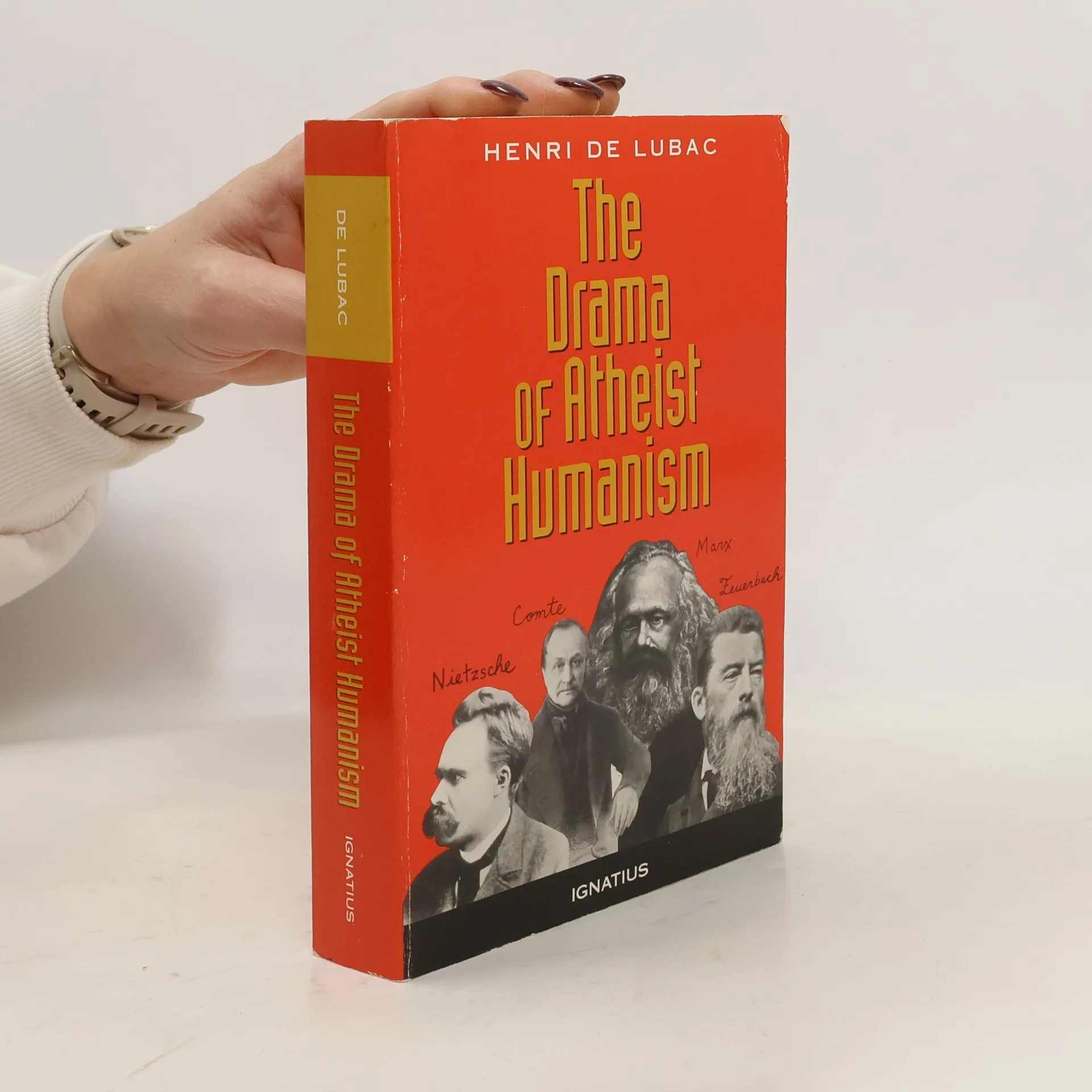
Henri de Lubac, S.J. De Lubac traces the origin of 19th century attempts to construct a humanism apart from God, the sources of contemporary atheism which purports to have "moved beyond God." The three persons he focuses on are Feuerbach, who greatly influenced Marx; Nietzsche, who represents nihilism; and Comte, who is the father of all forms of positivism. He then shows that the only one who really responded to this ideology was Dostoevsky, a kind of prophet who criticizes in his novels this attempt to have a society without God. Despite their historical and scholarly appearance, de Lubac's work clearly refers to the present. As he investigates the sources of modern atheism, particularly in its claim to have definitely moved beyond the idea of God, he is thinking of an ideology prevalent today in East and West which regards the Christian faith as a completely outdated.
Henri de Lubac Boeken
Henri-Marie de Lubac was een invloedrijke Franse jezuïeten-theoloog uit de 20e eeuw. Zijn geschriften en doctrineel onderzoek speelden een sleutelrol bij de vorming van het Tweede Vaticaans Concilie. Hij doceerde de geschiedenis van religies en beïnvloedde vele belangrijke studenten. Zijn theologische werk is essentieel voor het begrip van het moderne katholieke denken.


The Discovery of God
- 236bladzijden
- 9 uur lezen
Focusing on the concept of God and spiritual life, this work encapsulates Henri de Lubac's philosophical and theological insights. It explores the interconnectedness of faith and human existence, highlighting the significance of divine discovery in understanding the deeper aspects of spirituality. Through de Lubac's perspective, readers are invited to reflect on the essence of belief and its impact on the human experience.
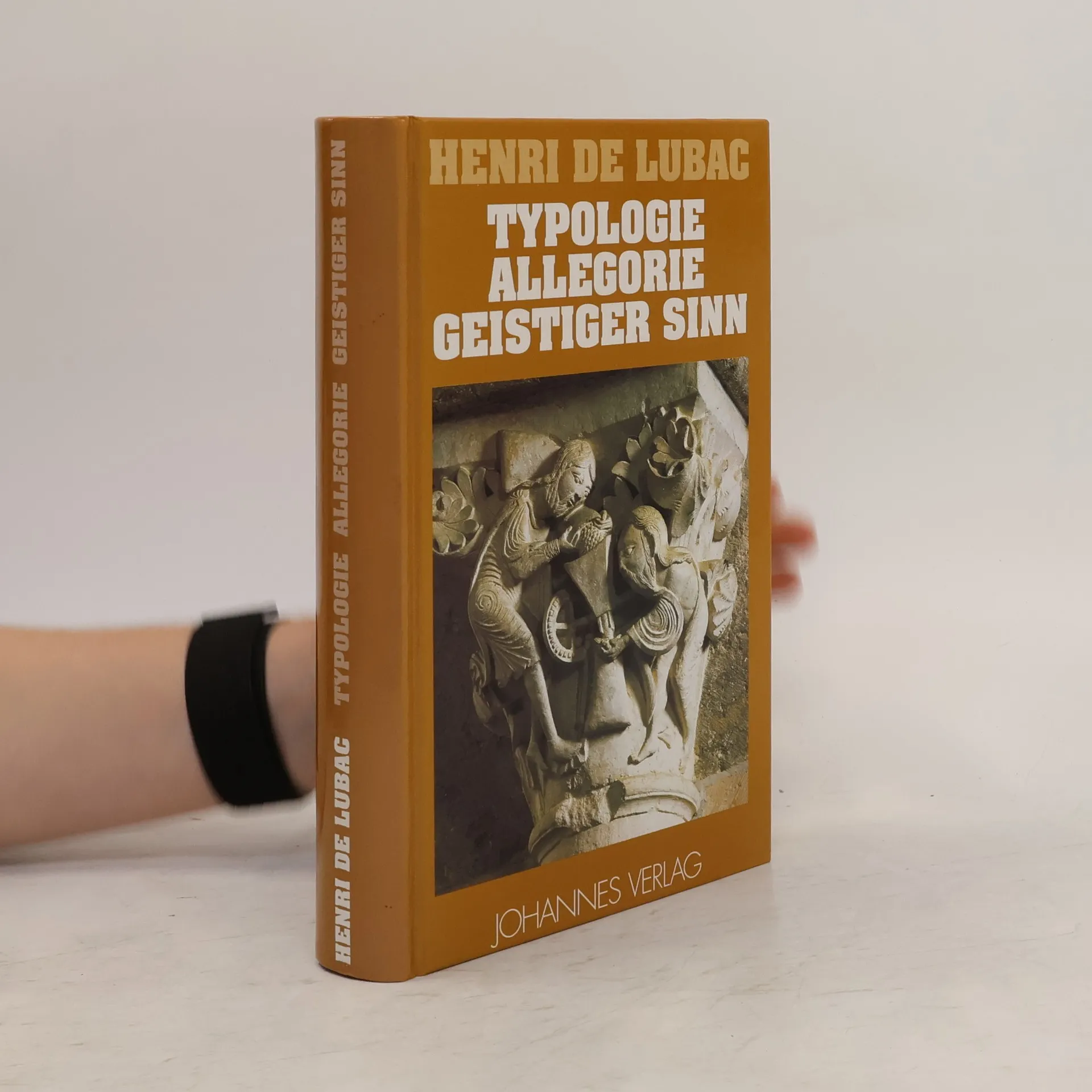
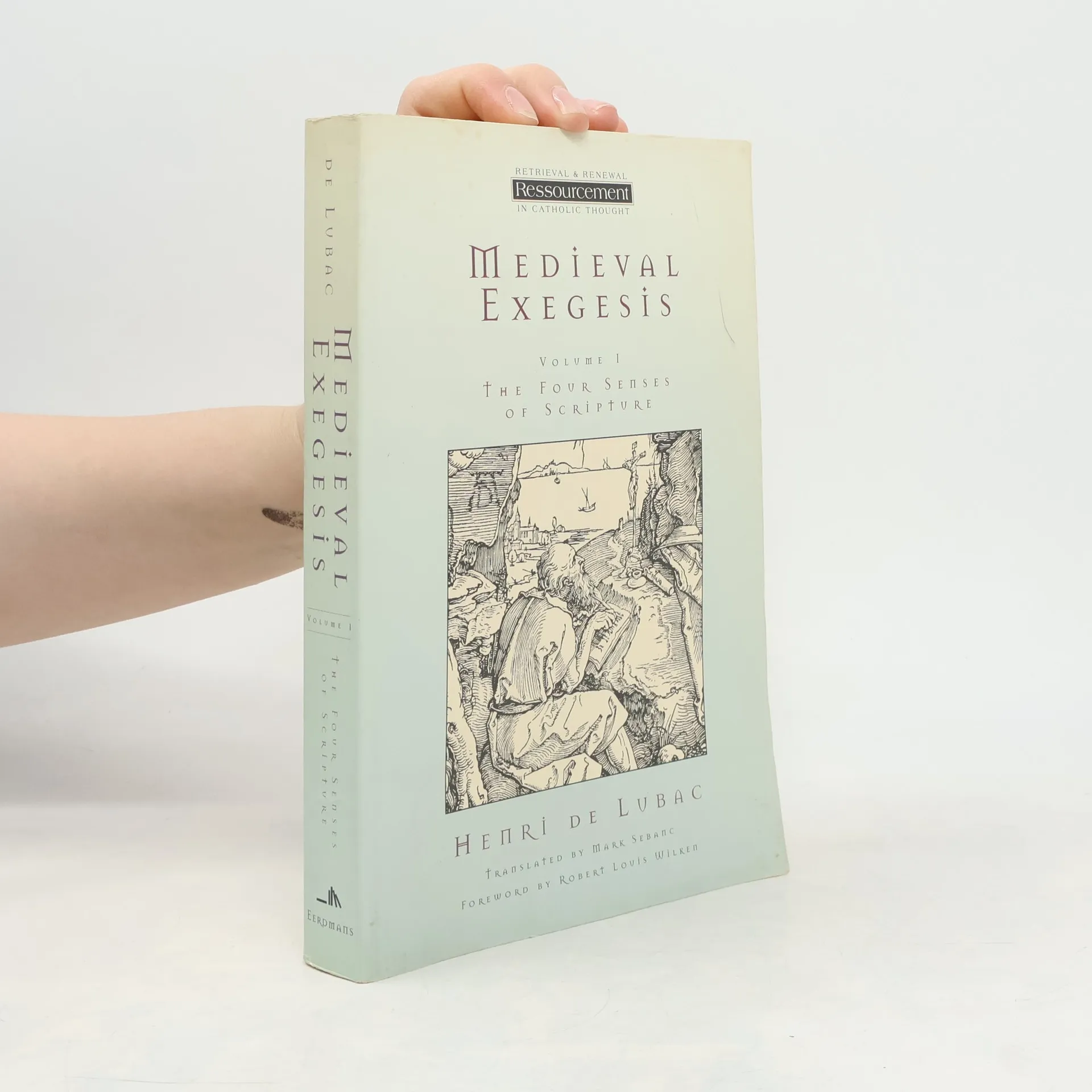
Rudolf Voderholzer legt hier nun die entsprechenden wichtigsten Originaltexte de Lubacs in deutscher Übersetzung vor:Die von de Lubac selbst zusammengestellte Kurzfassung des monumentalen vierbändigen Werkes «Exégèse médiévale» (1959-1964) mit dem Titel «L'Ecriture dans la Tradition» (1966) sowie drei umfangreiche Aufsätze: «Typologie et Allégorie» (1947), «Sur un vieux distique. Le quadruple sens de l'Ecriture» (1948) sowie «A propos de l'Allégorie chrétienne» (1959).Mit dieser Zusammenstellung ist dem deutschsprachigen Leser erstmals die Quintessenz von «Exégèse médiévale» zugänglich gemacht. Das Buch enthält auch die Texte des vergriffenen Bändchens «Der geistige Sinn der Schrift» (= Christ heute II/5) von 1952, dessen Vorwort von Hans Urs von Balthasar diesem Band als Nachwort angefügt ist.(Quelle: http://www.johannes-verlag.de/357x.htm)