Ivan Illich was een Oostenrijkse filosoof en rooms-katholieke priester, bekend als criticus van hedendaagse westerse instellingen. Zijn werk richtte zich op de effecten van onderwijs, geneeskunde, werk, energieverbruik en economische ontwikkeling op individuen en de maatschappij. Illich onderzocht hoe deze instellingen vaak menselijke autonomie beperken en natuurlijke manieren van leren en leven verstoren. Zijn geschriften roepen op tot een radicale herbeoordeling van cruciale aspecten van het moderne leven en tot het zoeken naar alternatieve, minder geïnstitutionaliseerde bestaanswijzen.
Exploring Medieval history in the 1980s, Ivan Illich reveals how foundational institutions of contemporary society were established in the twelfth century. The book delves into various themes, including health, housing, education, language, literacy, peace, and ethics, offering a critical analysis of their historical development and impact on modern life.
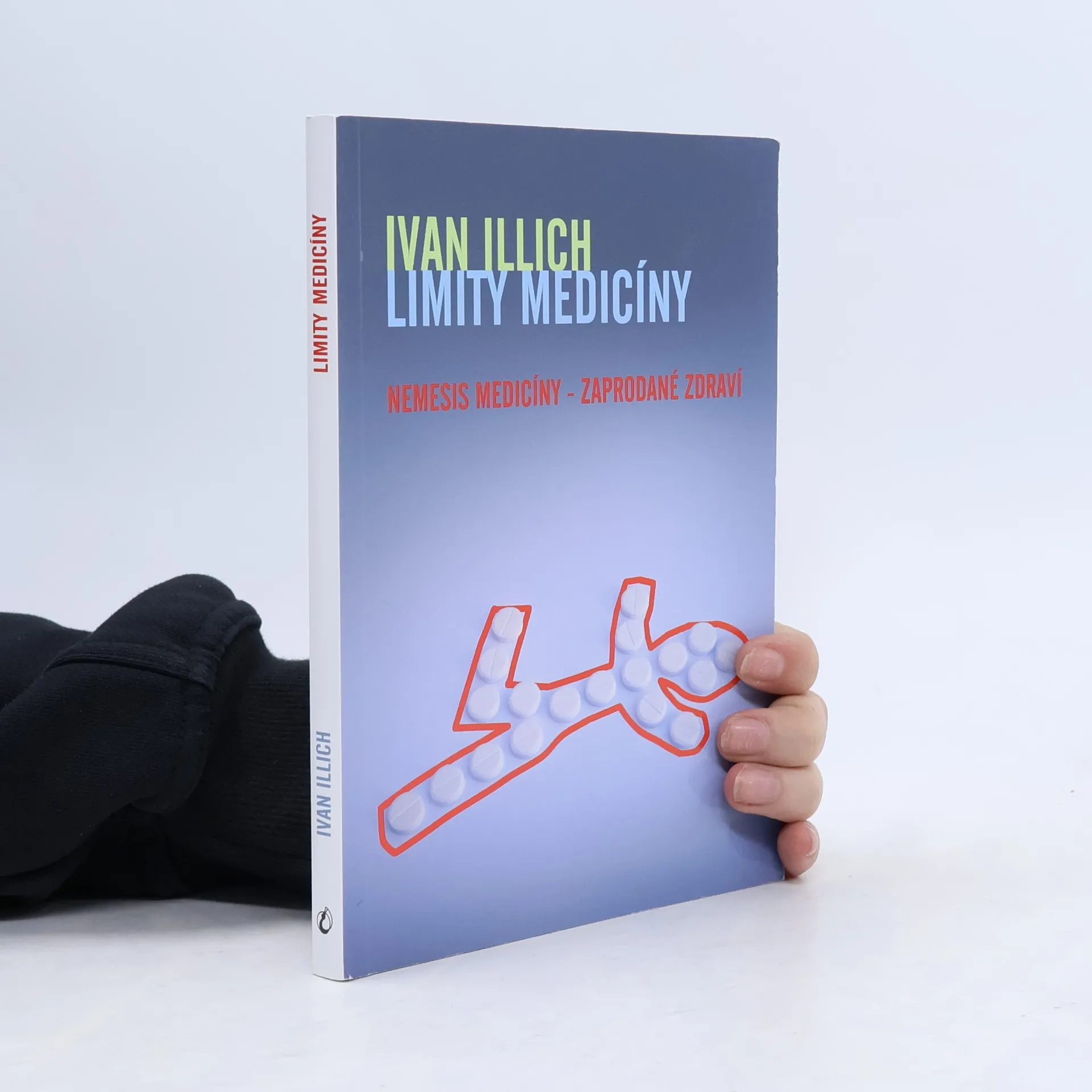
Medicínský establishment se stal významným nebezpečím pro zdraví
Těmito slovy zahajuje Ivan Illich odvážný a promyšlený útok na mytickou prestiž současné medicíny, jejíž zvyklosti a rituály provozované medicínskými profesionály podrobuje kritickému zkoumání. Neúnavně a s bohatou dokumentací převzatou z uznávaných medicínských zdrojů dokazuje neschopnost medicíny ovlivnit průměrnou délku lidského života, zbytečnost mnoha postupů při léčení nemocí, rozsah škod na zdraví způsobených medicínskými zákroky a neúčinnost mnoha kontraproduktivních medicínsko-politických opatření.
Illichova hluboce šokující analýza klinické a sociální reality týkající se chorob vytvořených lékaři zkoumá kulturu zdraví, nemoci a utrpení a obsahuje také historický exkurz do konceptů a obrazů smrti.
Jedině uznáním základních a podstatných součástí a prvků osobního zdraví a trváním na nich, prohlašuje Illich, může člověk obnovit integritu svého organismu a svého žití. "Lidé nepotřebují byrokratické zásahy k tomu, aby se milovali, rodili, sdíleli lidské podmínky a umírali. Živoucí lidské vědomí křehkosti, jedinečnosti a vztahovosti činí ze zkušenosti bolesti, nemoci a smrti integrální část života každého člověka. Schopnost nakládat autonomně s touto triádou je základní vlastností jeho zdraví.
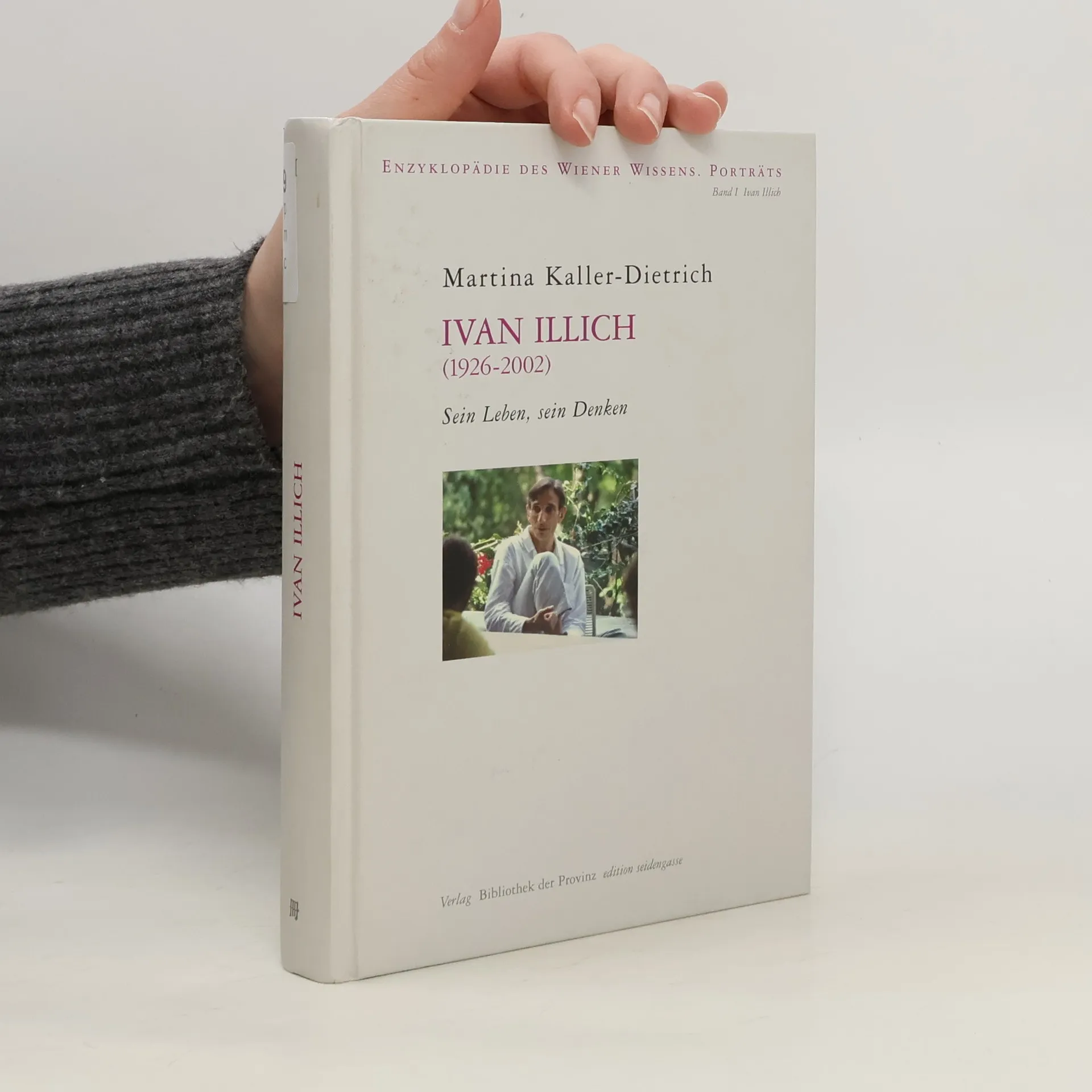
Diese Studie ist die allererste umfassende Biographie des All-Round-Wissenschaftlers, Theologen und Pädagogen sowie Modernisierungskritikers Ivan Illich. Allein diese Tatsache sollte die Aufmerksamkeit nicht nur von Historikern, sondern ebenfalls von Sozialwissenschaftlern unterschiedlichster Provenienz - sowohl geographisch als auch intellektuell - auf dieses Buch richten. Denn, obwohl die allermeisten Leser und Leserinnen dieses Bandes sicherlich bereits in vielen verschiedenen Zusammenhängen von Illich gehört haben, stand eine Gesamtdarstellung bisher noch aus. Zukünftige Biographien Ivan Illichs werden sich an den Maßstäben, die dieses Buch gesetzt hat, messen müssen
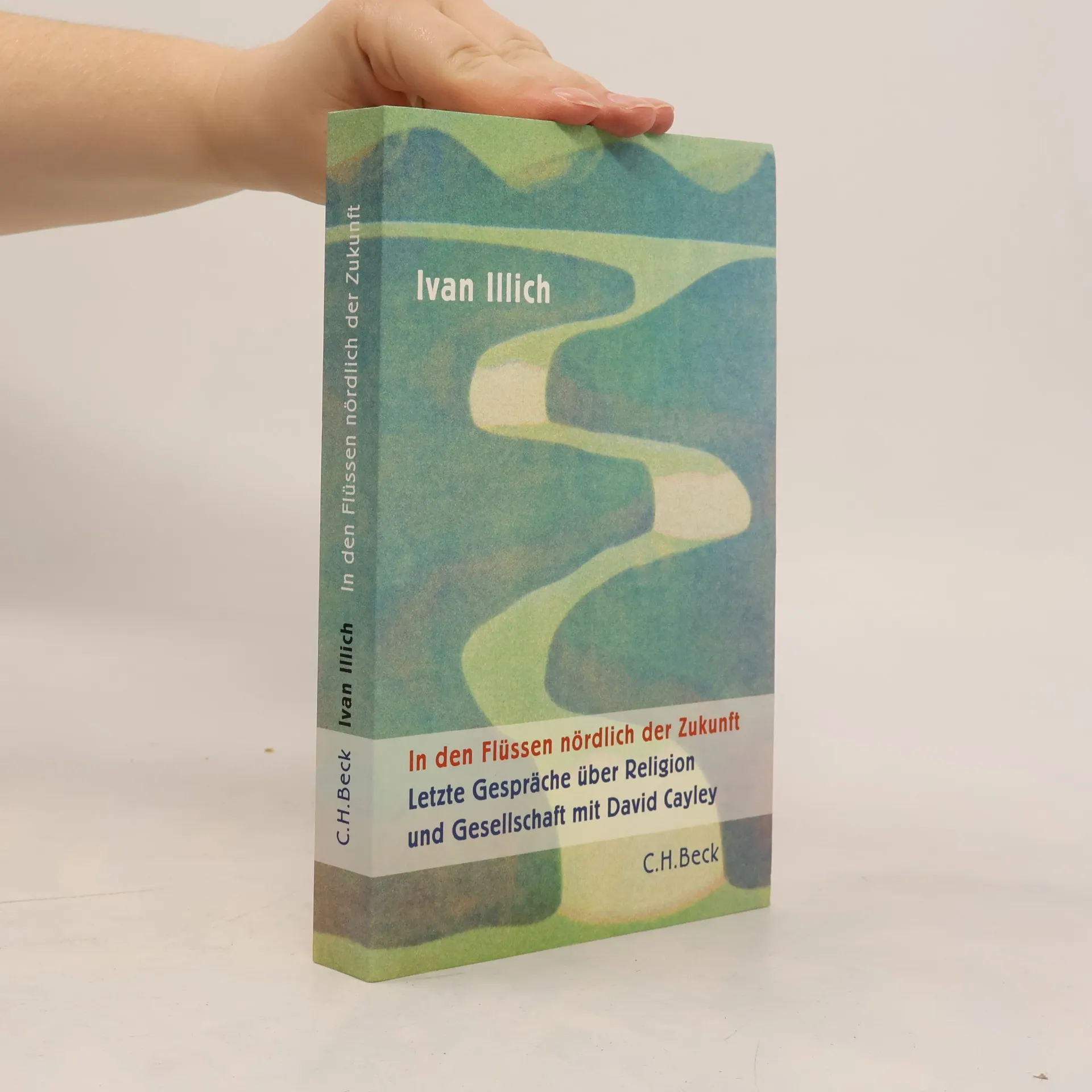
Ivan Illich zeigt in diesen Gesprächen mit David Cayley, in welcher Weise die moderne Gesellschaft in all ihren Widersprüchen und Verästelungen aus der Geschichte des Christentums und der Kirche verstanden werden muß. Seine provozierende These ist, daß die westliche Zivilisation nur angemessen als Korruption der christlichen Botschaft verstanden werden kann. Ivan Illich erkennt, daß die Moderne weder die Erfüllung, noch die Antithese zum Christentum darstellt, sondern vielmehr als dessen Perversion begriffen werden muß. Er argumentiert, daß die Anfänge der westlichen Moderne auf eine radikale Veränderung der lateinischen Christenheit zurückgehen, in deren Folge die Kirche ihre Macht einsetzte, um die Menschen zu formen und zu disziplinieren. Die Versuche der Kirche, den Weg zur Erlösung und die Erlösung selbst mittels eines umfassenden Regelsystems zu garantieren und zu regulieren, brachten eine fatale Wertschätzung von Normen und Regeln mit sich, die nicht nur im abendländischen Rechtssystem, sondern auch in der Ethik ihren Niederschlag gefunden hat. Illichs Analyse der gegenwärtigen Gesellschaft bietet eine neue Sicht auf das Christentum und die Grundlagen der abendländischen Kultur.
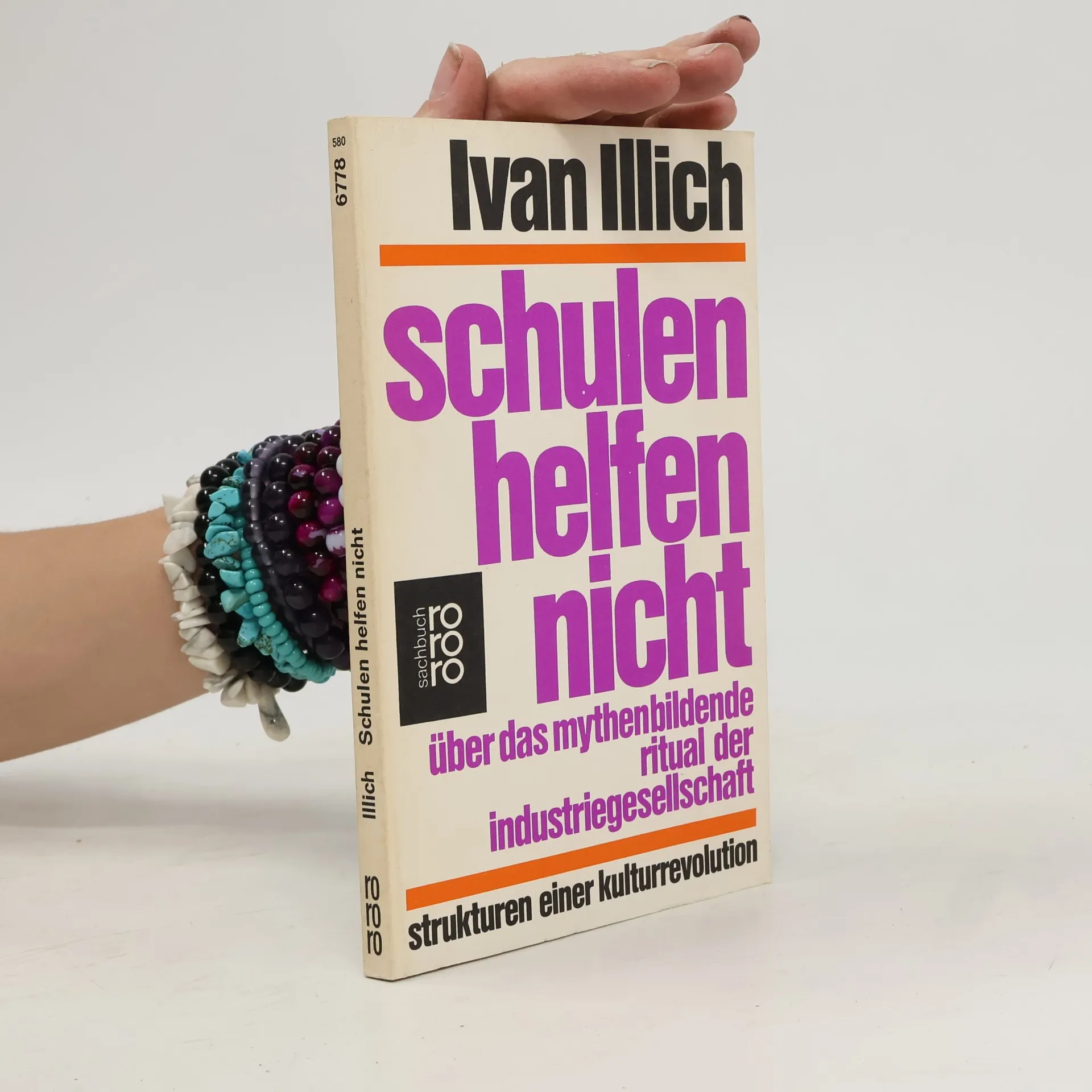
„Nimmt man Gewißheiten ernst, so töten sie das Herz und fesseln die Phantasie“. Wohl kein anderer Satz könnte die Ansichten dieses Buches besser beschreiben als dieser. 1970 erstmalig erschienen unter dem Titel „Almose und Folter. Verfehlter Fortschritt in Lateinamerika“ und in späteren Auflagen bekannt geworden unter dem Titel „Schulen helfen nicht“, erhält dieses Buch Illichs aufsehenerregenden Analysen und Arbeiten uns besonders wichtiger und geläufiger Institutionen, die in so entscheidendem Maße das Selbstverständnis des Menschen in der modernen Industriegesellschaft prägen. Institutionen, so Illich, verkörpern eine Täuschung, vermitteln fälschlicherweise Gewißheiten, die es aufzudecken und in Frage zu stellen gilt; gerade Einrichtungen wie Schule, Kirche, Caritas, Entwicklungshilfe und Missionierung leisten nicht das, was sie vorgeben zu leisten, sondern erweisen sich, wie Ivan Illich zeigt, als besonders raffinierte Instrumente der Ausweitung mit all ihren deprimierenden Auswirkungen auf die einstmals eigenständige Kultur der jeweiligen Länder. Ein Buch, von dem es im Süddeutschen Rundfunk u. a. hieß: „(...) eine sehr nützliche Publikation, die Klarheit schafft, wo bisher manches auch gutgemeinte Buch nur vernebelt hat (...).“
Ivan Illich was a multifaceted thinker and priest whose work spanned education, social justice, and cultural critique. He established CIDOC in Mexico, a hub for his innovative ideas, and authored influential books addressing themes such as conviviality, the nature of work, and societal structures. His writings challenge conventional views on education and professional roles, advocating for a more equitable and aware society. Through his exploration of topics like gender and environmental issues, Illich's legacy continues to provoke thought and inspire change.
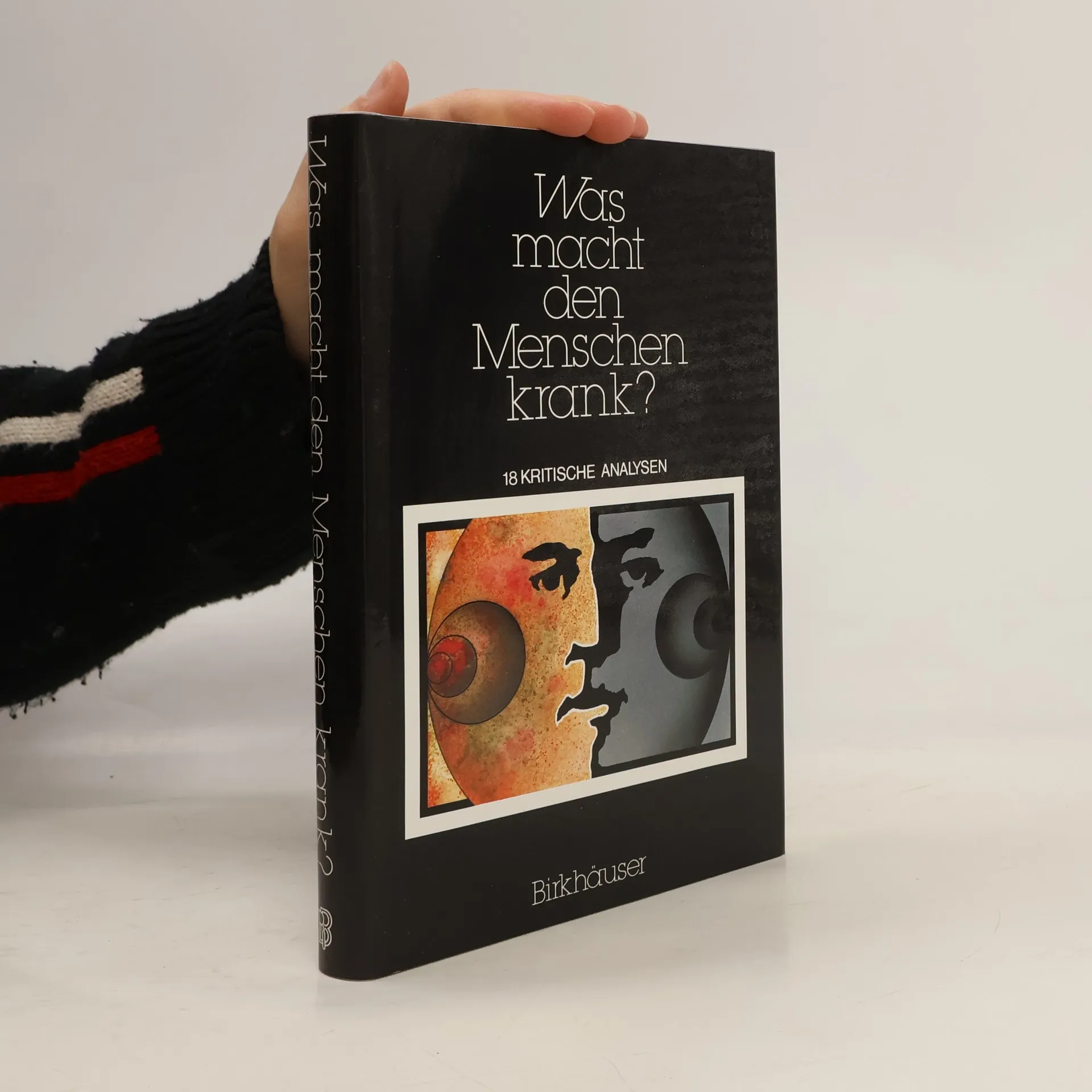
In der heutigen Industriegesellschaft betrachten vor allem junge Menschen Gesundheit oft als selbstverständliches Gut, das immer verfügbar ist. Krankheitsrisiken scheinen in der unbestimmten Zukunft zu liegen. Diese Distanz zur Krankheit stellt die Effektivität der Gesundheitsbildung in Frage, da diese nur dann Wirkung zeigt, wenn ihre Konzepte im Alltag und in der Gesellschaft verankert sind. Verhaltensänderungen erfordern jedoch direkte Erfahrungen und eine unmittelbare Auseinandersetzung mit der Realität. Oftmals erleben Menschen gesundheitliche Beeinträchtigungen erst im Erwachsenenalter, was zwar die Motivation zur Auseinandersetzung mit Gesundheit fördert, jedoch häufig zu spät geschieht und meist nur individuelle Bemühungen sind. Es ist notwendig, die Vorstellung von Gesundheit als Besitz in ein Verständnis von Gesundheit als lebenslangem Prozess zu transformieren. Dies bedeutet, krankmachende Bedingungen und Herausforderungen frühzeitig zu erkennen und darauf sinnvoll zu reagieren. Der internationale Kongress „Gesundheit in eigener Verantwortung - Medizin - Gesellschaft“, veranstaltet von der Stiftung Niedersachsen und der Unternehmer-Initiative Niedersachsen im September 1990 in Hannover, widmete sich diesem Anliegen.
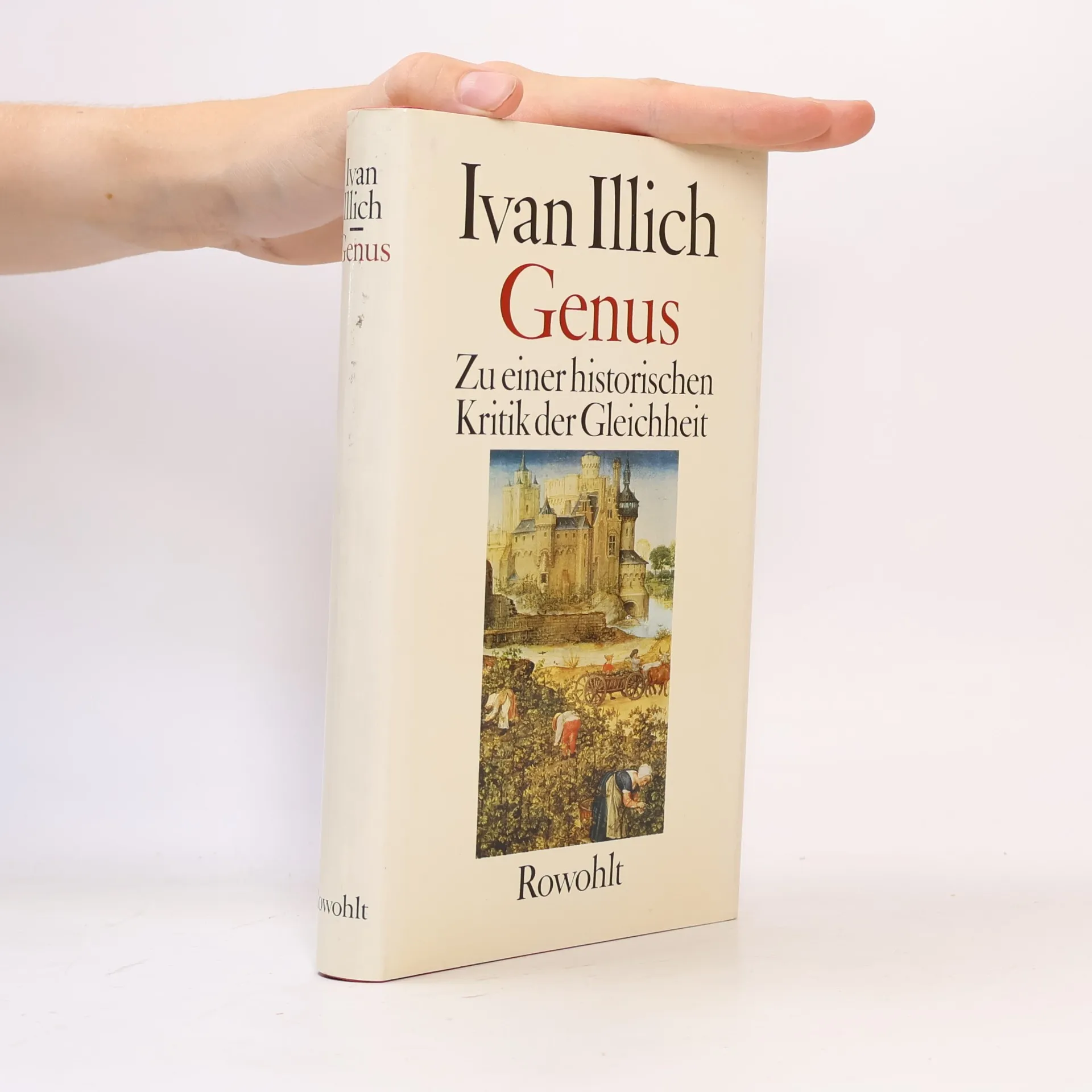
„Ich kenne keine industrielle Gesellschaft, in der die Frauen den Männern ökonomisch gleichgestellt sind.“ Für Illich ergibt sich die Diskriminierung der Frau, der ökonomische Sexismus, weder aus „natürlichen“ noch aus „kulturellen“ Bedingungen. Vielmehr datiert der Anfang der ökonomischen Sklaverei mit dem Beginn der modernen Industriegesellschaft, in der Frauen und Männer zu etwas historisch völlig Neuem wurden: zu geschlechtslosen Wesen - was jedoch keineswegs zu mehr Gleichheit zwischen den Geschlechtern geführt hat. „Genus“ will damit auch eine historisch begründete Kritik an einem illusionären Begriff von Gleichheit sein, wie er allen Entwürfen politischer Emanzipation zugrunde liegt.
Kombiniert historische und wirtschaftliche Perspektiven, um die wirtschaftliche Existenz des modernen Menschen, den Krieg gegen die Subsistenz und Schattenarbeit – die unterbezahlte Arbeit, die einzigartig für eine Industrieökonomie ist – zu untersuchen.
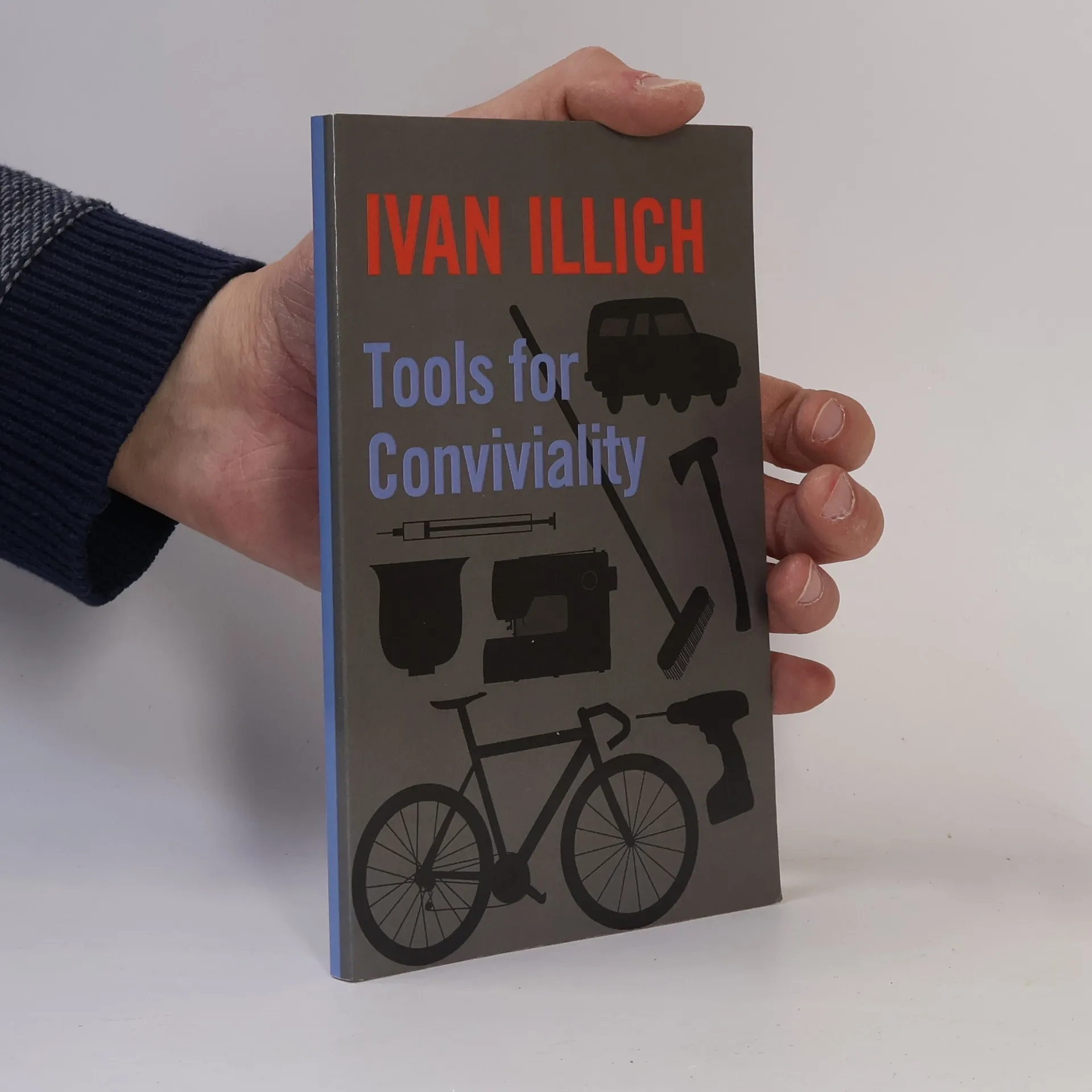
Ivan Illich argues for individual personal control over life, the tools and energy we use. A work of seminal importance. The conviviality for which noted social philosopher Ivan Illich is arguing is one in which the individual's personal energies are under direct personal control and in which the use of tools is responsibly limited. A work of seminal importance, this book claims our attention for the urgency of its appeal, the stunning clarity of its logic and the overwhelmingly human note that it sounds.
s/ A Call for Institutional RevolutionThe book consists of 12 essays on the following Vietnam & the resistance; the war on poverty; Latin America, Puerto Rico & immigration to the US mainland; Catholic Church problems; the Church's role in social change & development; the futility of schooling; the question of technical assistance & programs for 3rd world birth control. Each issue, while real & urgent in its own right, becomes a paradigm case which reveals a fundamental theoria/praxis of revolution, informed by a philosophical & theological discipline & sensibility which transcends, tho it cannot avoid, concrete issues in a given time & place. In each essay, Illich uses the method of radical doubt--not in a Cartesian but in a Socratic sense. He challenges the 'nature of some certainty' purveyed as truth. Hence he's dealing with 'the deception embodied in one of our institutions.' The most widespread & pernicious deception pretended as certainty he questions is the certainty of ideological liberals who assume that people make their livee by their institutions & therefore the institutions of N. American industrial civilization can & should be translated to the 3rd world for its own especially the institutions of schooling & technical assistance designed to help a given nation emulate the affluence of the US.--Richard A. Journal of the American Academy of Religion (edited)
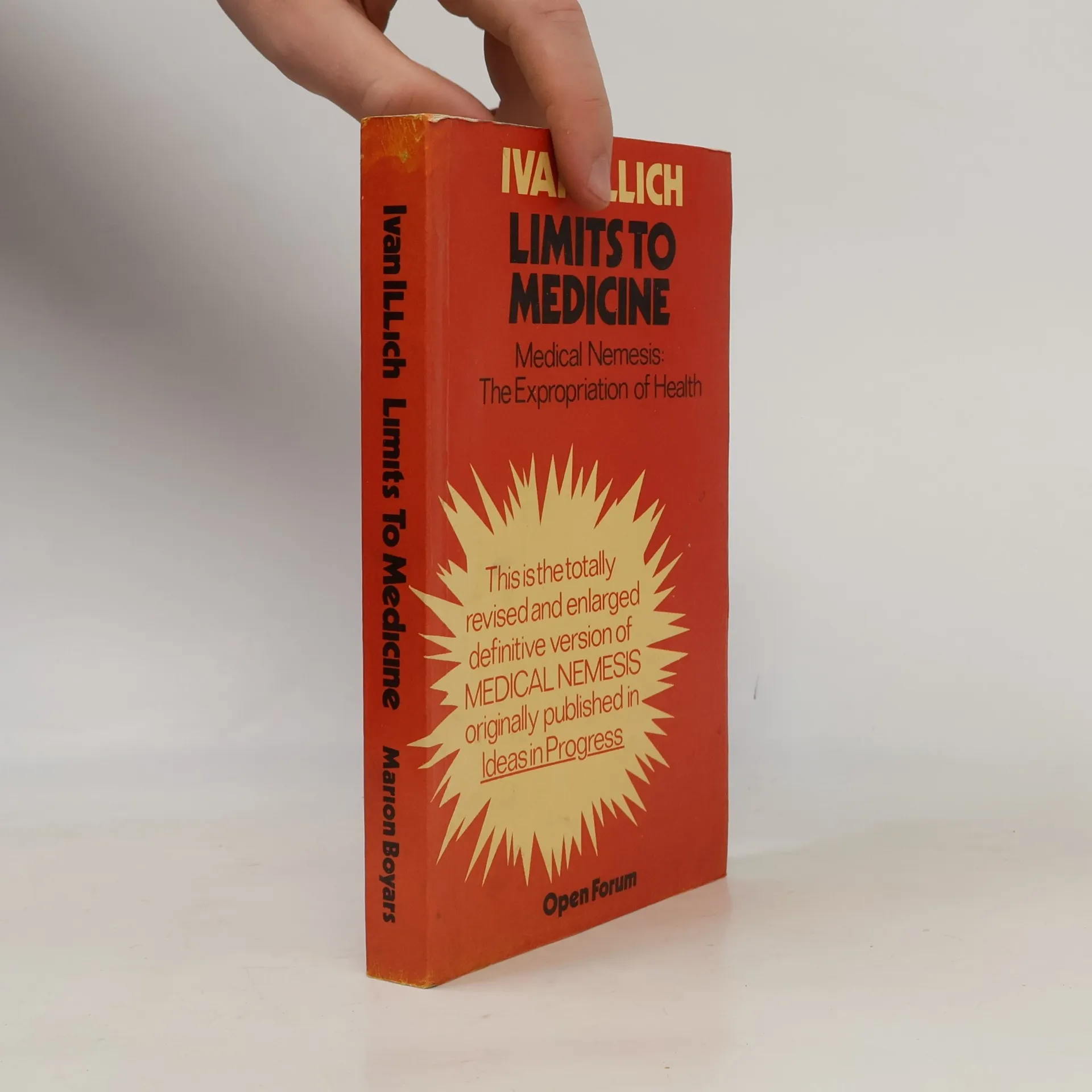
This polemic critiques the health professions, portraying them as profiteers, priests, and kings within an overindustrialized society. The proliferation of medical specialists and a mechanistic view of the body have led to an overmedicalization of health, which Illich terms "iatrogenesis"—disease caused by doctors. This phenomenon manifests clinically through incorrect diagnoses and treatments, socially through policies that dictate health definitions, and culturally by fostering beliefs that undermine individual freedom and responsibility. Such a system breeds fear, increases pain (thus driving demand for drugs), promotes custodial care, and strips individuals of decision-making power. Patients are transformed into passive consumers, conditioned to seek health services from birth to death, resulting in the ultimate expropriation of health. While Illich acknowledges medical advancements, he critiques the broader imbalance within industrial society rather than targeting individuals. His final chapter on alternatives emphasizes the complexities of reform. This critique is timely, and despite potential backlash from health professionals, the compelling nature of his arguments may resonate even with those within the field.
Un'appassionante e convincente apologia della bicicletta: della sua bellezza e saggezza, delle sue virtù come alternativa alla crescente carenza di energia e al soffocante inquinamento. Illich nota acutamente che la bicicletta e il veicolo a motore sono stati inventati dalla stessa generazione. Ma sono simboli di due opposti modi di usare il progresso moderno. La bicicletta permette a ognuno di controllare la propria energia metabolica (il trasporto di ogni grammo del proprio corpo su un chilometro percorso in dieci minuti costa all'uomo 0,75 calorie). Il veicolo a motore entra invece in concorrenza con tale energia.
Deschooling Society (1971) is a critical discourse on education as practised in modern economies. It is a book that brought Ivan Illich to public attention. Full of detail on programs and concerns, the book gives examples of the ineffectual nature of institutionalized education. Illich posited self-directed education, supported by intentional social relations in fluid informal arrangements.