Feminism for the 99%
- 96bladzijden
- 4 uur lezen
From three of the organisers of the International Women's Strike US: a manifesto for when 'leaning in' is not enough.


Cinzia Arruzza is een filosofe wiens werk zich verdiept in de kruispunten van oude metafysica, politiek denken en hedendaagse kritische theorie. Haar wetenschap navigeert door de complexiteit van Plato en Aristoteles, waarbij ze fundamentele concepten van bestuur en realiteit onderzoekt. Arruzza onderzoekt ook kritisch de marxistische theorie en feministische perspectieven, met een focus op kapitalisme, gender en de dynamiek van sociale reproductie. Haar intellectuele onderzoek is gericht op het overbruggen van klassieke filosofische zorgen met dringende moderne sociaaleconomische vraagstukken.


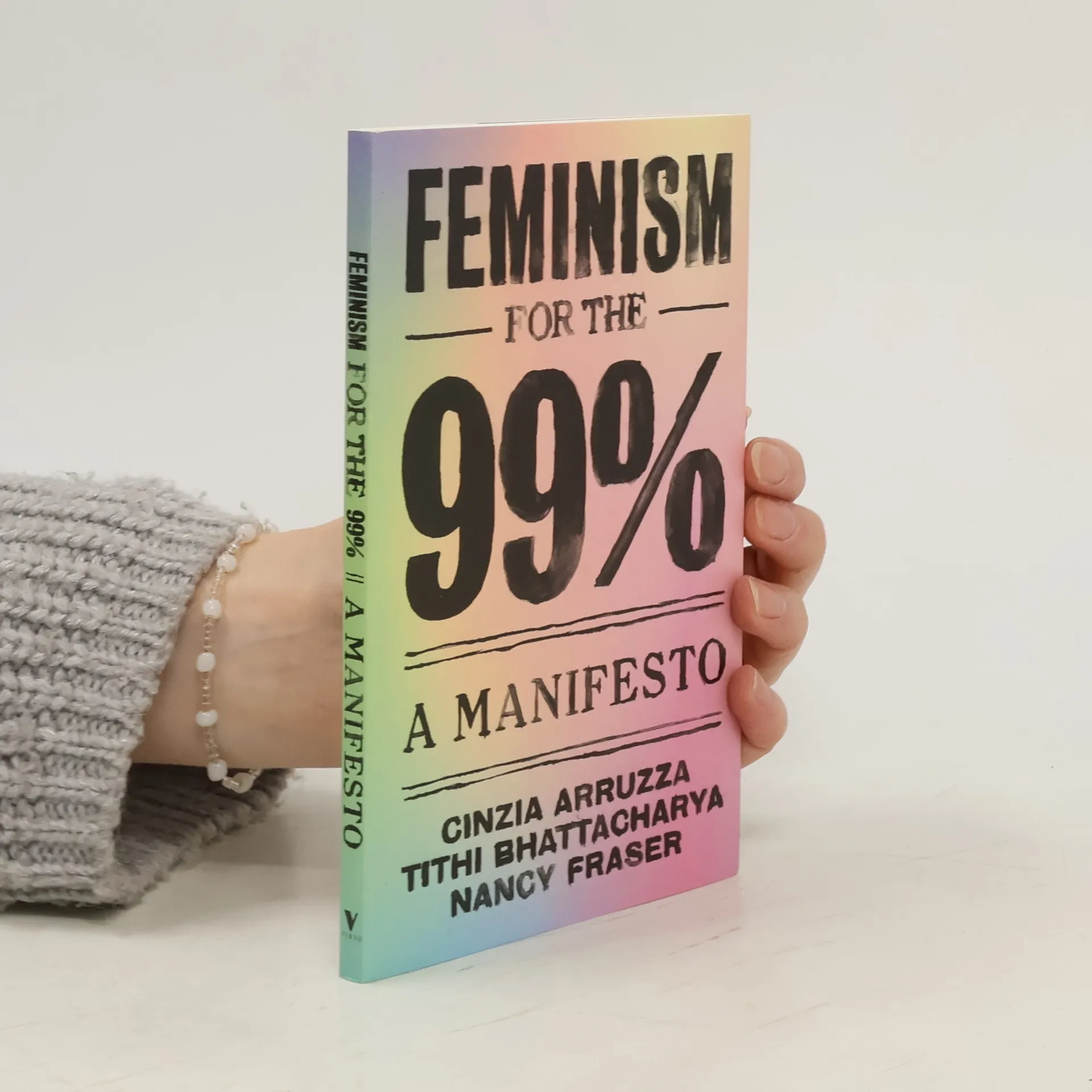
From three of the organisers of the International Women's Strike US: a manifesto for when 'leaning in' is not enough.
�i�ek is to today what Jacques Derrida was to the '80s: the thinker of choice for Europe's young intellectual vanguard. -Observer
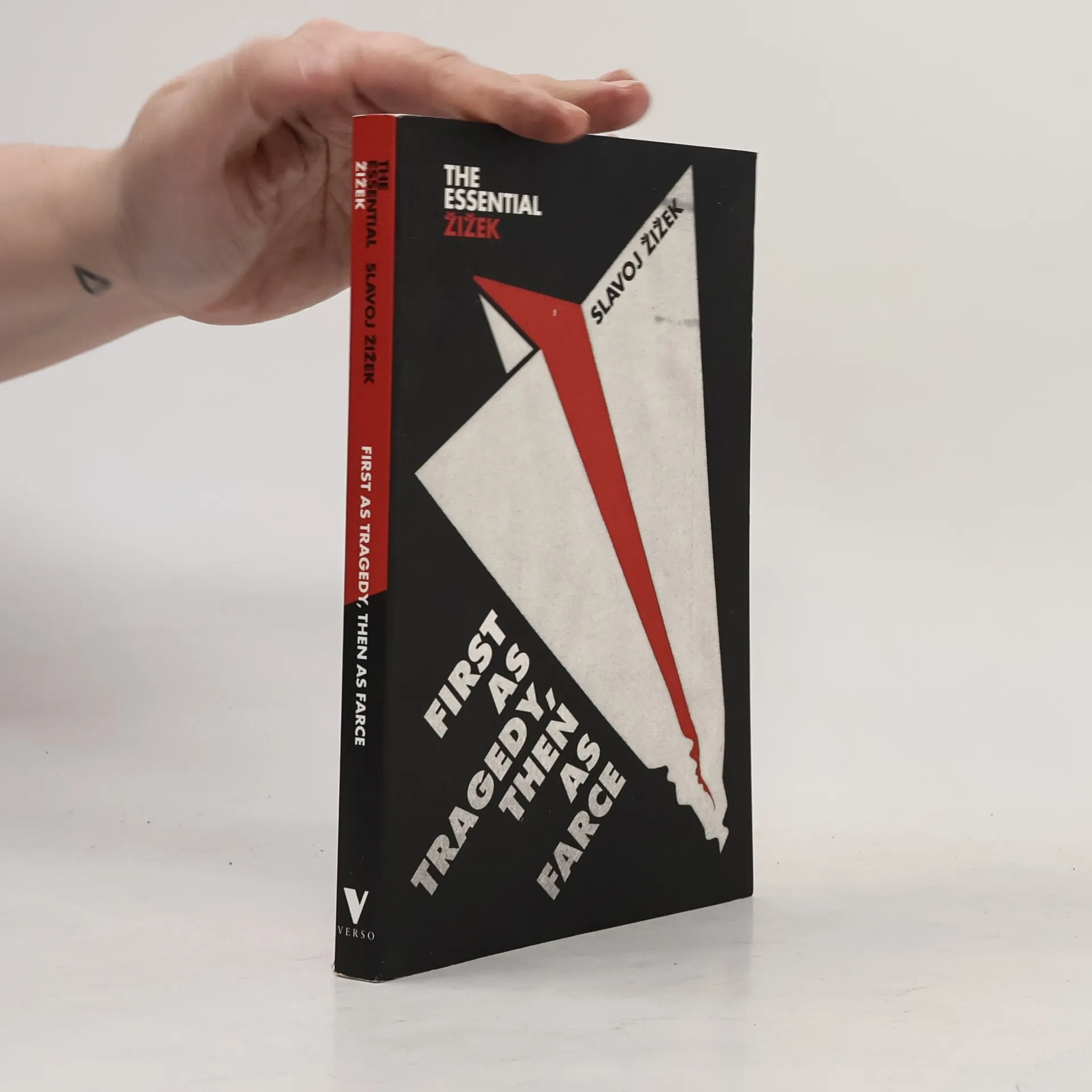
Is global emancipation a lost cause? Are universal values outdated relics of an earlier age? In fear of the horrors of totalitarianism should we submit ourselves to a miserable third way of economic liberalism and government-as-administration?In this major new work, philosophical sharpshooter Slavoj Žižek takes on the reigning ideology with a plea that we should re-appropriate several ‘lost causes,’ and look for the kernel of truth in the ‘totalitarian’ politics of the past.Examining Heidegger’s seduction by fascism and Foucault’s flirtation with the Iranian Revolution, he suggests that these were the ‘right steps in the wrong direction.’ He argues that while the revolutionary terror of Robespierre, Mao and the Bolsheviks ended in historic failure and monstrosity, this is not the whole story. There is, in fact, a redemptive moment that gets lost in the outright liberal-democratic rejection of revolutionary authoritarianism and the valorization of soft, consensual, decentralized politics.Žižek claims that, particularly in light of the forthcoming ecological crisis, we should reinvent revolutionary terror and the dictatorship of the proletariat in the struggle for universal emancipation. We need to courageously accept the return to this Cause — even if we court the risk of a catastrophic disaster. In the words of Samuel Beckett: ‘Try again. Fail again. Fail better.’