Bookbot

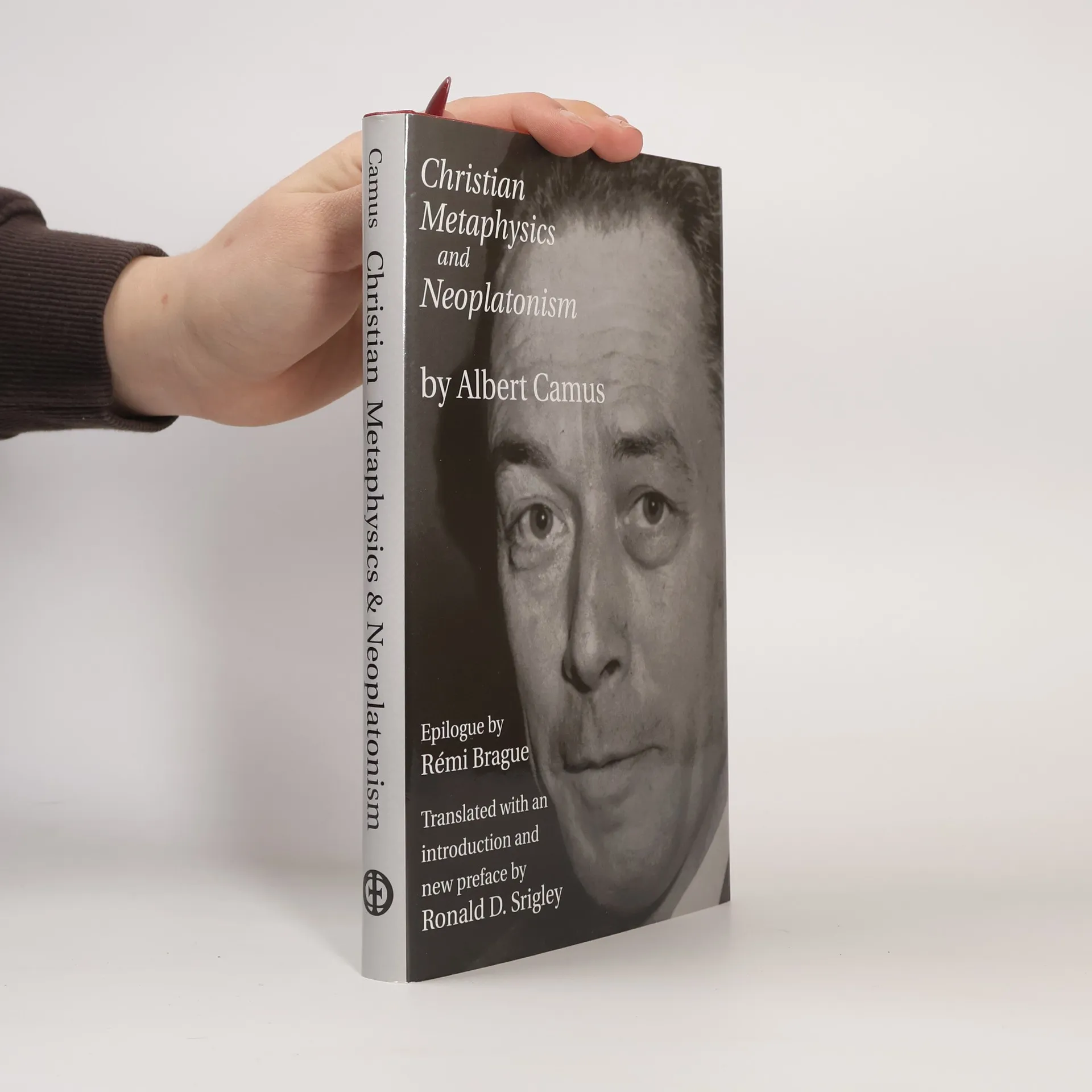
Albert Camus

    7 november 1913 – 4 januari 1960

    Albert Camus, een Franse auteur van Algerijnse afkomst, staat bekend om zijn verkenning van het absurde en de menselijke opstand ertegen. Zijn werken behandelen vaak thema's als vervreemding, de zoektocht naar betekenis en morele orde in een godloze wereld. Camus' proza wordt gekenmerkt door zuiverheid, intensiteit en rationaliteit, wat zijn meedogenloze ethische onderzoek weerspiegelt. Zijn literaire nalatenschap ligt in zijn dringende lessen over het omarmen van het absurde met hoop en het afwijzen van wanhoop.

    Albert Camus
    Notebooks, 1942-1951
    Speaking Out
    De vreemdeling
    De mythe van Sisyphus
    De pest
    De val
    • 2025

      Úvahy o terorismu

      • 212bladzijden
      • 8 uur lezen

      Překlad francouzského výboru vydaného roku 2002 přináší úryvky z děl různých žánrů: novinové články, úryvky beletristických děl nebo esejů, osobní dopisy, předmluvy ke sborníkům a ukazuje jak různorodost Camusovy tvorby, tak hlubokou jednotu jeho otázek i přesvědčení. Vybrané texty byly napsány v letech 1943 až 1958 a od té doby se mnoho změnilo a otázka terorismu nabyla podstatně odlišných rozměrů. Camus se nedožil nezávislého Alžírska, ani pádu SSSR, ani vzestupu náboženského fanatismu. Přestože promýšlel a psal tyto stránky pro svou dobu, nepochybně se týkají i nás – ať jde o novinové články nebo úryvky z esejů a literárních děl – a mohou nám pomoct lépe pochopit současné dění v Alžírsku, na Středním východě i newyorské události z 11. září 2001. Tyto texty totiž vypovídají o Camusově prozíravosti založené na morálních, filosofických a politických úvahách, jež jsou vždy úzce spjaty s historickými událostmi. Camus důrazně odmítá jakkoliv ospravedlňovat zabíjení a nesouhlasí s tvrzením, že by účel světil prostředky, protože je přesvědčen, že „násilí je zároveň nevyhnutelné i neospravedlnitelné“ a že určité meze jsou nezbytné proto, aby spravedlnost, svoboda, lidská důstojnost a štěstí zůstaly zachovány; přináší nám tedy vzkaz bez iluzí, ale paradoxně také důvody, abychom si ze světa nezoufali.
      Úvahy o terorismu
    • 2025

      a collection of short stories by French novelist Albert CamusBest known for his existentialist novel The Outsider, set in French-occupied Algeria, Albert Camus was profoundly influenced by the landscapes, towns and traditions of his youth. Selected here are some of his finest personal essays about Algeria and its environs, including the luminous ‘Nuptials at Tipasa’, one of his earliest works where he developed the themes that would inform his later philosophy: to thrive now, without hope for paradise, as mortal life alone can be worthwhile.Series: Penguin ArchiveA new thematic collection of stories taken out of several of of his original works:L'envers et l'endroit (1937)Noces (1939)L été (1954)
      A Short Guide to Towns Without a Past
    • 2024
    • 2024

      The Plauge

      • 214bladzijden
      • 8 uur lezen

      Set against the backdrop of Algeria, the novel portrays an epidemic that prompts characters to confront isolation and existential crises. As suffering escalates, they engage in deep philosophical reflections on morality and resilience. Camus explores the randomness of death and the absurdity of existence, illustrating how individuals grapple with despair while seeking meaning. The narrative emphasizes community solidarity and compassion amid crisis, ultimately serving as a meditation on the human condition and the courage required to face life's inherent absurdities.

      The Plauge
    • 2024

      The exquisite manga adaptation of one of the world's greatest 20th century fiction classics'My mother died today. Or maybe yesterday, I don't know.'A stranger to society, a stranger to his own life, Meursault seems indifferent to everything. In The Outsider, Camus explores the alienation of an individual who refuses to conform to social norms. When his mother dies, he refuses to show his emotions simply to satisfy the expectations of others. And when he commits a random act of violence on a sun-drenched beach near Algiers, his lack of remorse compounds his guilt in the eyes of society and the law. Yet he is as much a victim as a criminal.A first in Penguin Modern Classics, Camus' classic existentialist novel is told through Ryota Kurumado's powerful artwork. Unlike previous editions of Camus' novel, Meursault and other characters' emotions are drawn out through stunning illustrations and seen for the first time. A rare and challenging feat, Kurumado's manga adaptation makes a novel first published in 1942 feel contemporary.

      The Outsider: Manga Edition
    • 2023

      Camus'nün 1938'de tamamladığı ancak 1960'ta bir araba kazasında ölümünden on yıl sonra, 1970'te basılan bu kitabı, kendi yaşamından altı ana öykü etrafında biç Parlak oyunun öyküsü. Lüks. Yoksul mahallenin öyküsü. Annenin ölümü. "Dünyanın Karşısındaki Ev"in öyküsü. Cinsel kıskançlığın öyküsü. Ölüm mahkumunun öyküsü. Güneşe doğru inişin öyküsü. Eseri yayına hazırlayan Jean Sarocchi, kitapla ilgili değerlendirmesini şöyle "Camus'nün yayımlamadığı Mutlu Ölüm'ün, bir yapıttan çok bir belge olduğunu ve yazarın deha dosyasına eklenmek üzere bu belgede olumlu parçaların bulunmasının onun parlaklığı için yettiğini söylemek gerekir mi? Bunları bulma zevki okura bırakılıyor."

      Mutlu Ölüm
    • 2023

      Albert Camus, a prominent French writer, is celebrated for his influential novels and philosophical works. However, his journals, kept from 1935 to 1959, provide a personal insight into his thoughts and experiences. Beautifully retranslated by Ryan Bloom and introduced by Alice Kaplan, this collection showcases Camus's reflections during his visits to the United States in 1946 and South America in 1949. At the time of his 1946 trip, Camus was largely unknown in America, but the impending publication of "The Stranger" would soon change that, propelling him to literary stardom. By 1949, he had become an international celebrity. His journals from these journeys capture his impressions, frustrations, and aspirations, revealing vivid first encounters with New York City, interactions with publishers, and moments shared with fellow travelers. Camus's candidness shines through as he expresses irritation with mediocrity and grapples with health issues, while also finding joy in landscapes, women, and his philosophical musings. Now available in English after a long absence, these journals invite readers to accompany the existentialist thinker on his journey, exploring his passions and concerns in his unique voice.

      Travels in the Americas
    • 2023

      This collection features four thought-provoking masterworks by the Nobel Prize-winning author, presented in a new American translation by Ryan Bloom. It includes Camus's final versions of the plays, along with deleted scenes and alternate dialogue, making this the first time they are available in English. While renowned for his novels exploring absurdism, Camus found joy in the theater, calling it "one of the only places in the world I'm happy." After forming two troupes in Algeria, he moved to Paris, where he staged these original works between 1944-1949. Caligula, his first full-length play, explores the Roman emperor's grief over his sister Drusilla's death, raising existential questions about living in the face of time's relentless passage. The collection also includes The Misunderstanding, which delves into the complexities of longing for home versus the allure of elsewhere; The Just, which examines the ethical dilemmas surrounding political assassination; and State of Emergency, an allegorical piece featuring The Plague as a character, offering fresh insights into contemporary struggles with disease and authoritarianism. Together, these plays illuminate the depths of human experience and the moral dilemmas we face.

      Caligula and Three Other Plays: A New Translation by Ryan Bloom
    • 2023

      Das Exil und das Reich

      Gesammelte Erzählungen

      3,5(4)Tarief

      Sechs Erzählungen von Albert Camus, vereint durch ein Thema: das Exil als Gefangenschaft des Menschen in einer falschen, beengenden Umgebung. «Welch ein Stil! Welche Präzision und Eleganz, Sparsamkeit und visionäre Plastizität! Dass es auch in unserem Jahrhundert noch möglich ist, Wahrheit und Schönheit, Maß und Vision, Eleganz und Unbestechlichkeit zu vereinigen, schenkt uns Vertrauen zum Gewesenen, tröstet uns in der Dunkelheit des Tages und lässt uns hoffen für morgen.» (Walter Jens)

      Das Exil und das Reich