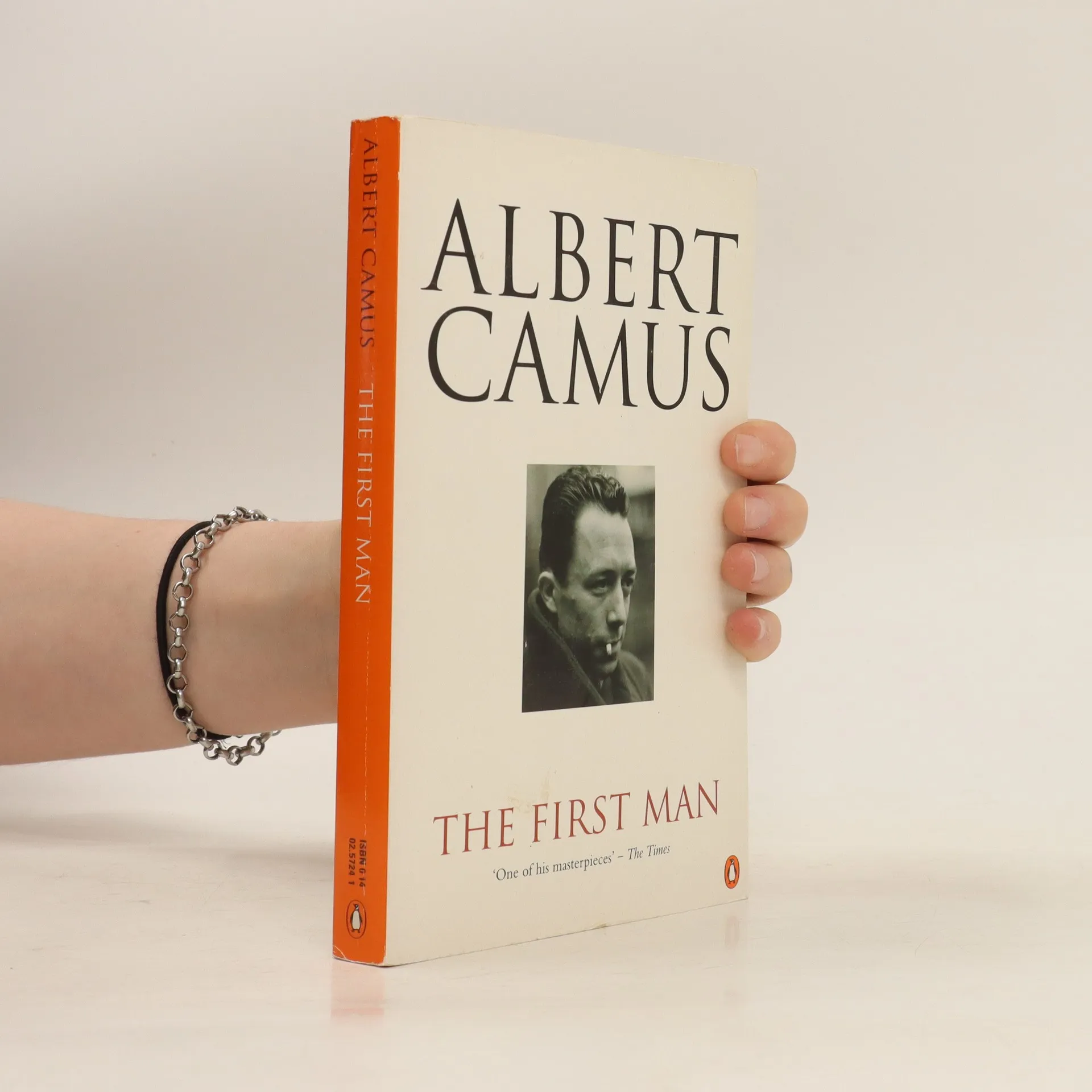
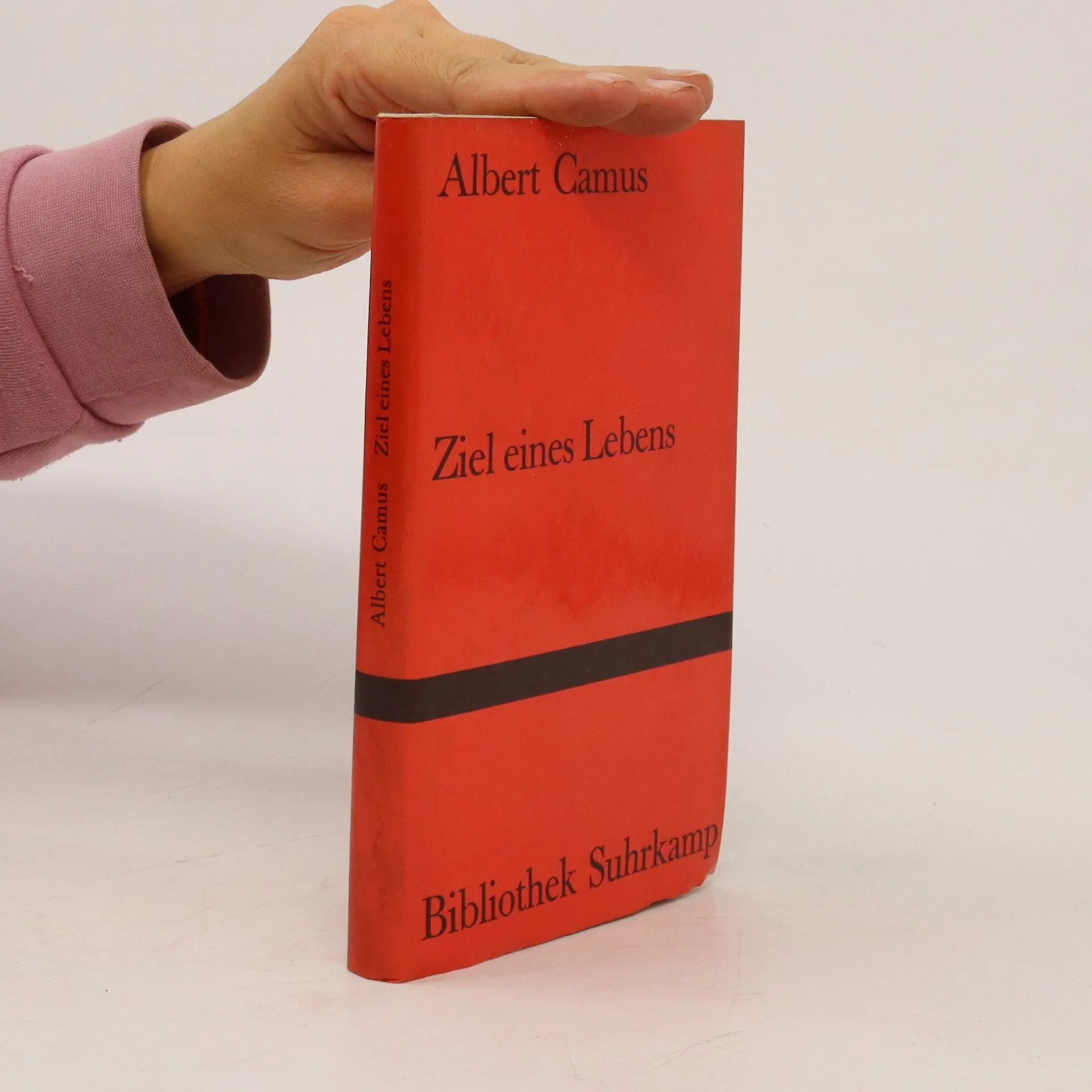
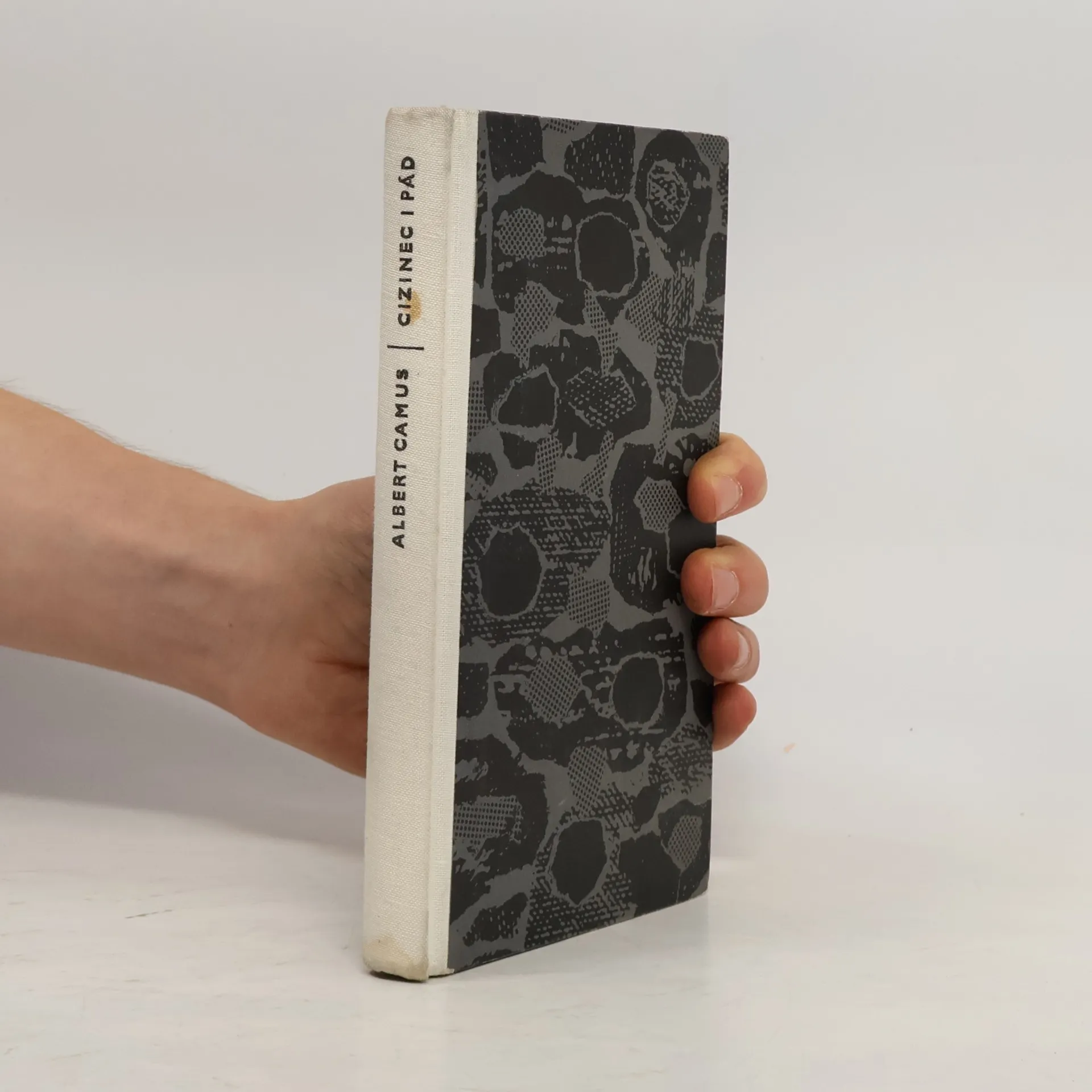
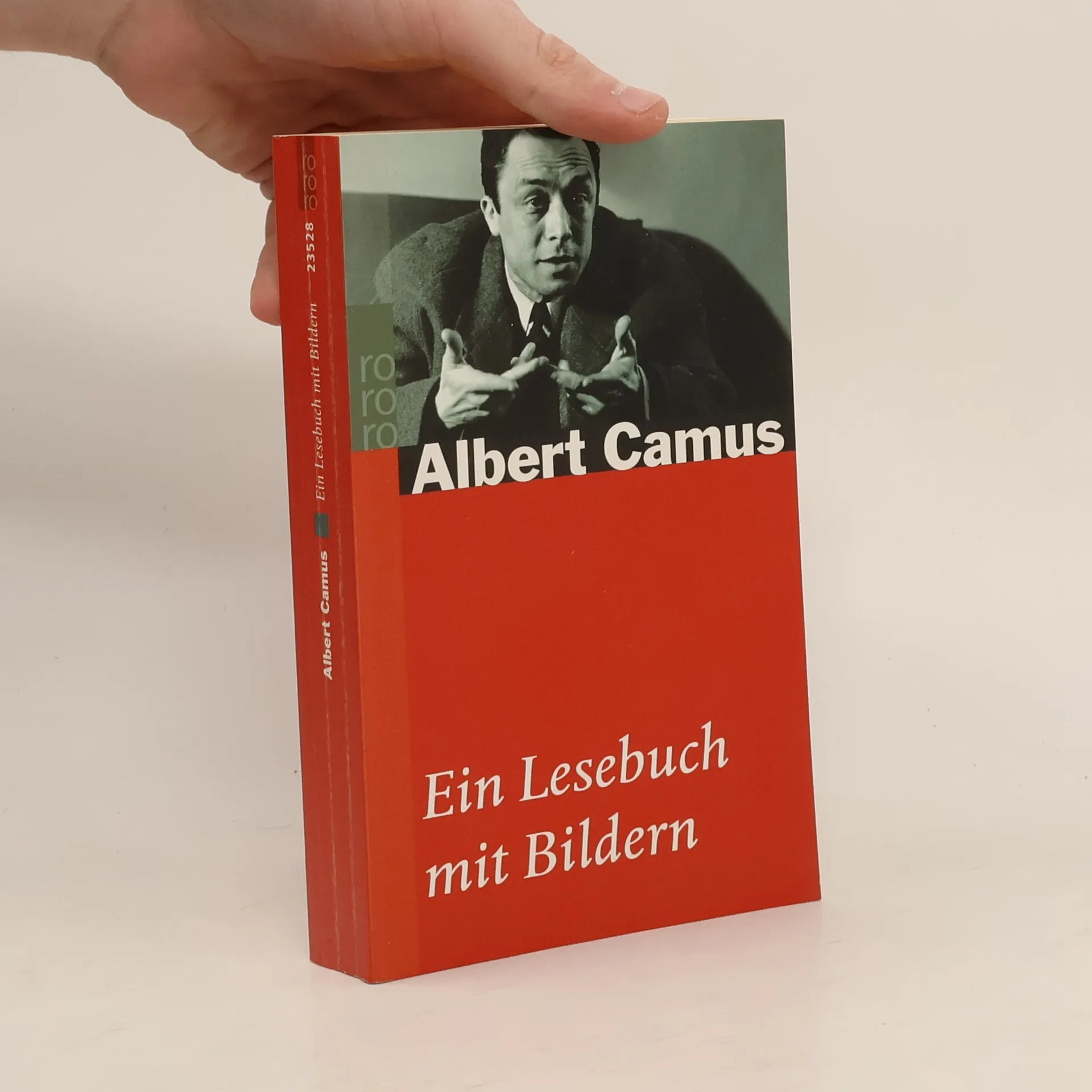
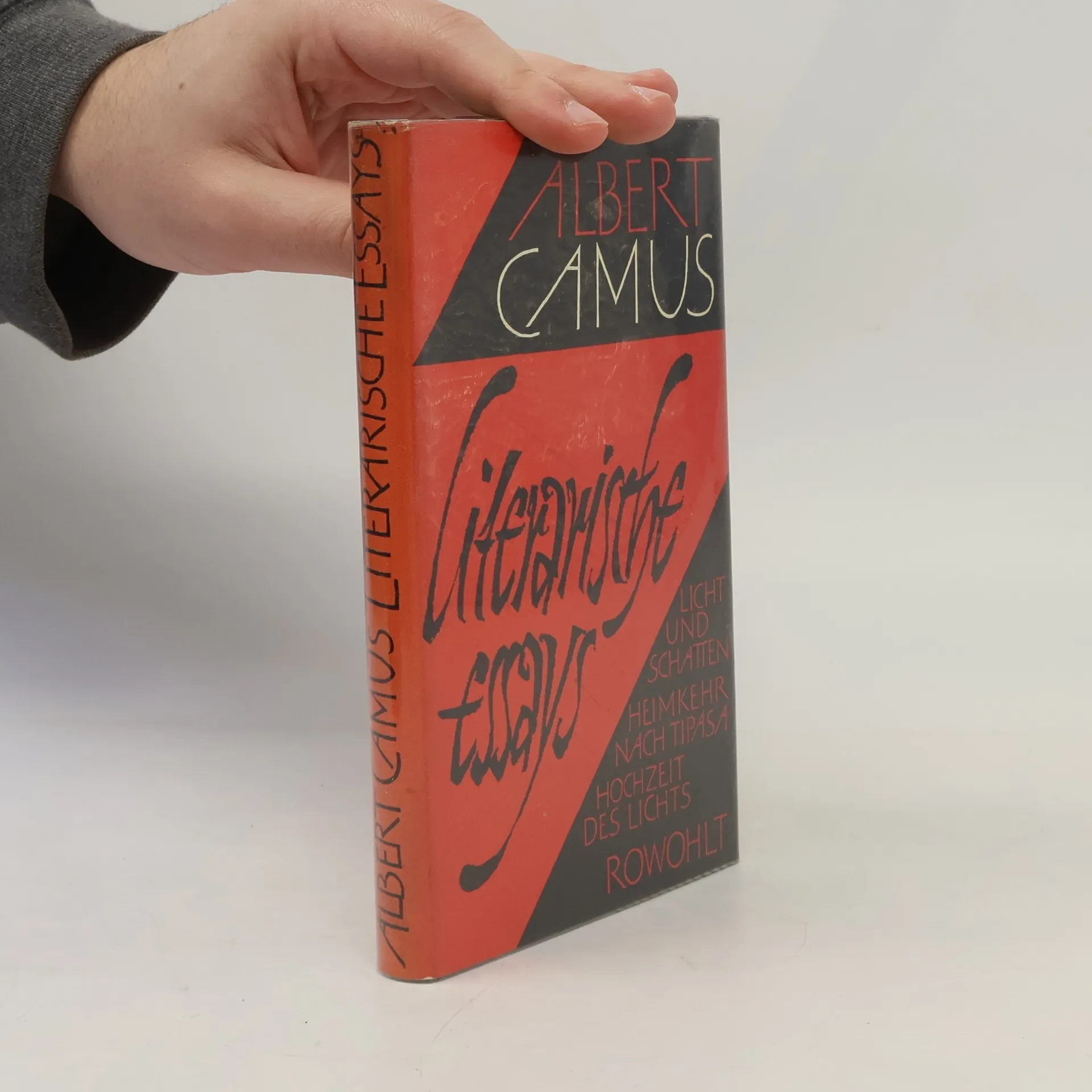
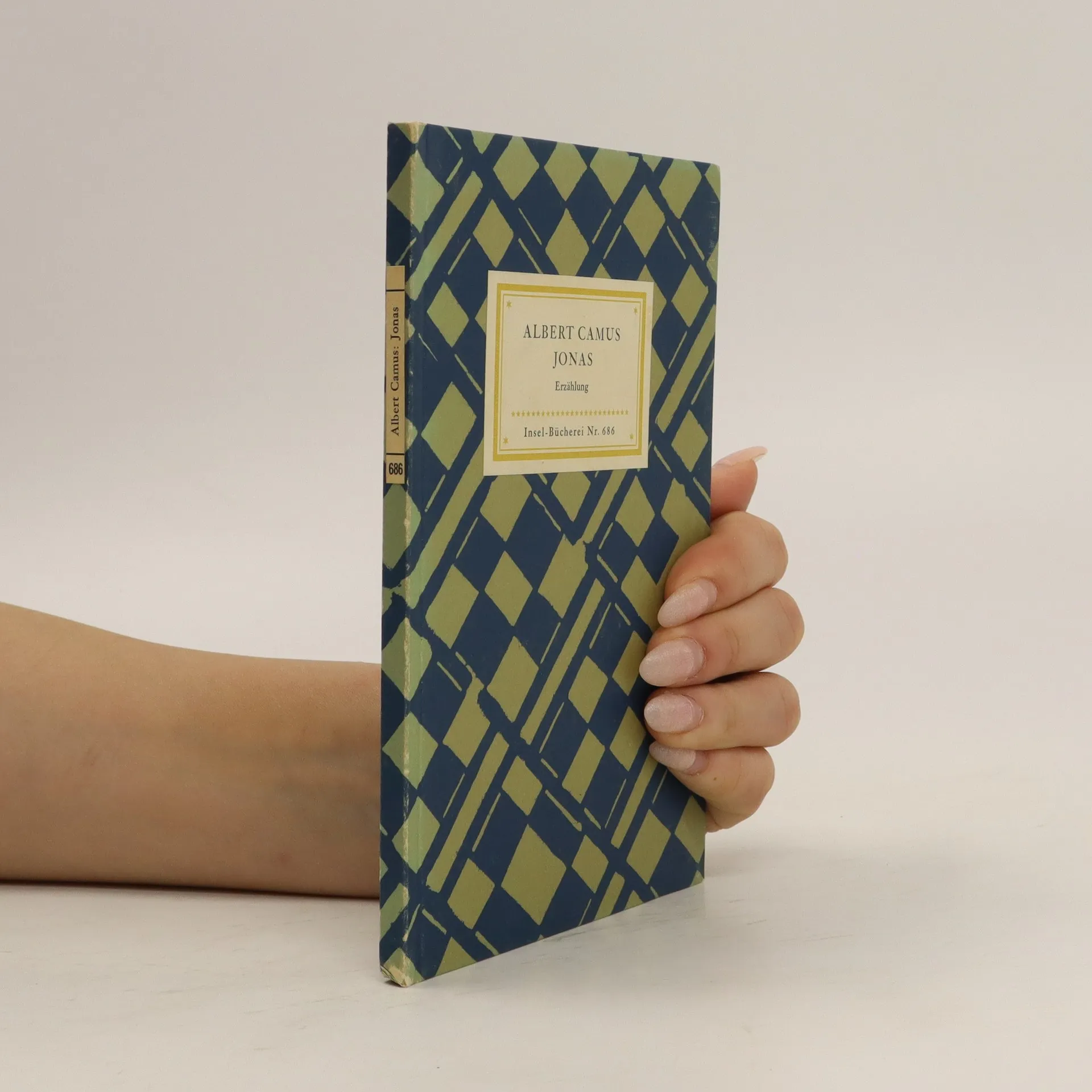
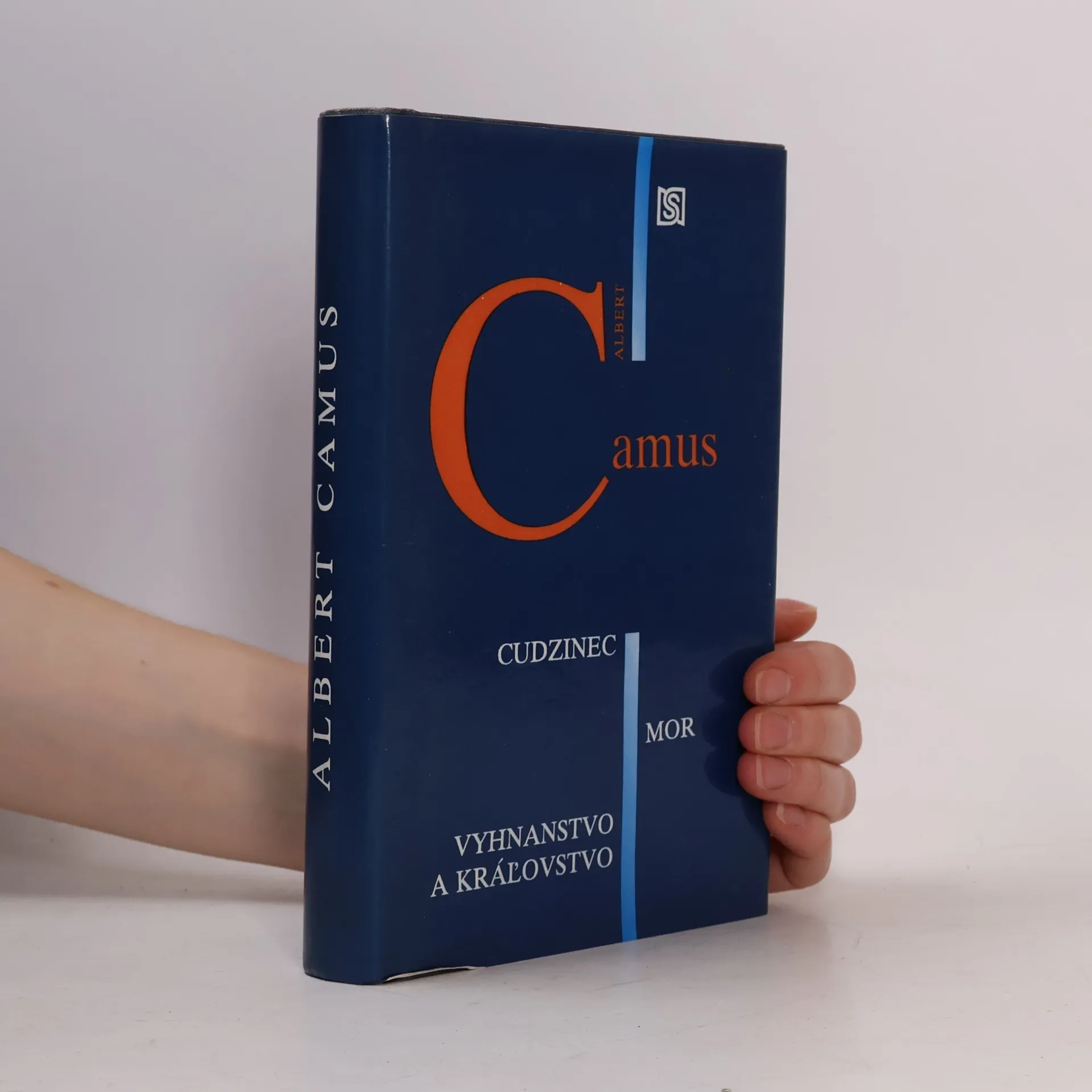
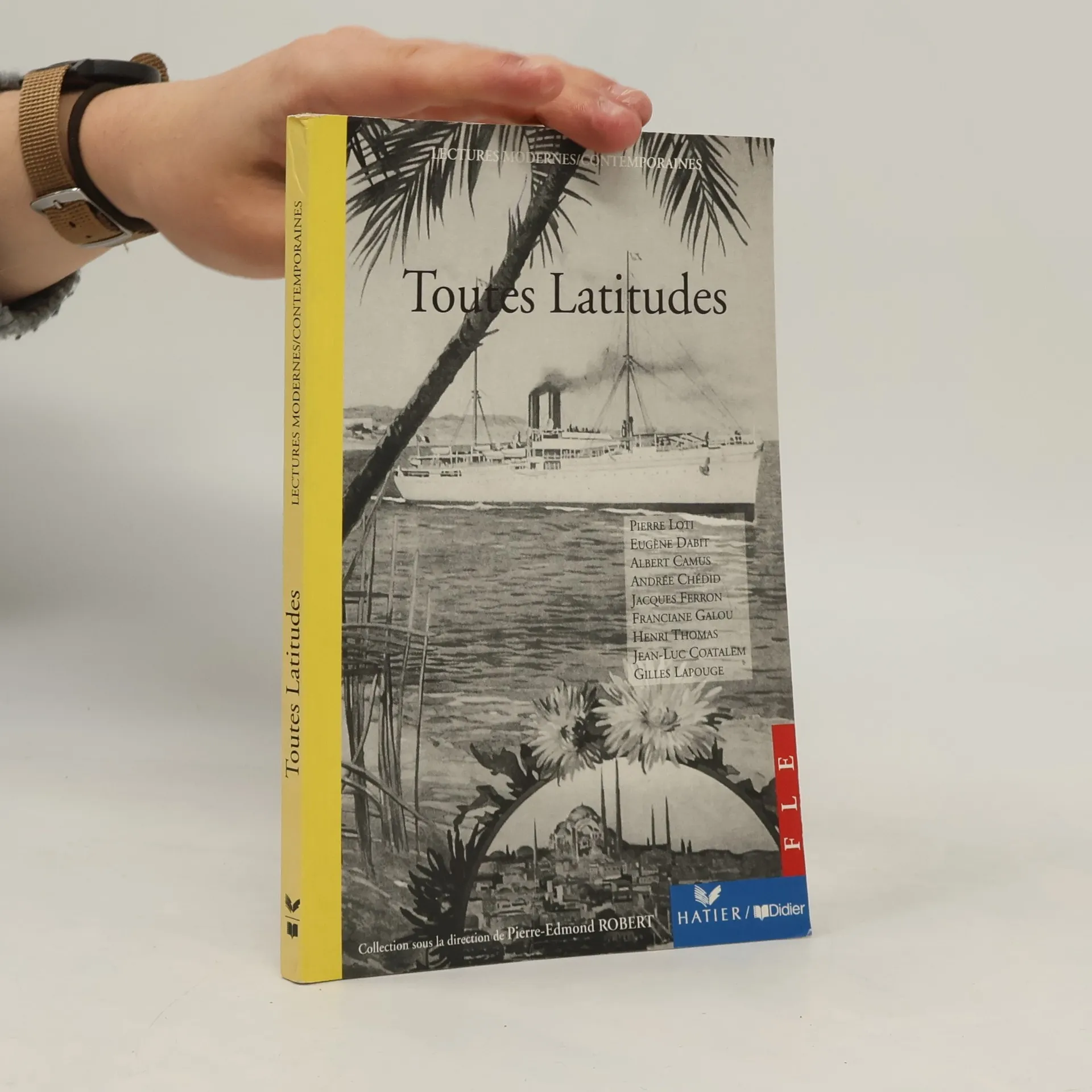
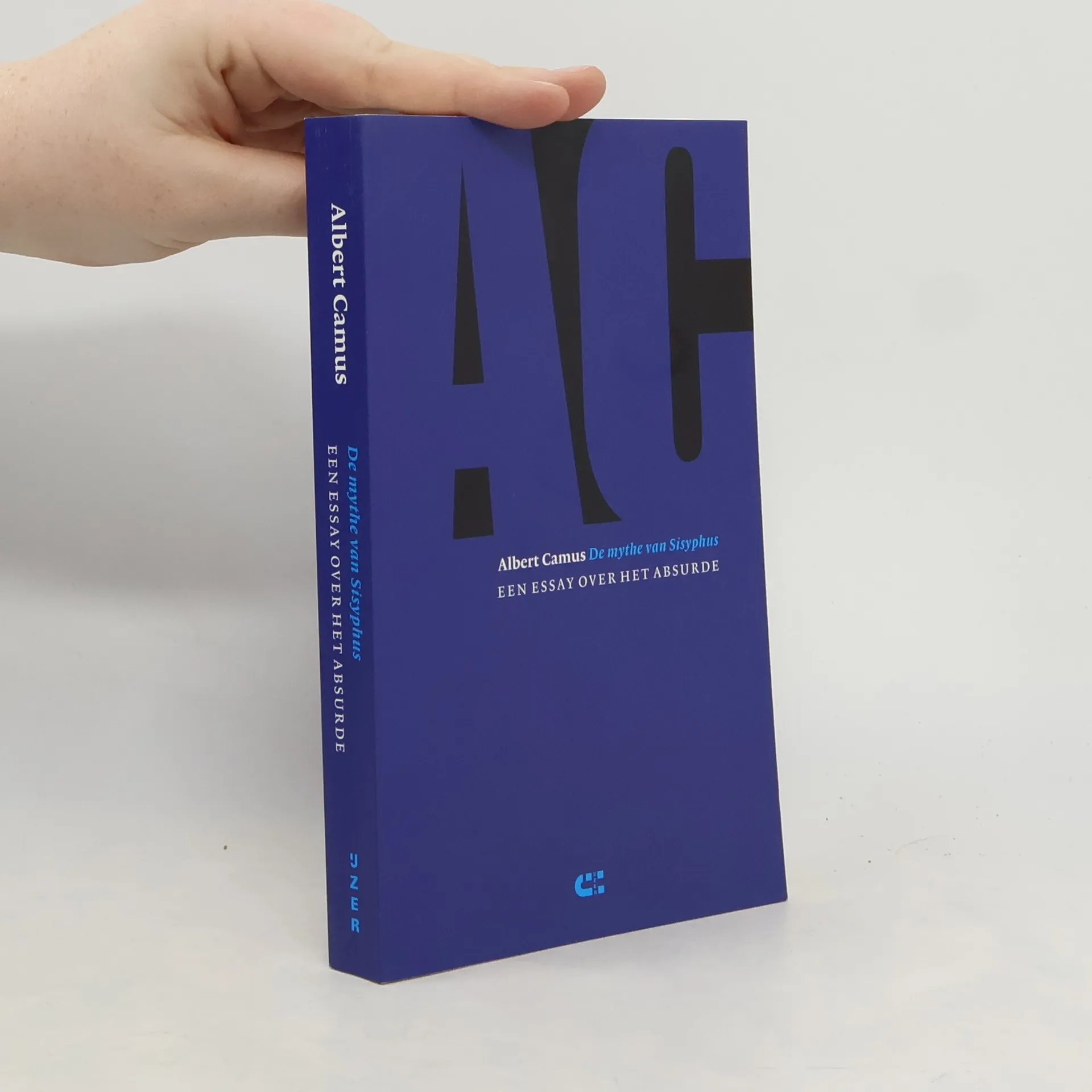
"Het absurde ontstaat uit de confrontatie van de mens die vraagt, en de wereld die op een onredelijke wijze zwijgt." Hoe moet ik leven, als ik mij nergens op kan beroepen? Dat is de vraag die Albert Camus (1913-1960) ons voorlegt in De mythe van Sisyphus. Een vraag die ook nu nog even dringend is als in 1942 toen Camus dit boek publiceerde.
Albert Camus Boeken
7 november 1913 – 4 januari 1960
Albert Camus, een Franse auteur van Algerijnse afkomst, staat bekend om zijn verkenning van het absurde en de menselijke opstand ertegen. Zijn werken behandelen vaak thema's als vervreemding, de zoektocht naar betekenis en morele orde in een godloze wereld. Camus' proza wordt gekenmerkt door zuiverheid, intensiteit en rationaliteit, wat zijn meedogenloze ethische onderzoek weerspiegelt. Zijn literaire nalatenschap ligt in zijn dringende lessen over het omarmen van het absurde met hoop en het afwijzen van wanhoop.

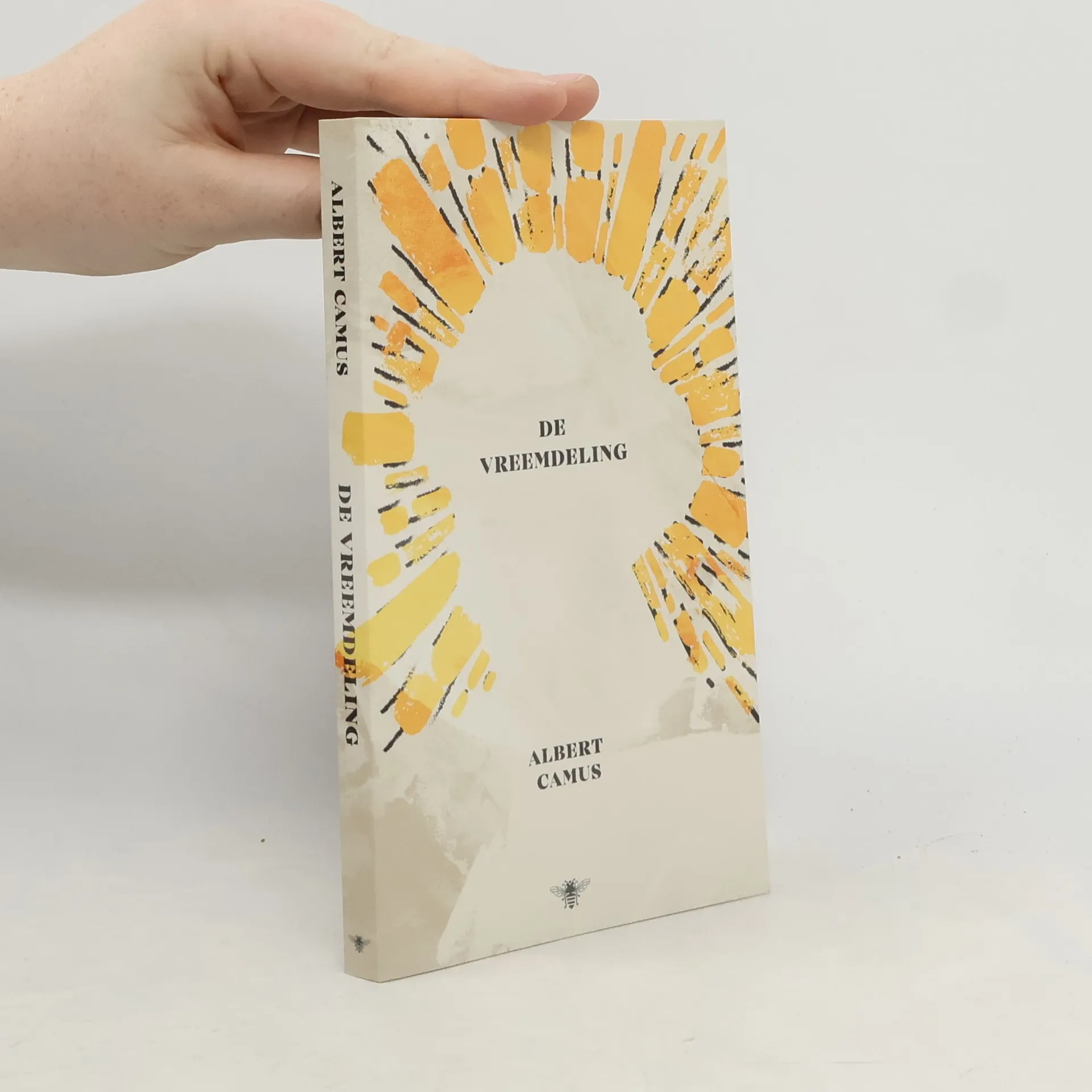
Een wegens moord ter dood veroordeelde jonge man hervindt zichzelf in het aanvaarden van een zekerheid zonder hoop.
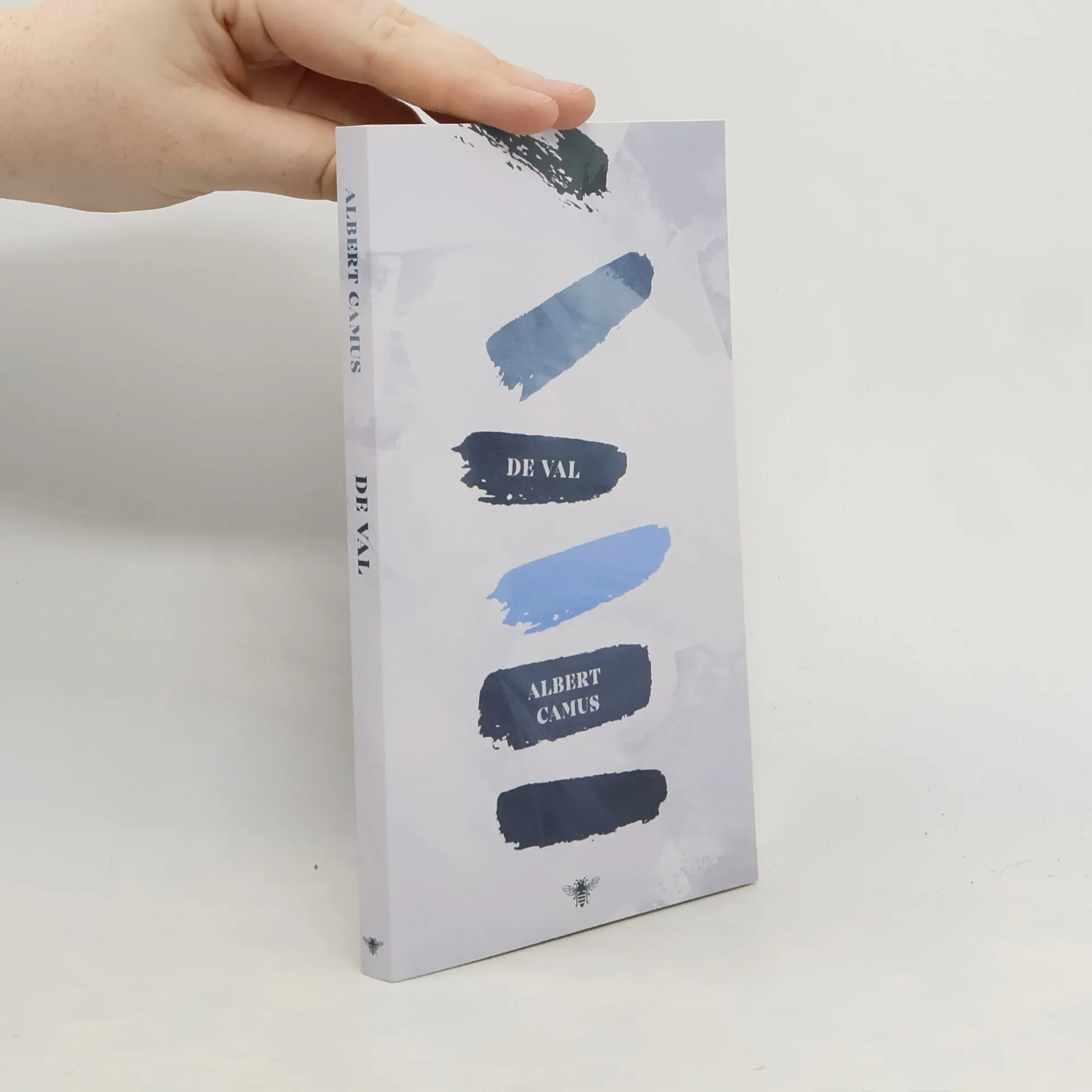
De val
- 125bladzijden
- 5 uur lezen
Jean-Baptiste Clamence, a successful Parisian barrister, has come to recognize the deep-seated hypocrisy of his existence. His epigrammatic and, above all, discomforting monologue gradually saps, then undermines, the reader's own complacency.
Het uitbreken van een pestepidemie in een Noord-Afrikaanse stad met als gevolg het totale isolement stelt de bewoners voor fundamentele vragen over goed en kwaad.
Zes novellen, waarin de spanning tussen eenzaamheid en solidariteit van de mens wordt uitgedrukt
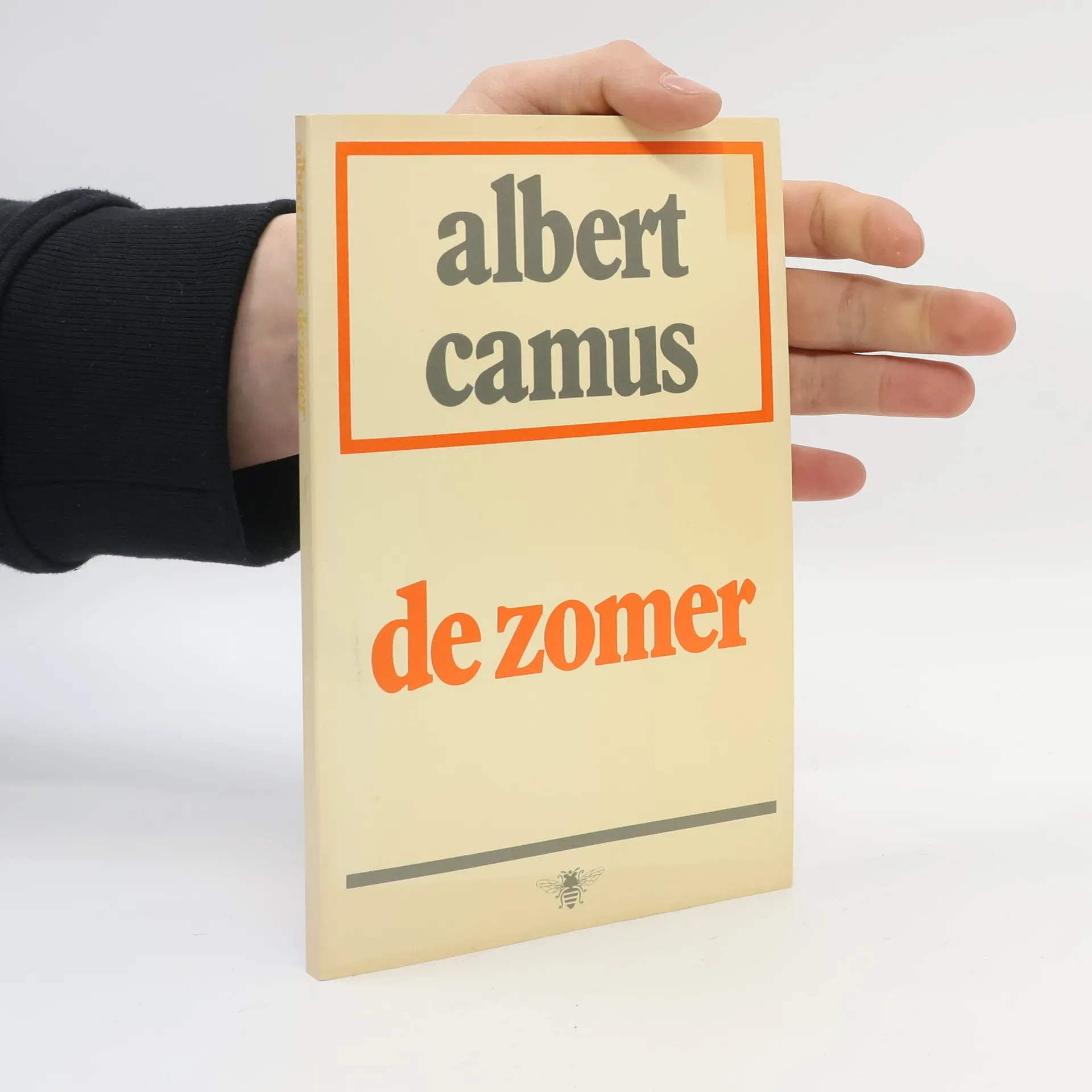
De zomer
- 88bladzijden
- 4 uur lezen
De zomer is een van de meest persoonlijke boeken van Albert Camus. In zekere zin zijn al zijn boeken dat, maar het is ook waar dat literaire vaardigheid vaak bestaat uit het omzetten van de feiten en gebeurtenissen van het leven in een iets blijvender materiaal. De zomer is persoonlijk in die zin: een boek waarin de vitale essentie van Camus aanwezig is, maar op een evidente, tastbare, emotionele manier, alsof hij zijn meest intieme vezels verkent en tegelijkertijd blootlegt voor zijn lezers (of voor zichzelf, als eerste lezer), zonder literair kunstgrepen. Tussen reisdagboek, memoires en essay in, neemt De zomer de lezer mee door Algerije, Griekenland en Frankrijk in een reis geleid door bepaalde fundamentele mythen van de Europese westerse cultuur — de Minotaurus, Prometheus, Helena — en de metafoor van de zomer als een ambigue en overgangsperiode, een seizoen waarin de zon heerst, maar dat ook, om die reden, de herinnering is aan een tweede moment van het jaar dat wordt gedomineerd door ongunstige omstandigheden.
Pantheon der Nobelprijswinnaars Literatuur
De vreemdeling. De val. De rechtvaardigen. Verhalen. Essays. Rede te Stockholm
From 1935 until his death, Albert Camus kept a series of notebooks to sketch out ideas for future works, record snatches of conversations and excerpts from books he was reading, and jot down his reflections on death and the horror of war, his feelings about women and loneliness and art, and his appreciations for the Algerian sun and sea. These three volumes, now available together for the first time in paperback, include all entries made from the time when Camus was still completely unknown in Europe, until he was killed in an automobile accident in 1960, at the height of his creative powers. In 1957 he had been awarded the Nobel Prize for Literature. A spiritual and intellectual autobiography, Camus' Notebooks are invariably more concerned with what he felt than with what he did. It is intriguing for the reader to watch him seize and develop certain themes and ideas, discard others that at first seemed promising, and explore different types of experience. Although the Notebooks may have served Camus as a practice ground, the prose is of superior quality, which makes a short spontaneous vignette or a moment of sensuous beauty quickly captured on the page a small work of art.Here is a record of one of the most unusual minds of our time.
Notebooks 3. 1951-1959
- 288bladzijden
- 11 uur lezen
This final volume, recorded over the last nine years of his life, takes on the characteristics of a personal diary.--[book jacket].
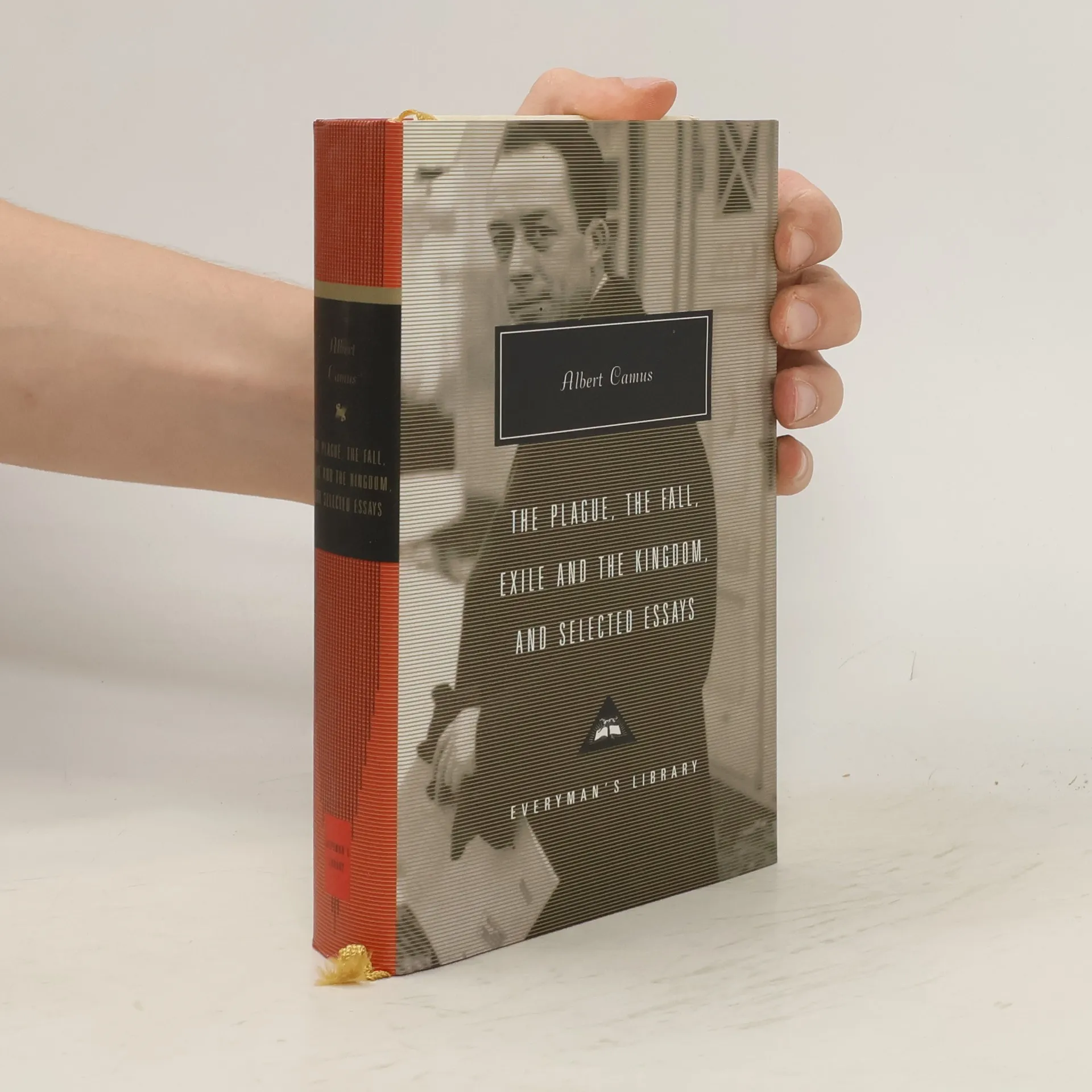
The Plague, The Fall, Exile and the Kingdom, and Selected Essays
- 704bladzijden
- 25 uur lezen
Brings together a collection of the writer's novels, short stories, and essays, including "The Plague," a tale of survival and resilience in the face of a devastating epidemic, and "The Fall," in which a French lawyer makes an astonishing confession.
From 1935 until his death, Albert Camus kept a series of notebooks to sketch out ideas for future works, record snatches of conversations and excerpts from books he was reading, and jot down his reflections on death and the horror of war, his feelings about women and loneliness and art, and his appreciations for the Algerian sun and sea. These three volumes, now available together for the first time in paperback, include all entries made from the time when Camus was still completely unknown in Europe, until he was killed in an automobile accident in 1960, at the height of his creative powers. In 1957 he had been awarded the Nobel Prize for Literature. A spiritual and intellectual autobiography, Camus' Notebooks are invariably more concerned with what he felt than with what he did. It is intriguing for the reader to watch him seize and develop certain themes and ideas, discard others that at first seemed promising, and explore different types of experience. Although the Notebooks may have served Camus as a practice ground, the prose is of superior quality, which makes a short spontaneous vignette or a moment of sensuous beauty quickly captured on the page a small work of art.Here is a record of one of the most unusual minds of our time.
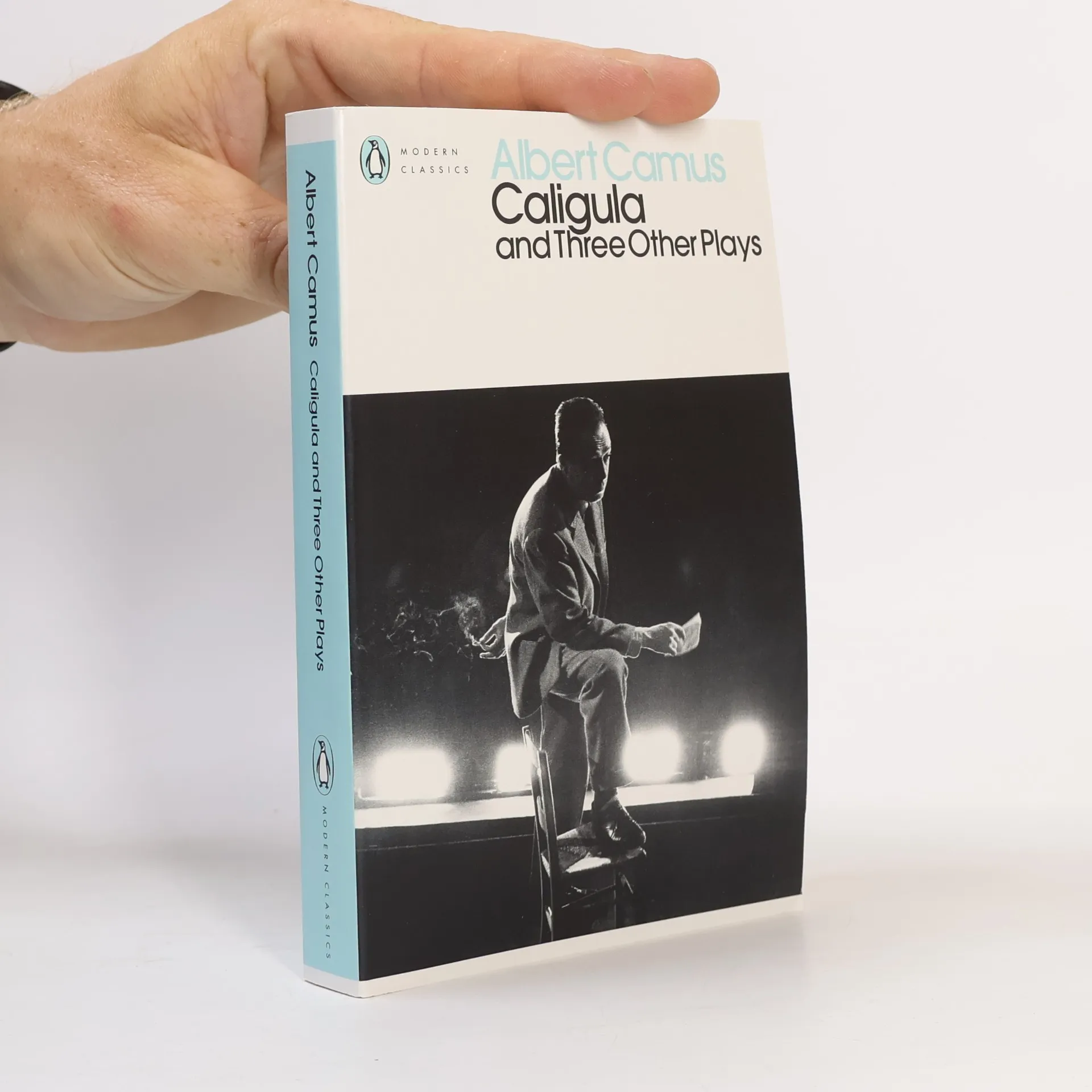
Albert Camus's play "Caligula" is a poignant study of the solitude of power and human helplessness. Its main character, the Roman Emperor Caligula, commits evil and wreaks havoc around him. While his provocative demonstration of strength towards his subjects achieves its intended effects, his blasphemies against the gods go unanswered; thus, he fails to prove their existence. Ultimately, as Caligula contemplates how much people can endure before rebelling and killing the tyrant, he finds the answer—his own death.
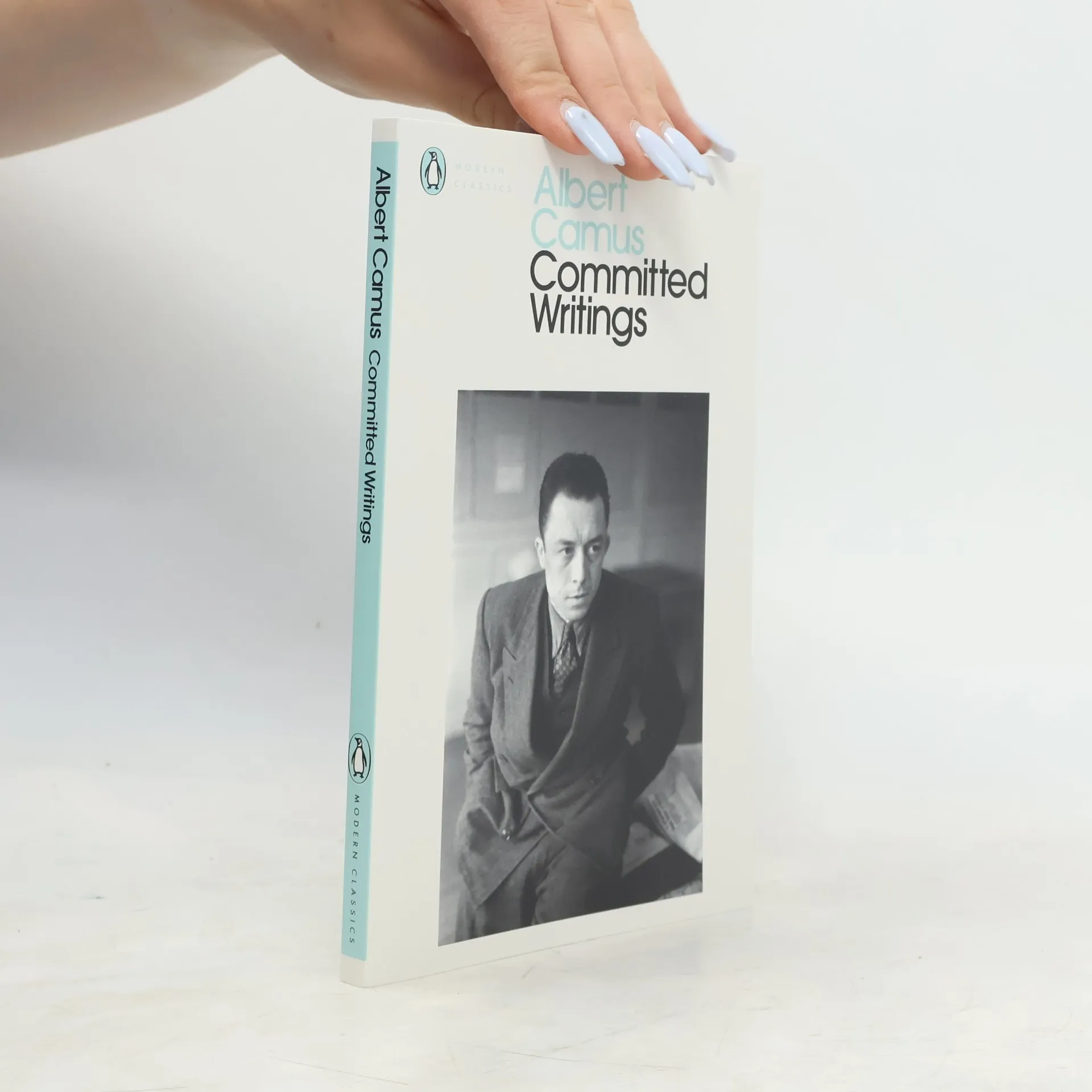
Committed Writings
- 288bladzijden
- 11 uur lezen
This volume contains some of Camus' most powerful political writing as he reflects on moral responsibility and the role of the artist in the world. 'Letters to a German Friend' was Camus' first wartime intervention, written in 1943 in order 'to make our battle more effective'. 'Reflections on the Guillotine' is his impassioned polemic against the death penalty. And in his Nobel lecture, Camus argues against 'Art for art's sake' and brilliantly sets out his vision of the artist's responsibilities.
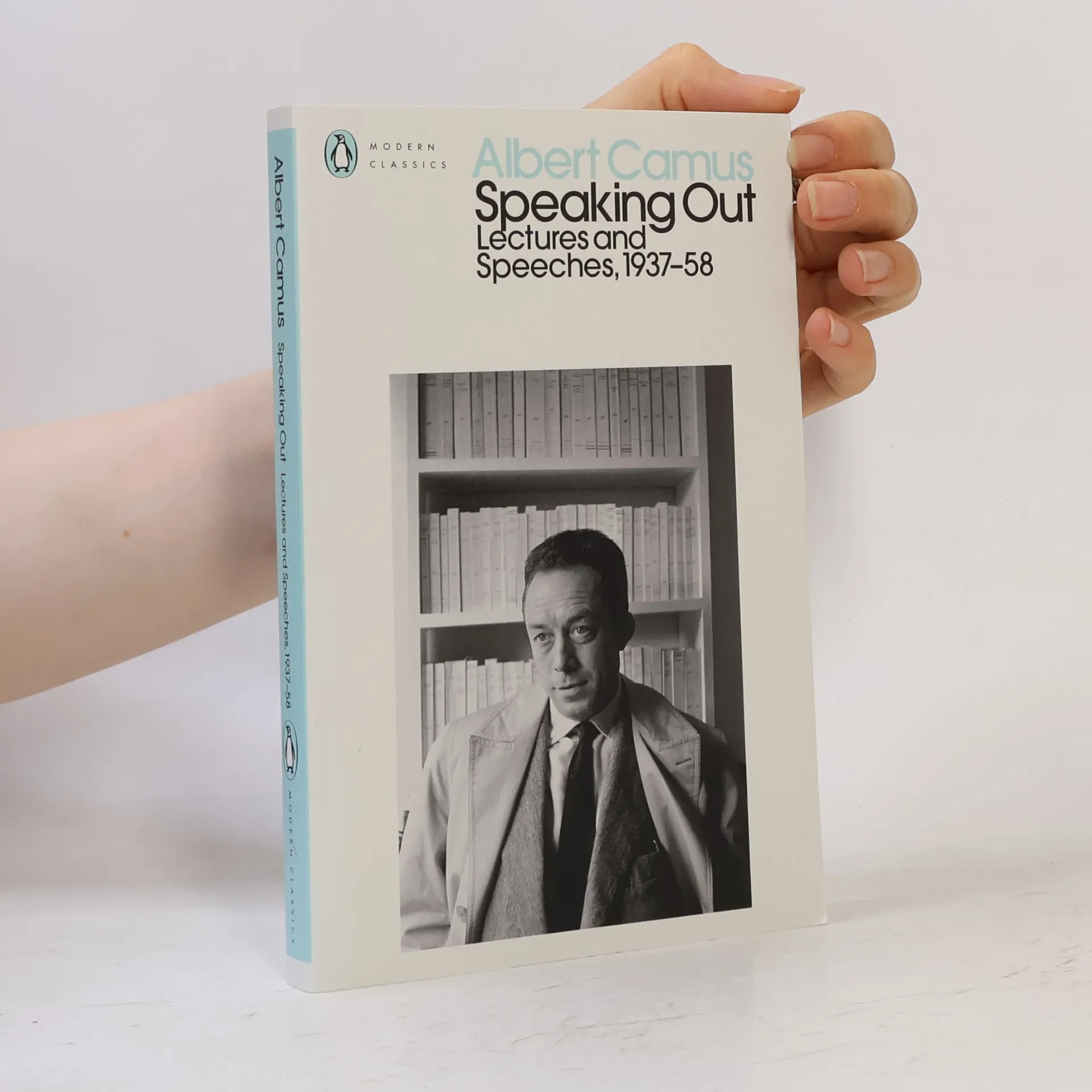
Speaking Out
- 275bladzijden
- 10 uur lezen
Featuring the most significant lectures and speeches of a Nobel Prize winner, this collection presents a fresh English translation by Quintin Hoare. It showcases the enduring impact of the author's ideas and insights, making it a vital resource for those interested in their influential thoughts and contributions. This marks the first time these important works are available in English, enriching the understanding of the author's legacy.
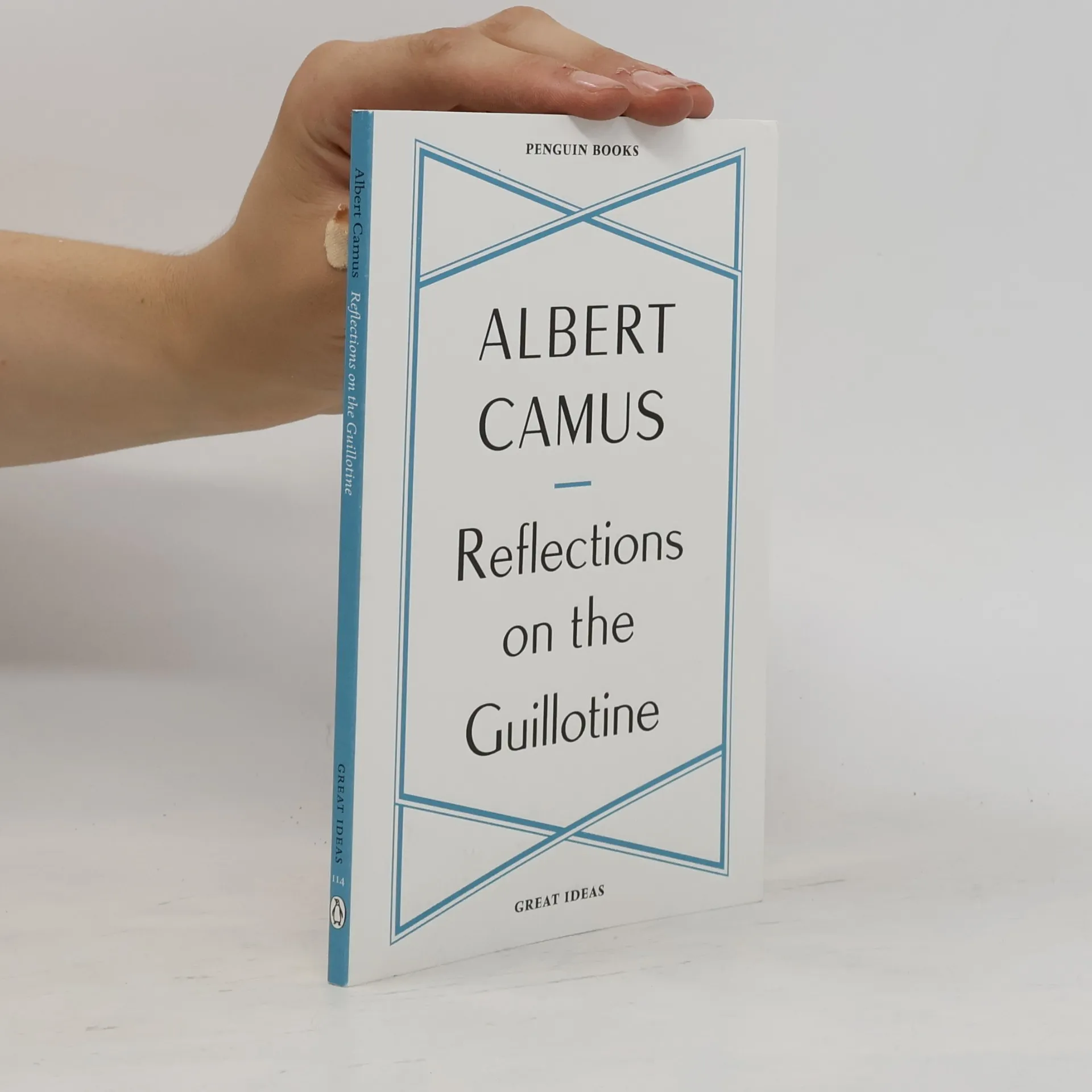
Reflections on the Guillotine
- 96bladzijden
- 4 uur lezen
Written when execution by guillotine was still legal in France, Albert Camus' devastating attack on the 'obscene exhibition' of capital punishment remains one of the most powerful, persuasive arguments ever made against the death penalty.
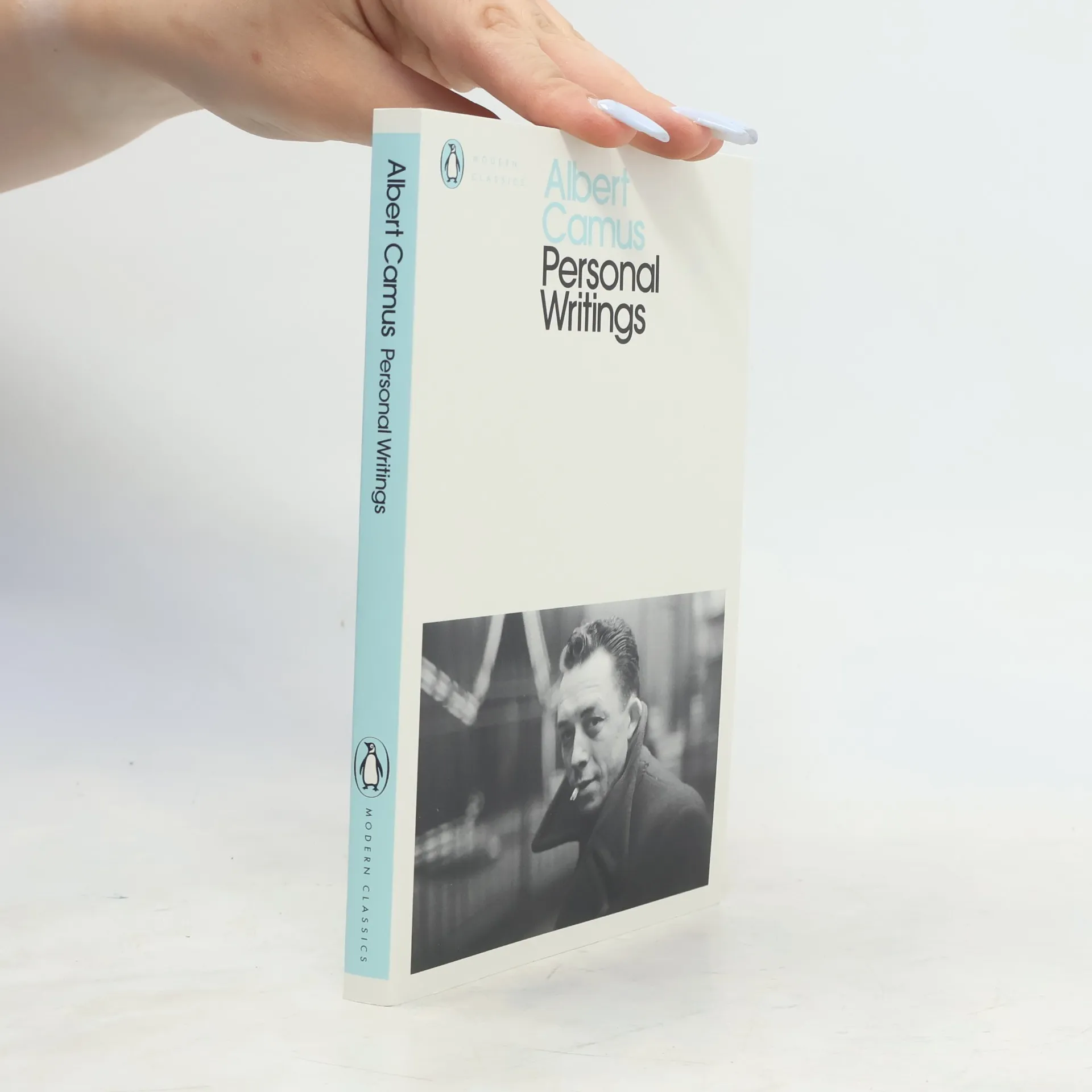
Personal Writings
- 192bladzijden
- 7 uur lezen
This volume contains some of Camus' most intimate writing, as he reflects on his identity and childhood in Algeria and celebrates the beauty of the Mediterranean. The Wrong Side and the Right Side, Camus' first book and most openly autobiographical work, describes his early years in a working-class neighbourhood in Algiers and includes memorable portraits of his mother, grandmother and uncle. Nuptials rejoices in the sun, landscape and sea, and the physical and spiritual freedom they offer to even the poorest. And in Summer Camus evocatively depicts the sunlit cities of Algiers and Oran.
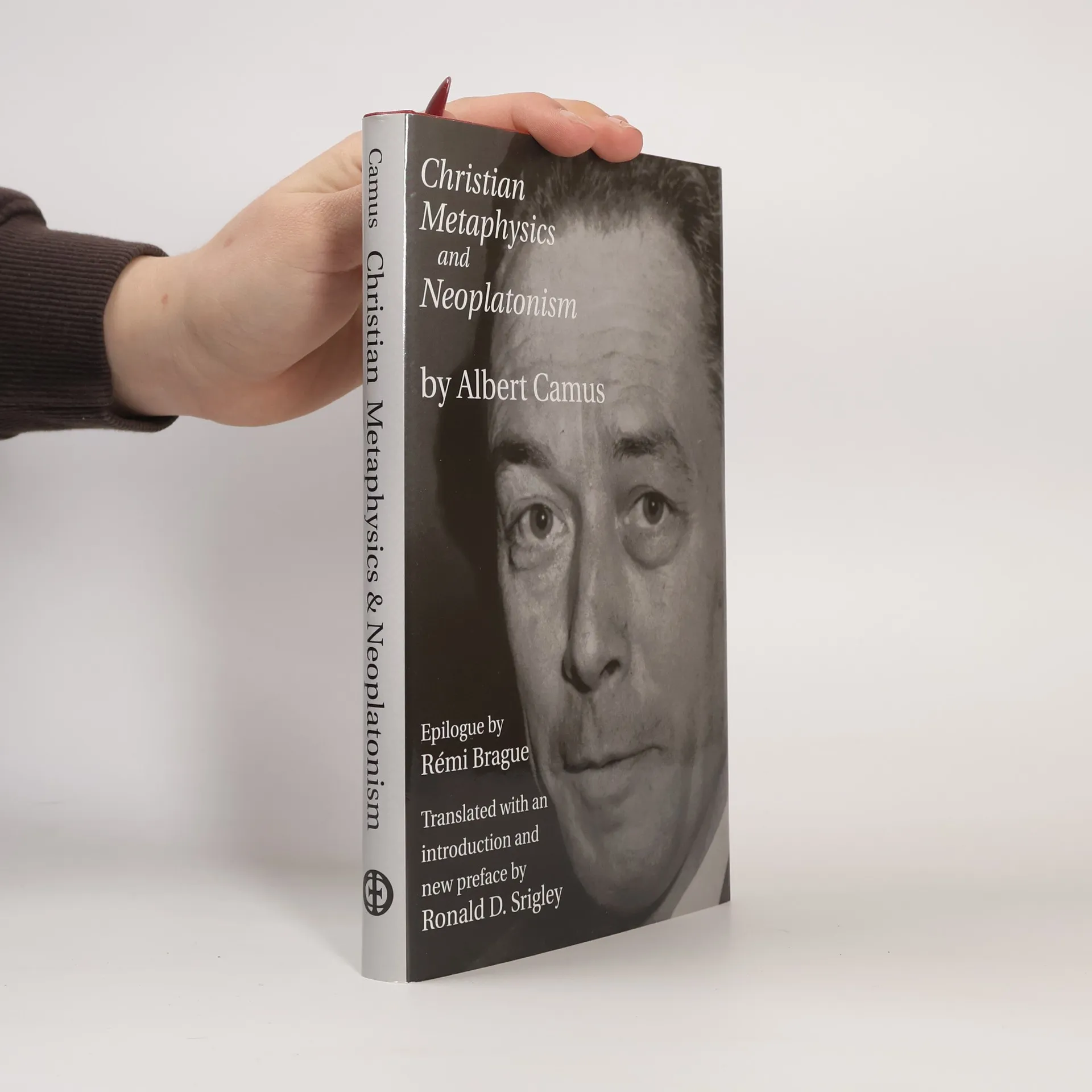
Christian Metaphysics and Neoplatonism
- 155bladzijden
- 6 uur lezen
"In association with the Eric Voegelin Society."
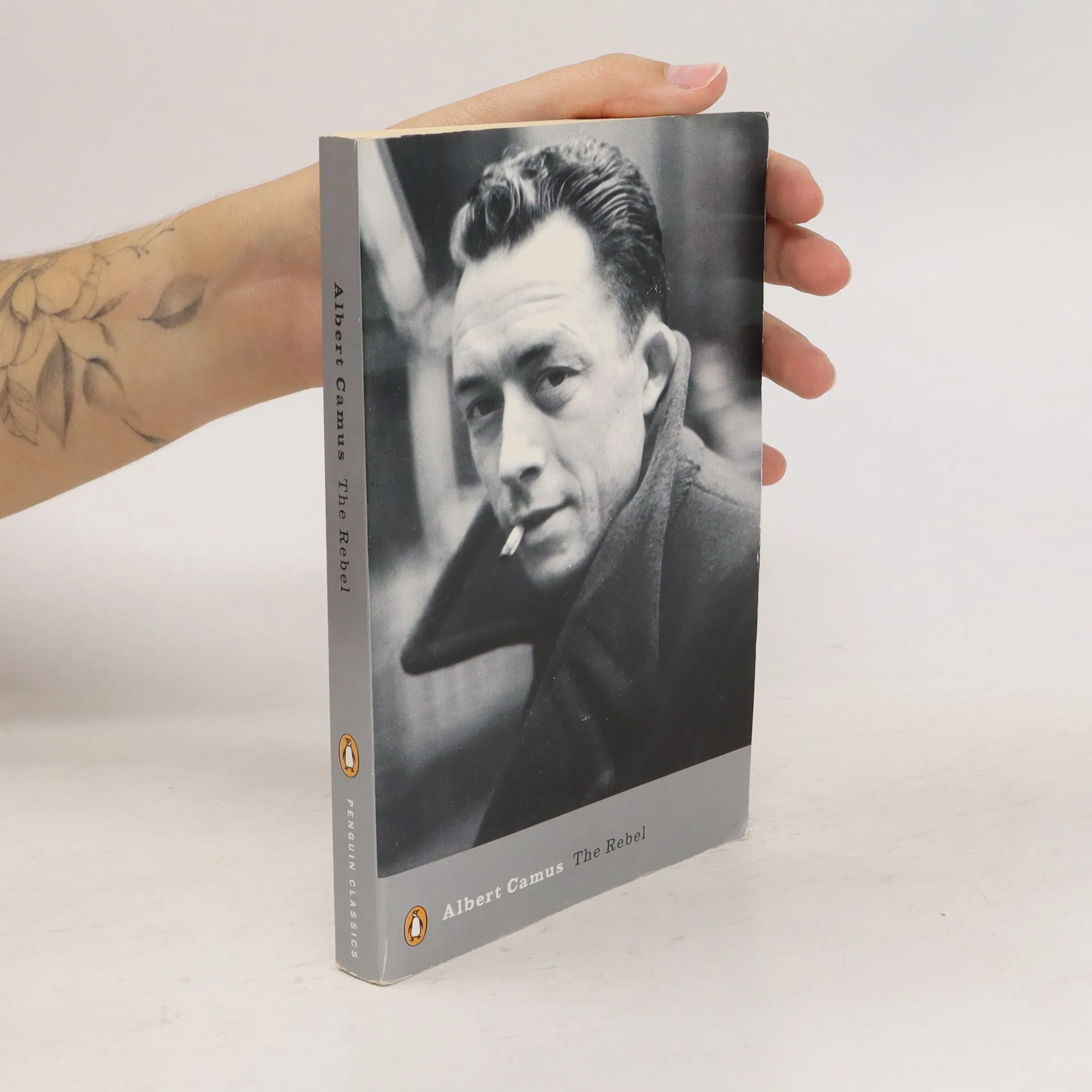
The Rebel
- 288bladzijden
- 11 uur lezen
Translated by Anthony Bower With an Introduction by Oliver Todd 'A conscience with style' V.S. Pritchett The Rebel (1951) is Camus's 'attempt to understand the time I live in' and a brilliant essay on the nature of human revolt. Here he makes a daring critique of communism - how it had gone wrong behind the Iron Curtain and the resulting totalitarian regimes. And he questions two events held sacred by the left wing - the French Revolution of 1789 and the Russian Revolution of 1917 - that had resulted, he believed, in the use of terrorism as a political instrument. In this towering intellectual document, Camus argues that hope for the future lies in revolt with revolution - a chance to achieve change without losing our freedom. 'The last French intellectual to take the side of humanity and talk its language . . . a figure of immense moral stature' Sunday Times Winner of the Nobel Prize for Literature
Adaring critique of communism and how it had gone wrong behind the Iron Curtain, Camus' essay examines the revolutions in France and Russia, and argues that since they were both guilty of producing tyranny and corruption, hope for the future lies only in revolt without revolution.
In brand new translations by Ryan Bloom, four theatrical masterpieces from the Nobel Prize-winning author of The Outsider and The Plague are brought together for the first time in English, alongside deleted scenes and alternate lines of dialogue Caligula/The Misunderstanding /State of Emergency/The Just Although renowned for his novels, Albert Camus described the theatre as 'one of the only places in the world I'm happy', and staged the four plays gathered in this collection in Paris between 1944-49. Caligula, his first full-length dramatic work, portrays the monstrous emperor who destroys men, gods and ultimately himself. Here too are The Misunderstanding, a murderous tangle of longing; State of Emergency, where 'The Plague' appears as a central character; and The Just, which explores the limits of political conviction. This new translation brings together Camus's final versions of the plays, along with deleted scenes and alternate lines of dialogue.
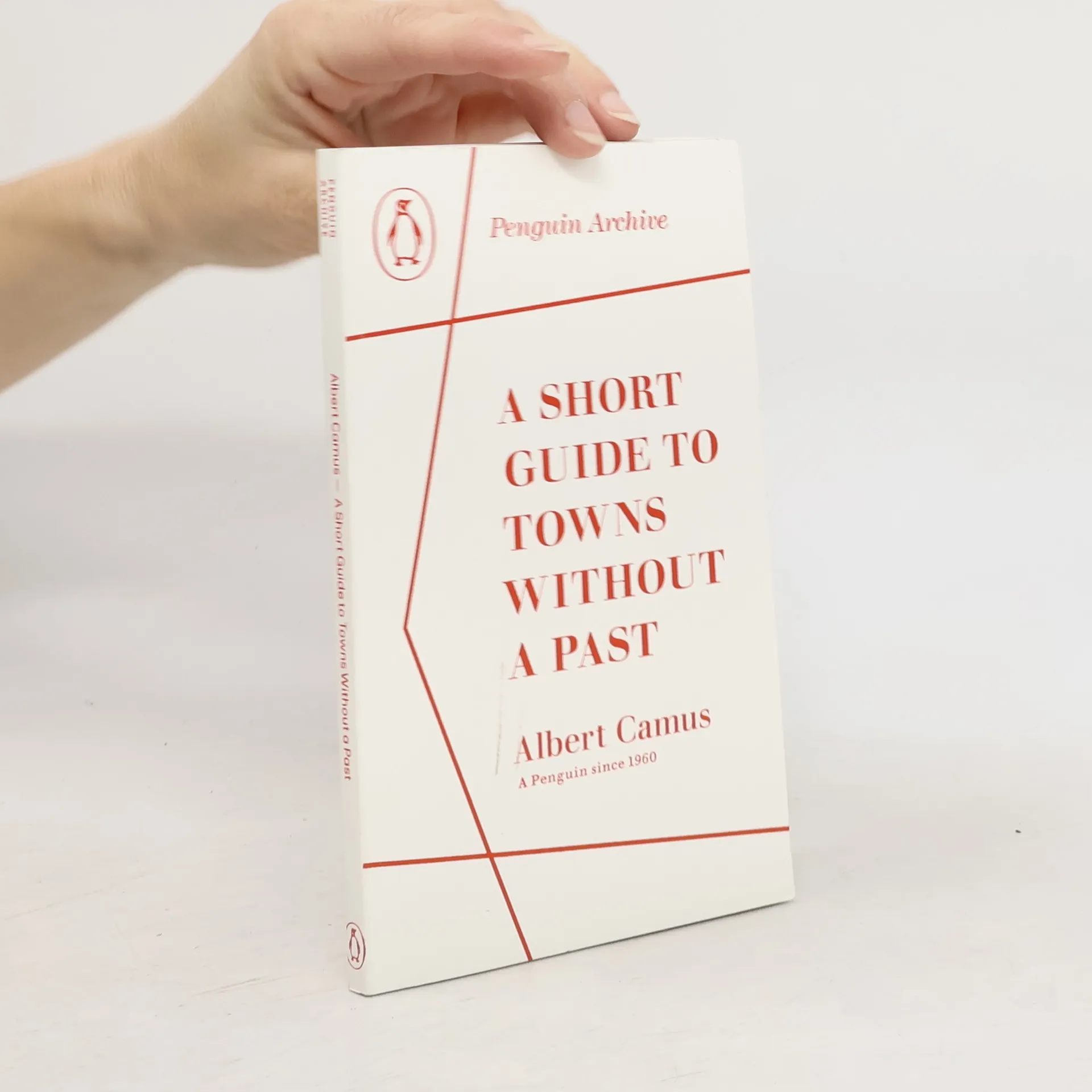
A Short Guide to Towns Without a Past
- 109bladzijden
- 4 uur lezen
a collection of short stories by French novelist Albert CamusBest known for his existentialist novel The Outsider, set in French-occupied Algeria, Albert Camus was profoundly influenced by the landscapes, towns and traditions of his youth. Selected here are some of his finest personal essays about Algeria and its environs, including the luminous ‘Nuptials at Tipasa’, one of his earliest works where he developed the themes that would inform his later philosophy: to thrive now, without hope for paradise, as mortal life alone can be worthwhile.Series: Penguin ArchiveA new thematic collection of stories taken out of several of of his original works:L'envers et l'endroit (1937)Noces (1939)L été (1954)
Told as a novel, this is a moving account of the author's poverty-stricken childhood in Algeria, the love of his mother and the old schoolteacher who saved him from ignorance. The book acts as a novel on Algeria, on the relationship between man and the land, and between the French and Arabs.
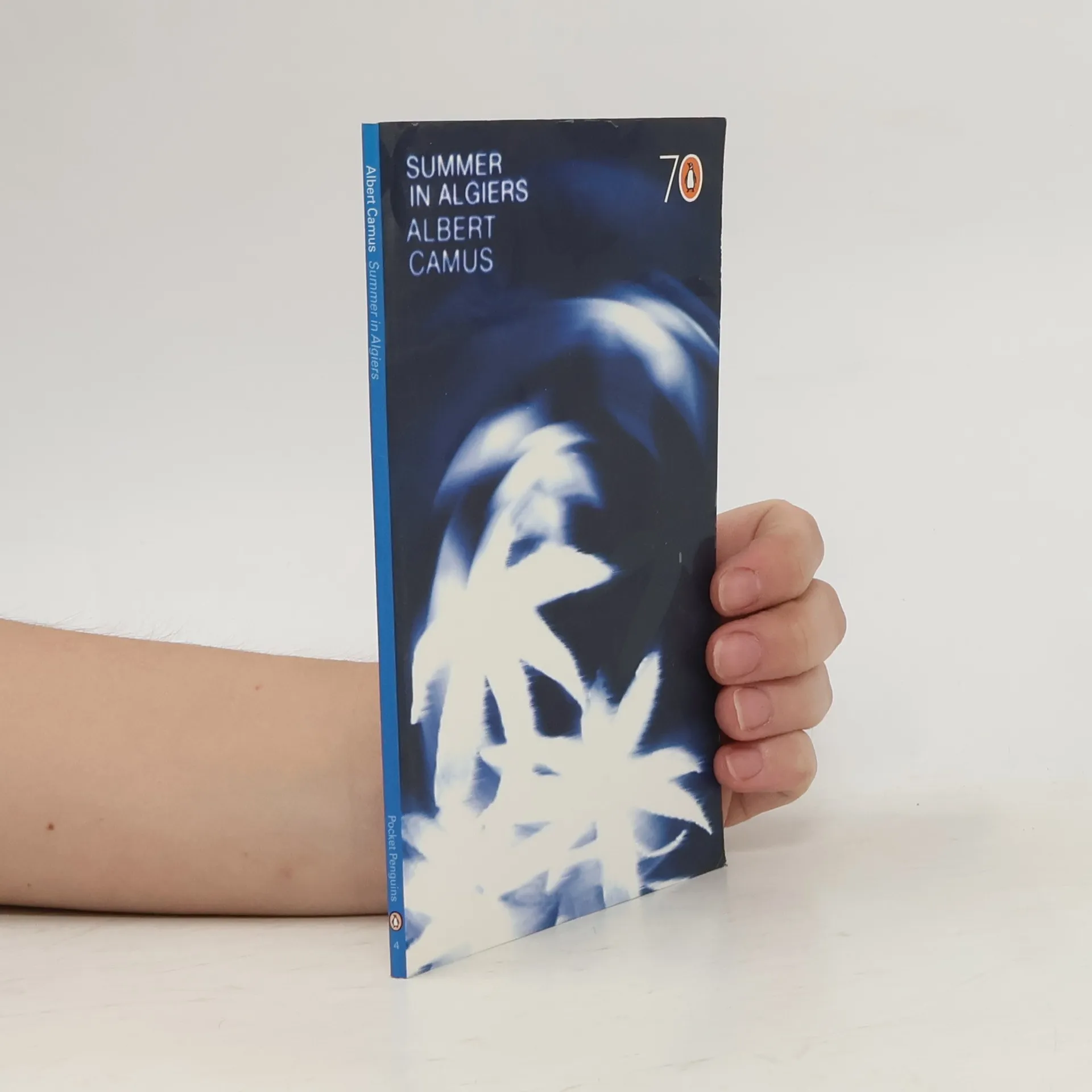
Summer in Algiers
- 64bladzijden
- 3 uur lezen
Camus and his writing are intimately bound up with his native Algeria. These three essays evoke different aspects of the place. The title essay, 'The Minotaur' and 'The Return to Tipasa' are extracted from Noces (1950) and L'été (1954).
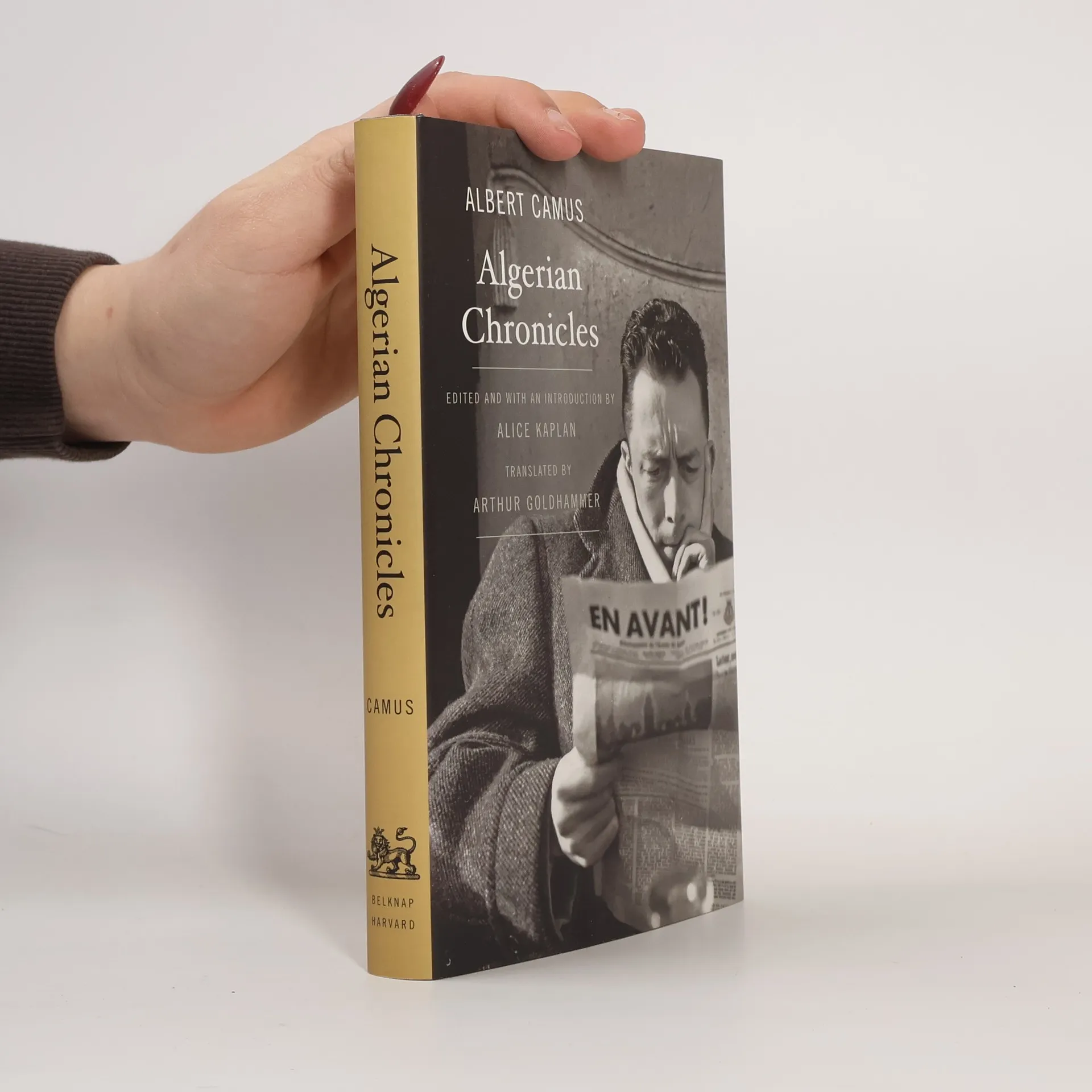
Algerian Chronicles
- 224bladzijden
- 8 uur lezen
More than fifty years after Algerian independence, Albert Camus "Algerian Chronicles" appears here in English for the first time. Published in France in 1958, the same year the Algerian War brought about the collapse of the Fourth French Republic, it is one of Camus most political works an exploration of his commitments to Algeria. Dismissed or disdained at publication, today "Algerian Chronicles, " with its prescient analysis of the dead end of terrorism, enjoys a new life in Arthur Goldhammer s elegant translation. Believe me when I tell you that Algeria is where I hurt at this moment, Camus, who was the most visible symbol of France s troubled relationship with Algeria, writes, as others feel pain in their lungs. Gathered here are Camus strongest statements on Algeria from the 1930s through the 1950s, revised and supplemented by the author for publication in book form. In her introduction, Alice Kaplan illuminates the dilemma faced by Camus: he was committed to the defense of those who suffered colonial injustices, yet was unable to support Algerian national sovereignty apart from France. An appendix of lesser-known texts that did not appear in the French edition complements the picture of a moralist who posed questions about violence and counter-violence, national identity, terrorism, and justice that continue to illuminate our contemporary world.
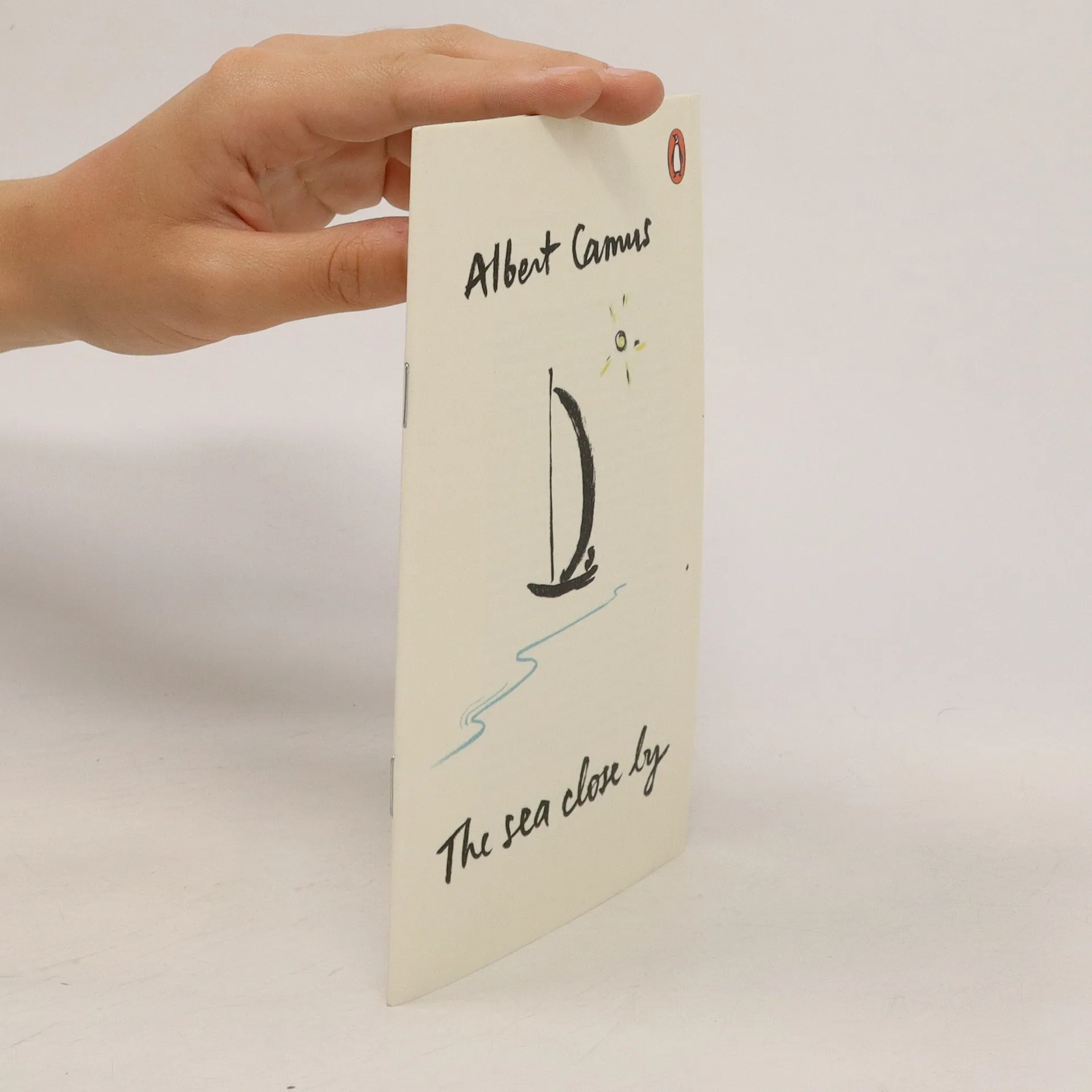
The Sea Close by
- 32bladzijden
- 2 uur lezen
Part of the Penguin Classics campaign celebrating 100 years of Albert Camus, A Sea Close Byreveals the writer as a sensual witness of landscapes, the sea and sailing. It is a light, summery day-dream. Accompanying The Sea Close Byis the essay Summer in Algiers, a lovesong to his Mediterranean childhood. 'The bay, the sun, the red and white games on the seaward terraces, the flowers and sports stadiums, the cool-legged girls.'
Create Dangerously
- 64bladzijden
- 3 uur lezen
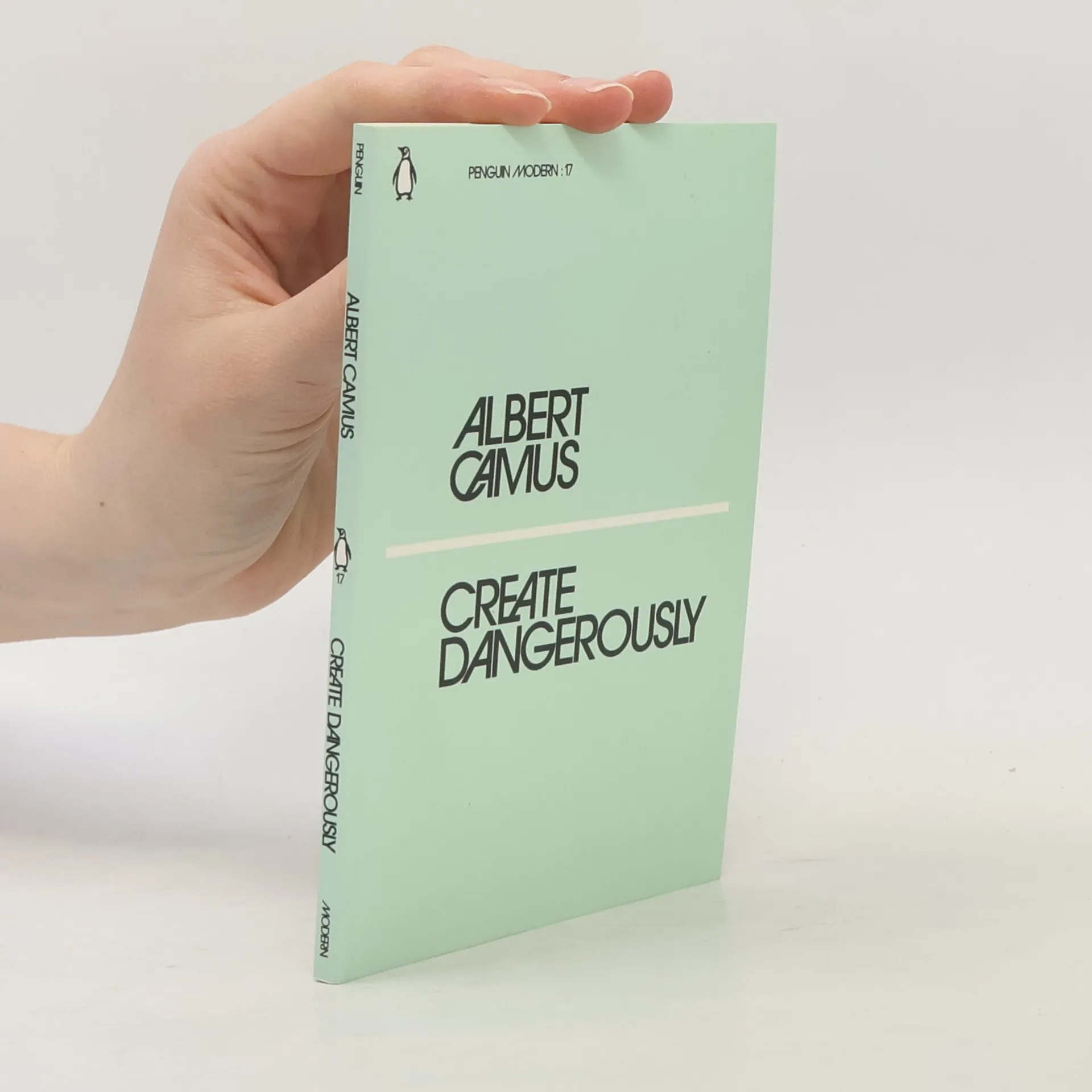
In these speeches Camus argues passionately that the artist has a responsibility to challenge, provoke and speak up for those who cannot
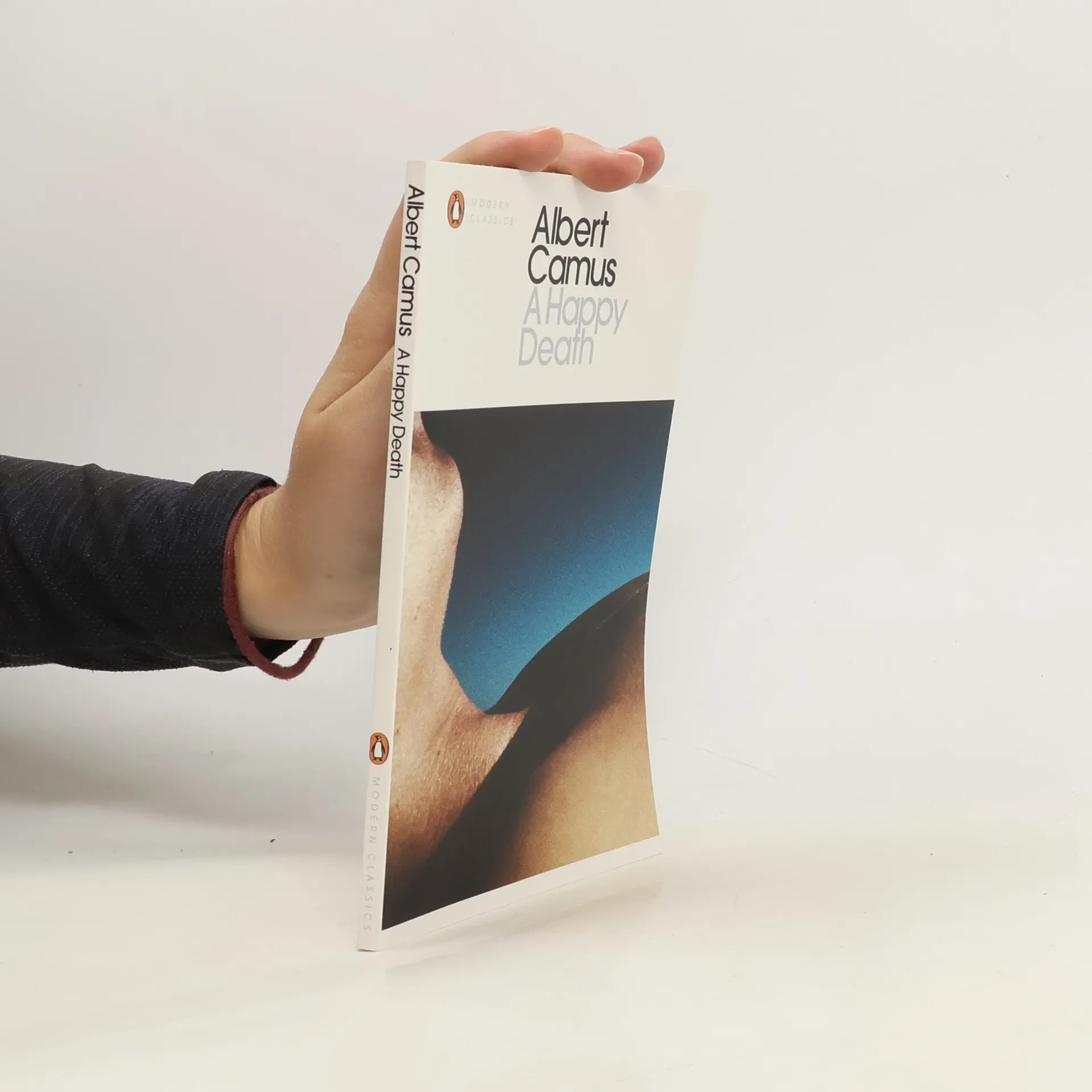
Is it possible to die a happy death? This title tells the story of a young Algerian, Mersault, who defies society's rules by committing a murder and escaping punishment, then experimenting with different ways of life and finally dying a happy man.
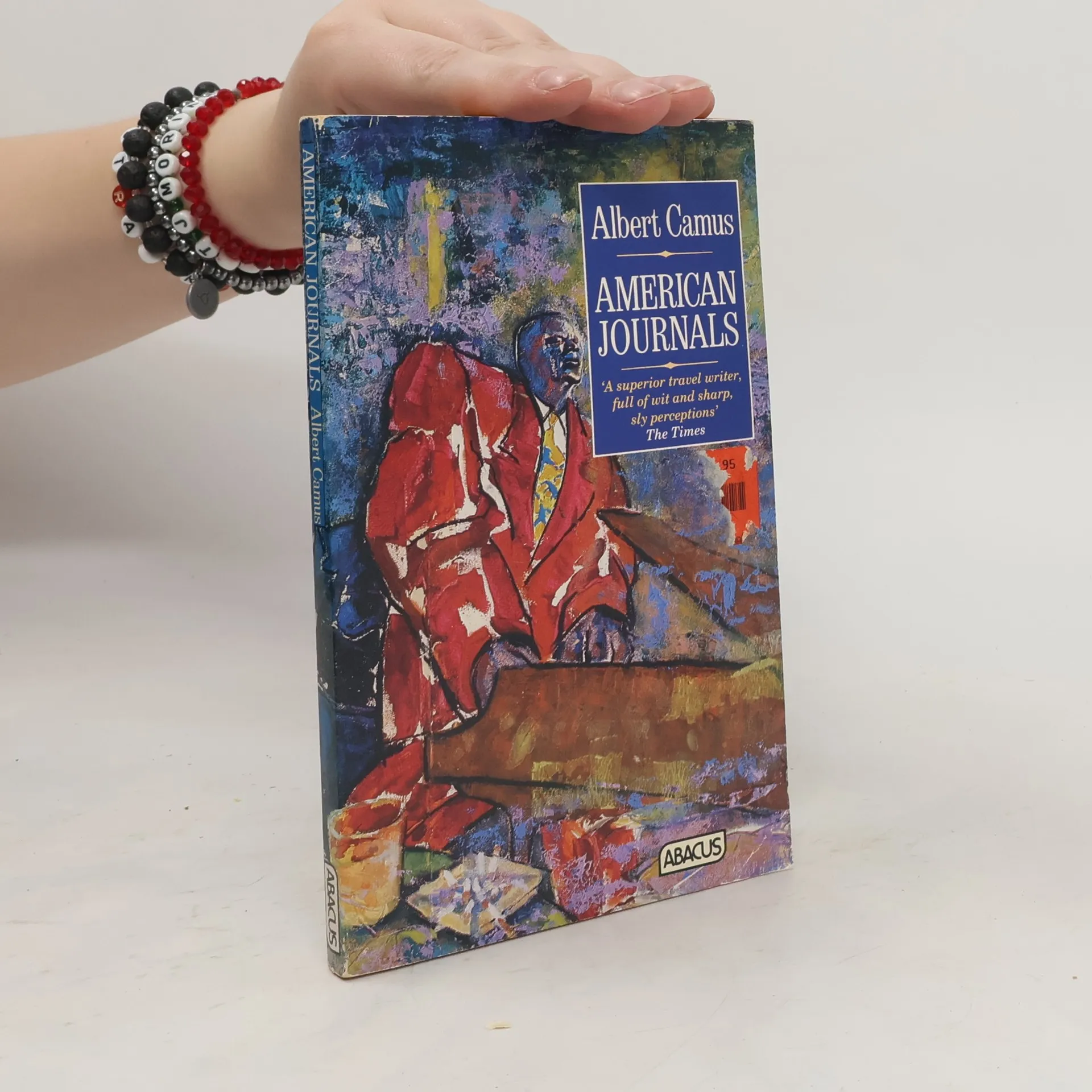
This text consists of two notebooks that the Nobel laureate kept during a short trip to the U.S. in 1946 and during a longer stay in Brazil, Uruguay, Argentina and Chile in 1949 periods of stress and hectic public appearances, when he was tired, nervous, ill and vulnerable. If these journals were not by Camus, they might be regarded as "meaningless bits and pieces" (his own description) that do not merit publication. But 27 years after his death, almost anything from his pen possesses value for students of French literature. Since many of these fragments later turned up in his published writings, their major interest stems from the fact that they show how Camus passed from rough notes to a finished work. The introduction was written by the author's longtime editor at Gallimard.
The adulterous woman
- 82bladzijden
- 3 uur lezen
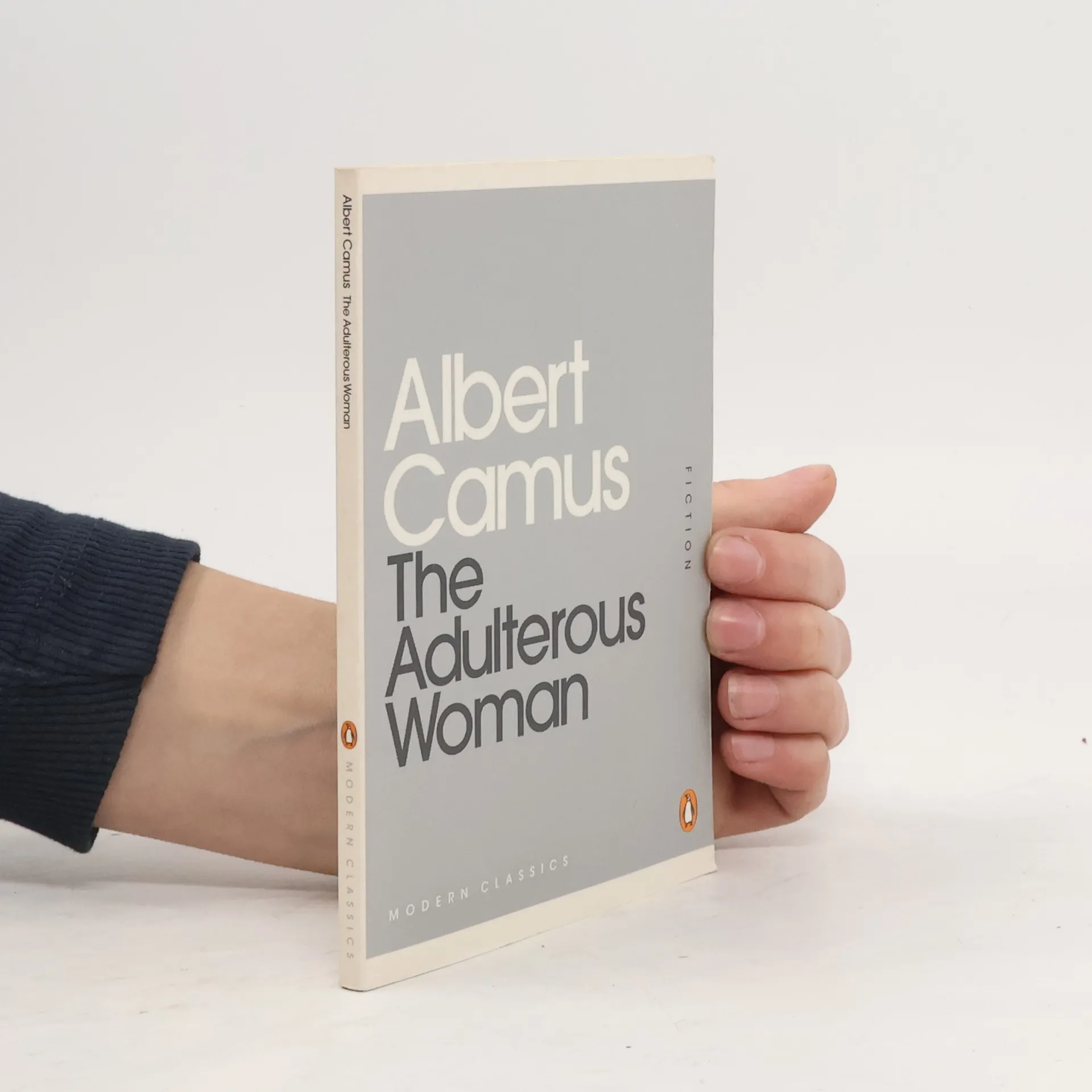
Camus's writing confronts the great philosophical dilemmas of our time with piercing clarity. These three powerful and evocative stories are heavy with the weight of the human condition, and rich with atmosphere. In them, an ageing labourer, a woman travelling in North Africa with her husband, and a schoolteacher tasked with transporting a prisoner each face their own moral crises.
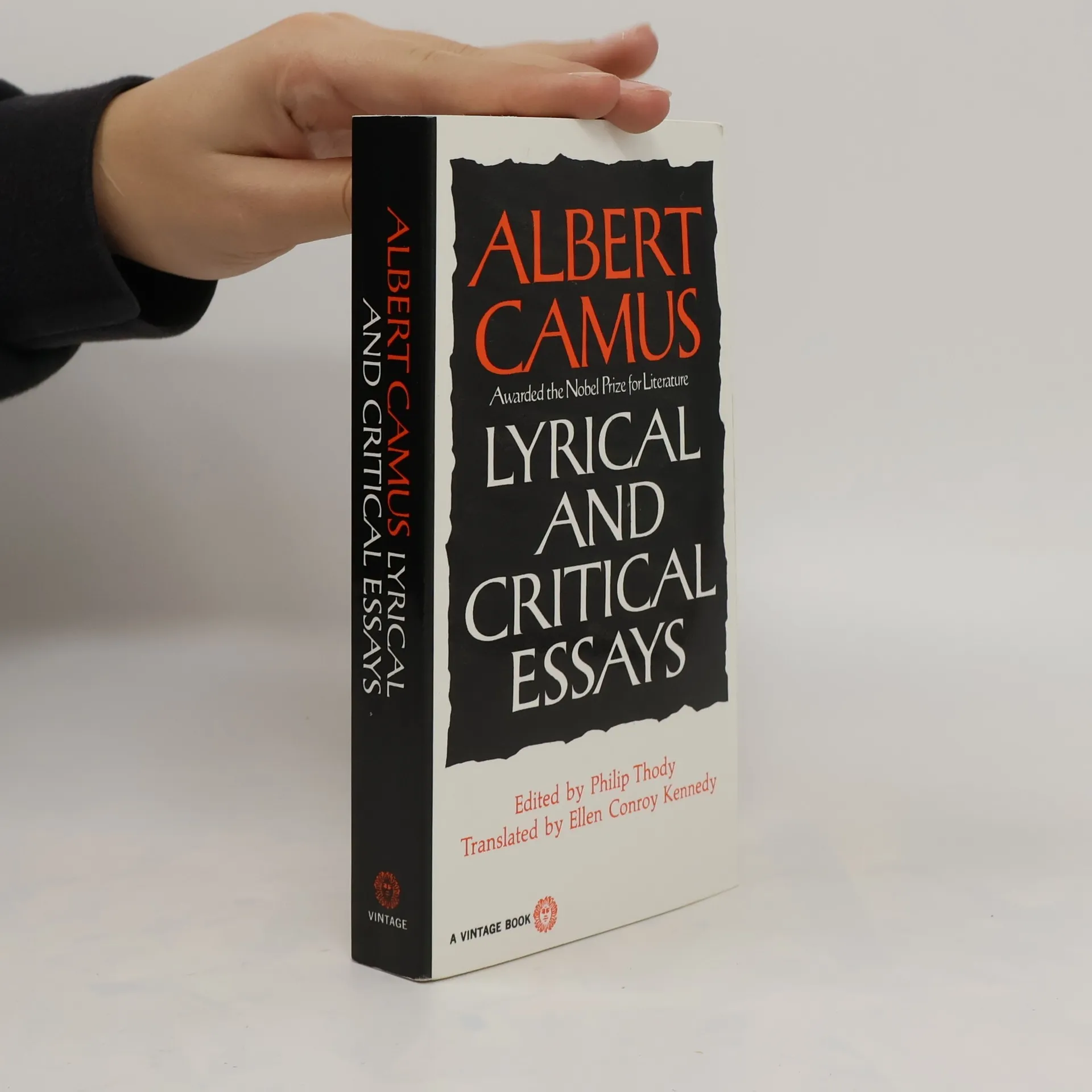
"Here now, for the first time in a complete English translation, we have Camus's three little volumes of essays, plus a selection of his critical comments on literature and his own place in it. As might be expected, the main interest of these writings is that they illuminate new facets of his usual subject matter."--The New York Times Book Review"A new single work for American readers that stands among the very finest."--The Nation
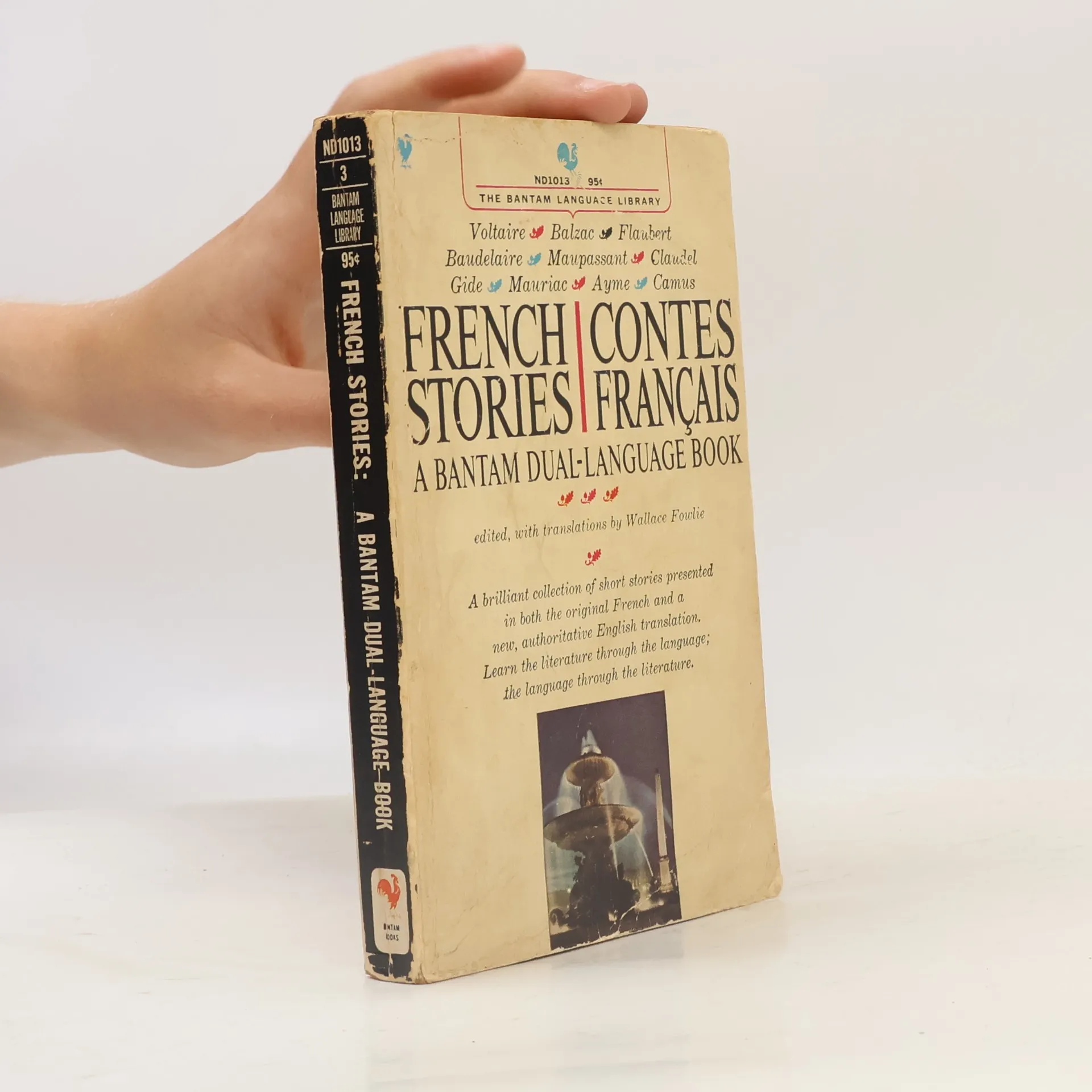
French Stories. Contes Français
Bantam Dual-Language Book
Tagebücher
- 314bladzijden
- 11 uur lezen
"Wert haben oder keinen Wert haben. Schöpferisch sein oder nicht. Im ersten Fall ist alles gerechtfertigt. Alles, ohne Ausnahme. Im zweiten Fall herrscht vollkommene Absurdität. Bleibt die Wahl des ästhetischen Selbstmords: Heirat + 40 Stunden oder Revolver." Werkstattaufzeichnungen, Gedankenskizzen, Entwürfe und Notizen - ein eindrucksvolles Tagebuch und ein authentisches Stück Biographie.
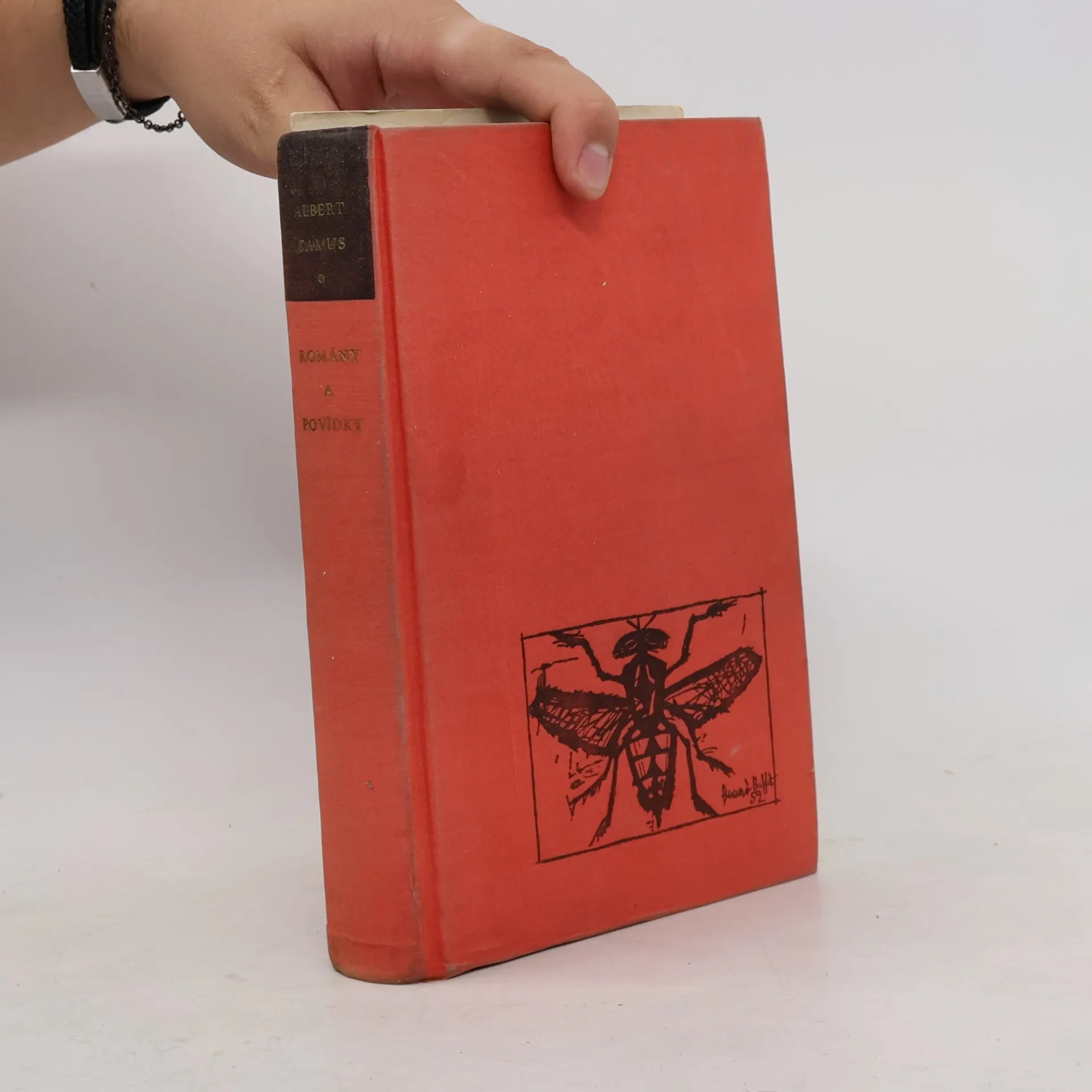
Svazek přináší Camusovy romány Cizinec (1942), Mor (1947), Pád (1956) a šest povídek ze sbírky Exil a království (1956; Cizoložnice, Odpadlík aneb zmatení mysli, Němí, Host, Jonáš aneb umělec při práci, Rašící kámen), z nichž každá má osobitou stylovou i myšlenkovou rovinu. Jeho beletristické dílo, shrnuté do jednoho svazku, dává tak čtenáři možnost proniknout do autorova světa a sledovat jeho vývoj.
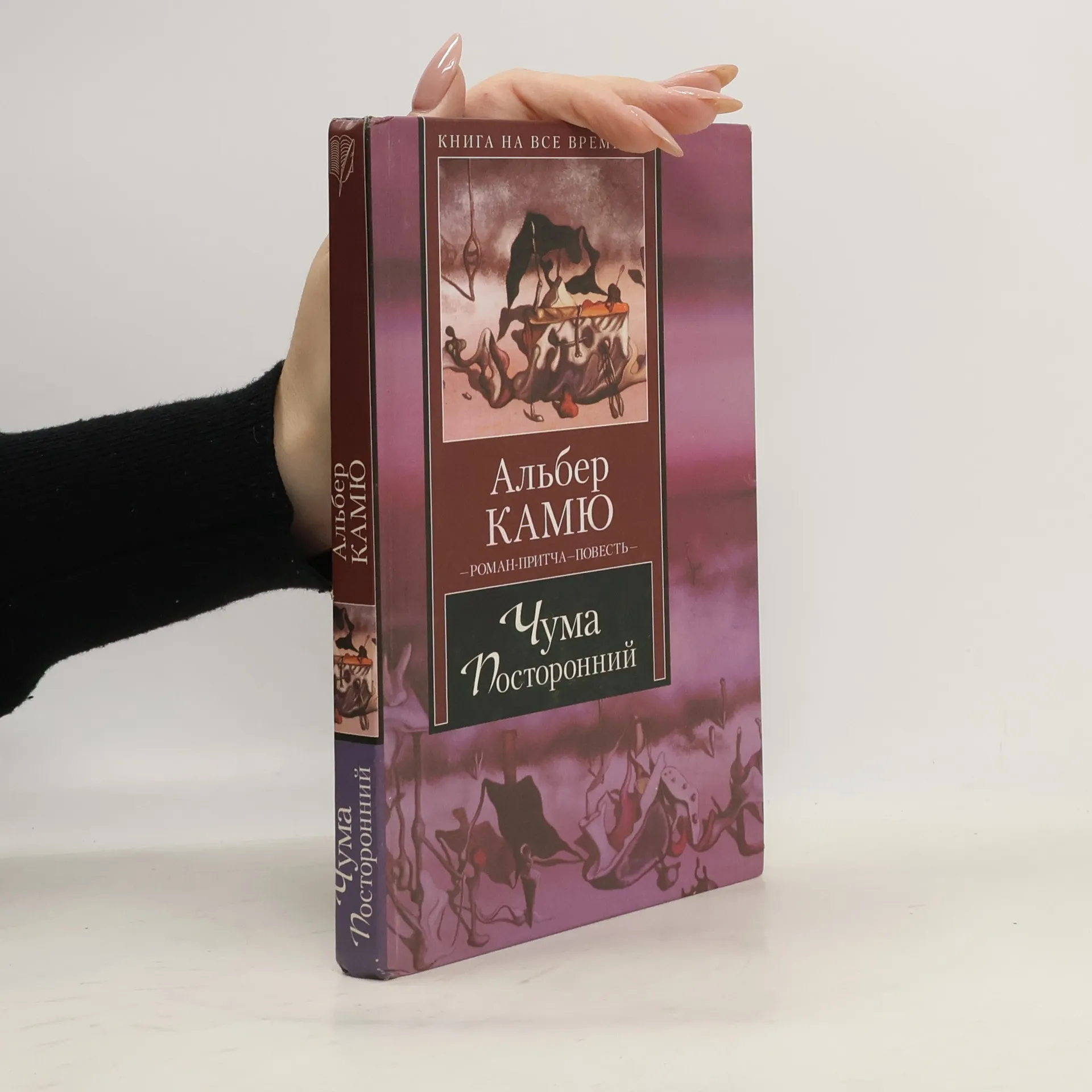
Чума / Посторонний
- 333bladzijden
- 12 uur lezen
В книгу французского писателя Альбера Камю вошли его романы `Чума` и `Посторонний`.
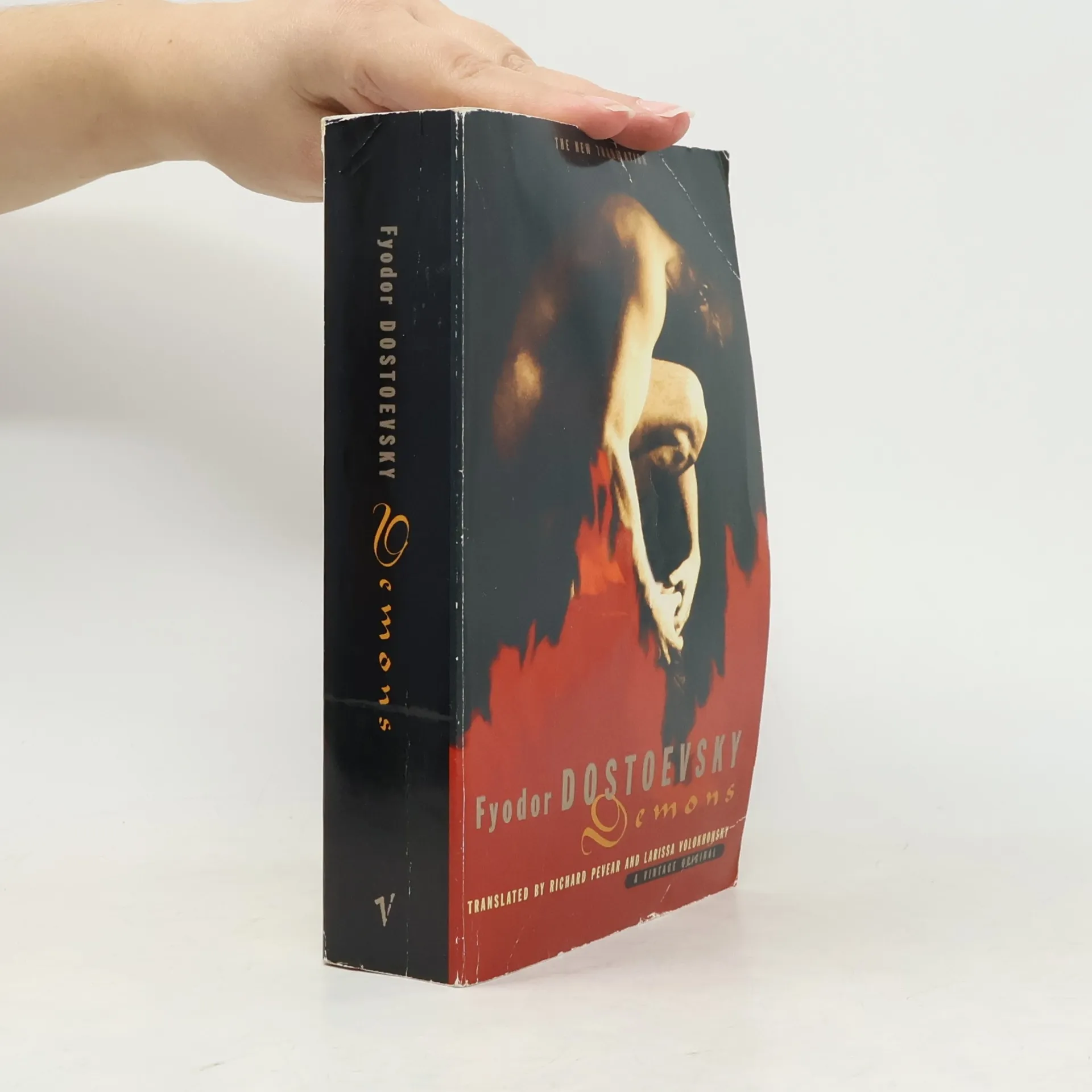
Demons
- 768bladzijden
- 27 uur lezen
From the award-winning translators of Crime and Punishment, Richard Pevear and Larissa Volokhonsky.Based on a real-life crime which horrified Russia in 1869, Dostoevsky intended his novel to castigate the fanaticism of his country's new revolutio
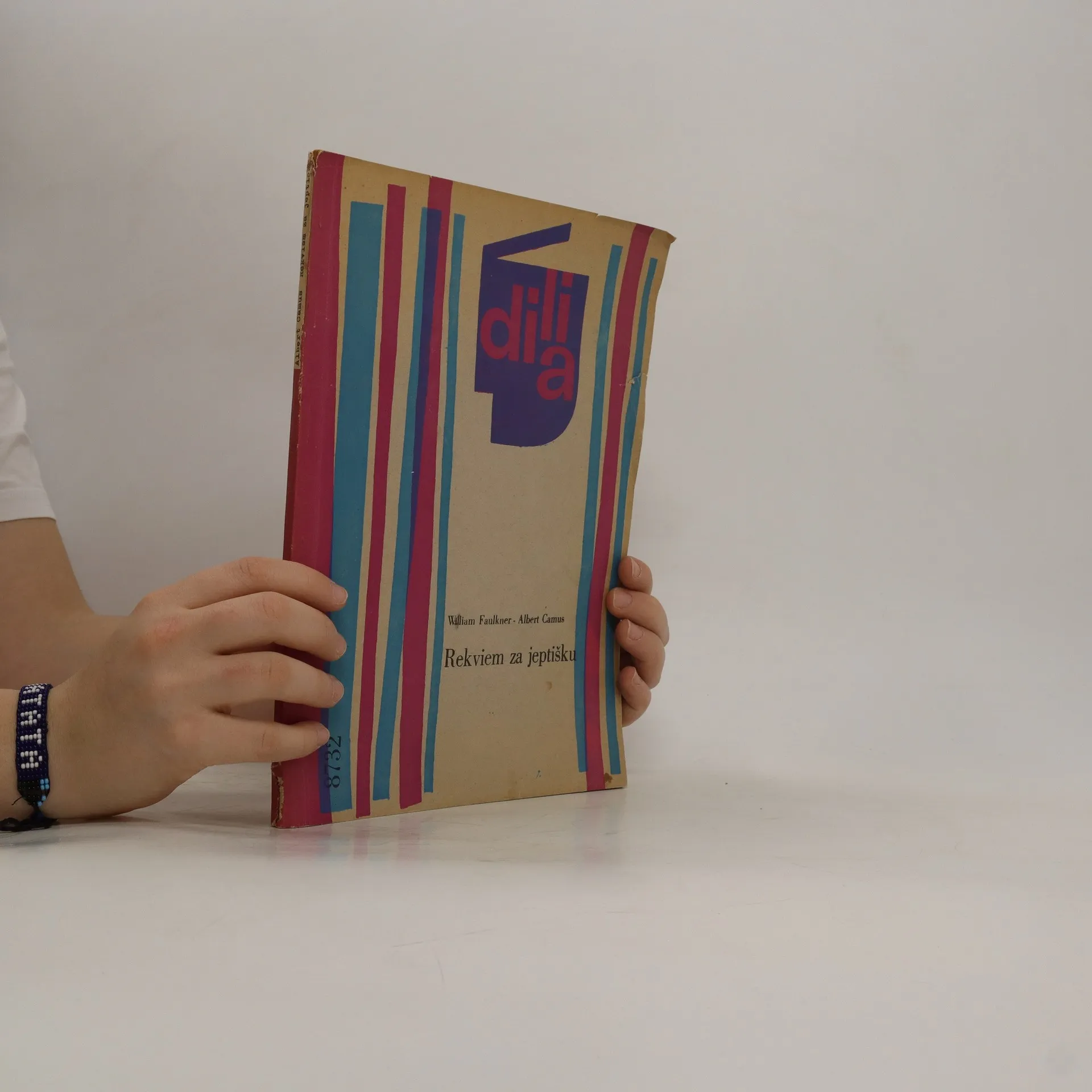
Rekviem za jeptišku je próza Williama Faulknera, která byla poprvé publikováno v roce 1951. Jedná se o pokračování jeho románu Svatyně. Události v Zádušní mši, jak se dílo v originální verzi jmenuje, jsou zasazeny do listopadu 1937 a březnu 1938, odehrávají se tedy osm let po událostech ze Svatyně. Hra je Camusovou dramatizací Faulknerovy prózy.
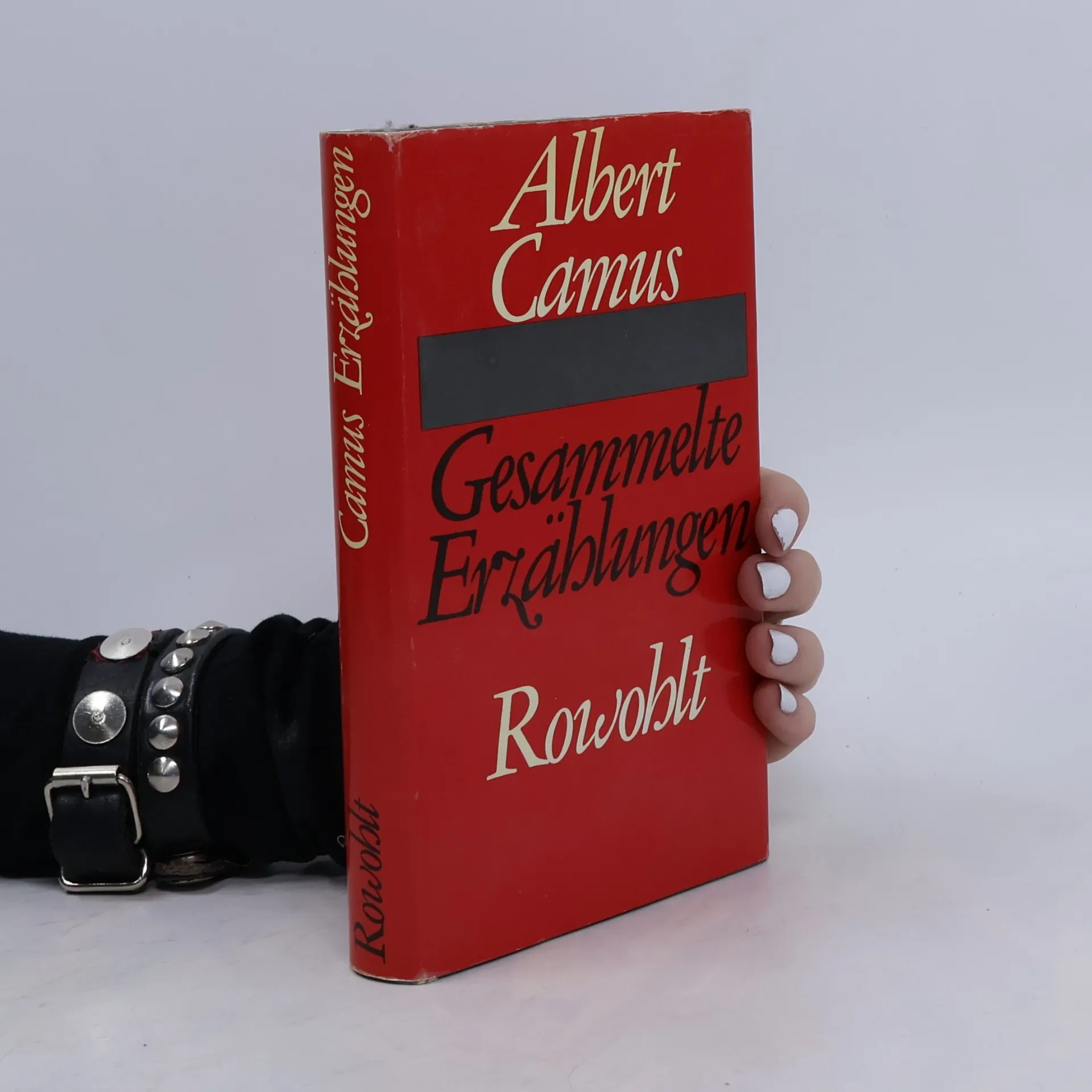
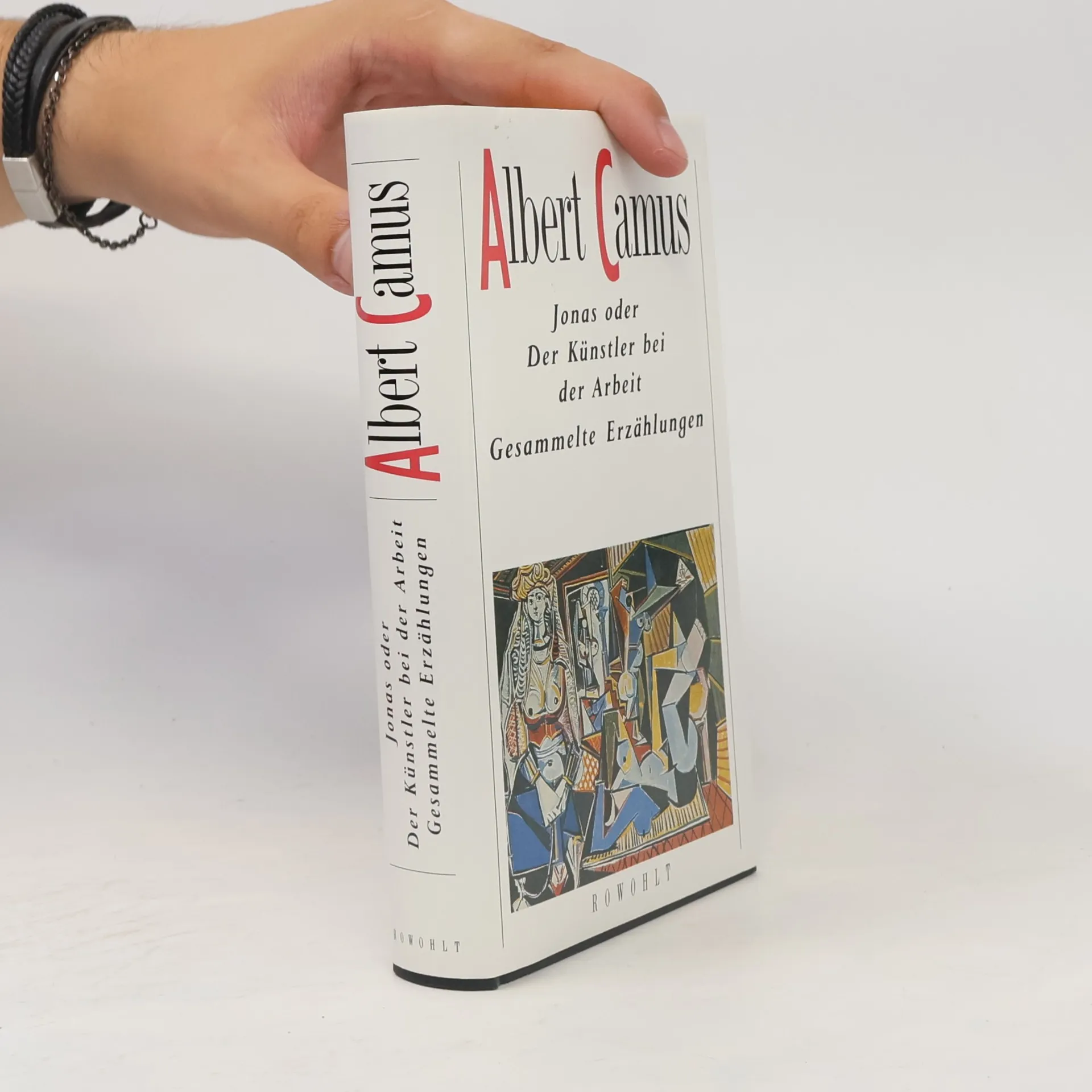
Gesammelte Erzählungen
- 250bladzijden
- 9 uur lezen
Der Fall / Die Ehebrecherin/ Die Abtrüninge oder Ein verwirrter Geist/ Die Stummen/ Der Gast/ Jonas oder Der Künstler bei der Arbeit/ Der treibende Stein
Cizinec (1942) – Z deníku Alberta Camuse: „Vypravování. Člověk, který se nechce ospravedlnit. Představa, kterou si o něm udělají, se mu líbí. Zemře s vědomím vlastní pravdy. Zbytečnost této útěchy.“ Pád (1956) – J. B. Clamence (Jean Baptiste – Jan Křtitel!) nesnáší pocit být souzen, proto obviňuje sám sebe a před náhodnými hosty v baru opakuje svůj vlastní proces. Hrdinové obou knih jsou značně rozdílní. Hlavní postava Cizince Meursault je některými kritiky považován za nadměrně mlčenlivého, má až schizofrenické rysy mutismu, zato Clamence, ústřední vypravěč Pádu, hlas volající z pouště, toť úplné obžerství slov. Mluví a mluví a mluví a tak se mu daří znamenitý trik: čím více toho napovídá, čím více toho nasvěřuje, tím více nám uniká, tím méně o něm víme. Nad Meursaultem i nad Clamencem se vznášejí záhady: přes všechnu jasnost čemusi stále nerozumíme, něco se skrývá jak za clonou mlčení Meursaulta, tak za clonou slov Clamence. Vzrušující tím, co už si do nich musíme vkládat sami.
Albert Camus (1913-1960) war ein algerischer Franzose, Widerstandskämpfer und Existenzialist, der mit moralischer Urteilskraft auf die Herausforderungen seiner Zeit reagierte. Er erhielt 1957 den Nobelpreis und gilt als bedeutender Moralist der französischen Literatur. Dieser Band bietet eine Auswahl ungekürzter Texte aus seinem umfangreichen Werk sowie eine Monographie über sein Leben.
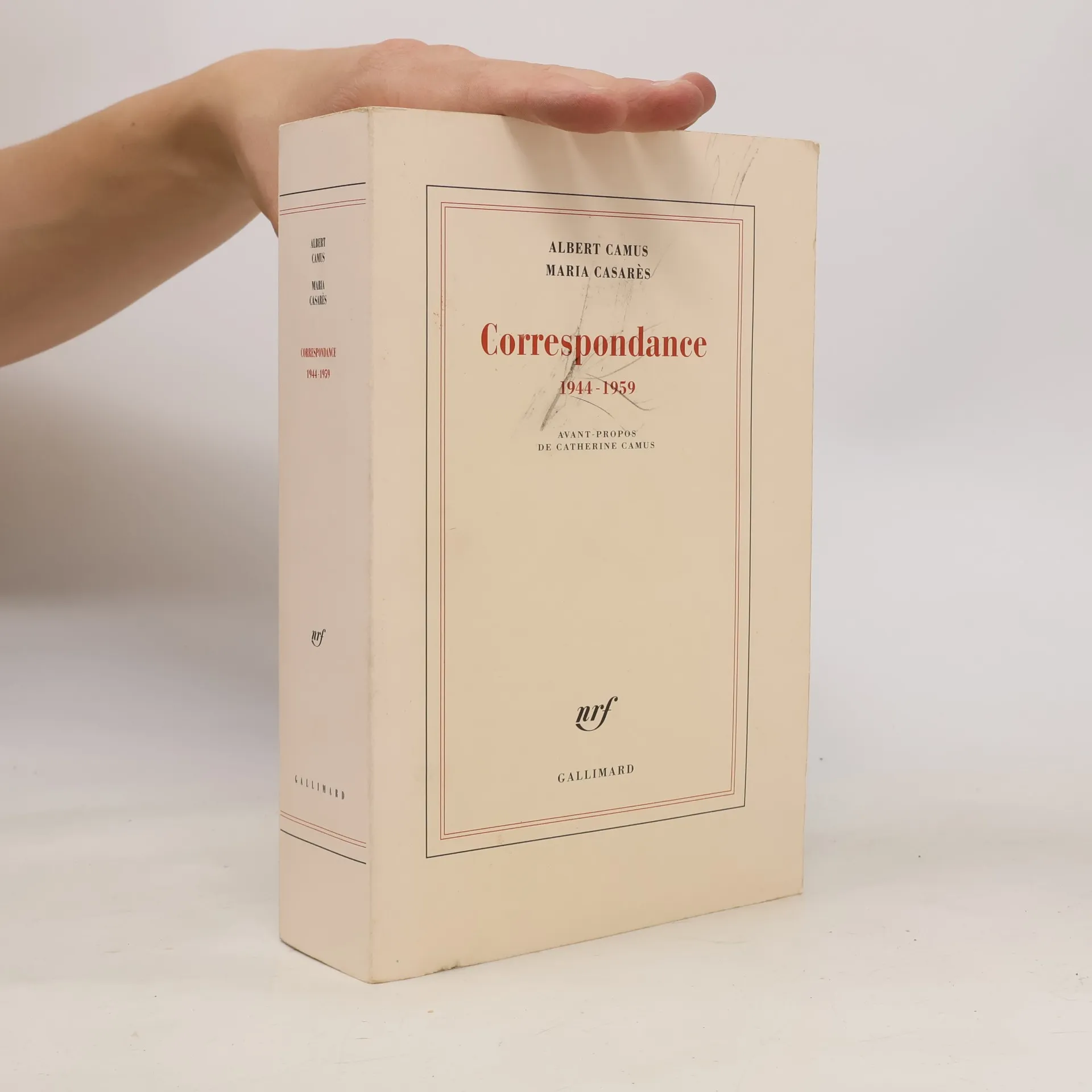
Le 19 mars 1944, Albert Camus rencontre Maria Casarès lors d'une représentation-lecture à Paris. À seulement vingt-deux ans, Maria, ancienne élève du Conservatoire national d'art dramatique et originaire de La Corogne, a débuté sa carrière d'actrice en 1942. À cette époque, Camus, isolé à Paris à cause de la guerre, est séparé de son épouse. Séduit par le talent et la beauté de Maria, il lui confie le rôle de Martha dans sa pièce Le Malentendu en juin 1944. Lors d'une soirée chez un ami, ils deviennent amants, mais Maria, voyant leur relation comme sans avenir à cause de la situation conjugale de Camus, décide de mettre fin à leur liaison. Quatre ans plus tard, par un heureux hasard, ils se retrouvent à Paris et reprennent leur histoire, plus passionnée que jamais, jusqu'à la mort tragique de Camus en 1960. Leur correspondance, inédite jusqu'à présent, témoigne de l'intensité de leur relation, marquée par des séparations dues à leurs engagements artistiques et familiaux. À travers leurs échanges, on découvre leur quête de l'amour véritable, la douleur de l'absence, ainsi que la joie des moments partagés. Cette correspondance met en lumière l'importance de l'amour dans l'œuvre de Camus, révélant une préoccupation constante pour ce sentiment inévitable. Maria résumera cette expérience en affirmant que l'on n'oublie jamais un grand amour.
Œuvres
- 1525bladzijden
- 54 uur lezen
«Changer la vie, oui, mais non le monde, dont je faisais ma divinité.» Camus ne s'abstient pas de l'amour universel par lâcheté ou indifférence, mais par une "folie d'équité". À ceux qui cherchent un sens à la vie, il répond que nous ne sortons pas du ciel qui nous contient. Face à l'absurde, il affirme que la beauté du monde suffit à remplir le cœur humain. À ceux qui désirent la tyrannie, il prône l'amour des hommes avant les idées. Aux partisans de la haine, il oppose la gratitude. Pour les indignés qui s'endorment sur leurs contestations, il enseigne que la véritable exigence est l'opposée de la radicalité. Sa solitude n'est pas celle du misanthrope, et son combat n'est pas celui du révolutionnaire. Contrairement à ceux qui se complaisent dans l'inefficacité, les héros de Camus continuent à lutter, conscients que la bataille est toujours à recommencer. C'est dans la révolte que Camus trouve "l'intransigeance exténuante de la mesure", cherchant à préserver le monde. Au nom du courage, il se méfie des enragés. Camus traite le désespoir par l'idée qu'il n'est pas nécessaire d'espérer pour agir ; c'est le seul homme normal que je connaisse. (Raphaël Enthoven)
Cudzinec / Mor / Vyhnanstvo a kráľovstvo
- 371bladzijden
- 13 uur lezen
Prvé vydanie Camusových diel v slovenčine. Prvý zväzok zahrňuje jeho novelu Cudzinec (1942), ktorá po slovensky vychádza po prvý raz, ďalej román Mor (1947), ktorý vyšiel v slovenčine v uvoľnenom politickom ovzduší šesťdesiatych rokov. Poviedky zo zbierky Vyhnanstvo a kráľovstvo vychádzajú (1956) v slovenskom preklade tiež prvý raz. Napriek desaťročiam od vydania Cudzinca, úvodnej novely prítomného slovenského výberu z Camusa, sú tieto prózy stále zaujímavé a čitateľsky príťažlivé, svojimi hodnotami patria medzi základné diela svetovej literatúry.
Lectures Modernes/Contemporaines: Toutes Latitudes - Level 2
- 159bladzijden
- 6 uur lezen
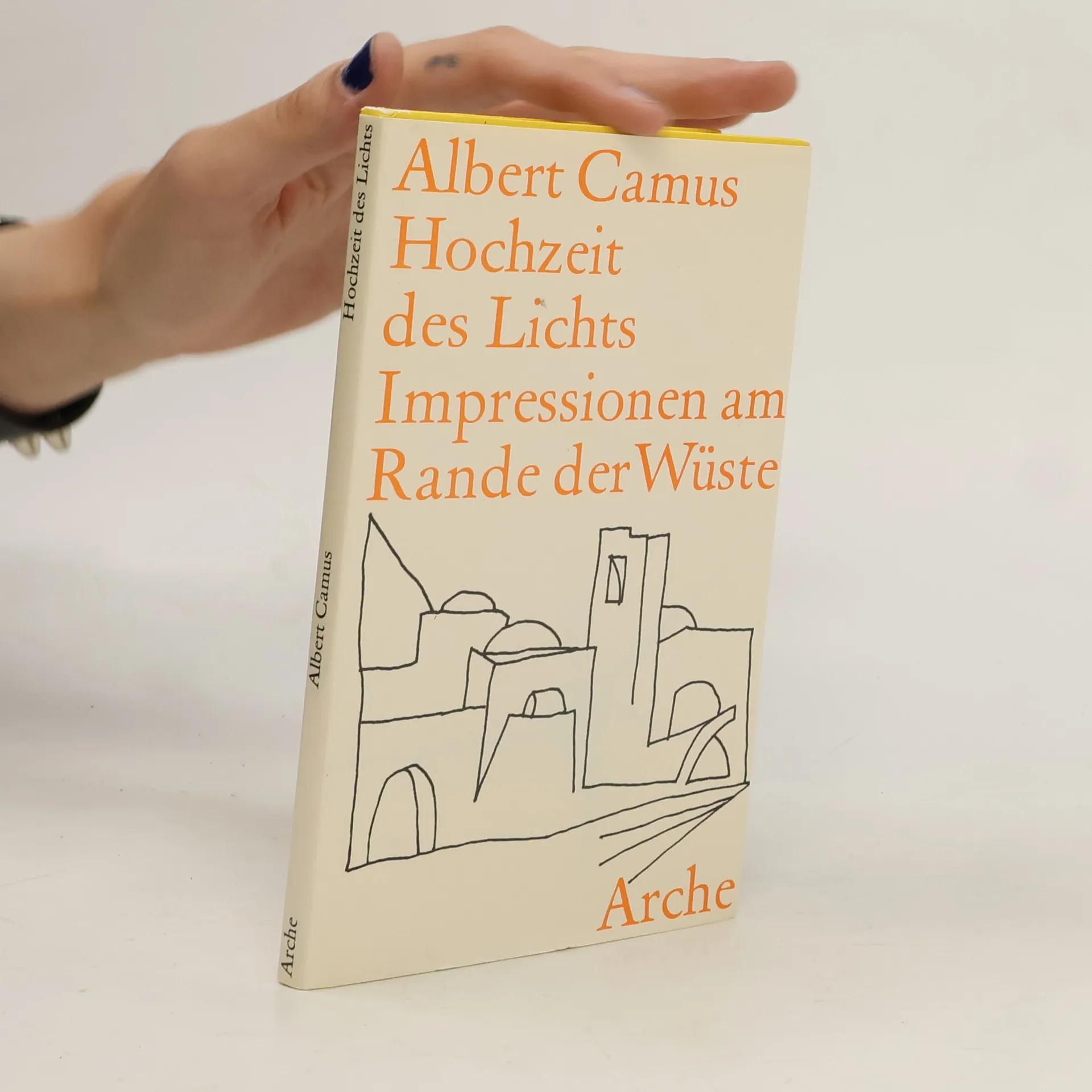
Hochzeit des Lichts
- 69bladzijden
- 3 uur lezen
Albert Camus, der große Philosoph, Schriftsteller und Nobelpreisträger wäre im November 2013 hundert Jahre alt geworden. Die in diesem Band versammelten Essays Hochzeit des Lichts und Heimkehr nach Tipasa, sind zeitlose Liebeserklärungen an seine Heimat Algerien, Hymnen auf die Sonne, das Licht und den Himmel über dieser einzigartigen Landschaft am Mittelmeer. Nirgends fühlte Camus sich so wohl wie an dem Ort seiner Kindheit, uns so nehmen diese beiden „Impressionen am Rande der Wüste“ in seinem umfangreichen Werk eine Ausnahmestellung ein, erkennbar als Ausgangspunkt seines späteren Schaffens.
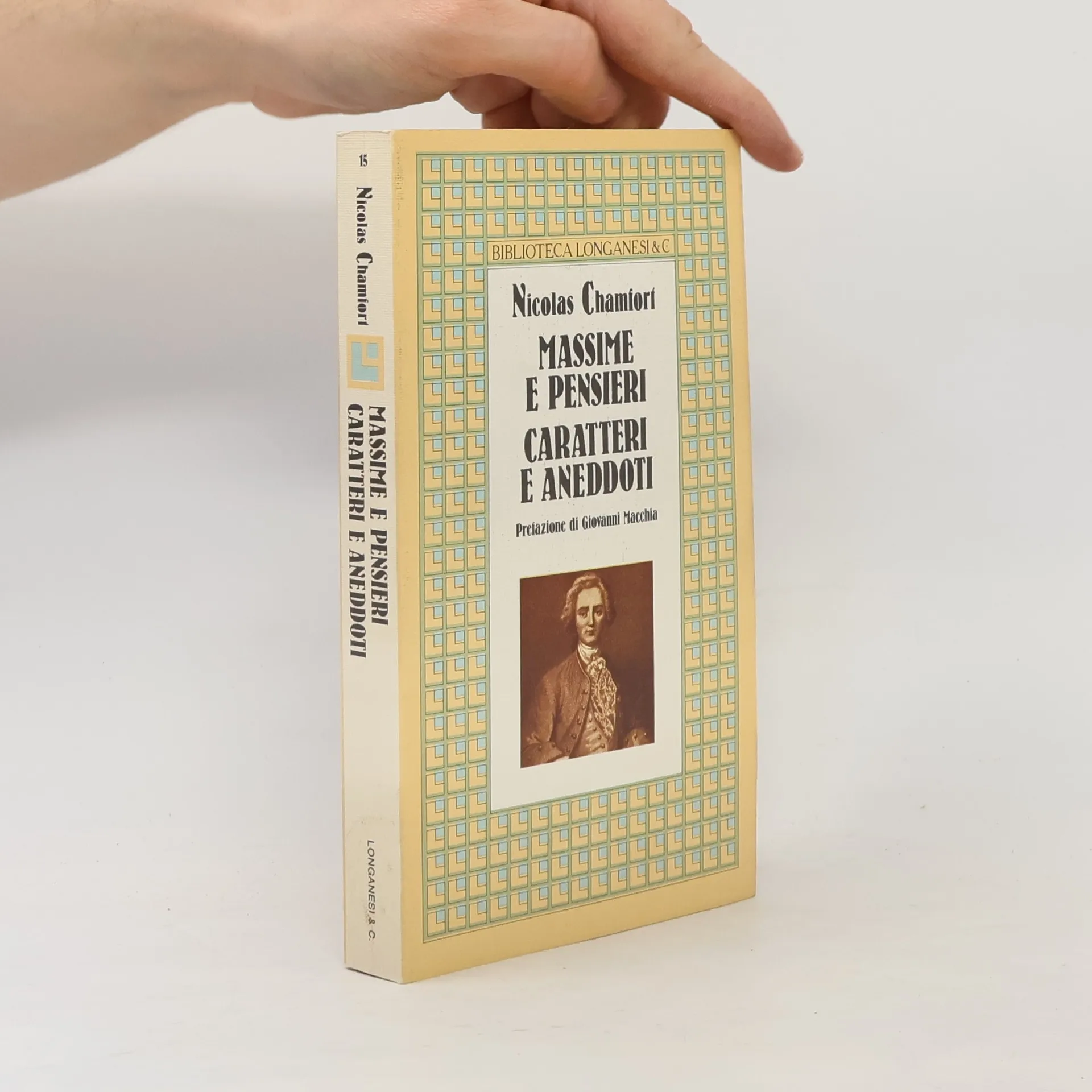
Nicolas de Chamfort (1740-1794) incarna le contraddizioni e gli entusiasmi del Secolo dei Lumi, esprimendo uno spirito critico che riflette le cadute dell'intelletto settecentesco. Aristocratico di origine incerta e protetto da figure come il Principe di Condé e Luigi XVI, il suo percorso da libertino di genio a testimone delle malattie morali dell'epoca è segnato da rovesci di fortuna e dall'impegno nella causa rivoluzionaria. La sua raccolta di «Massime e pensieri» offre un acuto ritratto del XVIII secolo, rivelando il lato oscuro e nevrotico di una società in cerca della Verità tra le maschere di una realtà teatrale. Qui si intrecciano le figure della Reggenza, i vagheggiamenti di Marivaux e i liberali di Montesquieu, insieme agli atei del d'Holbach e ai pensatori del «Contratto sociale». Le dense formule di Chamfort, un inventario spirituale dell'Ancien Régime, offrono un'osservazione indipendente sugli eventi che portarono alla Rivoluzione, con intuizioni così vigili da apparire sovrumane. Questo fascino ha attratto lettori come Chateaubriand, Stendhal, Schopenhauer e Nietzsche, rendendolo simbolo dell'ambiguo confronto tra sogno e ragione nella coscienza critica e morale della civiltà moderna.
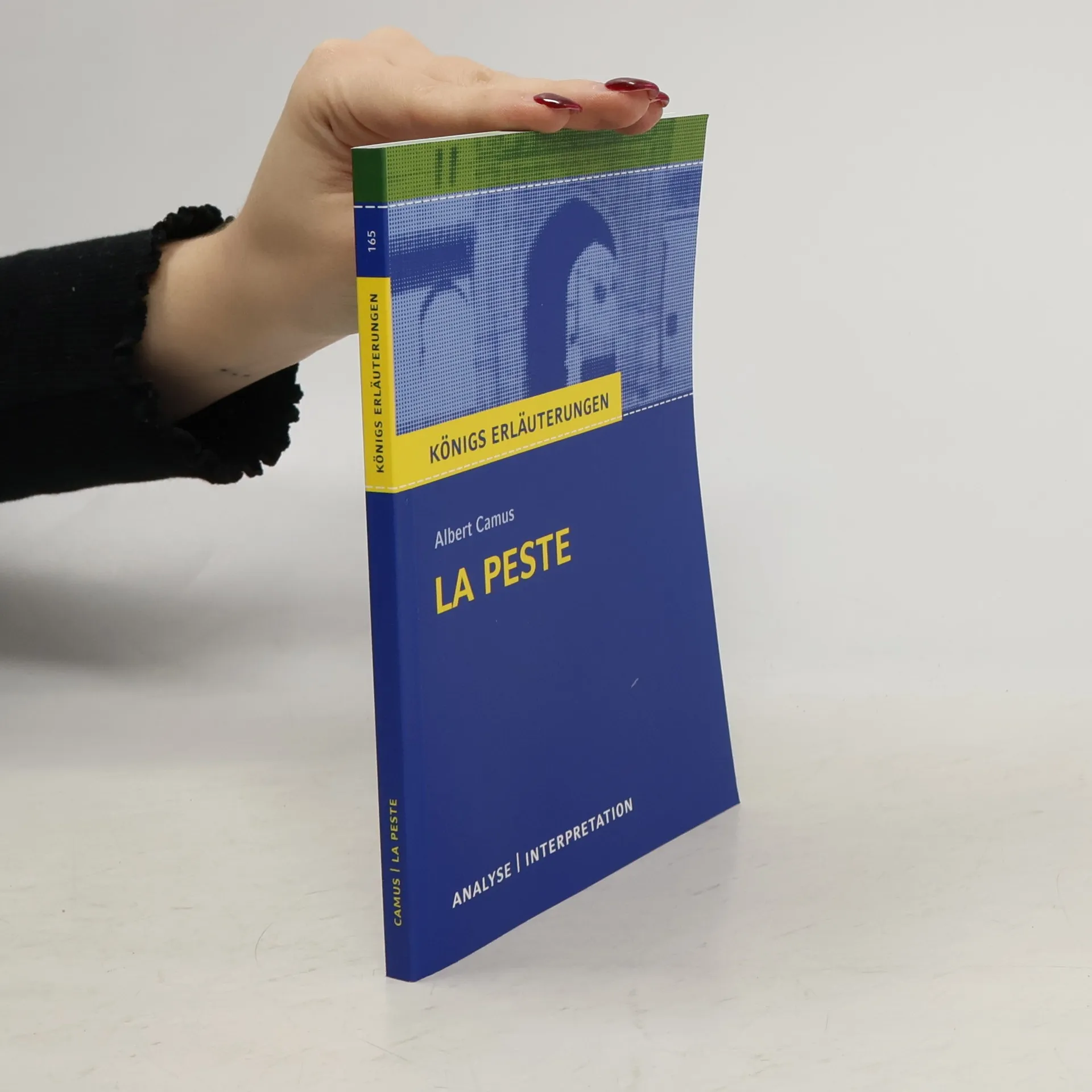
Textanalyse und Interpretation mit ausführlicher Inhaltsangabe und Abituraufgaben.
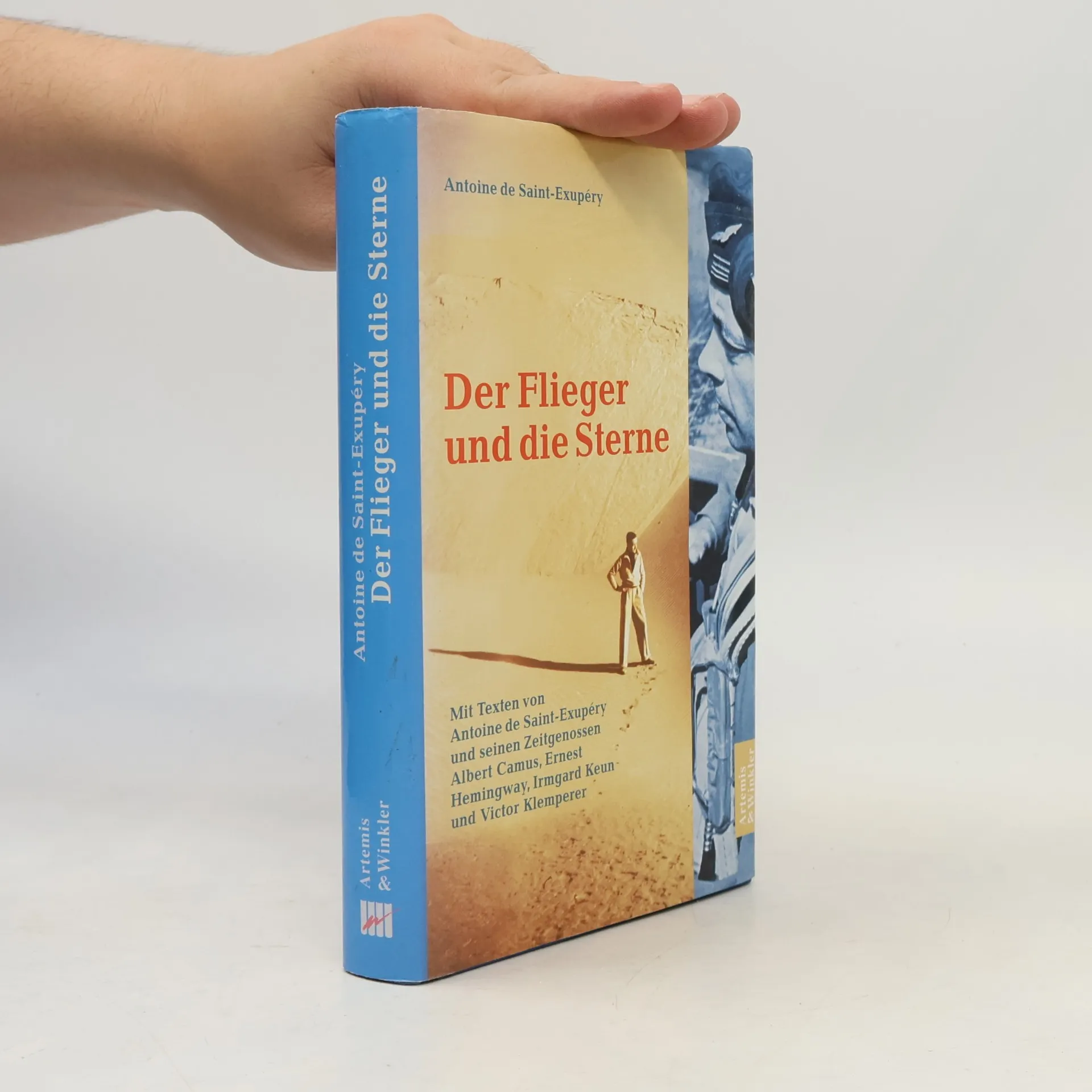
Der Flieger und die Sterne. Albert Camus, Ernest Hemingway, Irmgard Keun u. Victor Klemperer
- 271bladzijden
- 10 uur lezen
Die Jubiläums-Anthologie beleuchtet die Lebenswelt von Antoine de Saint-Exupery und thematisiert Fliegen, Einsamkeit, menschliche Solidarität und den Kampf gegen Totalitarismus. Seine Prosatexte werden mit Werken von Zeitgenossen wie Camus, Lorca und Hemingway verglichen. Saint-Exupery wurde im Juni 2000 hundert Jahre alt.
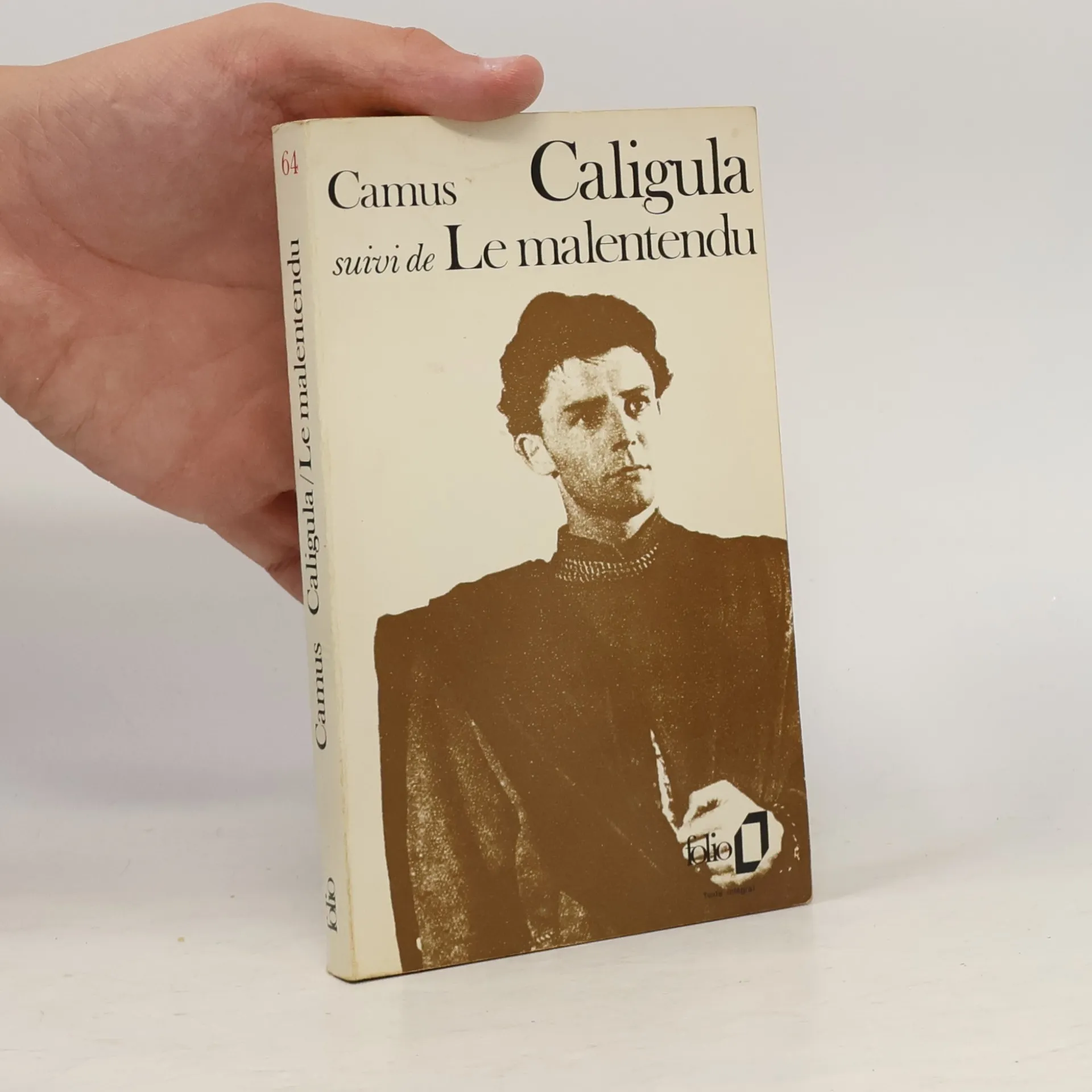
Caligula. Le malentendu
- 245bladzijden
- 9 uur lezen
"Caligula : C'est une vérité toute simple et toute claire, un peu bête, mais difficile à découvrir et lourde à porter.Hélicon : Et qu'est-ce donc que cette vérité, Caïus ?Caligula : Les hommes meurent et ils ne sont pas heureux.Hélicon : Allons, Caïus, c'est une vérité dont on s'arrange très bien. Regarde autour de toi. Ce n'est pas cela qui les empêche de déjeuner.Caligula : Alors, c'est que tout, autour de moi, est mensonge, et moi, je veux qu'on vive dans la vérité !"
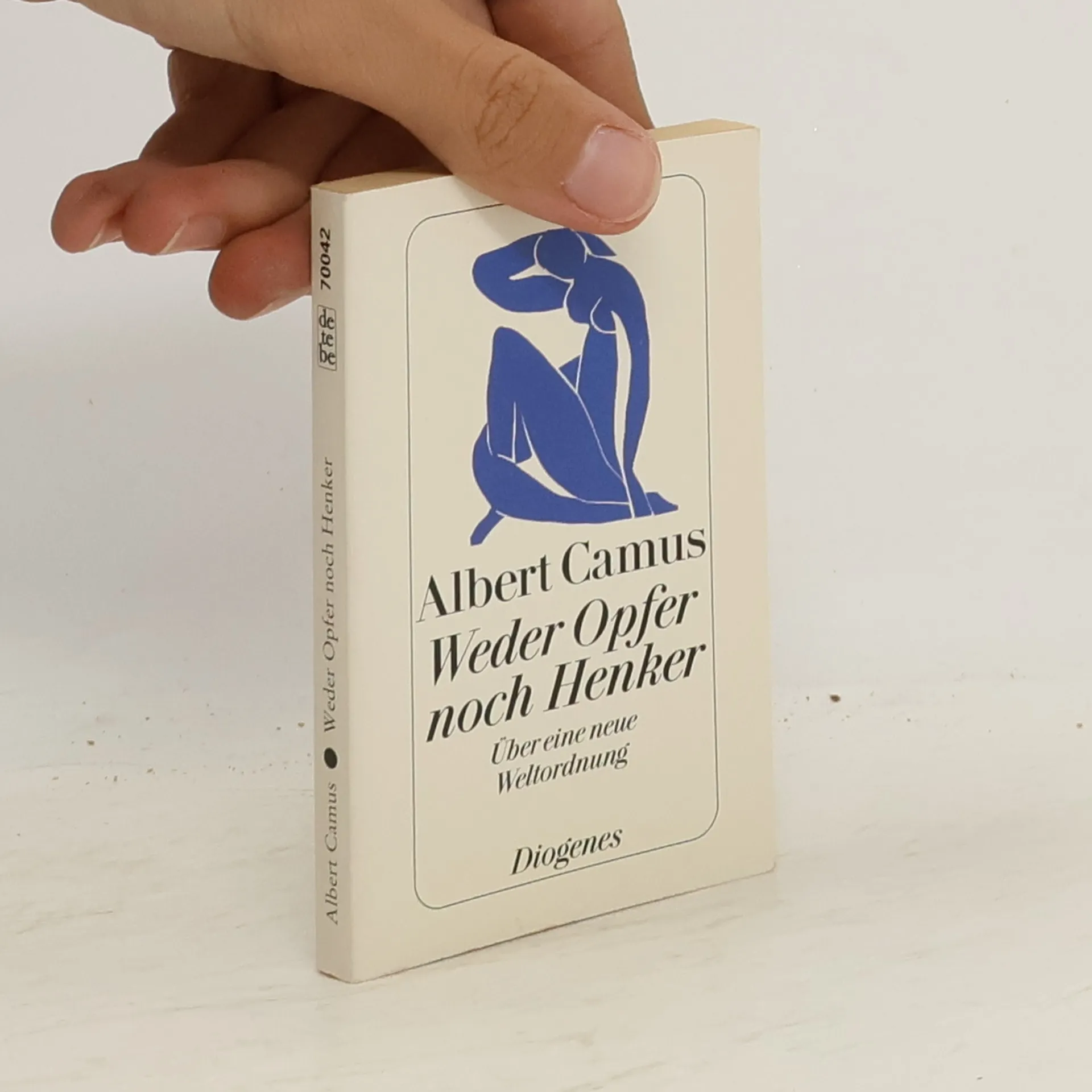
Weder Opfer noch Henker
- 132bladzijden
- 5 uur lezen
„Wir wissen heute, dass es keine Inseln mehr gibt, dass die Grenzen sinnlos sind. Wir wissen, dass wir in einer Welt der konstanten Beschleunigung je nachdem zur Mitschuld oder zur Solidarität gezwungen werden. Was wir in den 40er Jahren gelernt haben, ist, dass die Beschimpfung eines Studenten in Prag gleichzeitig den Arbeiter in Clichy traf, dass das irgendwo an den Ufern eines mitteleuropäischen Flusses vergossene Blut dazu führte, dass ein Bauer aus Texas das seinige auf dem Boden jener Ardennen verlor, die er erstmals sah. Es gab und gibt auf dieser Welt kein einziges gesondertes Leiden, keine einzige Folter mehr, die sich nicht auf unseren Alltag auswirkte. Wir wissen also alle ohne den Schatten eines Zweifels, dass die neue Ordnung, die wir suchen, keine ausschließlich nationale, nicht einmal eine kontinentale und vor allem keine westliche oder östliche Ordnung sein kann. Es muss eine universale Ordnung sein.“
Albert Camus wurde am 7. November 1913 in ärmlichen Verhältnissen als Sohn einer Spanierin und eines Elsässers in Mondovi, Algerien, geboren. Von 1933 bis 1936 studierte er an der Universität Algier Philosophie. 1934 trat er der Kommunistischen Partei Algeriens bei und gründete im Jahr darauf das «Theater der Arbeit». 1937 brach er mit der KP. 1938 entstand sein erstes Drama «Caligula», das 1945 uraufgeführt wurde. Camus zog 1940 nach Paris. Neben seinen Dramen begründeten der Roman «Der Fremde» und der Essay «Der Mythos von Sisyphos» sein literarisches Ansehen. 1957 erhielt Albert Camus den Nobelpreis für Literatur. Am 4. Januar 1960 starb er bei einem Autounfall.Das Gesamtwerk von Albert Camus liegt im Rowohlt Verlag vor.
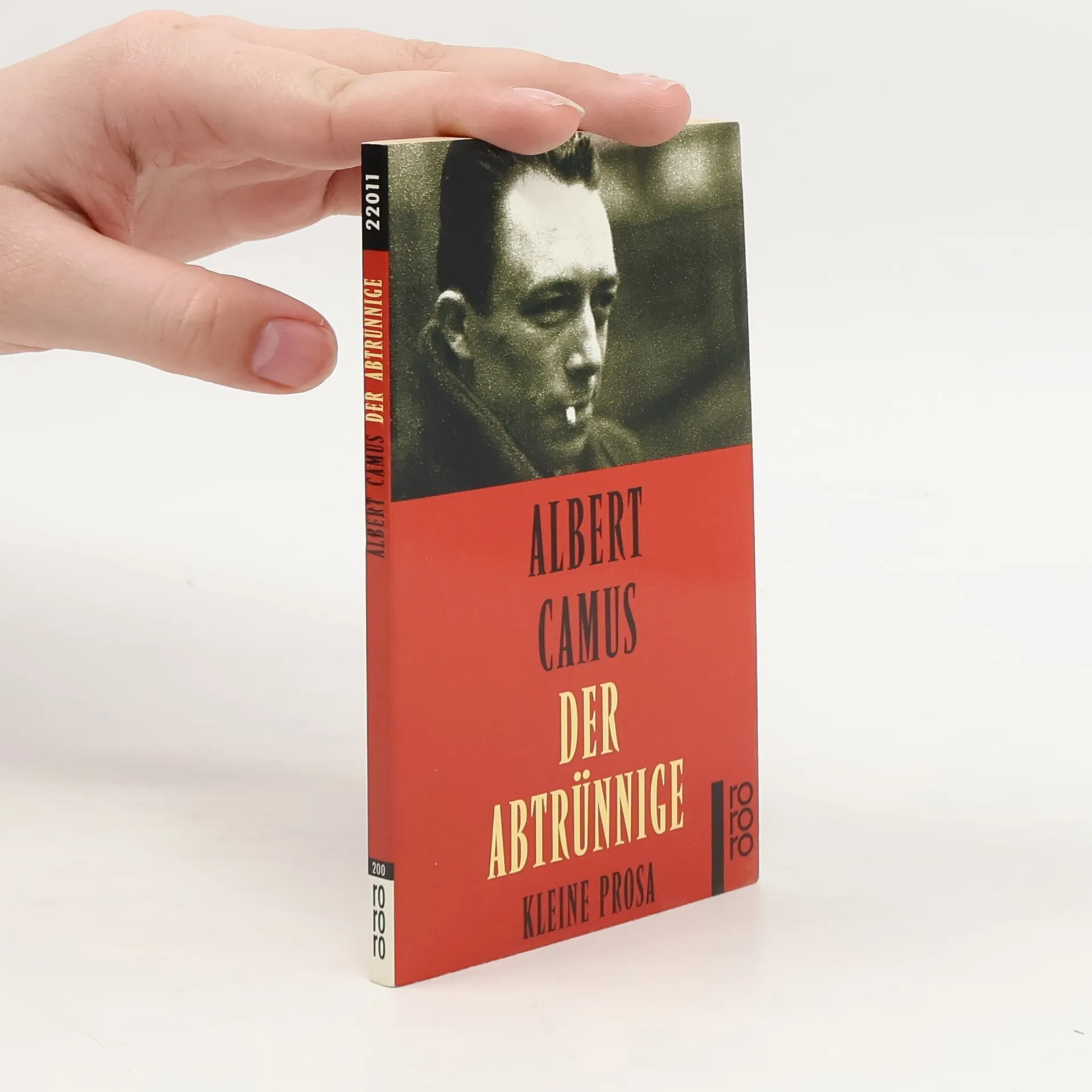
Der Abtrünnige
- 125bladzijden
- 5 uur lezen
Es gibt Leidenschaftsverbrechen und logische Verbrechen. Der Strafgesetzbuch unterscheidet zwischen ihnen, recht bequem, durch die Vorsätzlichkeit. Wir befinden uns in der Zeit der Vorsätzlichkeit und des perfekten Verbrechens. Unsere Verbrecher sind nicht mehr die unbewaffneten Kinder, die die Ausrede der Liebe anführten. Sie sind im Gegenteil Erwachsene, und ihr Alibi ist unwiderlegbar: Die Philosophie kann für alles dienen, sogar um Mörder in Richter zu verwandeln. Mehr als 50 Jahre nach seiner ersten Veröffentlichung, mit den ideologischen Auseinandersetzungen und den existenziellen Fragen der Menschheit radikal aus den Fugen geraten, erhält dieses Buch eine besondere Dimension. Es ist nicht mehr möglich, Verbrechen gegen die Menschlichkeit zu ignorieren, gleich welche revolutionären Vorwände sie haben. Die Revolte entschuldigt nicht alles. So zeigt sich der von Camus vorgeschlagene Humanismus als grundlegend für diejenigen, die es vorziehen, die Menschen zu verteidigen, bevor sie abstrakte theoretische Systeme verteidigen.
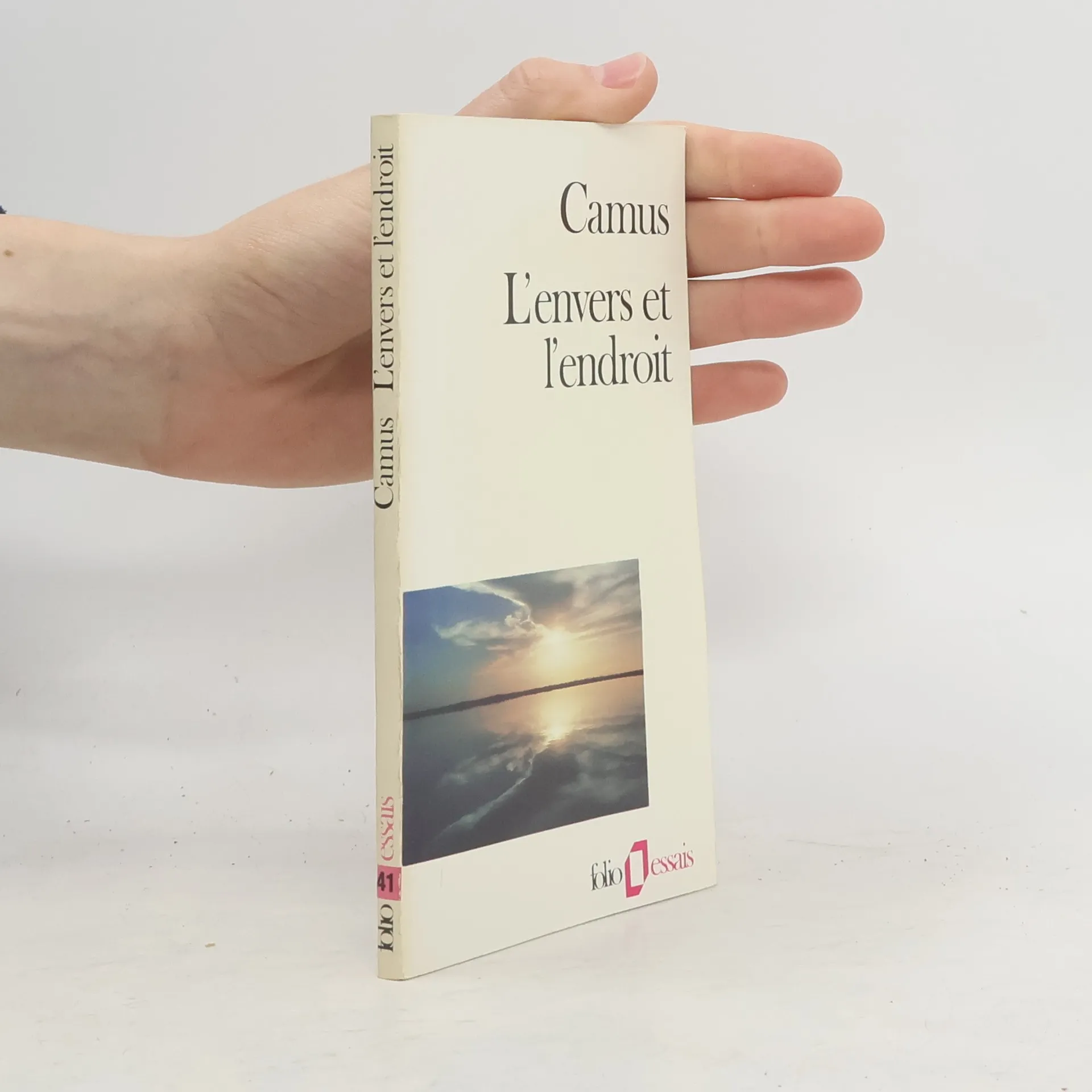
L’Envers et l’Endroit
- 119bladzijden
- 5 uur lezen
New cover for 978-2070323685 L'envers et l'endroit est le premier livre d'Albert Camus. Il paraît à Alger en 1937.À la fin de sa vie, Camus verra dans cette œuvre de jeunesse la source secrète qui a alimenté ou aurait dû alimenter tout ce qu'il a écrit. L'envers et l'endroit livre l'expérience, déjà riche, d'un garçon de vingt-deux ans : le quartier algérois de Belcourt et le misérable foyer familial dominé par une terrible grand-mère ; un voyage aux Baléares, et Prague, où le jeune homme se retrouve «la mort dans l'âme» ; et surtout, ce thème essentiel : «l'admirable silence d'une mère et l'effort d'un homme pour retrouver une justice ou un amour qui équilibre ce silence».
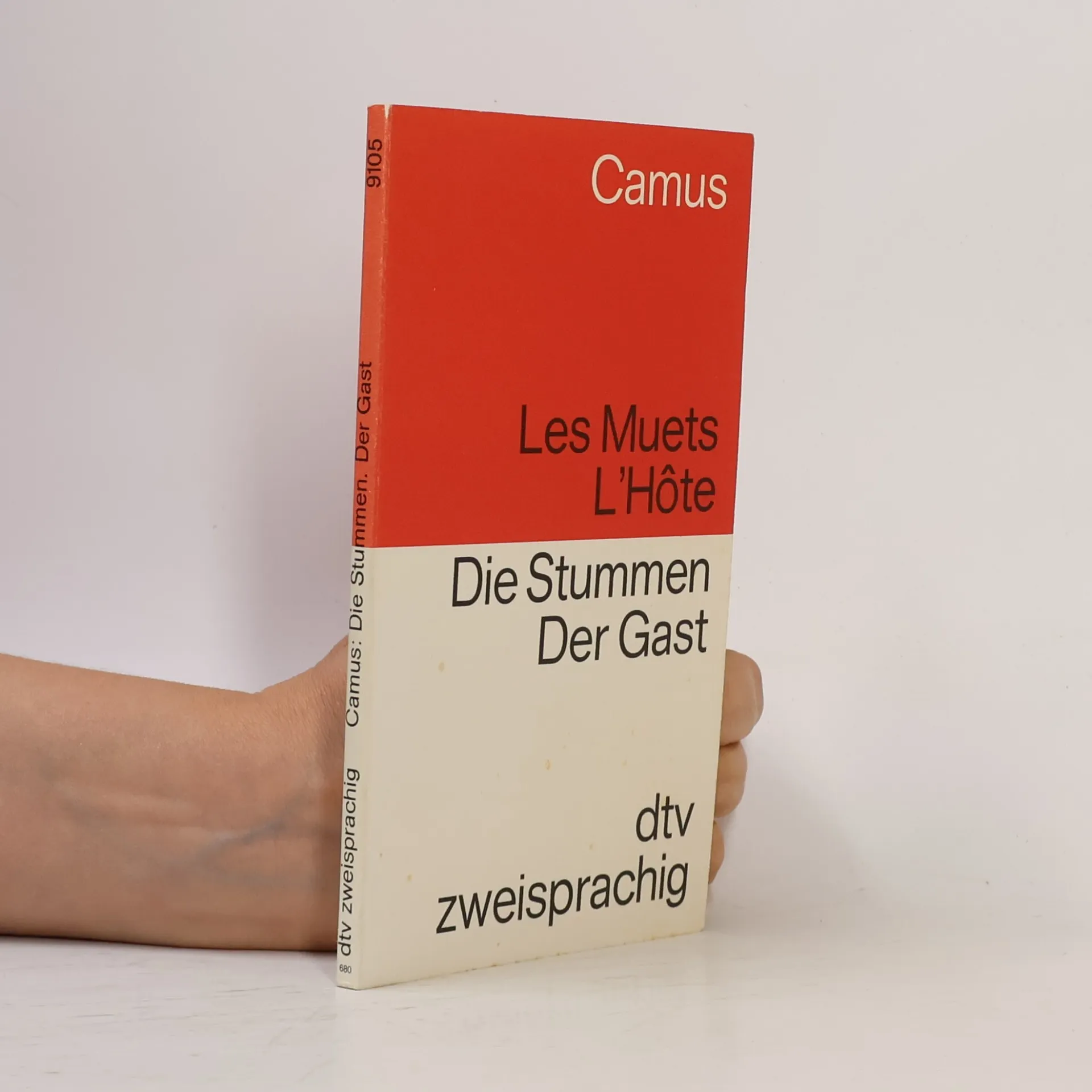
Les Muets L'Hôte. Die Stummen Der Gast.
- 96bladzijden
- 4 uur lezen
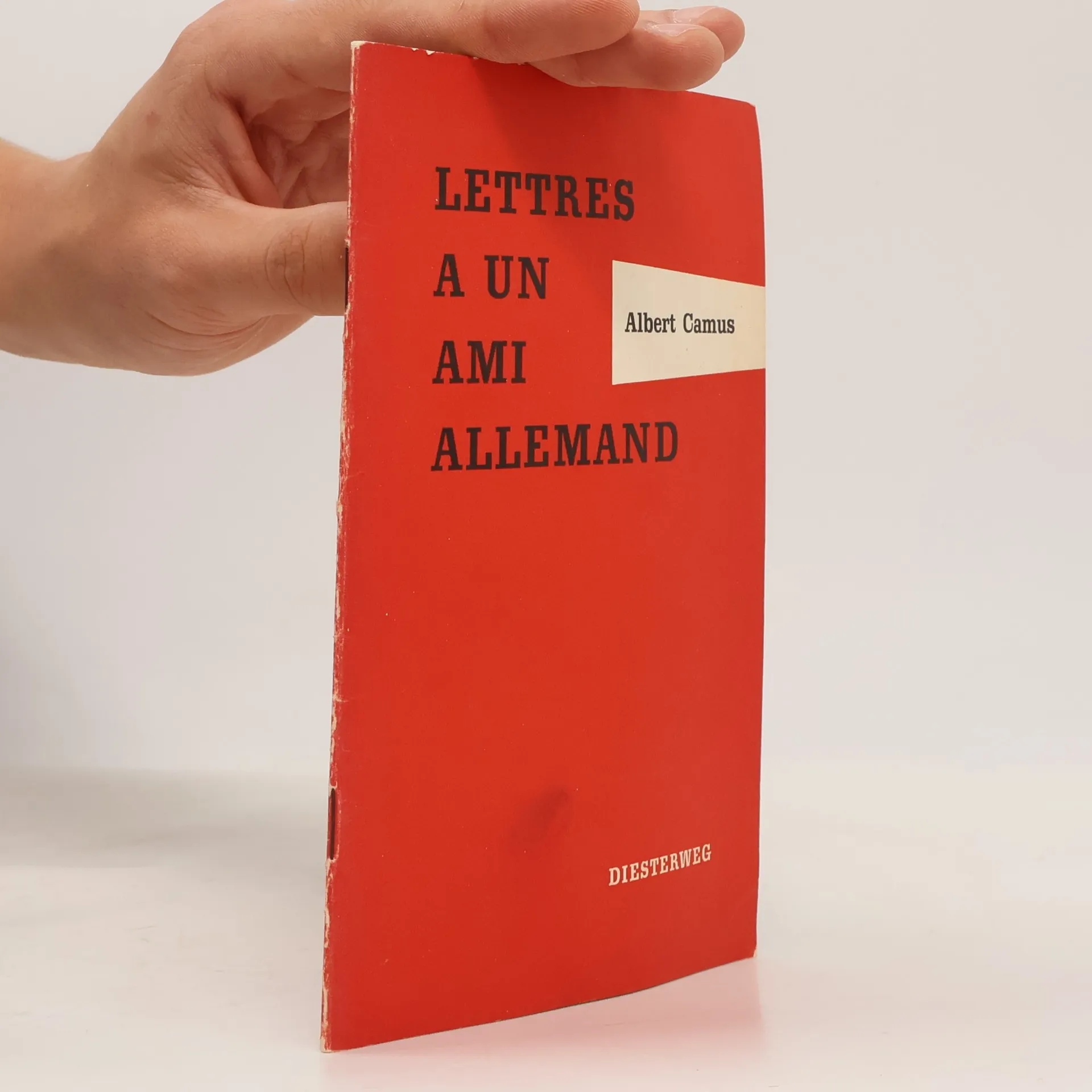
Les quatre Lettres a un ami allemand, écrites sous l'Occupation et destinées a des publications clandestines, expriment déja la doctrine de La peste et de L'homme révolté. Elles se placent sous l'invocation de Senancour qui, en une formule saisissante, avait résumé la philosophie de la révolte : «L'homme est périssable. Il se peut ; mais périssons en résistant, et si le néant nous est réservé, ne faisons pas que ce soit une justice !
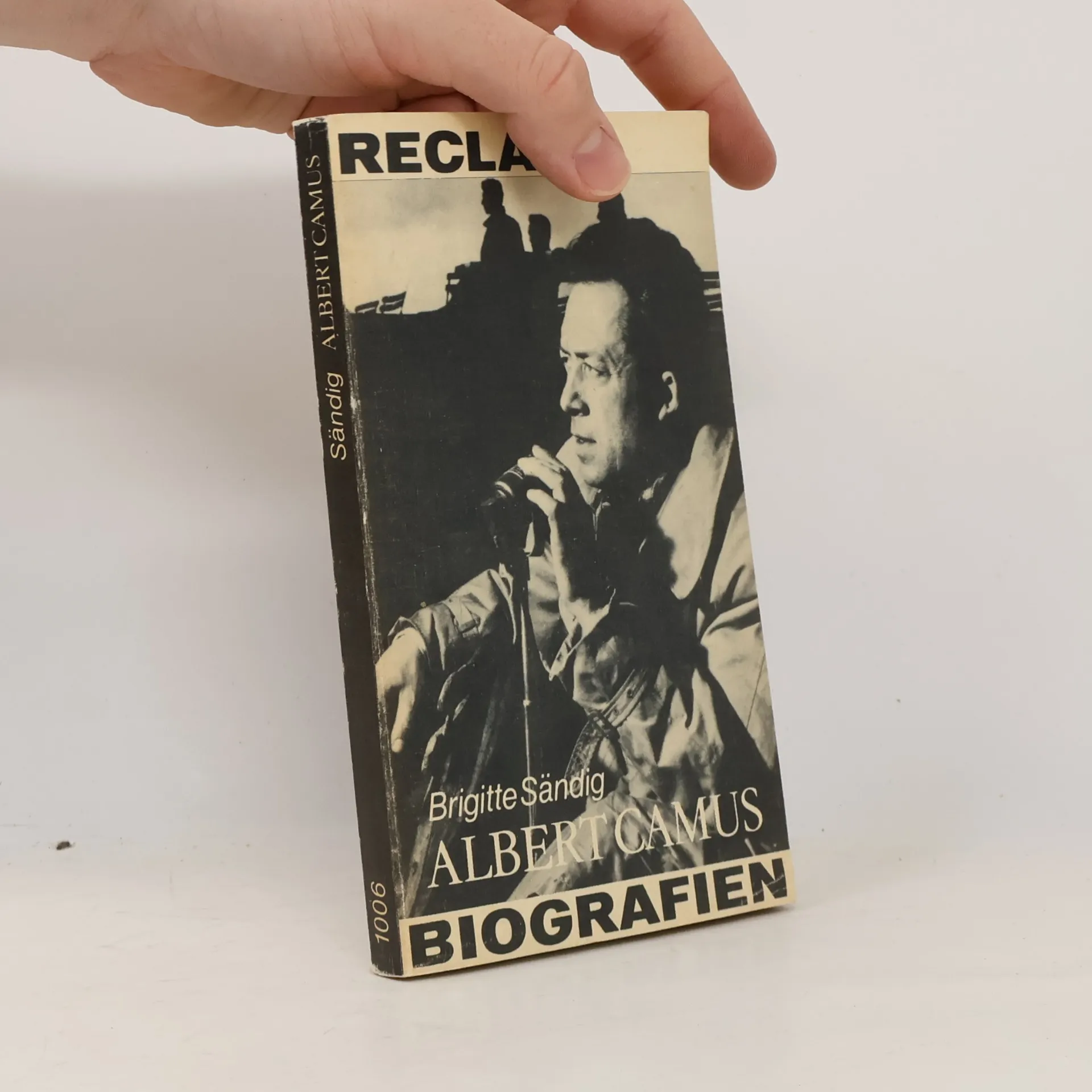
Albert Camus gewann aus seinen bescheidenen familiären Ursprüngen eine unbeirrbare moralische Urteilskraft. Die Schönheit der Natur und die politische Spannung im kolonialen Algerien, in dem er aufwuchs, lieferten ihm den Bilderfundus und die emotionale Intensität für sein kurzes Schriftsteller-Leben. So stellte er sich dann den quälenden Erfahrungen, die Europa für ihn bereithielt: Krieg, Besatzung, Tod. Seine Antwort darauf war: Résistance.
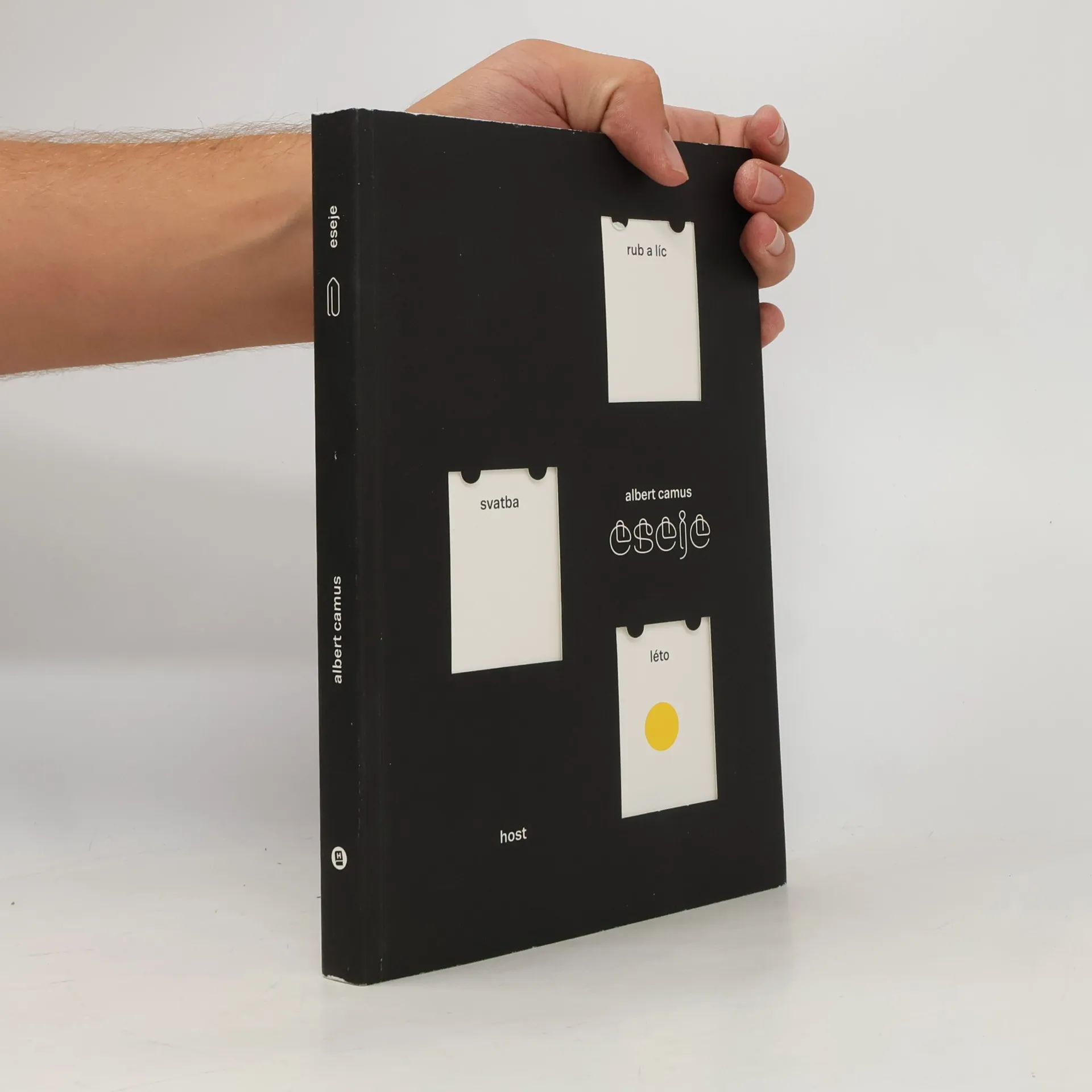
Eseje - Rub a líc / Svatba / Léto
- 203bladzijden
- 8 uur lezen
„Skutečným pramenem je Rub a Líc, to je mi dnes jasné,“ napsal v roce 1958 Albert Camus v předmluvě k reedici této prvotiny, jež vyšla ještě v Alžíru, o dvacet let dříve. Čtyřiadvacetiletý Camus se tehdy naplno, ačkoliv poznamenán tuberkulózou (nebo právě proto?), zahryzl do literárního života první sbírkou esejů, v nichž vidění i slovo oscilují mezi rubem a lícem života, světa i sebe sama. Již zde překvapivě objevujeme náměty a myšlenky, které se stanou základnou celého pozdějšího díla: nehledat střední cestu mezi viditelnými i neviditelnými protiklady lidské existence, nestavět se na stranu extrémů, ale pokusit se o co nejjasnější uvědomění si jednoho i druhého, o jejich přijetí jako takových, jako rubu a líce jediného listu knihy. Žádná střední cesta rozumu, ale intenzivní prožívání napětí mezi protilehlými póly. Nakladatelství Host předkládá čtenáři poslední dvě, v češtině dosud nevydané esejistické sbírky Rub a líc (1936) a Svatba (1939; spolu s jejím pandánem Léto, 1954), v nichž se začínající literát noří do míst svého dětství a mládí, která v něm zanechala stopu nesmazatelnou, plnou slunce (Tipasa, Florencie, Vicenza), historie a bídy (Džemila, Alžír, Praha), nemilosrdné krásy svého světa bez falešného lyrismu.
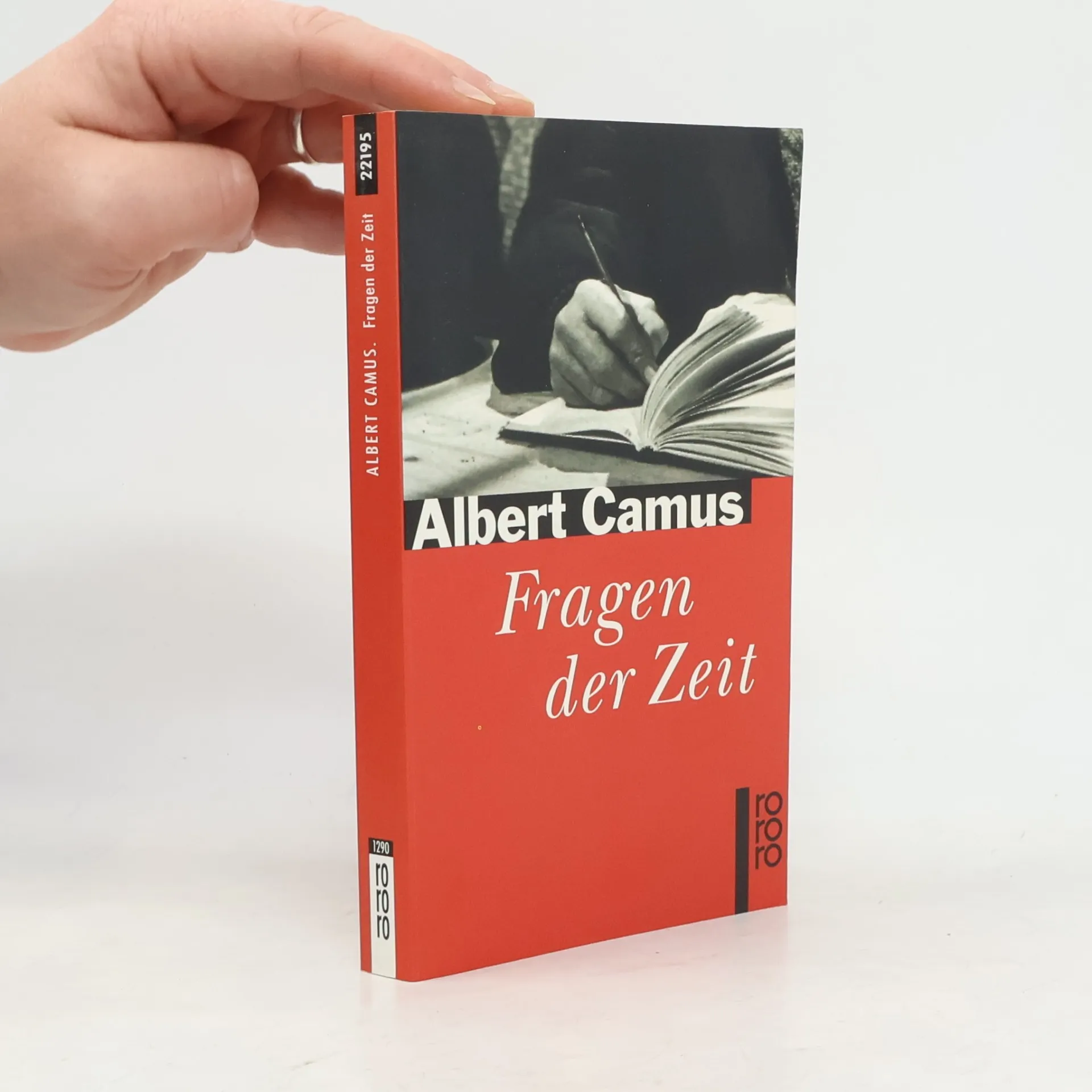
Fragen der Zeit
- 252bladzijden
- 9 uur lezen
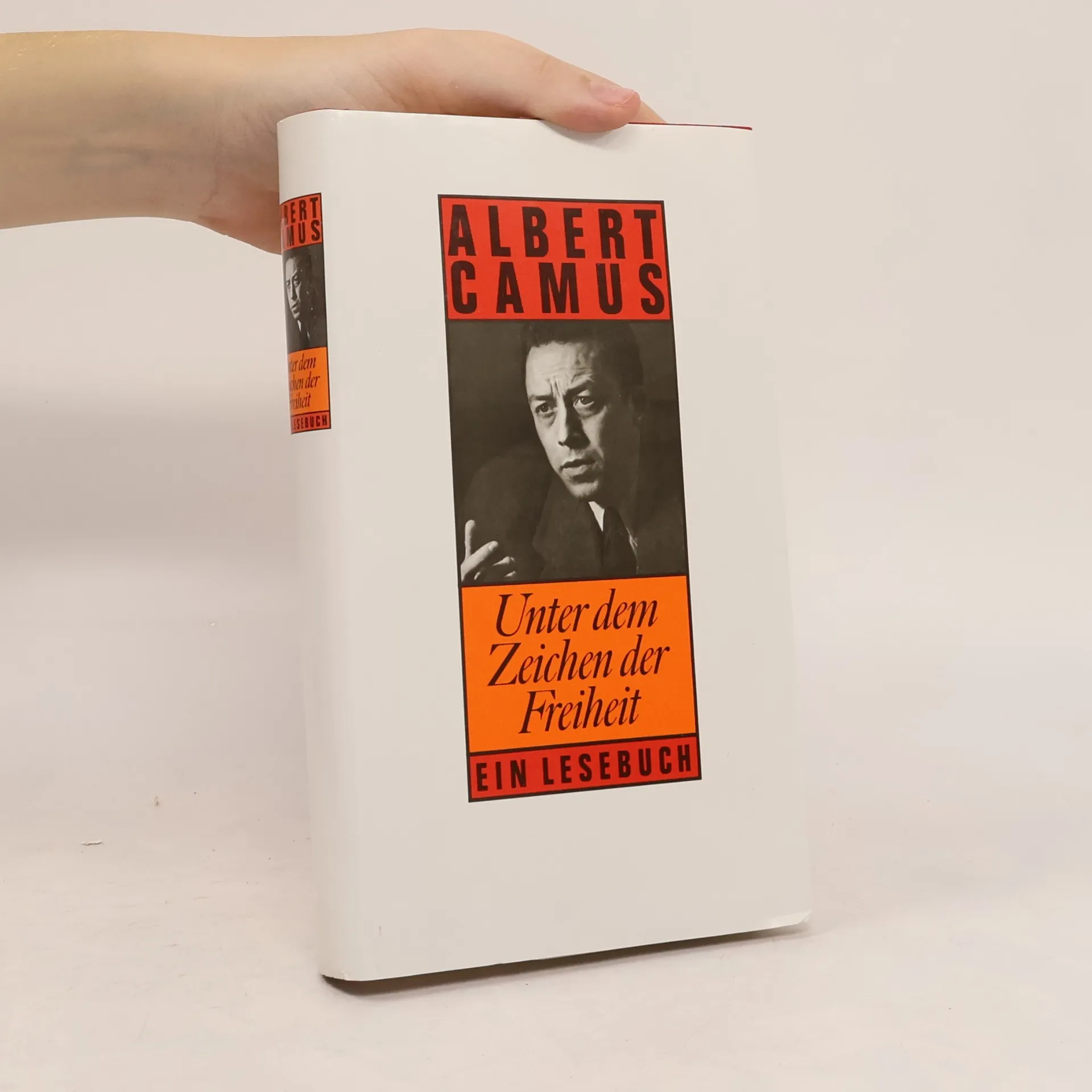
Nichts wird den Menschen geschenkt, und das wenige, das sie erobern können, muss mit ungerechtem Sterben bezahlt werden. Aber nicht darin liegt die Größe des Menschen. Sondern in seinem Willen, stärker zu sein als die Conditio humana. Und wenn die Conditio humana ungerecht ist, hat er nur eine Möglichkeit, sie zu überwinden: indem er selber gerecht ist. Diese berühmt gewordenen Essays, Briefe, Reden und Aufzeichnungen gehören zu dehn klassischen Texten der politischen Literatur. Sie zeigen einen Schriftsteller, der stets inmitten der Kämpfe und Kontroversen seiner Epoche stand.
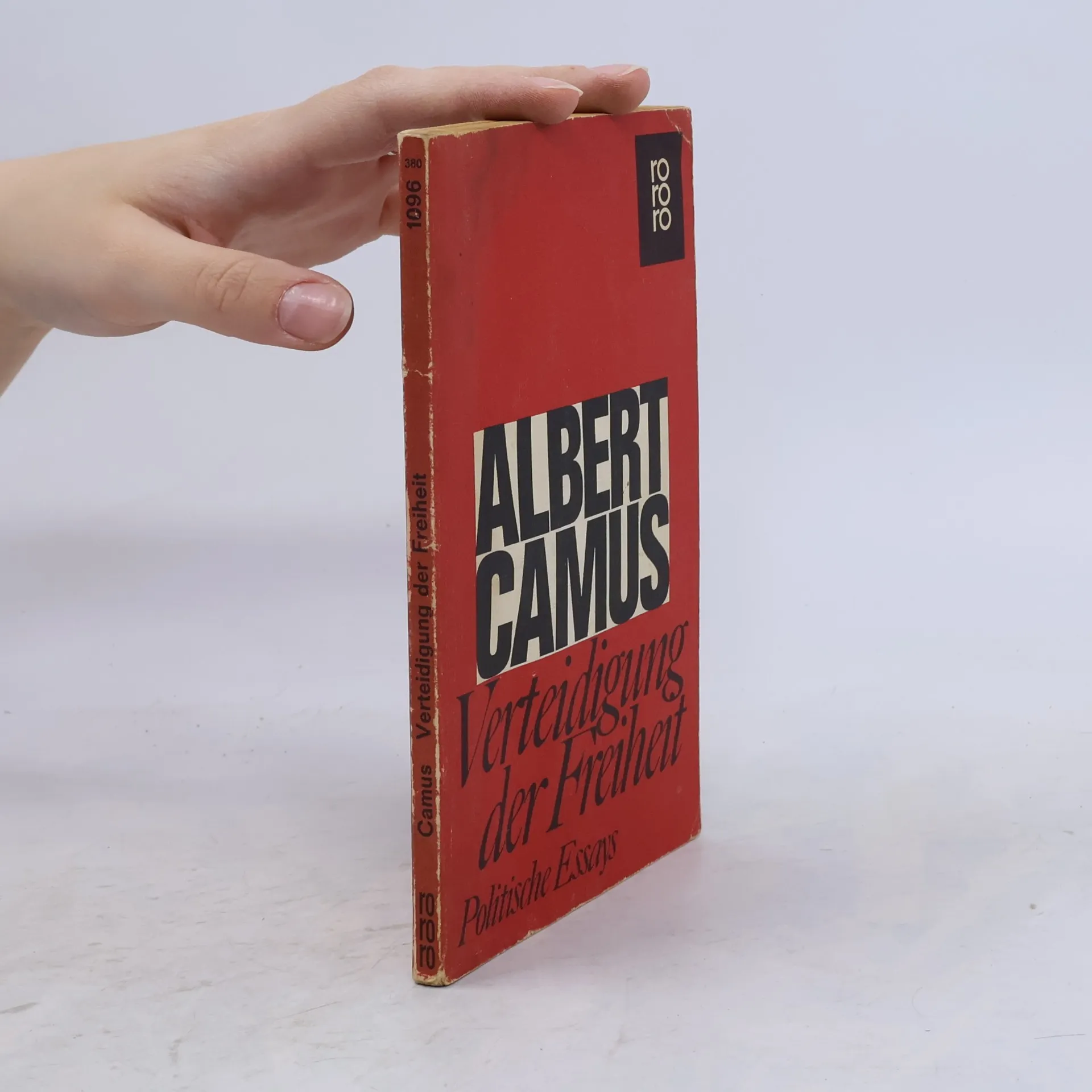
"Wenn wir die Rechtsbrüche und die vielfältigen Mißbräuche zusammenzählen, von denen heute die Rede war, können wir den Tag voraussehen, da sich in einem Konzentrationslager-Europa nur noch Gefängniswärter auf freiem Fuß befinden." Essays über Spanien, Algerien und Ungarn, über Tyrannei und Freiheit, Terror und Revolte, in denen wir jene großartige Einheit von Ethos und Vernunft, von Lauterkeit und Klarsicht, von Integrität und Scharfsinn erfahren, die Camus eigen war.
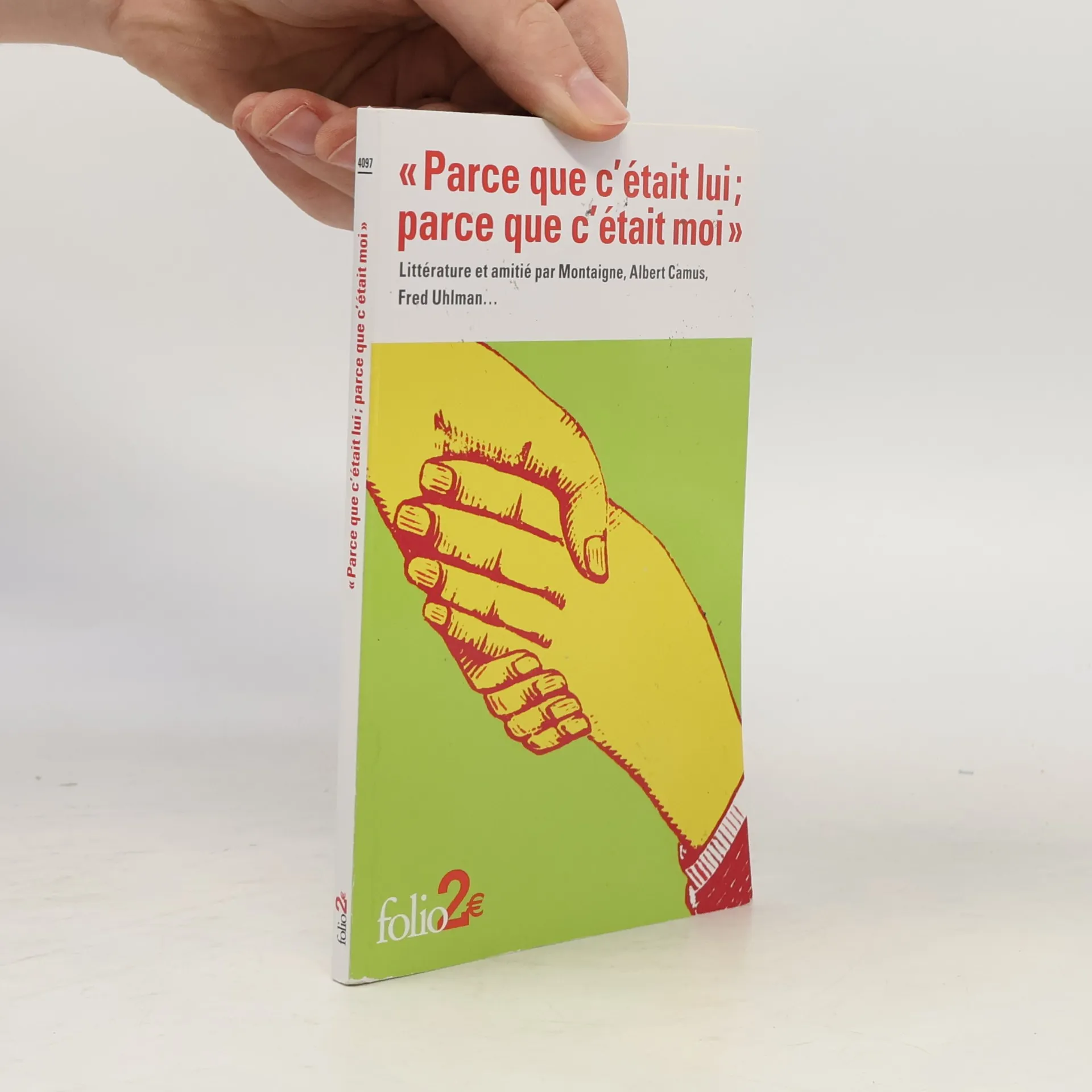
Qu'ont en commun Jules et Jim, Montaigne et La Boétie, le Petit Prince et le renard, si ce n'est d'avoir rencontré un véritable ami ? Complicité, fidélité et solidarité caractérisent ce lien étonnant qui unit les hommes par-delà les pays, les années et les guerres. Les grands écrivains de la littérature mondiale - La Fontaine, Zola, Molière, Camus ou encore Fred Uhlman - ont exploré les multiples facettes de l'amitié et décrit avec sensibilité des moments de bonheur partagé.
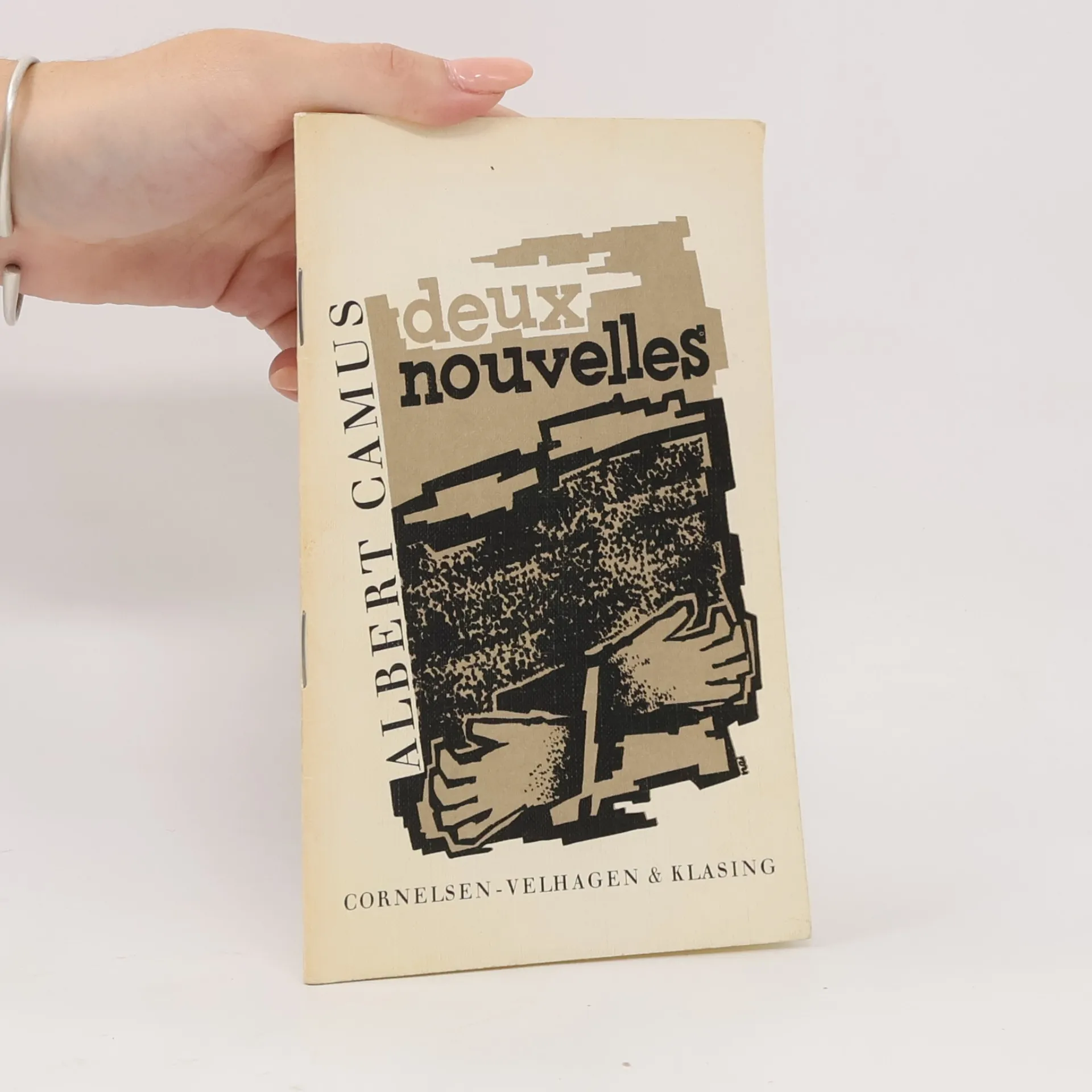
Deux nouvelles
- 47bladzijden
- 2 uur lezen
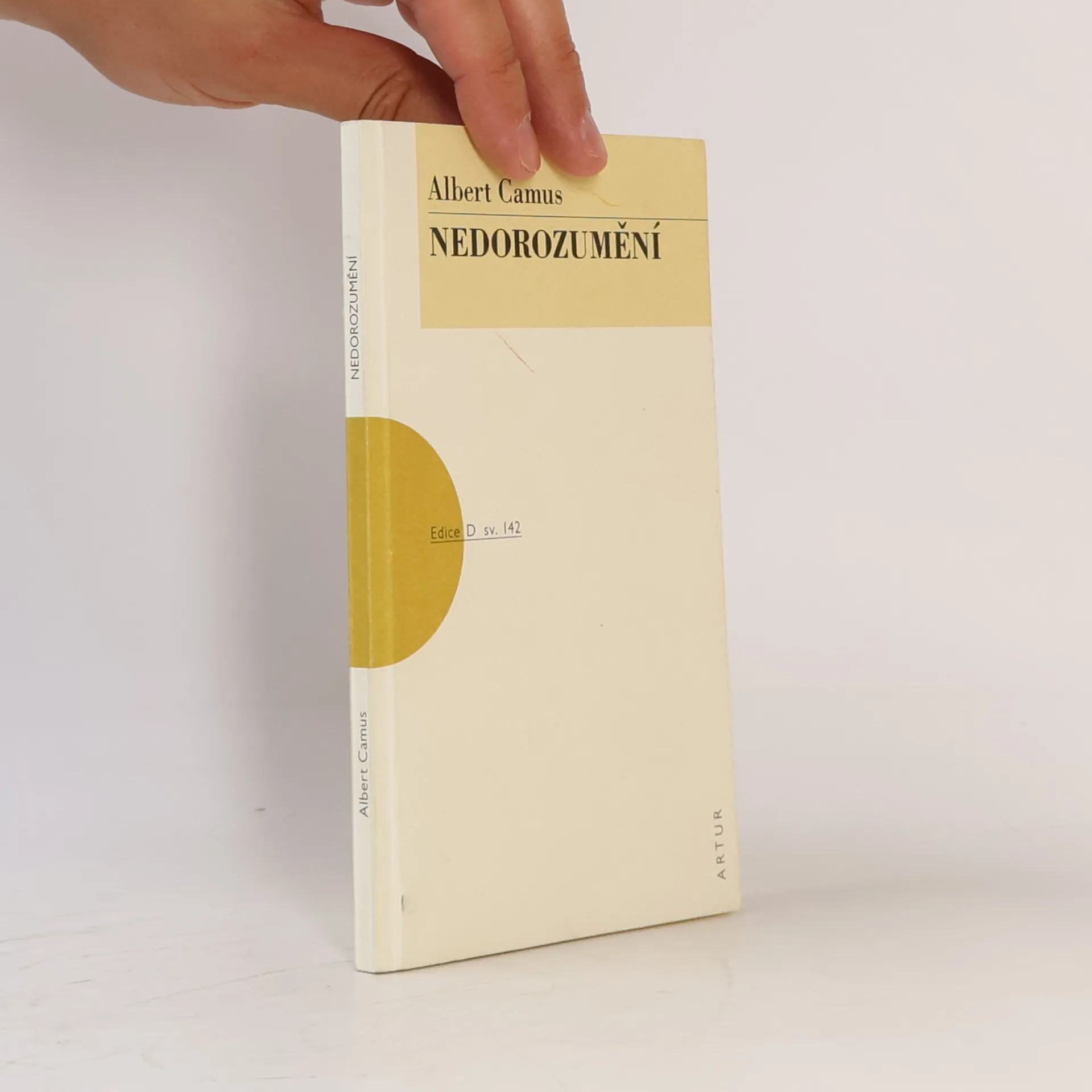
Nedorozumění
- 76bladzijden
- 3 uur lezen
Tragický příběh muže a tří jemu blízkých žen odehrávající se v „podivném“ hostinci za nímž stojí absurdní nedorozumění. Návrat „ztraceného syna“ do vlasti, kterou opustil před mnoha lety, ke své matce a sestře, se dotýká věčných témat viny a trestu, osudu, schopnosti komunikace a revolty proti neutěšenému životu, lásky mezi lidmi a v neposlední řadě existence Boha. Camus příběh zasadil do „nevlídné krajiny“ Čech. Hra od držitele Nobelovy ceny za literaturu vychází v nové, u nás zatím nepublikované, verzi v překladu Ivana Zmatlíka jako 142. svazek edice D.
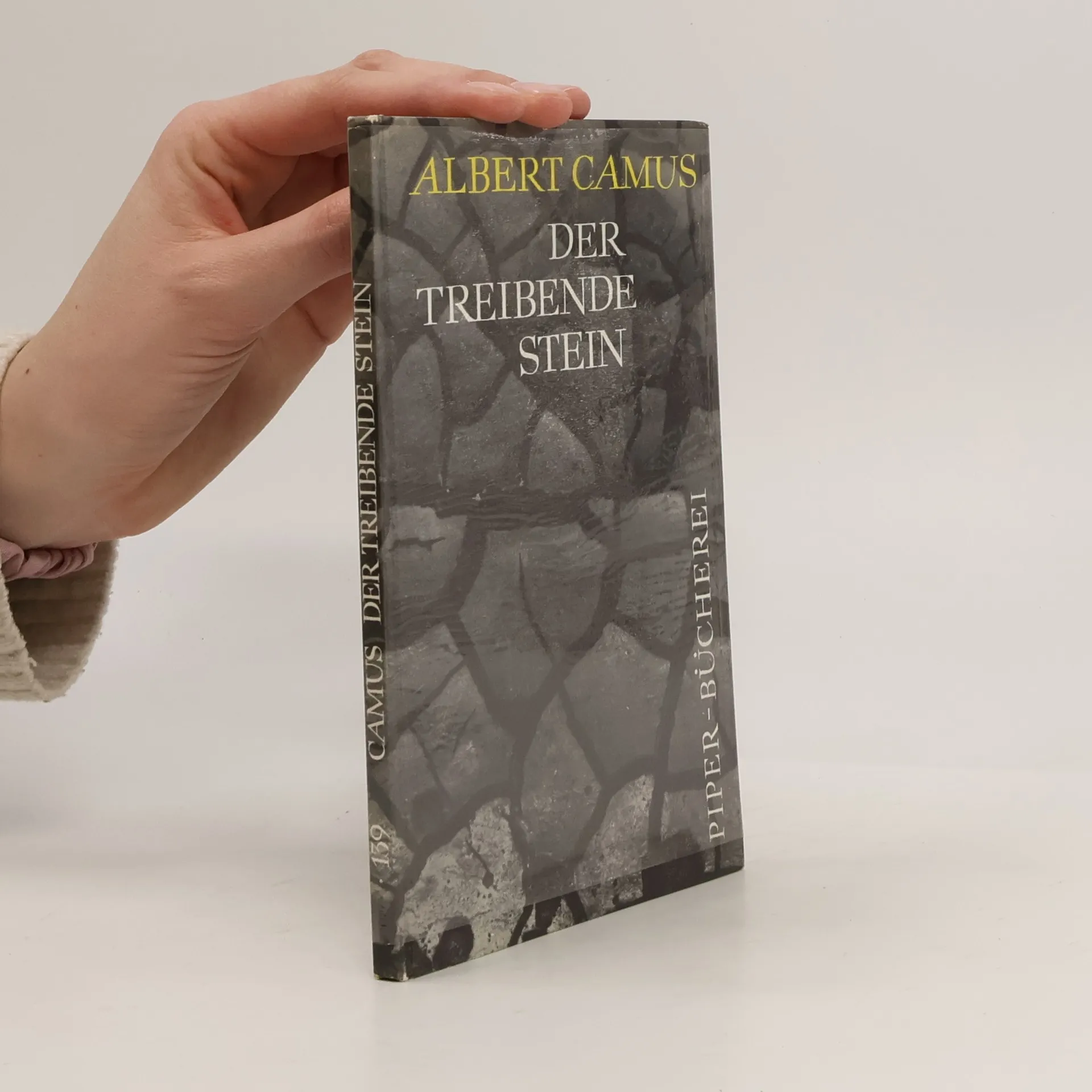
Der treibende Stein
- 64bladzijden
- 3 uur lezen
Der große französische Schriftsteller Albert Camus präsentiert in diesem Buch zwei lange Geschichten: „Jonas oder der Künstler bei der Arbeit“ und „Der treibende Stein“. Diese Geschichten sind aufgrund ihrer Länge nicht in „Sürgün und Krallık“ enthalten. Wir hoffen, dass unsere Leser diese sehr interessanten Geschichten mögen werden.
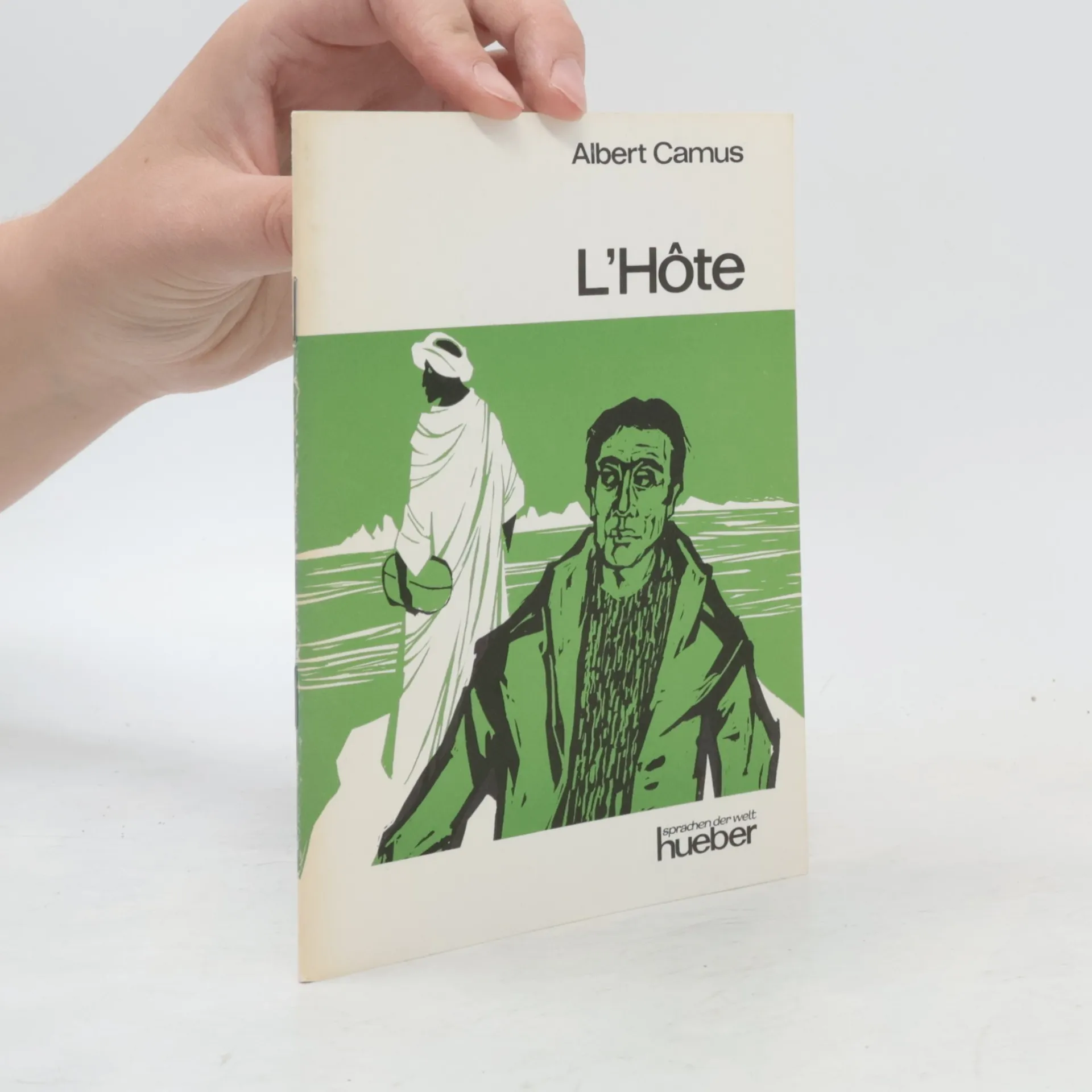
L'Hôte
- 31bladzijden
- 2 uur lezen
An Algerian schoolteacher develops a strange alliance with the Arab prisoner temporarily left in his charge, giving him the chance to select his own destiny.
Gleichzeitig läßt die Aufgabe des Schriftstellers sich nicht von schwierigen Pflichten trennen. Seiner Bestimmung gemäß kann er sich heute nicht in den Dienst jener stellen, die Geschichte machen: er steht im Dienst derer, die sie erleiden. Diese Sammlung enthält die drei Erzählungen "Die Abtrünnigen", "Der Gast" und "Die Stummen", dazu die berühmten vier "Briefe an einen deutschen Freund" sowie die beiden Reden anläßlich der Verleihung des Nobelpreises.
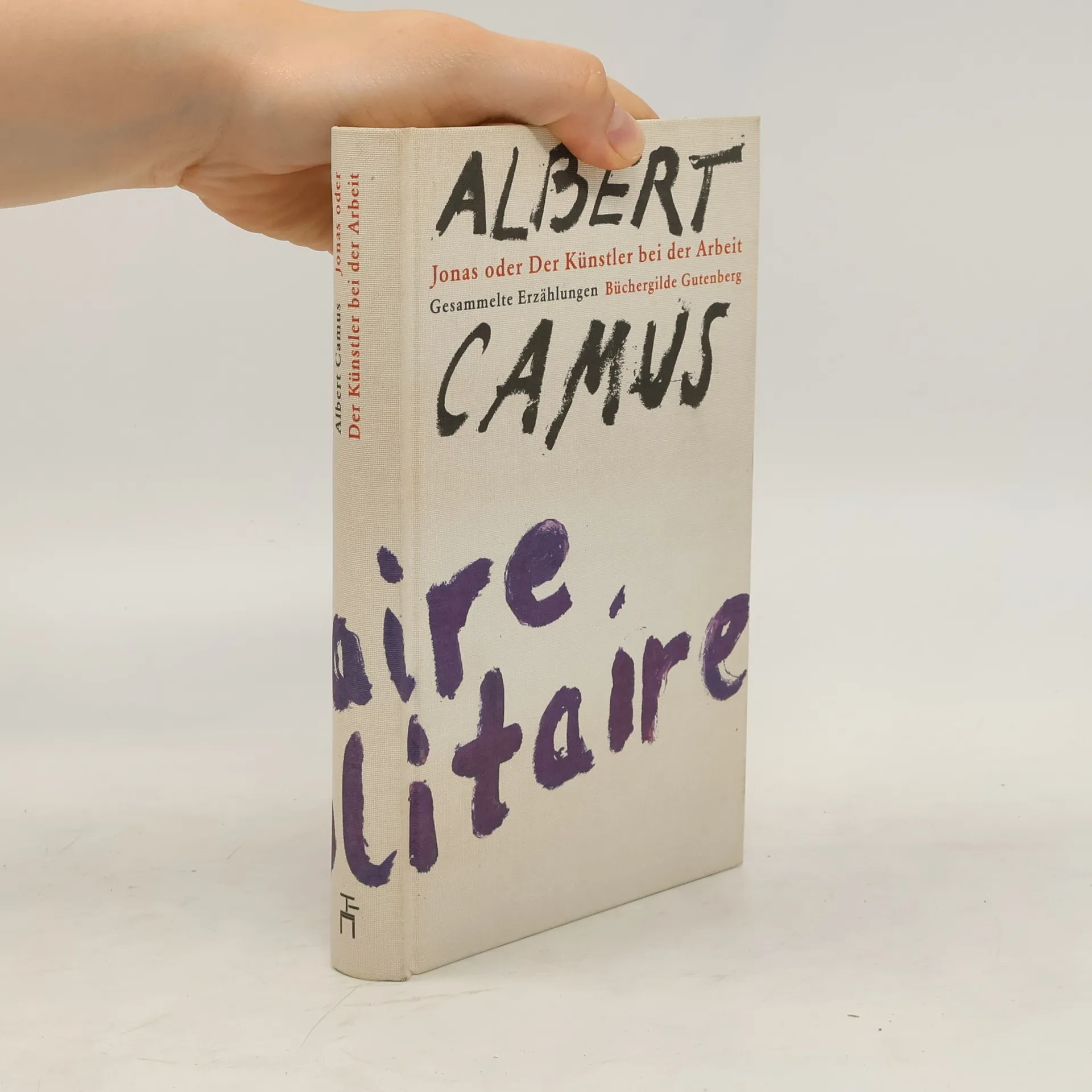
Jonas oder Der Künstler bei der Arbeit. Gesammelte Erzählungen
- 250bladzijden
- 9 uur lezen
"Was sind Sie von Beruf?", fragte der Kellner. - "Maler", antwortete Jonas. - "Kunstmaler oder Flachmaler?" - "Kunstmaler." - "Ach ja", sagte der Kellner, "das ist nicht leicht."1957 erscheint in Frankreich Albert Camus' Erzählung über den Aufstieg und Fall des jungen Künstlers Jonas. Camus thematisiert darin mit großem Feingefühl die Urproblematik eines jeden Künstlers: ein Leben geprägt von ökonomischen Zwängen, Abhängigkeiten, aber auch von der berauschenden Freiheit des künstlerischen Schaffens. Gequält von den Ansprüchen an sich selbst, aufgerieben in der Unvereinbarkeit von Arbeit und geliebter Familie, gleichzeitig falschen Freunden, Kritikern und Geschäftemachern ausgesetzt, flieht Jonas in die Isolation.In starken, kraftvollen Bildern zeichnet die Berliner Illustratorin Katia Fouquet das Leben des jungen Künstlers Jonas nach und zeigt mit überzeugender Klarheit die Aktualität der schriftstellerischen Vorlage. Ihre spannende Adaption erschafft einen ganz eigenen visuellen Kosmos, in dem sie die Formen des Comic, des Kunstkatalogs und der fiktiven Biografie miteinander verknüpft, und subtil ihre eigene Lebenssituation als Künstlerin mit einfliessen lässt.
The Misfortunes of Virtue and Other Early Tales
- 282bladzijden
- 10 uur lezen
The name of the Marquis de Sade is synonymous with the blackest corners of the human soul, a byword for all that is most foul in human conduct. In his bleak, claustrophobic universe, there is no God, no human affection, and no hope. This selection of his early writings, some making their first appearance in English in this new translation by David Coward, reveals the full range of Sade's sobering moods and considerable talents. This is a fully annotated edition including an introduction, a biographical study, and a history of the censorship of these writings. About the Series: For over 100 years Oxford World's Classics has made available the broadest spectrum of literature from around the globe. Each affordable volume reflects Oxford's commitment to scholarship, providing the most accurate text plus a wealth of other valuable features, including expert introductions by leading authorities, voluminous notes to clarify the text, up-to-date bibliographies for further study, and much more.
Œuvres complètes
- 1440bladzijden
- 51 uur lezen
De ce roman-fleuve racontant l'histoire de deux frères-Jacques Thibault, éternel révolté, tué pour s'être opposé à la guerre de 14 et Antoine, Thibault- se suicidant pour mettre fin aux souffrances engendrées par les séquelles physiques de blessures de guerre-il reste une saveur unique faité d'élans juvéniles, d'apirations à la réussite et à la reconnaissance sociales et la formidable image d'un Père, pater familias tonnant, étroit d'esprit, représentant d'un esprit "bourgeois", confit en bigoterie et en réaction. "La Mort du Père", cette euthanasie avant l'heure, reste un grand moment de dureté descriptive tant par le propos (le fils ainé tuant le père, voilà un sujet intéressant...) que par le détail d'une agonie vécue à travers la peur de la mort imminente.Pour le reste, la qualité romanesque l'emporte plus que largement sur la longueur du texte. A découvrir donc.Re
Sommer-Festival
- 719bladzijden
- 26 uur lezen
Sisyphos - Auf der Suche nach dem Sinn
- 88bladzijden
- 4 uur lezen
Sisyphos wälzt in der Unterwelt pausenlos einen Stein zum Gipfel. Da der Stein ständig abstürzt, muss er immer wieder von vorn beginnen. Ein sinnloses Tun, das nie endet. Albert Camus hat dieses Bild verwendet, um das Absurde des menschlichen Lebens zu erfassen und für Peter Arlt gibt es Anlass zur Reflexion über die Aktualität der Mythen. Frank Schweitzer hingegen zeigt auf, wie die Mühen des Sisyphos eine Welt im Nichtgleichgewicht vor dem Absturz bewahren. Seine naturwissenschaftliche Interpretation eröffnet eine erfrischend neue Perspektive und verleiht dem immerwährenden Tun des Sisyphos somit Sinnhaftigkeit und Relevanz. Der Graphische Zyklus von Norbert Hertwig begleitet den Text mit 38 farbigen Illustrationen. Das aufwändig gestaltete Buch verbindet unterschiedliche Sichtweisen auf den Mythos von Sisyphos mit einer eigenständigen Bildsprache. Gedruckt auf 120 g/qm säurefreiem, chlorfreiem, ungestrichenem Arena White Rough von Fedrigoni.
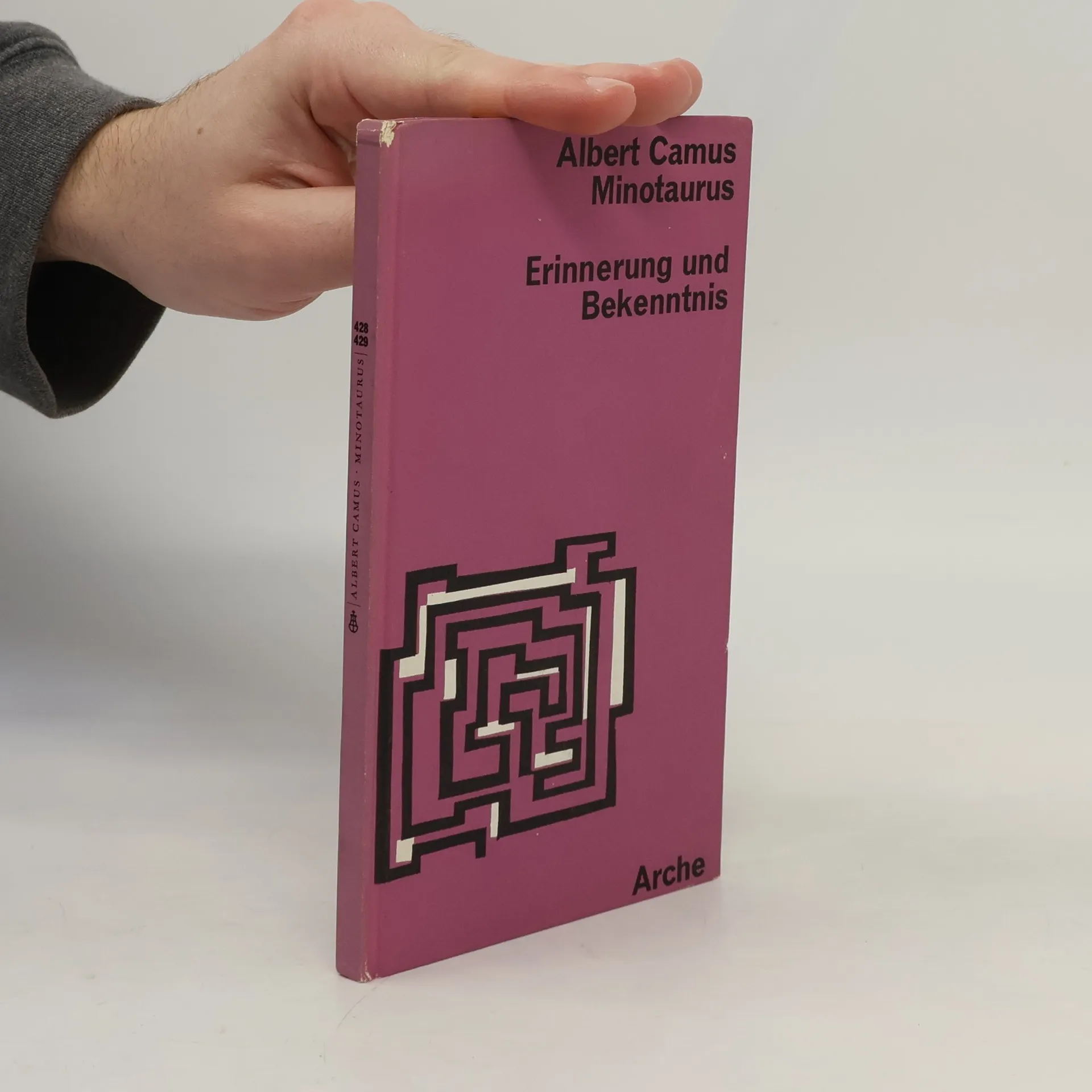
Minotaurus
Erinnerung und Bekenntnis
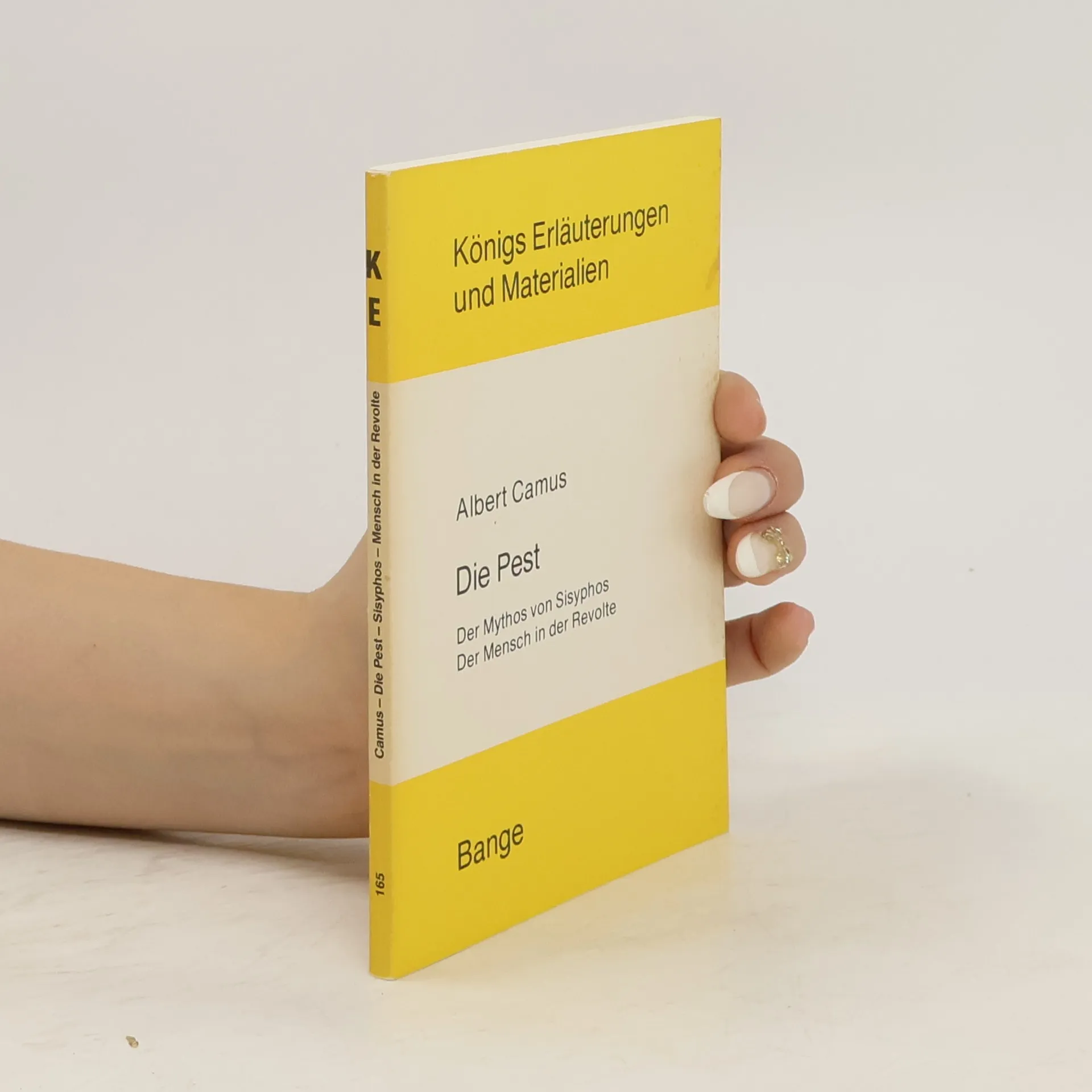
Die Pest/ Der Mythos von Sisyphos / Der Mensch in der Revolte
- 84bladzijden
- 3 uur lezen
Von Neis, Edgar 84 S. Neu: 9658 416 10., neubearb. A.
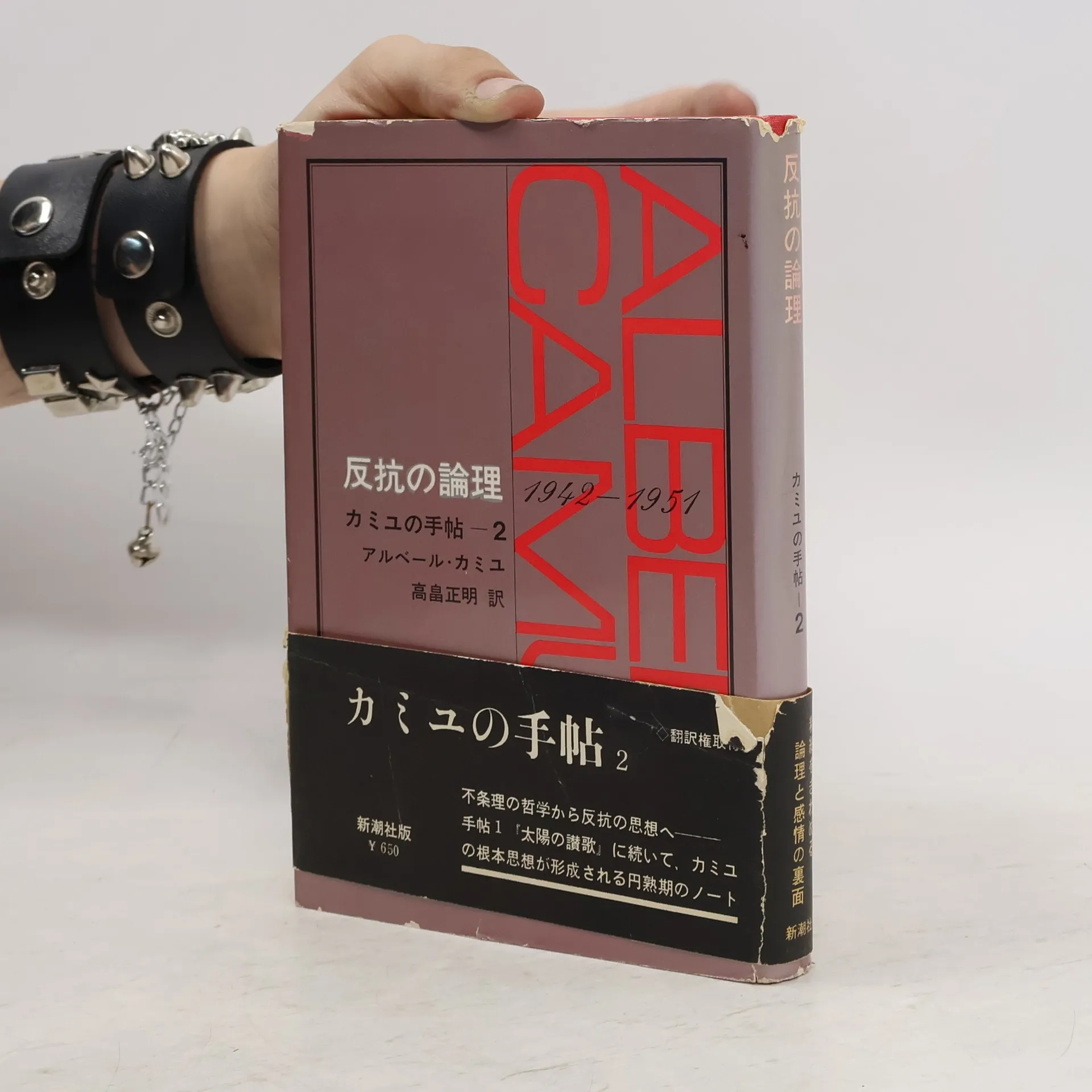
反抗の論理. カミュの手帖-2
1949-195