
Bookbot

Rolf Staudt Boeken

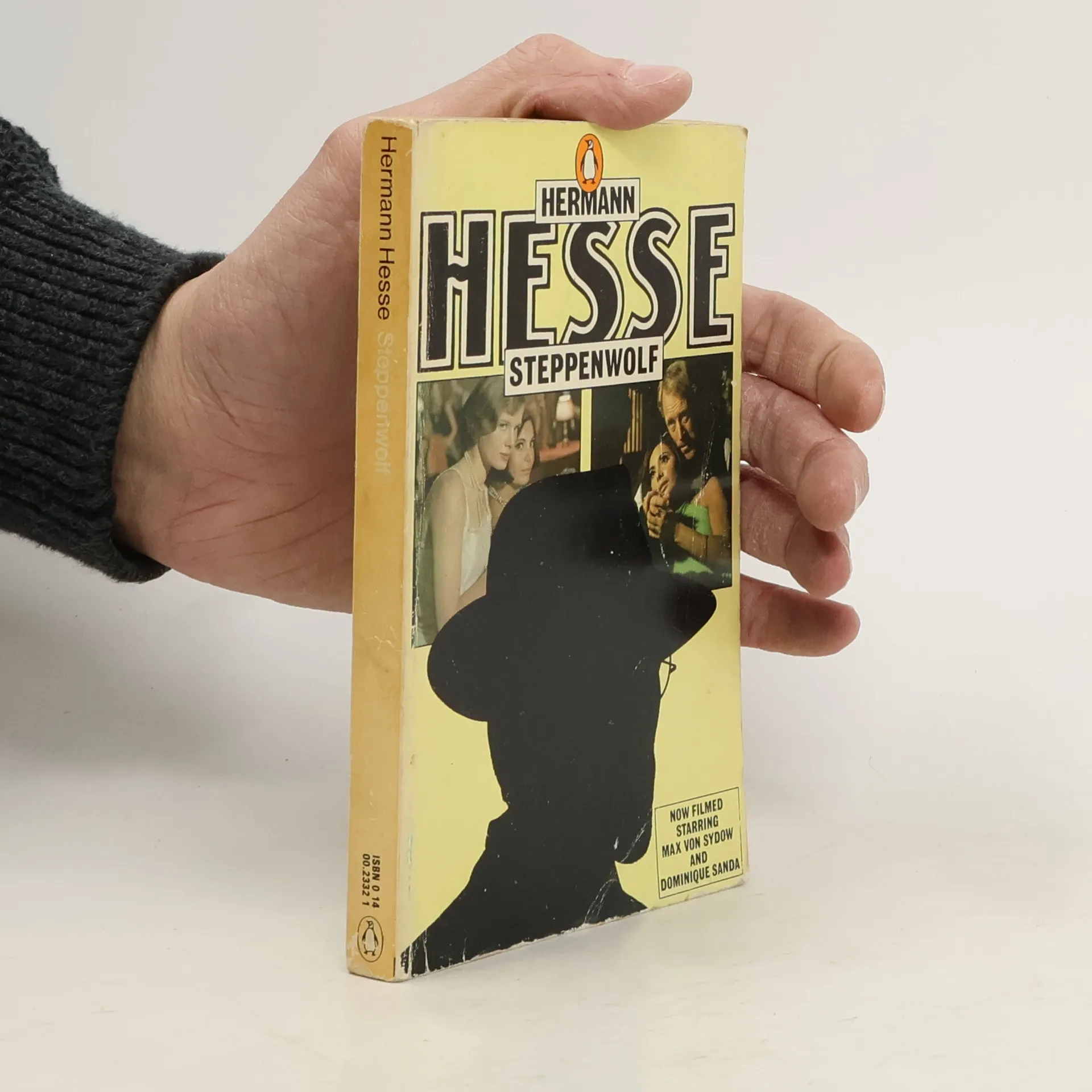
    Steppenwolf
    De grap
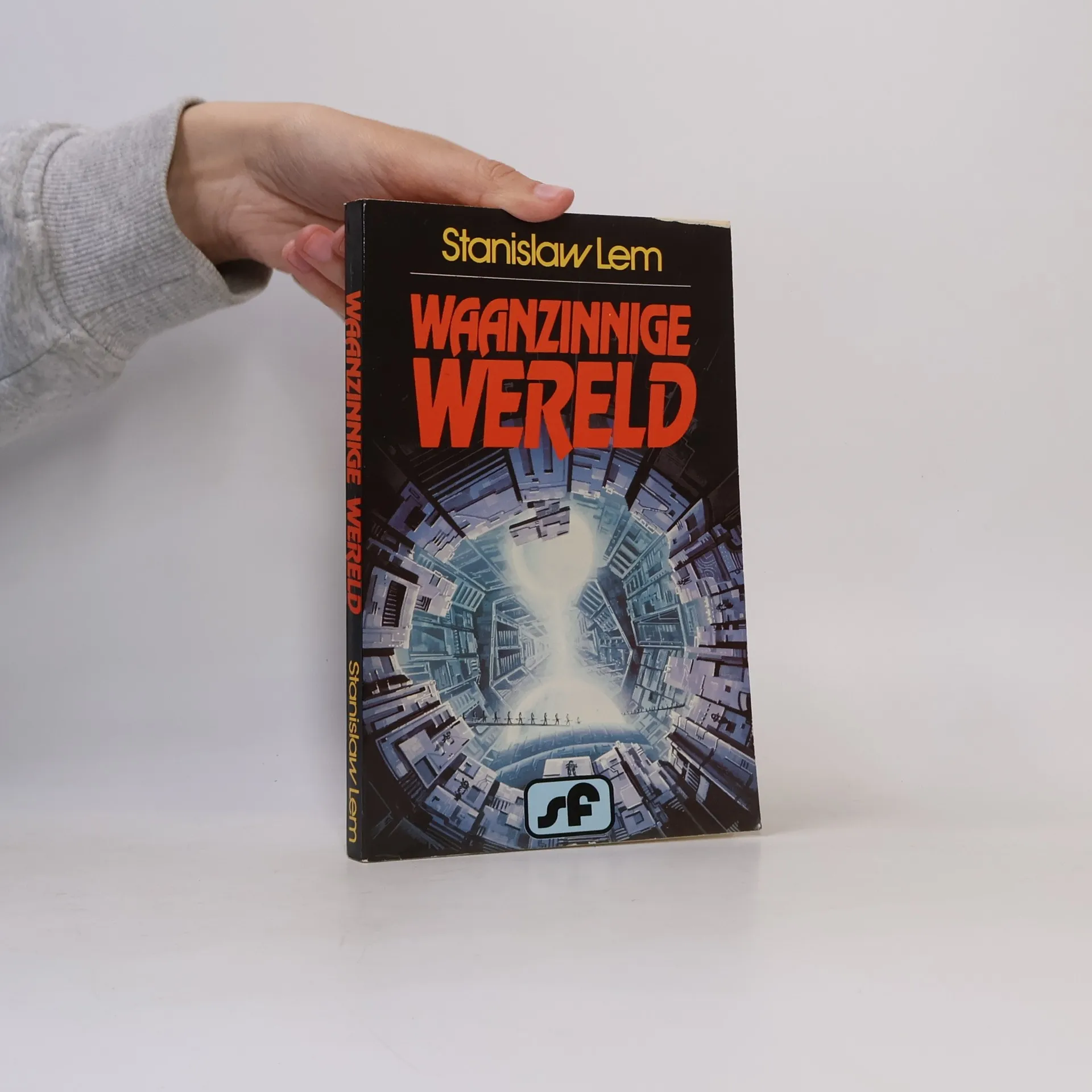
    Waanzinnige wereld
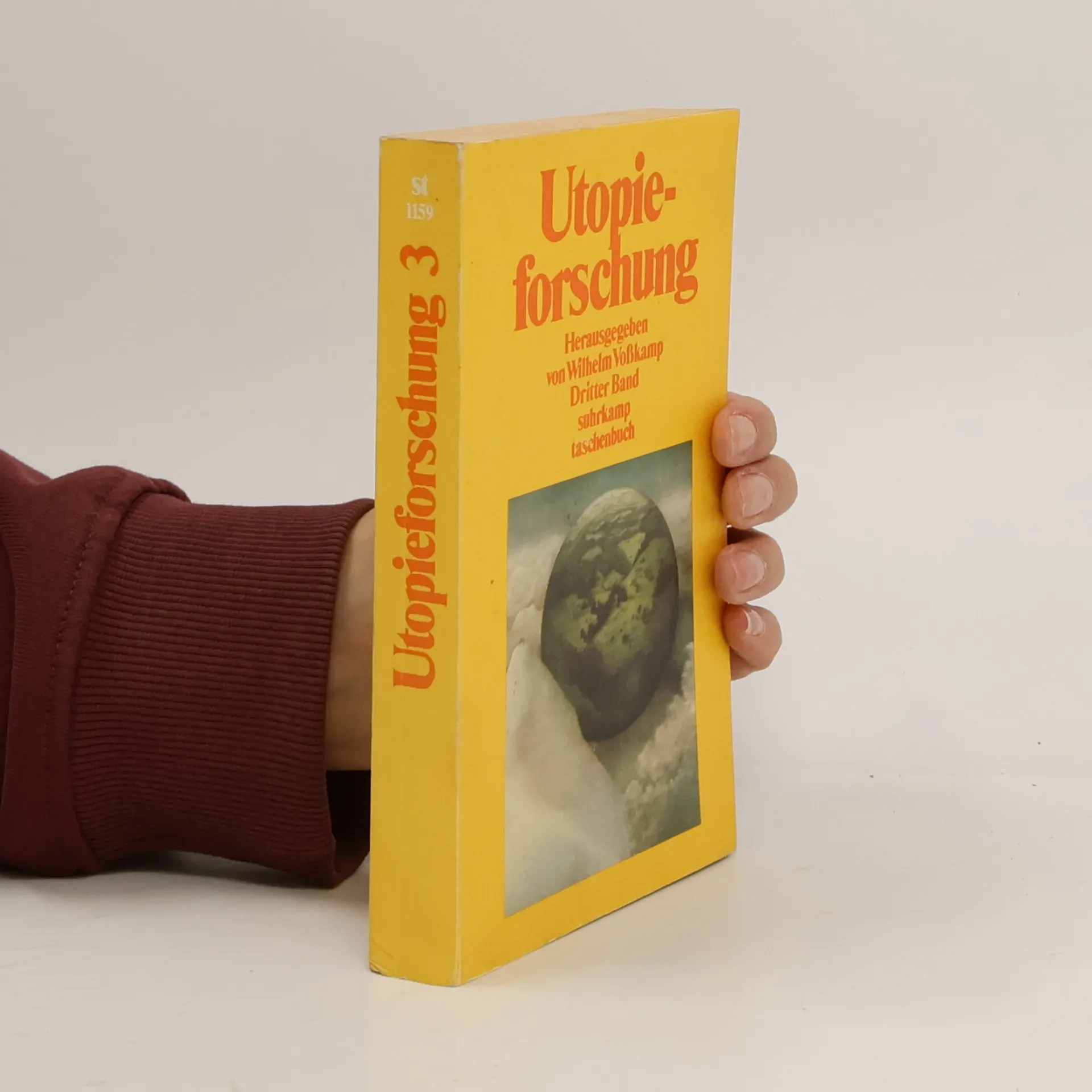
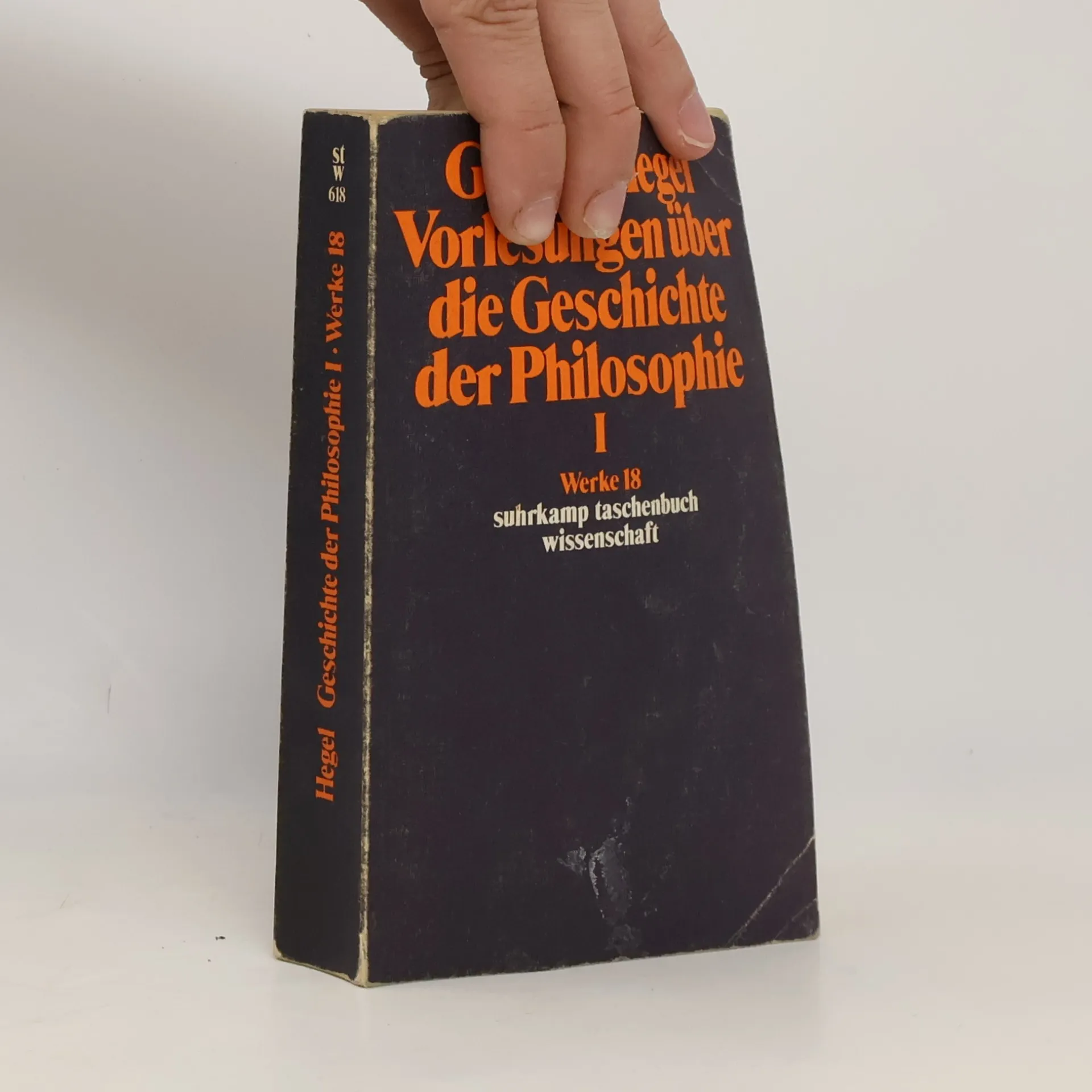
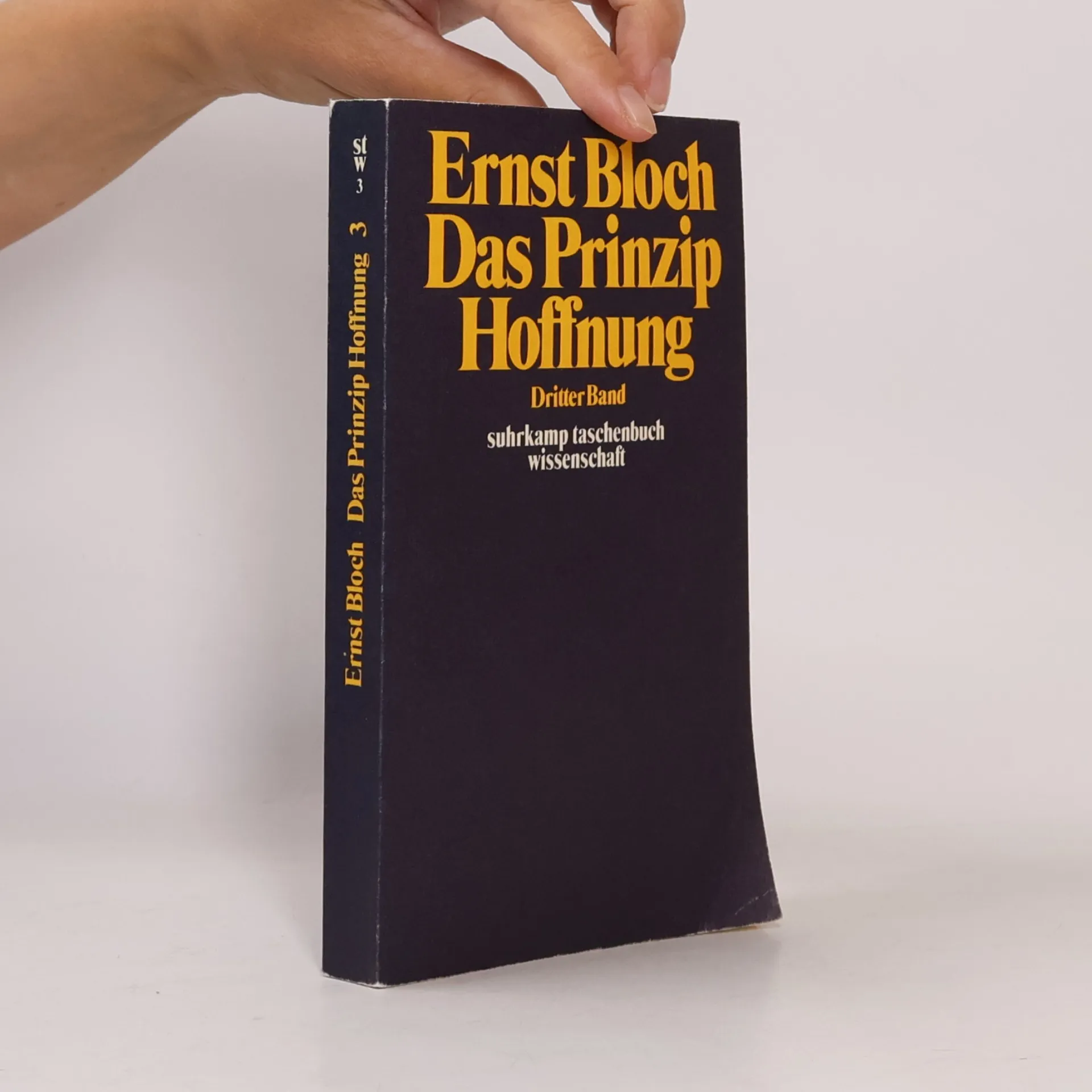
    Das Prinzip Hoffnung 3
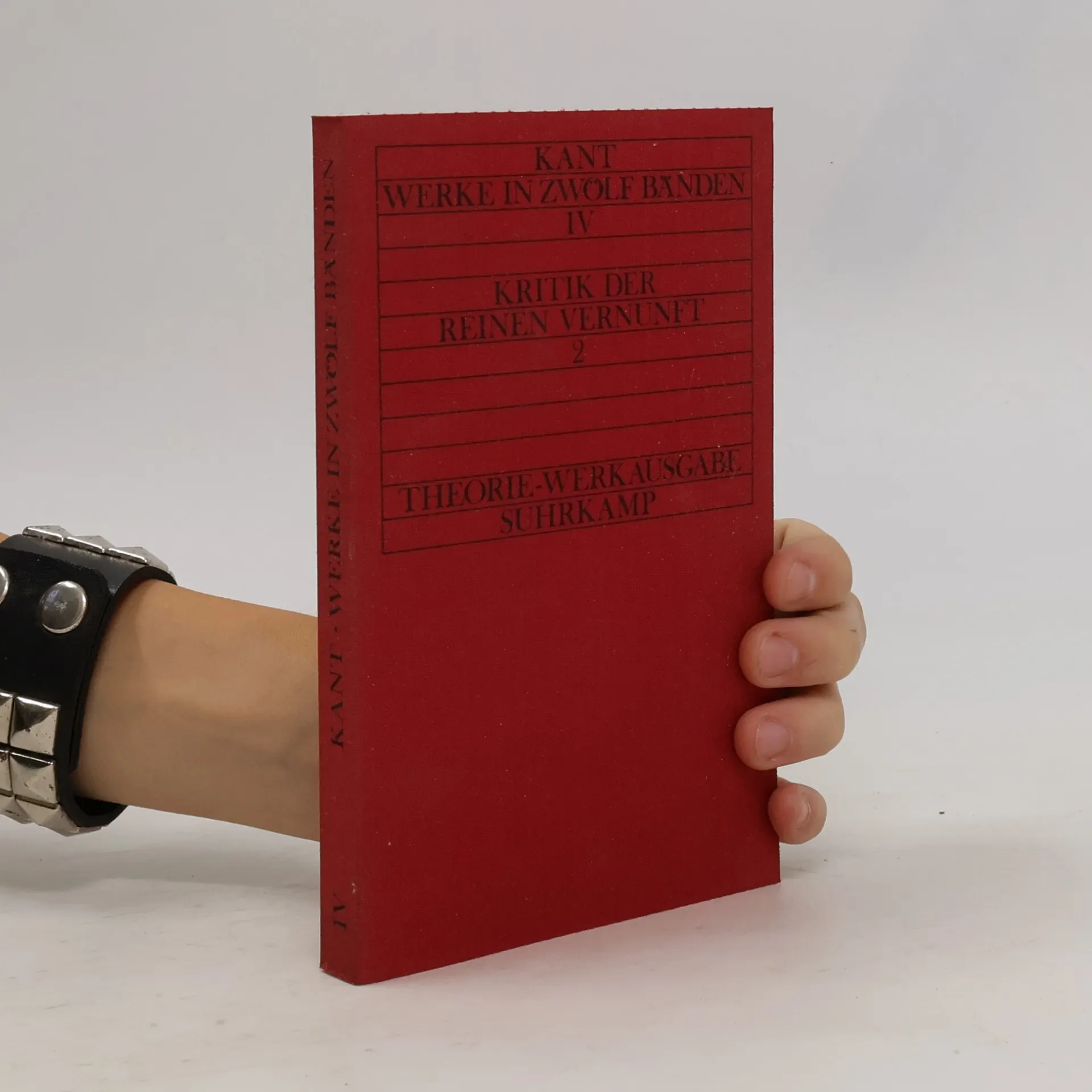
    Kritik der reinen Vernunft 2
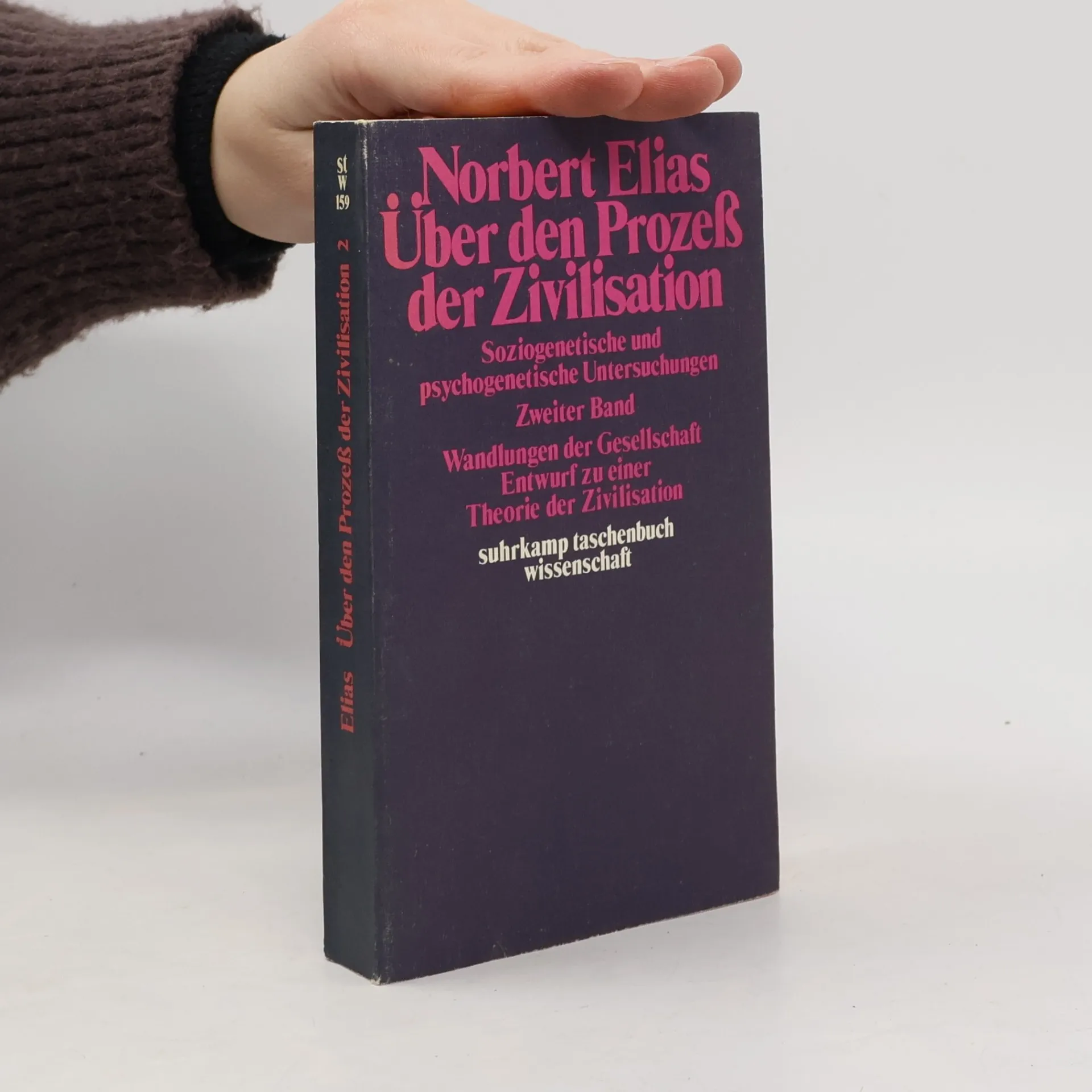
    Über den Prozeß der Zivilisation 2
    • Über den Prozeß der Zivilisation 2

      Soziogenetische und psychogenetische Untersuchungen

      "Die Soziologie des 20. Jahrhundertshatdie langfristigen Transformationen der Gesellschafts- und Persönlichkeitsstukturen weitgehend aus den Augen verloren. Im Werk von Norbert Elias sind gerade diese langfristigen Prozesse das zentrale Thema: Wie ging eigentlich die »Zivilisation« im Abendlande vor sich? Worin bestand sie? Und welches waren ihre Antriebe, ihre Ursachen oder Motoren? Bei Elias' Arbeit handelt es sich weder um eine Untersuchung über eine »Evolution« im Sinne des 19. Jahrhunderts noch um eine Untersuchung über einen unspezifischen »sozialen Wandel« im Sinne des 20.; seine Arbeit ist grundlegend für eine undogmatische, empirisch fundierte soziologische Theorie sozialer Prozesse."
      Über den Prozeß der Zivilisation 2
      4,6
    • 2 Bände: Taschenbuchausgaben von 1980 (4. Aufl., 26.-30. Tausend), Suhrkamp Verlag. Gesamt: 717 Seiten.

      Kritik der reinen Vernunft 2
      4,3
    • Das Prinzip Hoffnung 3

      • 1655bladzijden
      • 58 uur lezen

      Der Text gliedert sich in mehrere Teile, die verschiedene Aspekte menschlicher Wünsche und Träume beleuchten. Im ersten Teil wird die Thematik der Tagträume und deren Unterschiede zu Nachtträumen behandelt. Es wird erörtert, wie Wünsche im Alter variieren und welche Bilder sie hervorrufen. Der zweite Teil widmet sich dem antizipierenden Bewusstsein, das die Triebe des Menschen analysiert und deren historische Begrenztheit reflektiert. Hier wird auch die Rolle des Noch-Nicht-Bewussten und der utopischen Funktion in der menschlichen Psyche untersucht. Im dritten Teil wird die Darstellung von Wunschbildern in verschiedenen Medien wie Märchen, Film und Theater thematisiert. Es wird die Frage aufgeworfen, wie Menschen sich schöner darstellen und welche Rolle das Spiegelbild dabei spielt. Der vierte Teil beschäftigt sich mit der Konstruktion einer besseren Welt, indem er utopische Ideen in Bereichen wie Gesundheit, Gesellschaftssysteme und Technik betrachtet. Der letzte Teil thematisiert die Identität und die moralischen sowie spirituellen Dimensionen des erfüllten Augenblicks. Hier wird die Suche nach dem höchsten Gut und die Beziehung zwischen Individuum und Gemeinschaft beleuchtet. Der Text bietet eine facettenreiche Analyse von Wünschen, Träumen und der menschlichen Natur, die sowohl philosophische als auch praktische Perspektiven umfasst.

      Das Prinzip Hoffnung 3
      4,2
    • Waanzinnige wereld

      Uit de mémoires van Ijon Tichy

      • 128bladzijden
      • 5 uur lezen

      Ijon Tichy attends the 8th World Futurological Congress, organized by Prof Tarantoga, focusing on overpopulation at the extravagant Costa Rica Hilton. The conference is chaotic, with absurdities like guaranteed bomb-free rooms and an all-girl orchestra performing Bach while stripteasing. Presentations are limited as speakers call out paragraph numbers from distributed papers. Tichy drinks tap water, triggering a hallucinogenic experience, which is compounded when he discovers the government has drugged the water with a substance that induces benevolence. The situation deteriorates as the hotel is bombed, and Tichy escapes into the sewers, only to be evacuated by a military helicopter that crashes. He wakes in a hospital to find his brain transplanted into a young black woman, then later into a fat, red-haired man, blurring the lines between reality and hallucination. Frozen until medical advancements can help, he awakens in 2039, where he documents his experiences. The future presents a utopia where money is irrelevant, and drugs regulate emotions. Tichy becomes involved with a woman who uses a drug to enhance her argumentative skills. Disillusioned by this reliance on drugs, he confides in Dr. Trottelreiner, who reveals that common substances are just a glimpse of more powerful drugs that can obscure reality entirely.

      Waanzinnige wereld
      4,2
    • De grap

      • 343bladzijden
      • 13 uur lezen

      All too often, this brilliant novel of thwarted love and revenge miscarried has been read for its political implications. Now, a quarter century after The Joke was first published and several years after the collapse of the Soviet-imposed Czechoslovak regime, it becomes easier to put such implications into perspective in favor of valuing the book (and all Kundera 's work) as what it truly is: great, stirring literature that sheds new light on the eternal themes of human existence. The present edition provides English-language readers an important further means toward revaluation of The Joke. For reasons he describes in his Author's Note, Milan Kundera devoted much time to creating (with the assistance of his American publisher-editor) a completely revised translation that reflects his original as closely as any translation possibly can: reflects it in its fidelity not only to the words and syntax but also to the characteristic dictions and tonalities of the novel's narrators. The result is nothing less than the restoration of a classic.

      De grap
      4,2
    • Steppenwolf

      • 256bladzijden
      • 9 uur lezen

      Steppenwolf is a poetical self-portrait of a man who felt himself to be half-human and half-wolf. This Faust-like and magical story is evidence of Hesse's searching philosophy and extraordinary sense of humanity as he tells of the humanization of a middle-aged misanthrope. Yet this novel can also be seen as a plea for rigorous self-examination and an indictment of the intellectual hypocrisy of the period. As Hesse himself remarked, "Of all my books Steppenwolf is the one that was more often and more violently misunderstood than any other".

      Steppenwolf
      4,2
    • Critique of Practical Reason

      • 88bladzijden
      • 4 uur lezen

      Focusing on moral philosophy, this influential work by Immanuel Kant delves into practical reason and ethics. As the second of his three critiques, it systematically explores the foundations of moral decision-making, building on concepts introduced in the "Critique of Pure Reason" and setting the stage for the "Critique of Judgment." Published in 1788, it remains a significant contribution to philosophical thought.

      Critique of Practical Reason
      4,1
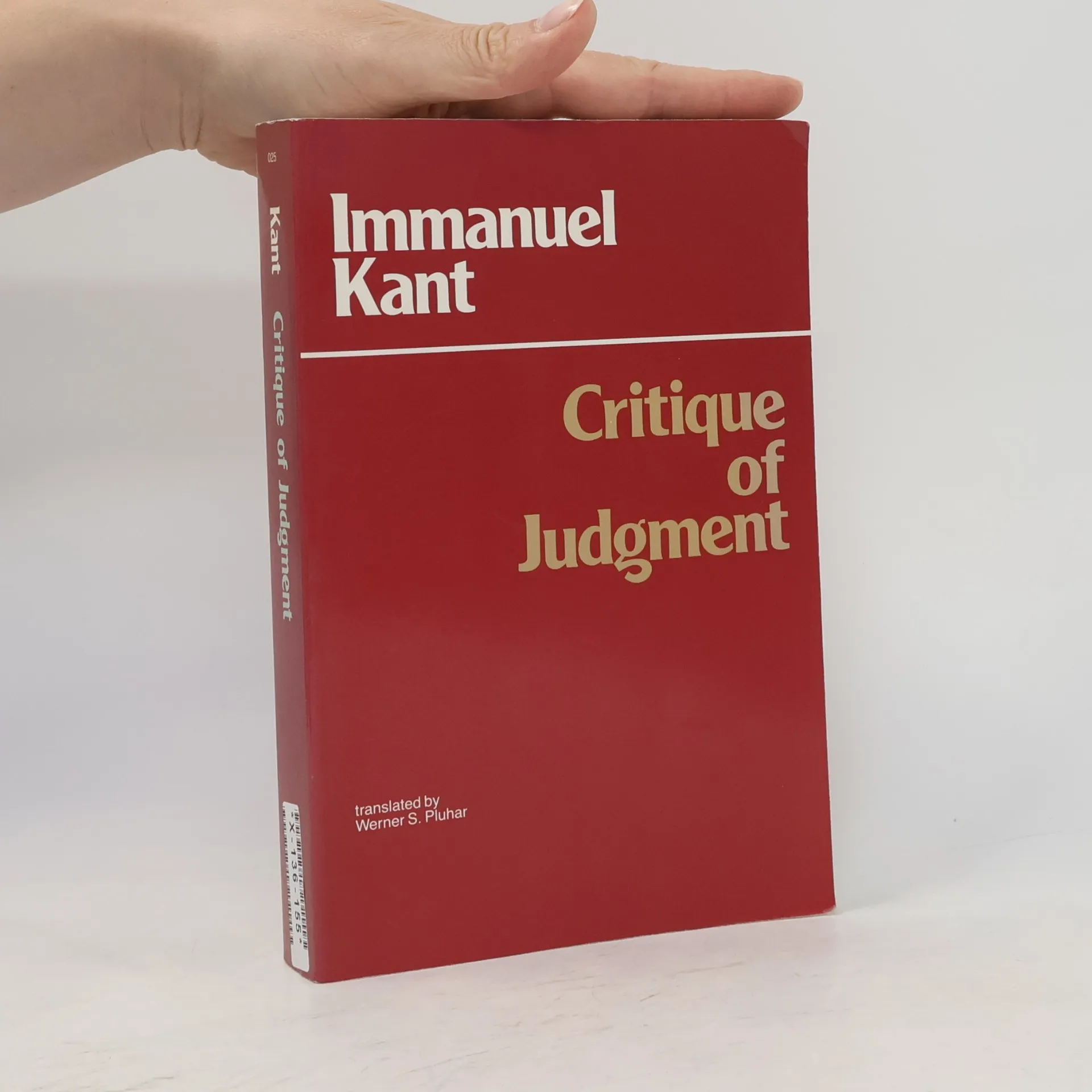
    • Pluhar maintains a fine, even tone throughout. . . . Those who have found the prospect of teaching the third Critique daunting will admire its clarity. . . . No one will be disappointed. --Timothy Sean Quinn, The Review of Metaphysics

      Critique of Judgment
      4,1
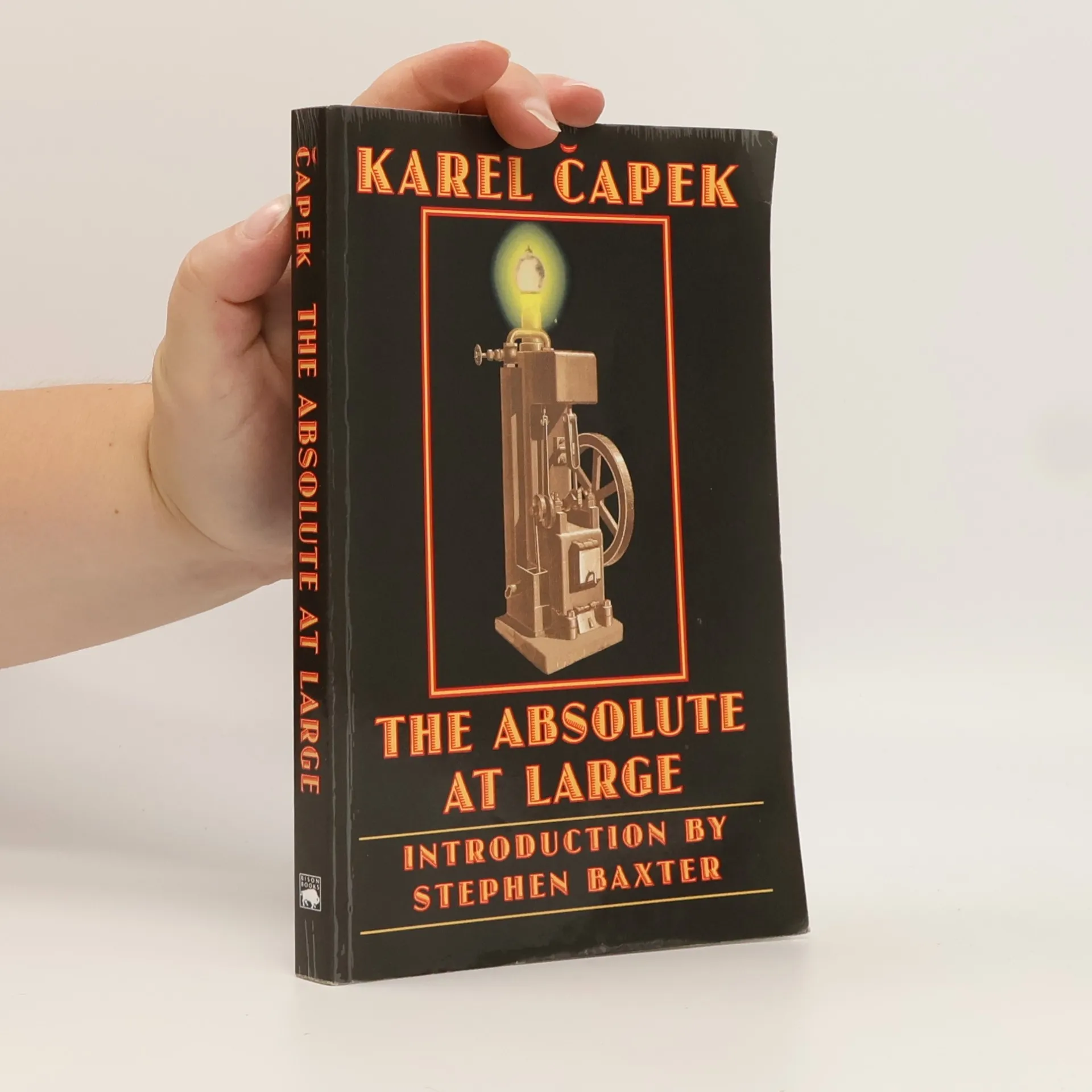
    • The Absolute at Large

      • 248bladzijden
      • 9 uur lezen

      A brilliant scientist invents the Karburator, a reactor that can create abundant and practically free energy. However, the Karburator's super- efficient energy production also yields a powerful by-product the Absolute, the spiritual essence held within all matter, into the world.

      The Absolute at Large
      3,9
    • In this book, Claude Lévi-Strauss presents and applies the structural method to the study of ideas, arts, and societies. He addresses major questions of structural anthropology and discusses methodological issues. The work defines and illustrates his ambition to conduct a genuine scientific analysis of human phenomena without distorting them, preserving their concrete richness and the subtle nuances reflected in their diversity.

      Structural anthropology
      3,7
    • A Sorrow Beyond Dreams

      • 112bladzijden
      • 4 uur lezen

      The acclaimed writer Peter Handke's extraordinary confrontation with his mother's suicide.

      A Sorrow Beyond Dreams
      3,7
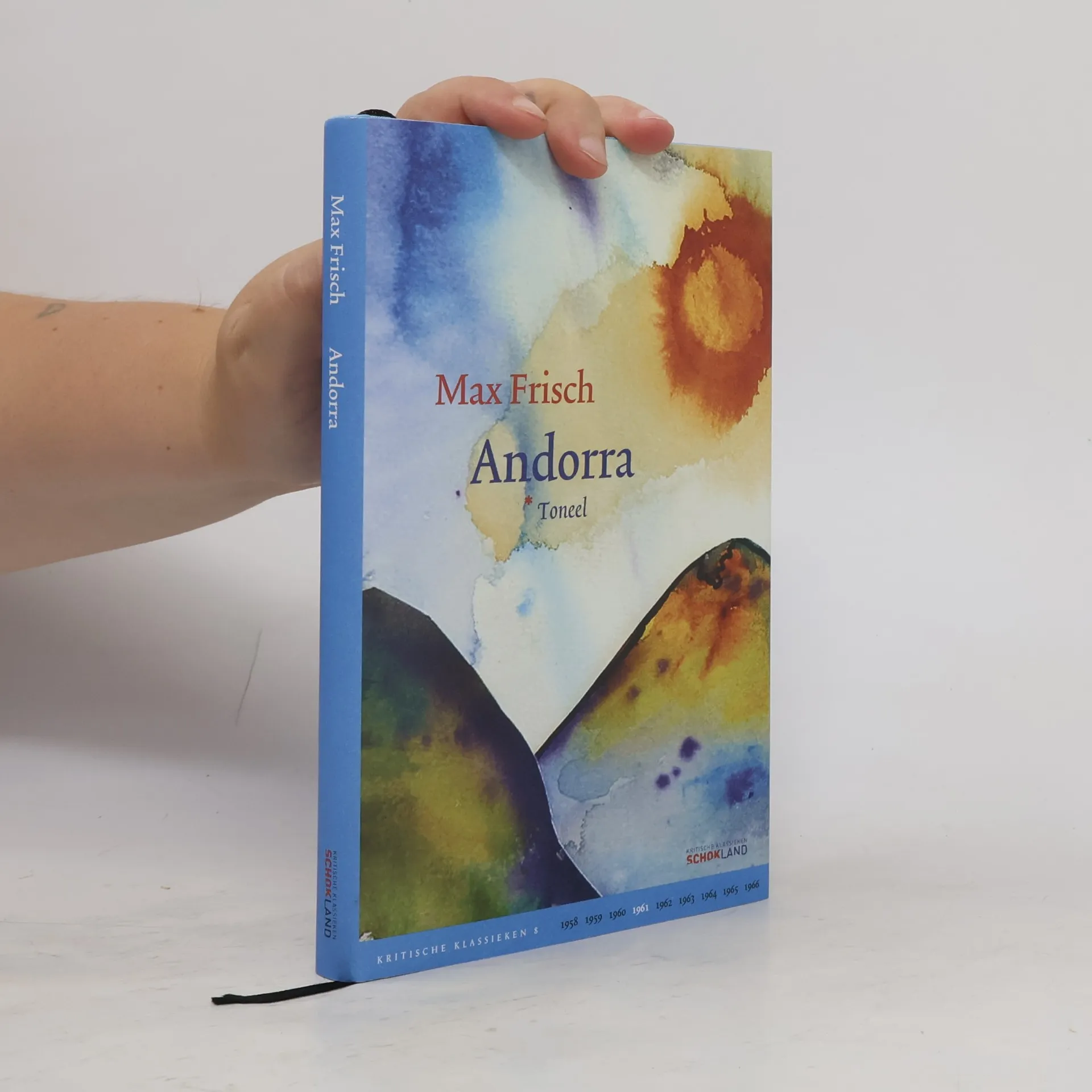
    • Andorra / druk heruitgave

      • 120bladzijden
      • 5 uur lezen

      Andri, de hoofdpersoon van Andorra, is de pleegzoon van de leraar Can, die hem ooit uit het land van de Zwarten de grens over naar het land van de Witten heeft gesmokkeld om hem te behoeden voor vervolging omdat hij Jood zou zijn. Uiteindelijk blijkt Andri helemaal geen Jood, maar het kind dat de leraar heeft verwekt bij een ‘señora’ uit het land van de Zwarten. De onthulling van de waarheid komt evenwel te laat. In Andorra - de ogenschijnlijk vredige maatschappij van de Witten - worden Andri allerlei negatieve stereotype Joodse eigenschappen toegedicht. Andri maakt zich de hem opgedrongen identiteit eigen en blijft er aan vasthouden, zelfs als zijn ouders hem de waarheid vertellen. Als dan uiteindelijk de Zwarten het ‘onschuldige’ Andorra binnenvallen, wordt Andri als Jood geïdentificeerd en vermoord. De Andorranen wassen hun handen in onschuld omdat zij naar eigen zeggen deze afloop niet hadden kunnen voorzien. Het stuk werd voor het eerst in 1961 in het Zwitserse Zürich gespeeld, daarna ging het op de symbolische datum 20 januari 1962 in Duitsland in drie grote steden tegelijk in première, precies twintig jaar na de beruchte nazibijeenkomst aan de Wannsee, waar tot de Endlosung werd besloten.

      Andorra / druk heruitgave
      3,4
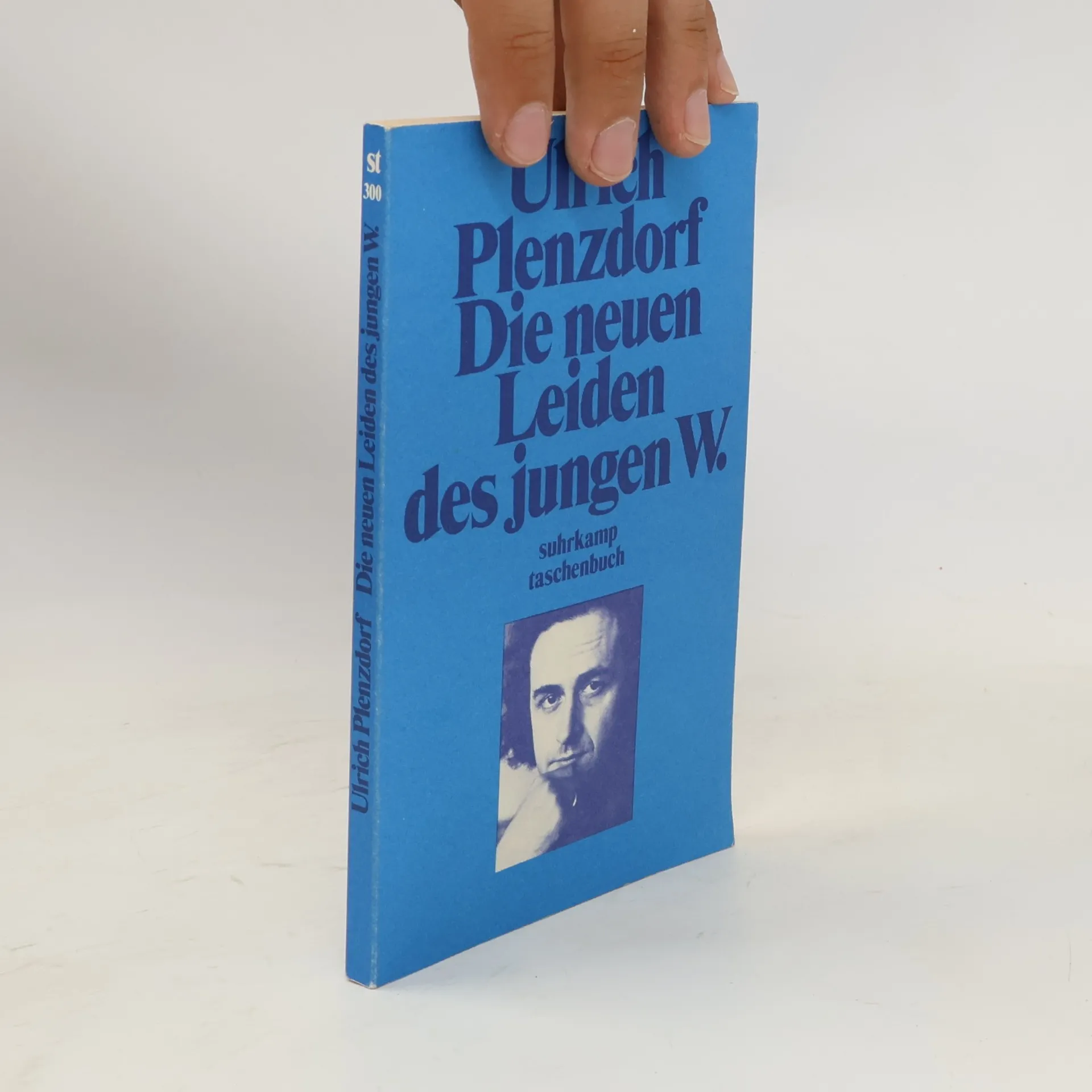
    • Die neuen Leiden des jungen W.

      • 148bladzijden
      • 6 uur lezen

      »Die ›neuen‹ Leiden des jungen W. sind die alten: Liebe, die als Eifersucht schmerzt, gestörtes Verhältnis zur Mitwelt, das als verletzter Ehrgeiz quält. Auch Werther 1972 liebt eine verlobte, später verheiratete Frau namens Charlotte, die er nicht wie sein Vorgänger Lotte, sondern ›Charlie‹ nennt« Rolf Michaelis, Frankfurter Allgemeine Zeitung.

      Die neuen Leiden des jungen W.
      3,3