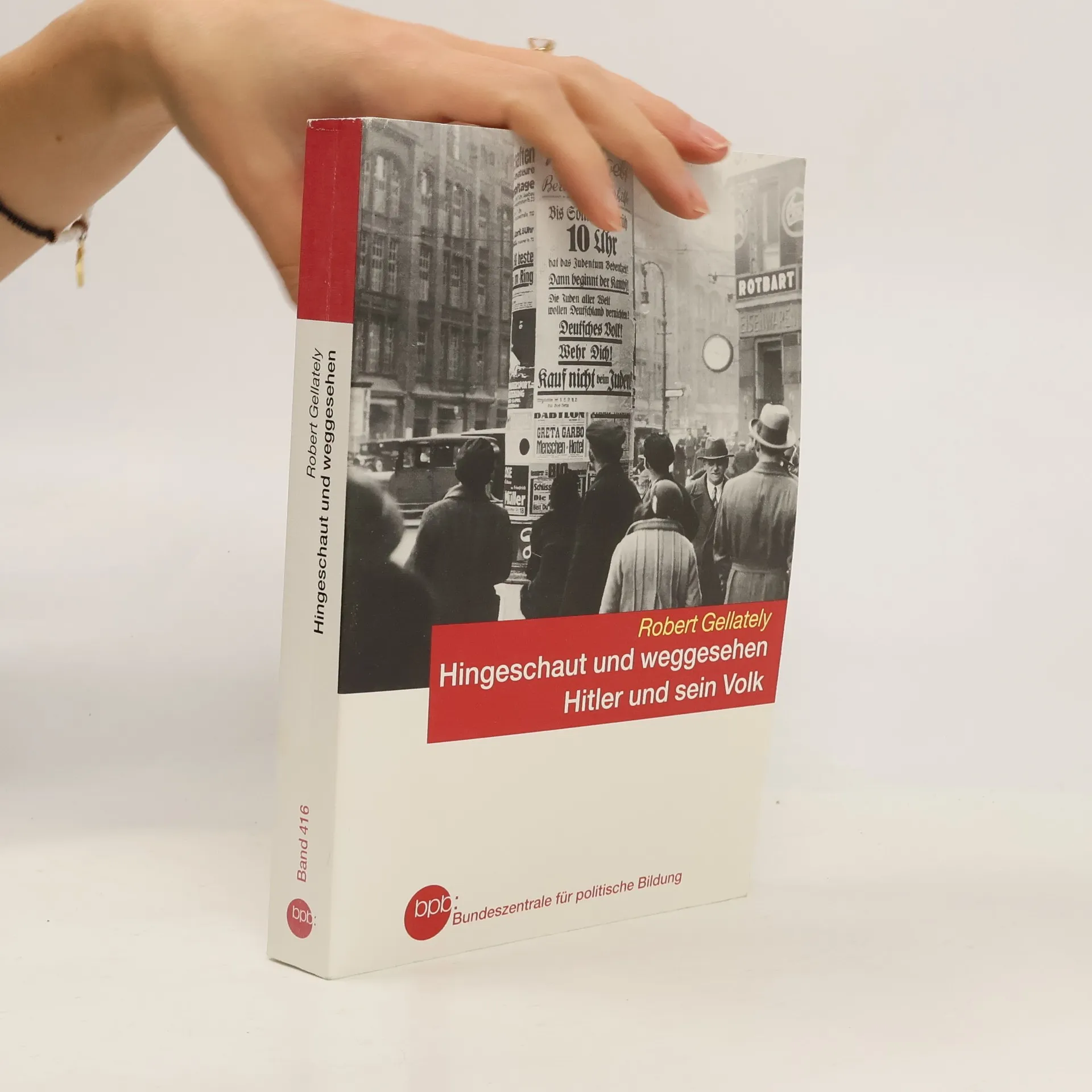
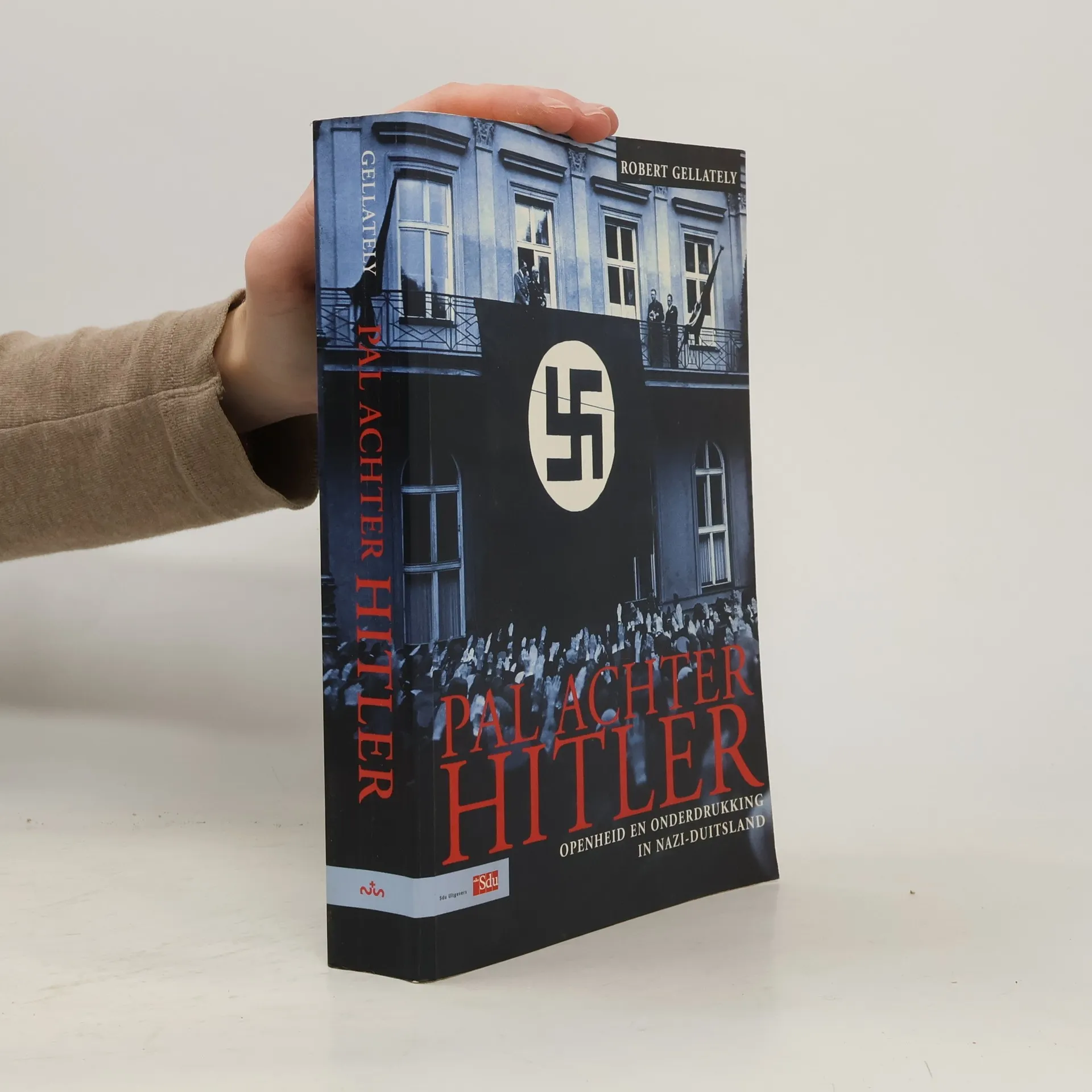
Kort nadat Hitler in 1933 in Duitsland aan de macht was gekomen, begon men met de aanleg van concentratiekampen om de vijanden van het Nazi-regime te onderdrukken. Ook werd de Gestapo opgericht om uitvoer te geven aan de ideeën van het nieuwe bewind. Hoewel Hitler niet door een verkiezingsoverwinning aan de macht was gekomen zag hij kans om in korte tijd het Duitse volk massaal achter zich te krijgen. Hoe kon dat en in hoeverre waren de Duitsers op de hoogte van de plannen van de Führer? In Pal achter Hitler toont Robert Gellately aan de hand van uitgebreid onderzoek in Duitse kranten en archieven aan dat het Duitse volk in de jaren dertig niet alleen goed op de hoogte was van de moorddadige praktijken van de Nazi's, maar ook dat veel Duitsers actief deelnaam aan de uitvoering ervan. De gehele Duitse samenleving werd doordrongen van het Nazisme en vrijwel iedere Duitser werd via kranten, radio en diverse manifestaties goed geïnformeerd over welke veranderingen zich vanaf 1933 in Duitsland afspeelden.
Robert Gellately Boeken
Robert Gellately is een vooraanstaand historicus van het moderne Europa, met een bijzondere focus op de tijdperken van de Tweede Wereldoorlog en de Koude Oorlog. Zijn uitgebreide interesse in de Holocaust heeft hem ook ertoe aangezet om andere genocides te onderzoeken, waarvoor hij strikte definitieve richtlijnen hanteert. Gellatelys werk duikt diep in de dynamiek van macht, instemming en dwang binnen totalitaire regimes. Door middel van analyses die vaak gebaseerd zijn op originele documenten en getuigenissen, daagt zijn wetenschap vereenvoudigde historische verhalen uit en benadrukt het complexe sociale en politieke processen.

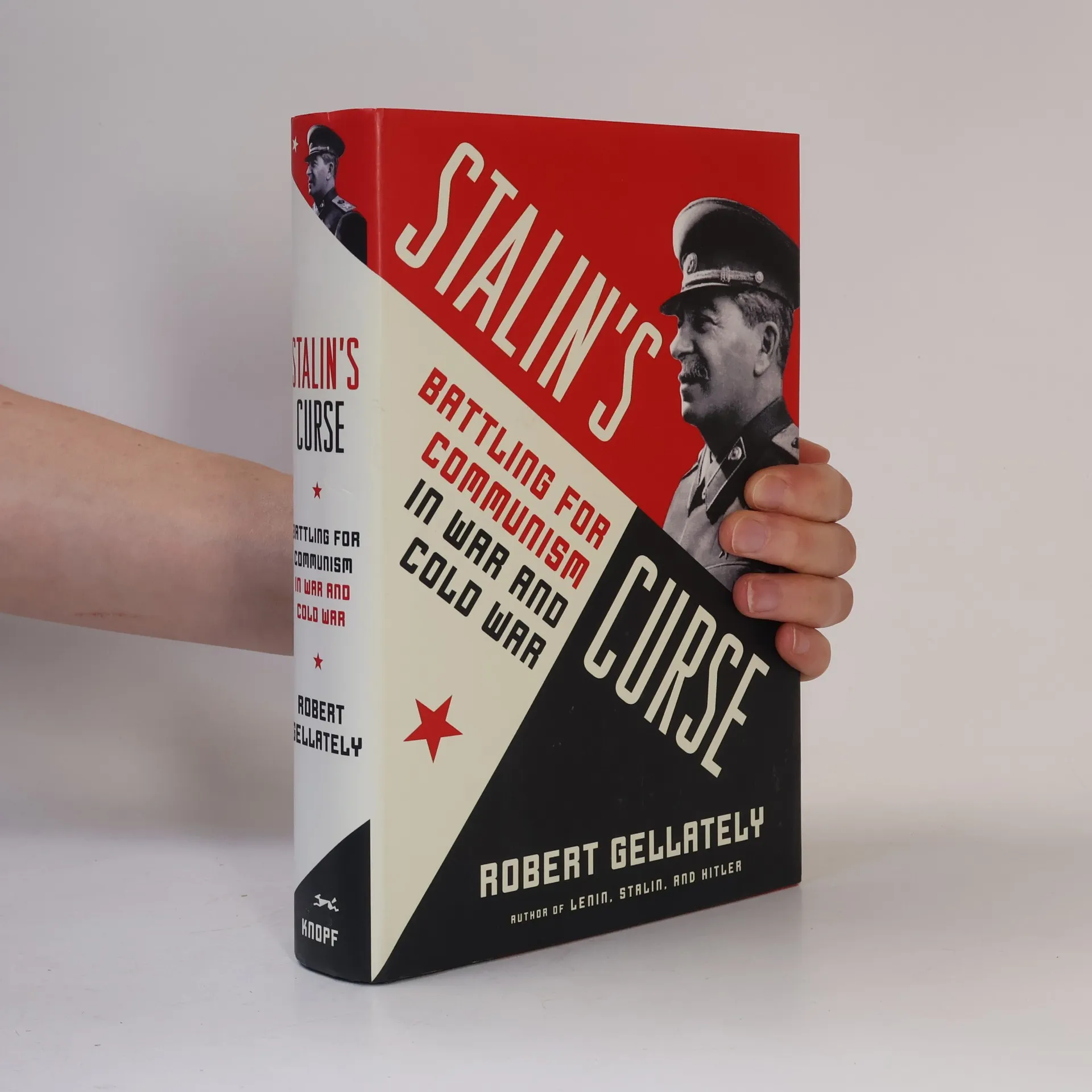

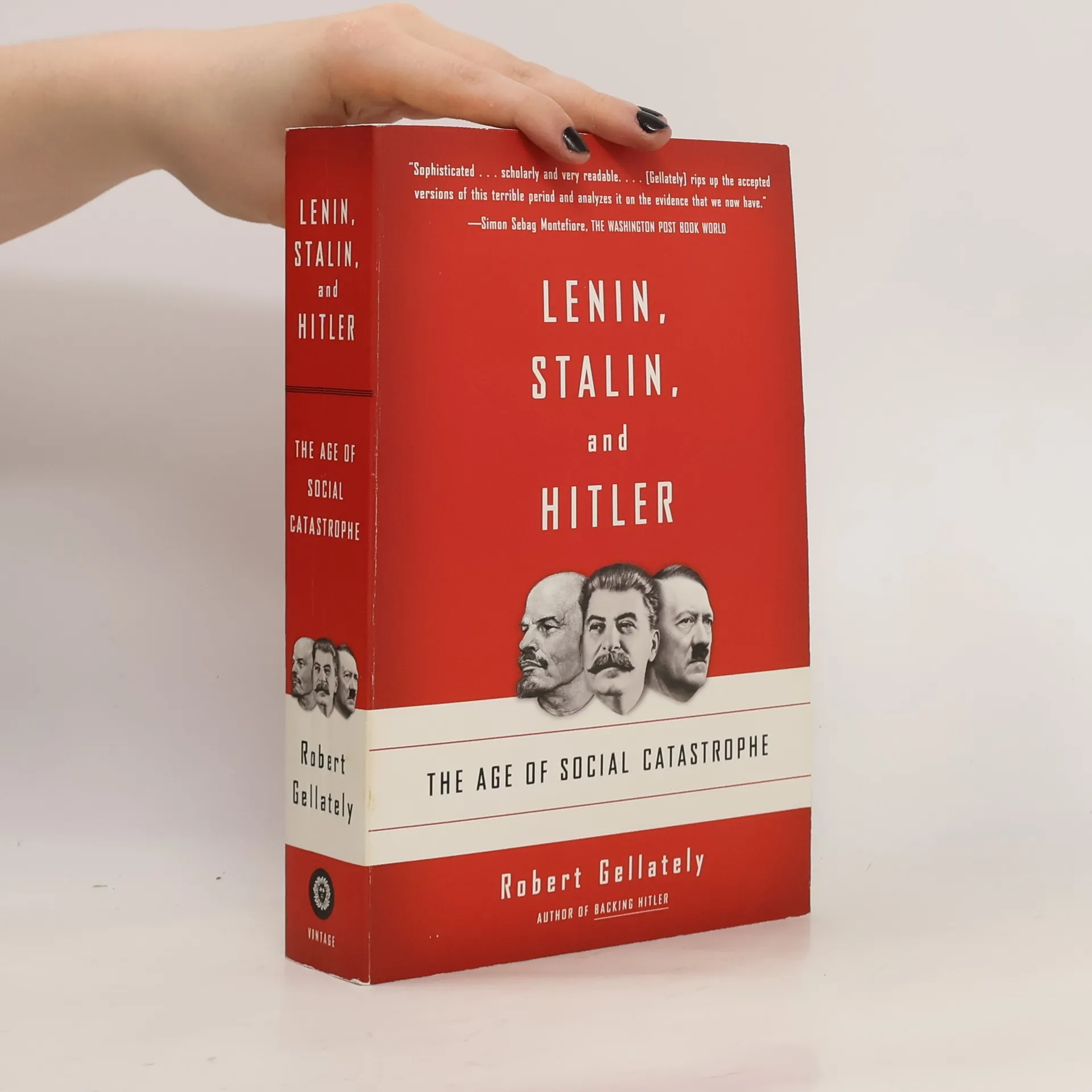
The book offers a daring analysis of the significant social and political transformations in Europe during the tumultuous years from 1914 to 1945. It covers pivotal events such as the Russian Revolution and the Second World War, exploring the interconnectedness of these upheavals and their impact on European society. Through a comprehensive examination, it sheds light on the forces that shaped modern Europe during this critical period.
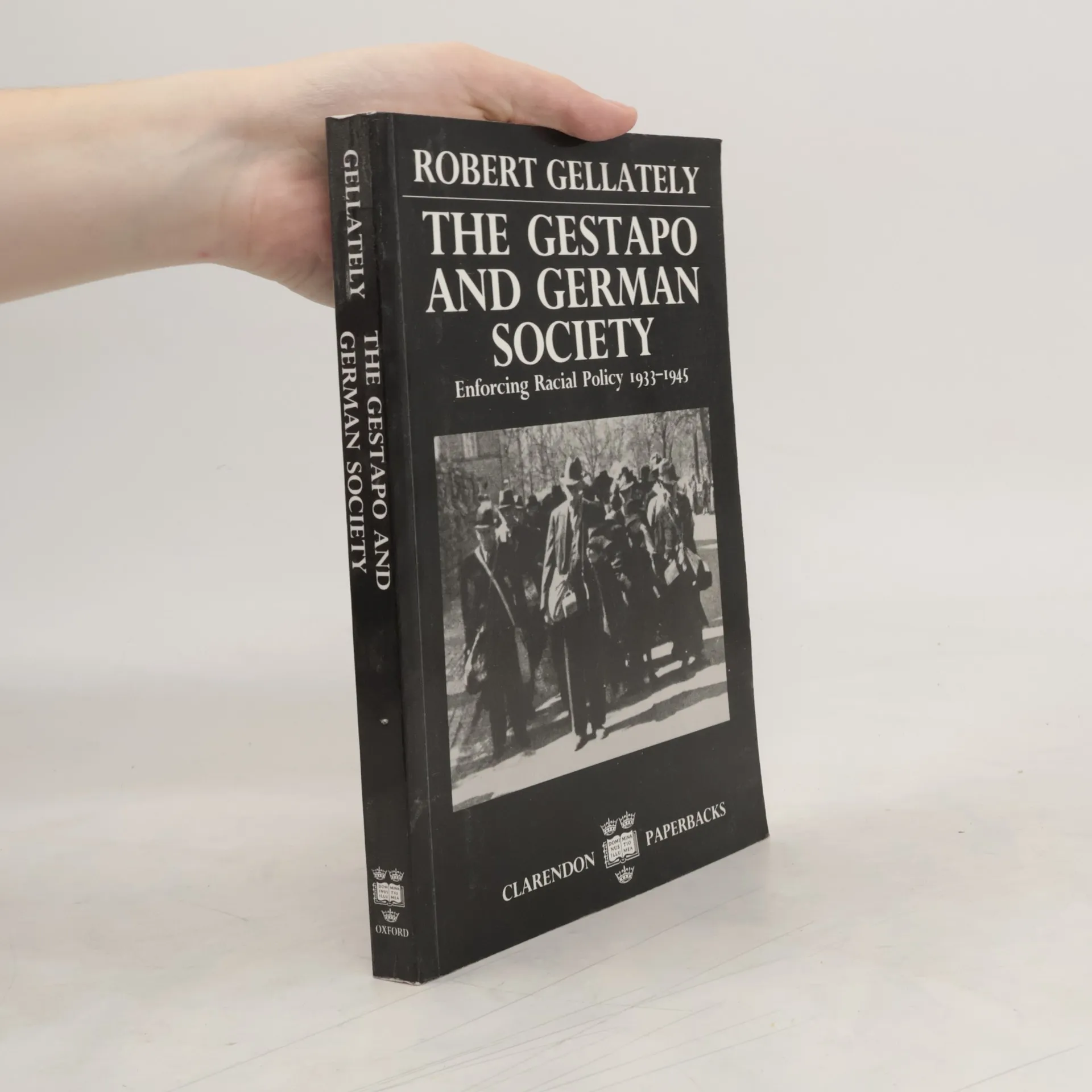
This book examines the everyday operations of the Gestapo, the Nazi secret police. How were the Gestapo able to detect the smallest signs of noncompliance with Nazi doctrines, especially 'crimes' pertaining to the private spheres of social, family, and sexual life? How could the police enforce policies such as those designed to isolate the Jews or foreign workers with such apparent ease?
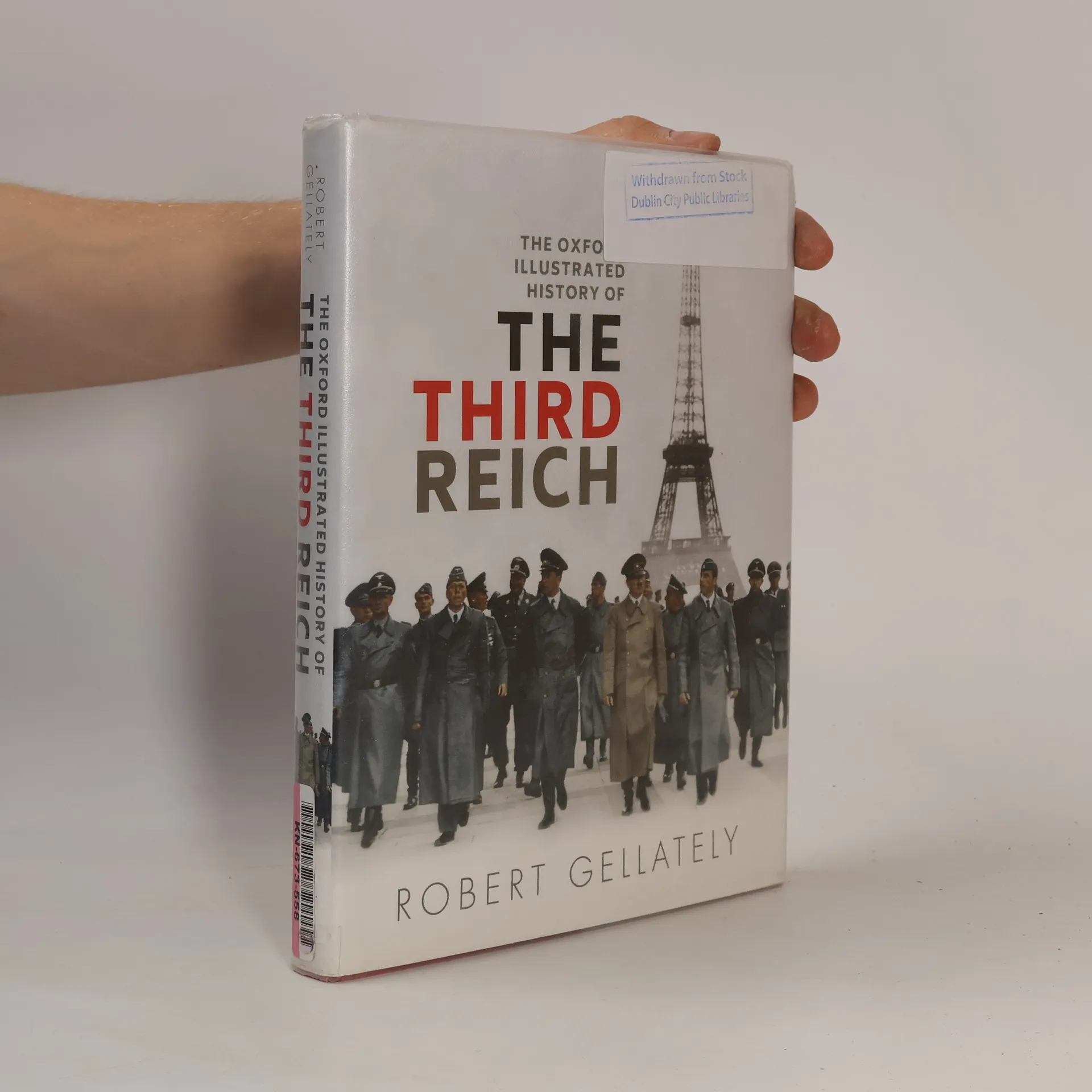
The Oxford Illustrated History of the Third Reich
- 383bladzijden
- 14 uur lezen
A thought-provoking assessment and documentation of one of the most terrible periods in history - the rise and fall of the Nazi Party.
Hitler's True Believers
- 448bladzijden
- 16 uur lezen
Nazi ideology drove Hitler's quest for power in 1933, colored everything in the Third Reich, and culminated in the Second World War and the Holocaust. In this book, Gellately addresses often-debated questions about how Fuhrer discovered the ideology and why millions adopted aspects of National Socialism without having laid eyes on the leader or reading his work.
A chilling, riveting account based on newly released Russian documentation reveals Joseph Stalin’s true motives and his commitment to expanding the Soviet empire during his collaboration with Franklin D. Roosevelt, Winston Churchill, and the capitalist West. At the Big Three conferences of World War II, Stalin skillfully portrayed himself as a great world leader. Observers like George F. Kennan viewed him as a modern-day tsarist figure focused on international strategy and power politics rather than ideology. However, Robert Gellately uncovers documents that show Stalin was an unwavering revolutionary, biding his time to establish Communist regimes across Europe. His actions during this period, along with the miscalculations of Western responses, set the stage for the Cold War. Gellately takes readers behind the scenes, illustrating how Stalin disguised his political ambitions while prioritizing the future of Communism, even as he fought against Hitler. The ascetic dictator’s Machiavellian strategies and unpredictable behavior kept Western leaders on high alert in an increasingly dangerous and divided world. This work offers an unprecedented revelation of the sinister machinations of the Soviet dictator, making it both exciting and deeply engaging.