

Meer over het boek
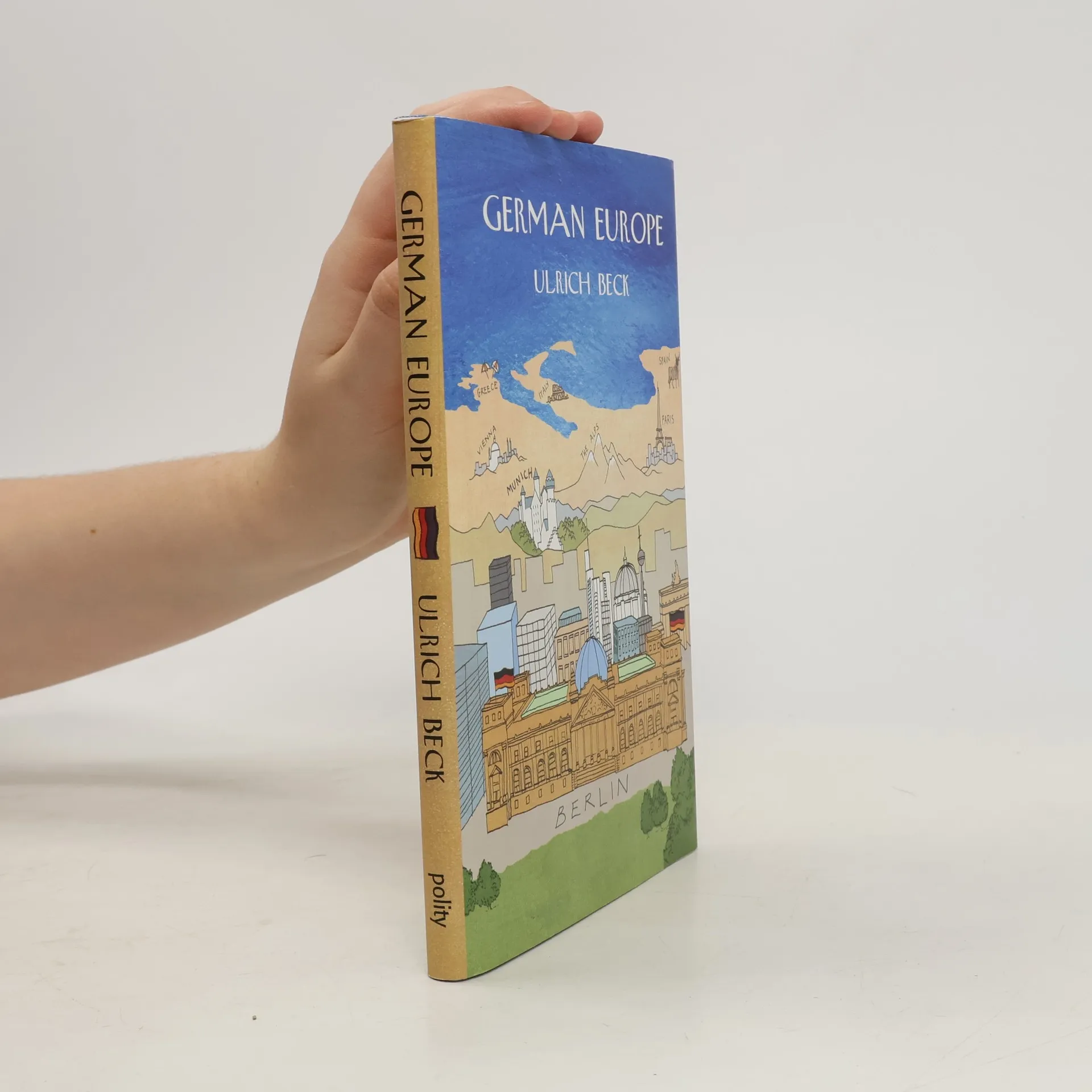
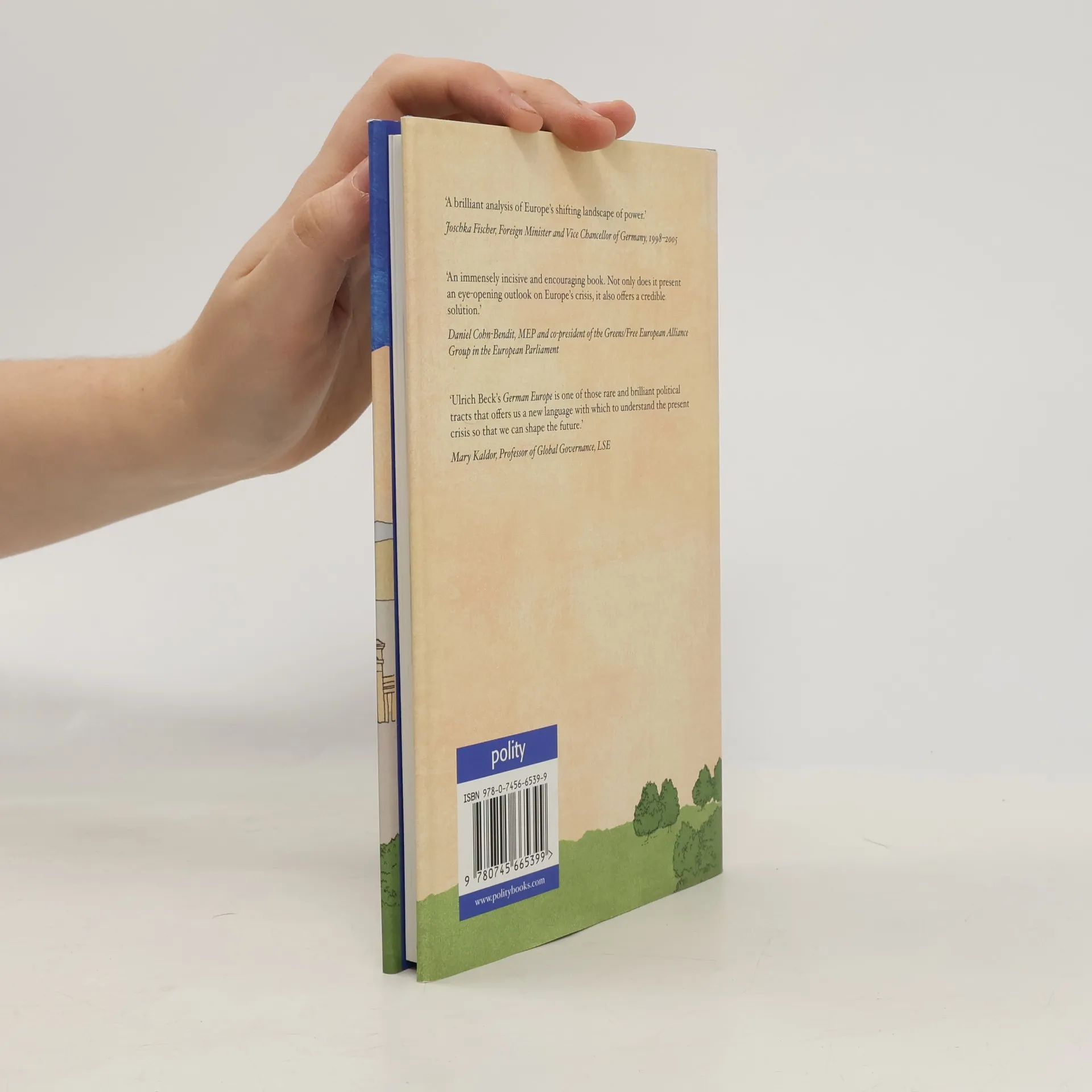
The euro crisis is fracturing Europe, revealing how the fundamental principles of democracy are being undermined. As the crisis unfolds, parliaments, governments, and EU institutions are being bypassed, leading to a shift from multilateralism to unilateralism, and from equality to hegemony. Even France, once a dominant force in European integration, now finds itself constrained by Berlin's demands due to concerns over its credit rating. This shift has fundamentally altered the power dynamics in Europe, giving rise to a "German Europe." Germany did not actively seek this leadership role; rather, it emerged as an unintended consequence of the euro's creation, which was intended to bind Germany within a more integrated Europe. Instead, the euro has benefitted Germany economically, elevating Chancellor Angela Merkel to a position of informal leadership in Europe. The new power dynamics reflect the divide between creditor and debtor nations, driven by an economic rather than military logic. This situation is rooted in a form of "German euro nationalism," which is reshaping European identity. The current EU model, based on fear of chaos, is unsustainable. For Europe to thrive, it must foster a positive vision that empowers citizens and encourages grassroots engagement, allowing ordinary Europeans to unite and act on their own behalf.

Een boek kopen
German Europe, Ulrich Beck
- Taal

- Jaar van publicatie
- 2013
- Bindwijze
- (Hardcover)
Betaalmethoden
We missen je recensie hier.
- Titel
- German Europe
- Taal
- Engels
- Auteurs
- Ulrich Beck
- Uitgever
- Polity Press
- Jaar van publicatie
- 2013
- Formaat
- Hardcover
- Aantal pagina's
- 98
- ISBN10
- 074566539X
- ISBN13
- 9780745665399
- Reeks
- Tags
- Historisch thema, Politiek
- Beoordeling
- 3,8 van 5
- Aantekening
- The euro crisis is fracturing Europe, revealing how the fundamental principles of democracy are being undermined. As the crisis unfolds, parliaments, governments, and EU institutions are being bypassed, leading to a shift from multilateralism to unilateralism, and from equality to hegemony. Even France, once a dominant force in European integration, now finds itself constrained by Berlin's demands due to concerns over its credit rating. This shift has fundamentally altered the power dynamics in Europe, giving rise to a "German Europe." Germany did not actively seek this leadership role; rather, it emerged as an unintended consequence of the euro's creation, which was intended to bind Germany within a more integrated Europe. Instead, the euro has benefitted Germany economically, elevating Chancellor Angela Merkel to a position of informal leadership in Europe. The new power dynamics reflect the divide between creditor and debtor nations, driven by an economic rather than military logic. This situation is rooted in a form of "German euro nationalism," which is reshaping European identity. The current EU model, based on fear of chaos, is unsustainable. For Europe to thrive, it must foster a positive vision that empowers citizens and encourages grassroots engagement, allowing ordinary Europeans to unite and act on their own behalf.