

Meer over het boek
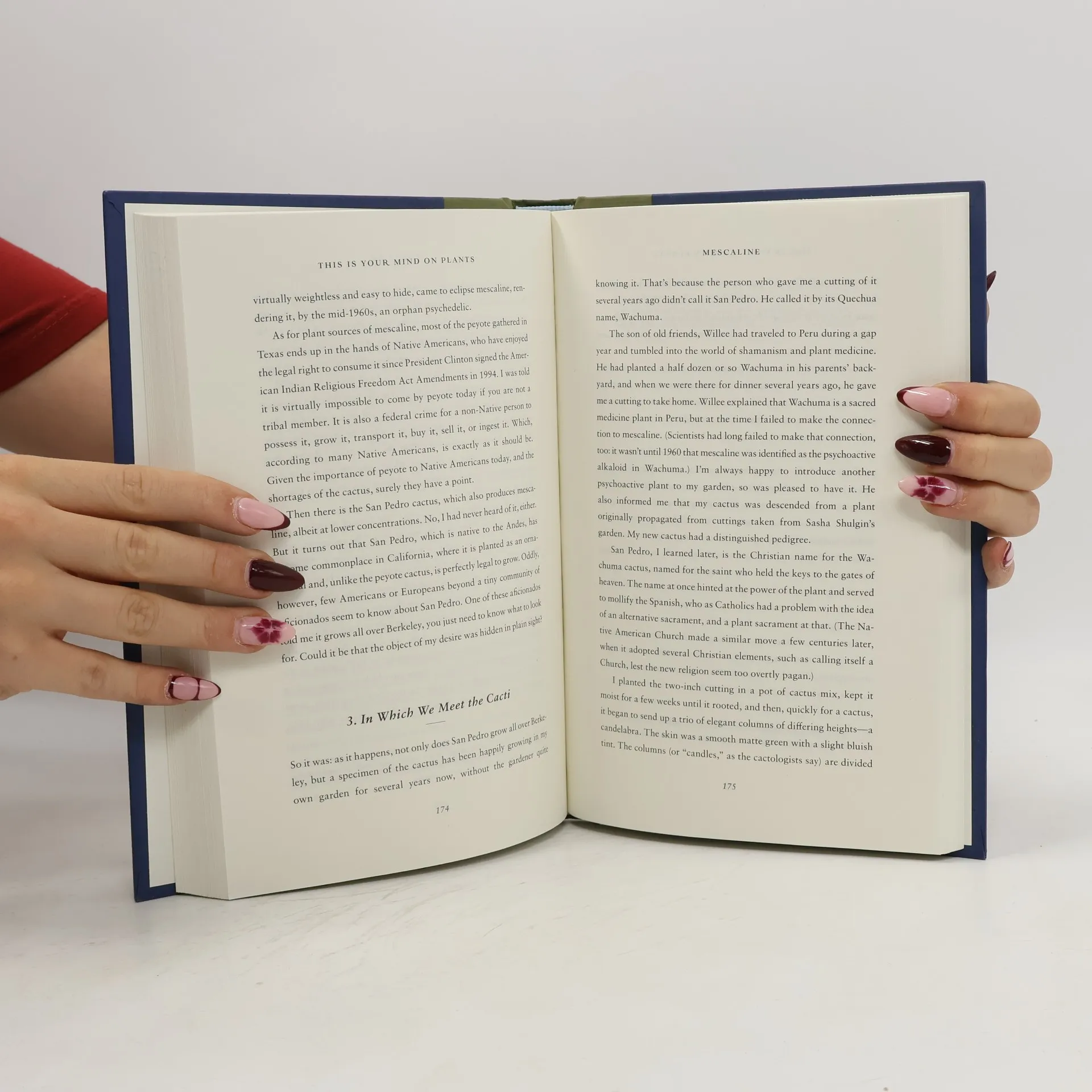
THE INSPIRATION FOR THE MAJOR NEW NETFLIX SERIES, HOW TO CHANGE YOUR MIND. 'It's a trip - engrossing, eye-opening, mind altering' New Statesman. 'Fascinating. Pollan is the perfect guide ... curious, careful, open minded' The Guardian. Humans have long relied on plants to alter consciousness, whether to stimulate, calm, or completely transform mental experiences. Michael Pollan delves into three distinct substances—opium, caffeine, and mescaline—highlighting the complexities of our perceptions surrounding them. By engaging with the cultures that have developed around these drugs and examining his own consumption (or avoidance, in caffeine’s case), Pollan confronts the deep-rooted human fascination with psychoactive plants alongside the societal taboos they carry. This work combines history, science, memoir, and reportage, offering a nuanced perspective often overlooked in discussions about drug regulation. Pollan demonstrates that our interactions with these plants go beyond mere debate; they represent a profound engagement with nature. This groundbreaking exploration reflects our essential human needs, mental processes, and our intricate relationship with the natural world.



Een boek kopen
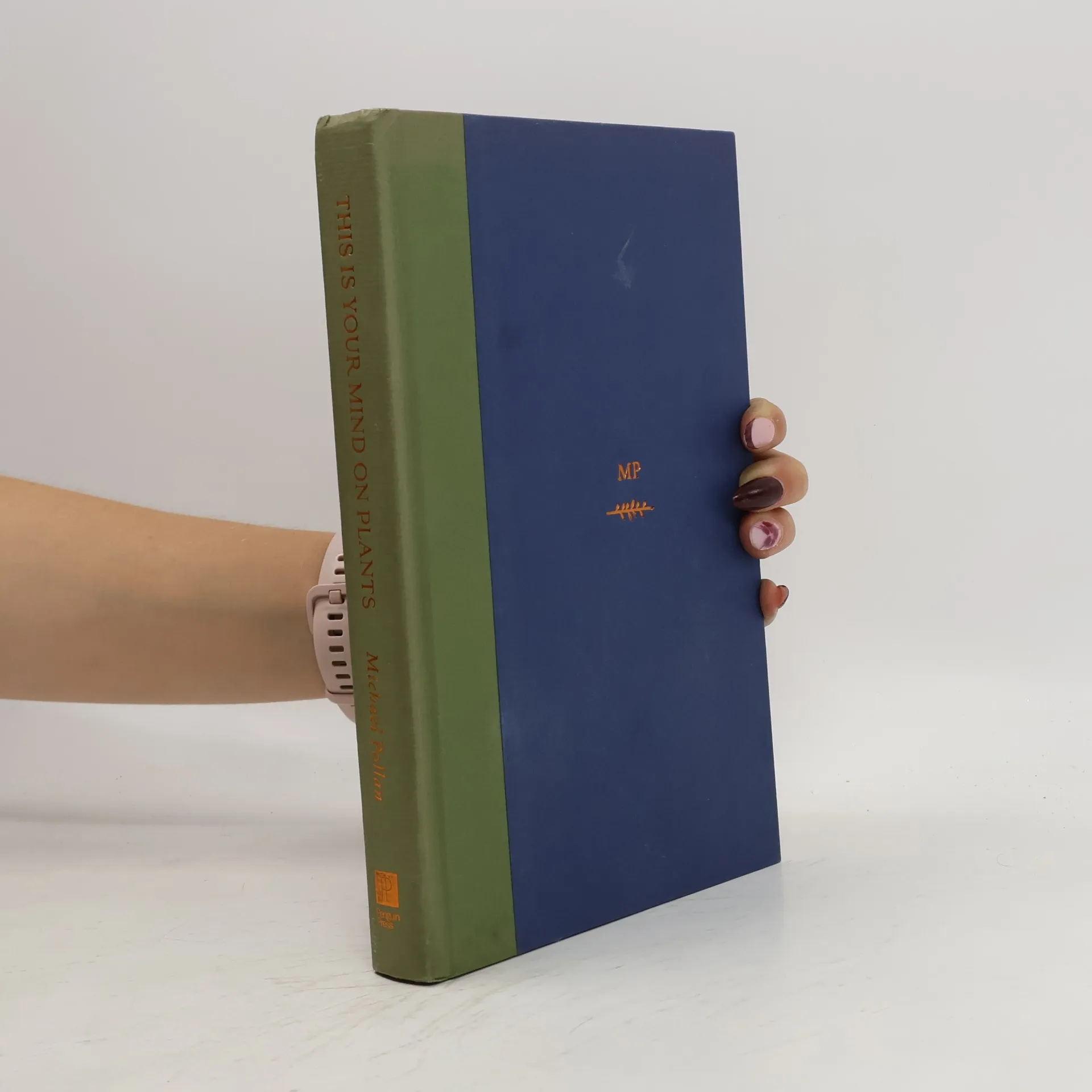
This Is Your Mind on Plants, Michael Pollan
- Taal

- Jaar van publicatie
- 2021
- Bindwijze
- (Hardcover)
Betaalmethoden
We missen je recensie hier.
- Titel
- This Is Your Mind on Plants
- Taal
- Engels
- Auteurs
- Michael Pollan
- Uitgever
- Penguin Press
- Jaar van publicatie
- 2021
- Formaat
- Hardcover
- Reeks
- Categorieën
- Tags
- Historisch thema, Gezondheid & Medisch, Natuur, Psychologische thema’s, Wetenschap, Verenigde Staten, Gezondheid, Samenleving, Culturele Geschiedenis, Koffie, Opium, Papaver
- Beoordeling
- 3,85 van 5
- Aantekening
- THE INSPIRATION FOR THE MAJOR NEW NETFLIX SERIES, HOW TO CHANGE YOUR MIND. 'It's a trip - engrossing, eye-opening, mind altering' New Statesman. 'Fascinating. Pollan is the perfect guide ... curious, careful, open minded' The Guardian. Humans have long relied on plants to alter consciousness, whether to stimulate, calm, or completely transform mental experiences. Michael Pollan delves into three distinct substances—opium, caffeine, and mescaline—highlighting the complexities of our perceptions surrounding them. By engaging with the cultures that have developed around these drugs and examining his own consumption (or avoidance, in caffeine’s case), Pollan confronts the deep-rooted human fascination with psychoactive plants alongside the societal taboos they carry. This work combines history, science, memoir, and reportage, offering a nuanced perspective often overlooked in discussions about drug regulation. Pollan demonstrates that our interactions with these plants go beyond mere debate; they represent a profound engagement with nature. This groundbreaking exploration reflects our essential human needs, mental processes, and our intricate relationship with the natural world.