

Parameters
Meer over het boek
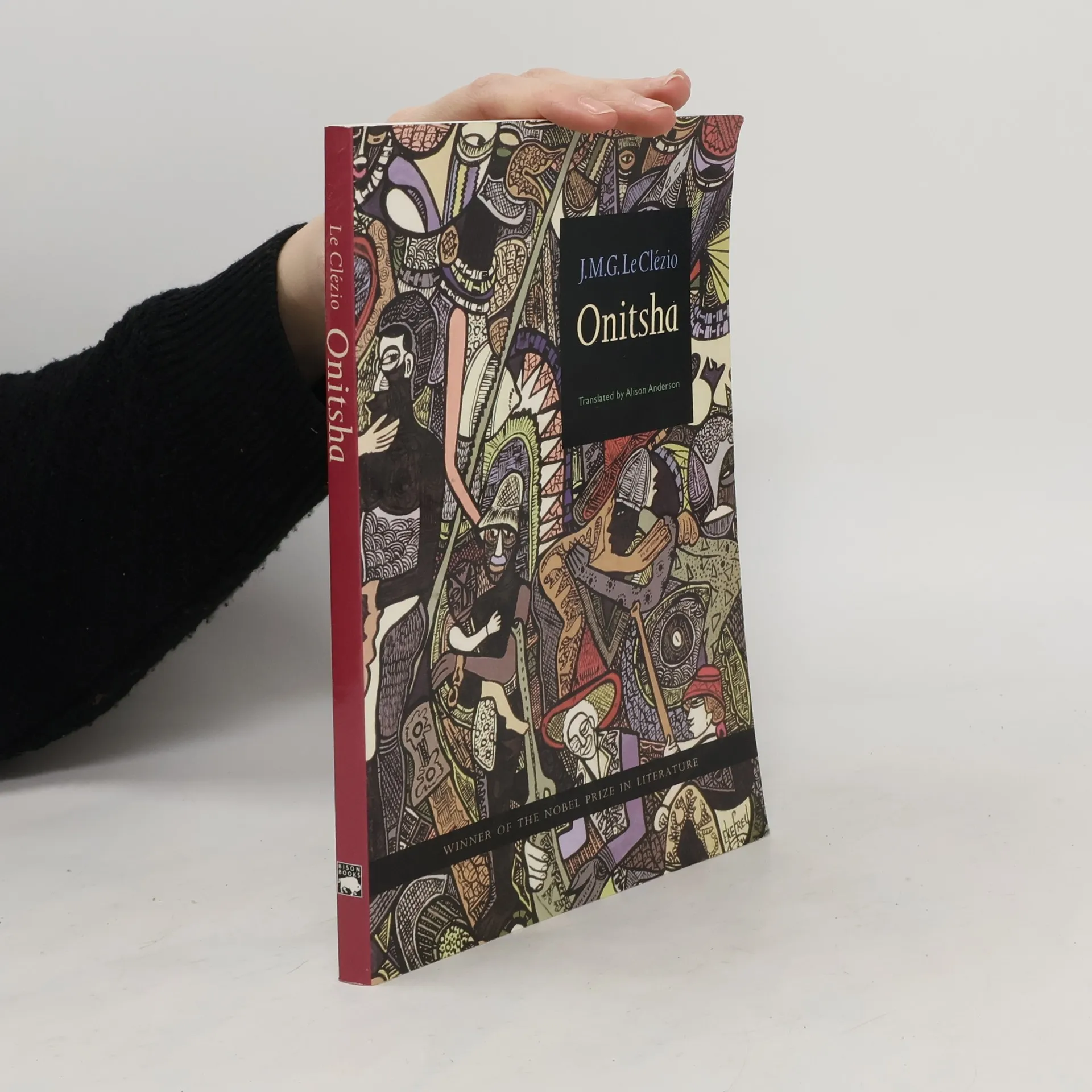
Onitsha tells the story of Fintan, a youth who travels to Africa in 1948 with his Italian mother to join the English father he has never met. Fintan is initially enchanted by the exotic world he discovers in Onitsha, a bustling city prominently situated on the eastern bank of the Niger River. But gradually he comes to recognize the intolerance and brutality of the colonial system. His youthful point of view provides the novel with a notably direct, horrified perspective on racism and colonialism. In the words of translator Alison Anderson, Onitsha is remarkable for its “almost mythological evocation of local history and beliefs.” It is full of atmosphere—sights, sounds, smells —and at times the author’s sentences seem to flow with the dreamy languor of the river itself. But J. M. G. Le Clézio “never lets us forget the harsh realities of life nor the subsequent tragedy of war.” A startling account—and indictment—of colonialism, Onitsha is also a work of clear, forthright prose that ably portrays both colonial Nigeria and a young boy’s growing outrage.


Een boek kopen
Onitsha, J. M. G. Le Clézio, Jean-Marie Gustave
- Taal

- Jaar van publicatie
- 1997
- Bindwijze
- (Paperback)
Betaalmethoden
We missen je recensie hier.
- Titel
- Onitsha
- Taal
- Engels
- Auteurs
- J. M. G. Le Clézio, Jean-Marie Gustave
- Uitgever
- University of Nebraska Press
- Jaar van publicatie
- 1997
- Formaat
- Paperback
- ISBN10
- 0803279663
- ISBN13
- 9780803279667
- Reeks
- Categorieën
- Tags
- Historisch thema, Natuur, Avontuur, Vriendschap, Frankrijk, Franse literatuur, Afrika, Jongeren, Nobelprijs, Vertelling, narratie, Kolonialisme, Nigeria
- Oorspronkelijke titel
- Onitsha
- Beoordeling
- 3,75 van 5
- Aantekening
- Onitsha tells the story of Fintan, a youth who travels to Africa in 1948 with his Italian mother to join the English father he has never met. Fintan is initially enchanted by the exotic world he discovers in Onitsha, a bustling city prominently situated on the eastern bank of the Niger River. But gradually he comes to recognize the intolerance and brutality of the colonial system. His youthful point of view provides the novel with a notably direct, horrified perspective on racism and colonialism. In the words of translator Alison Anderson, Onitsha is remarkable for its “almost mythological evocation of local history and beliefs.” It is full of atmosphere—sights, sounds, smells —and at times the author’s sentences seem to flow with the dreamy languor of the river itself. But J. M. G. Le Clézio “never lets us forget the harsh realities of life nor the subsequent tragedy of war.” A startling account—and indictment—of colonialism, Onitsha is also a work of clear, forthright prose that ably portrays both colonial Nigeria and a young boy’s growing outrage.