

Je koopt precies het boekdat op de foto staat
Meer over het boek
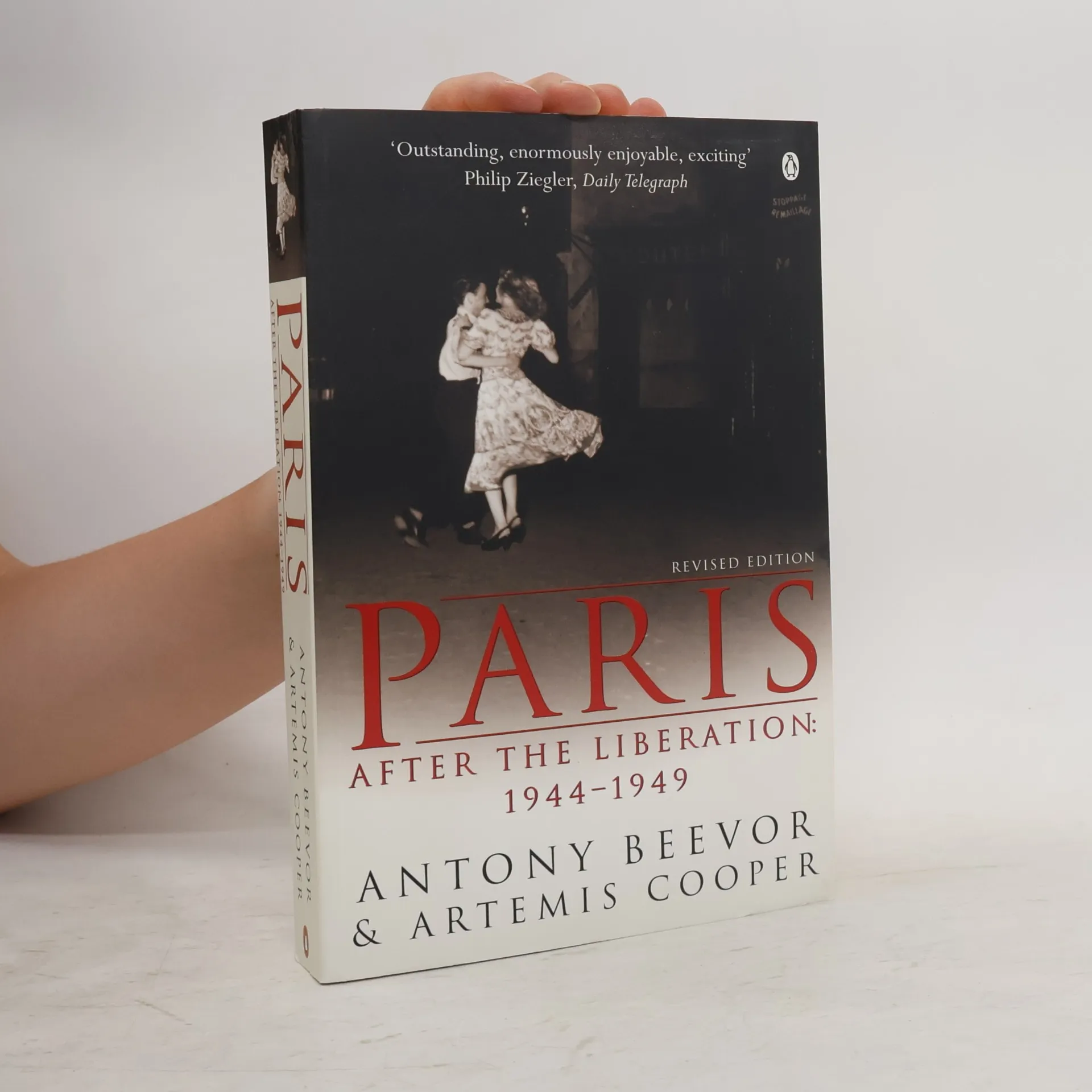
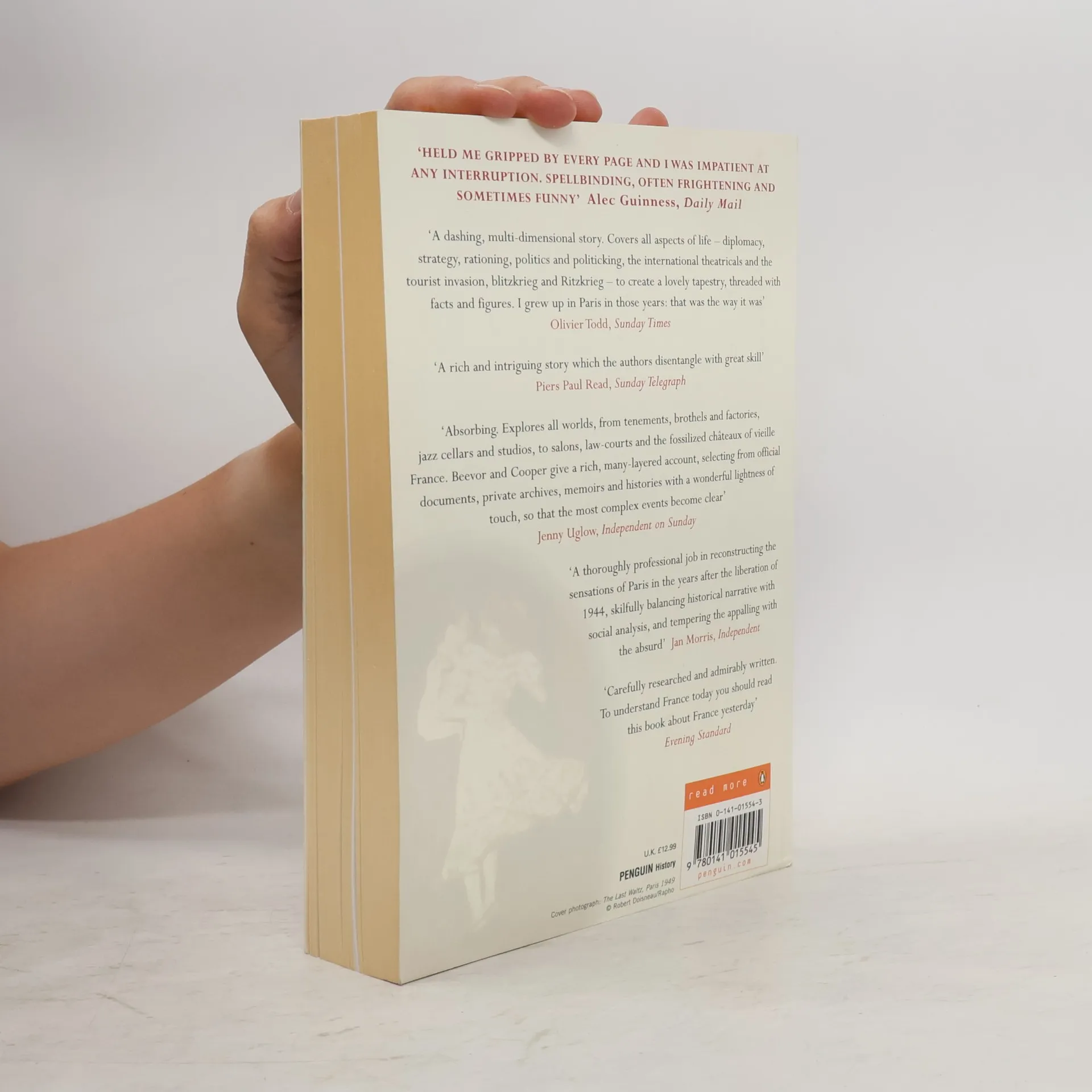
In this brilliant synthesis of social, political, and cultural history, Antony Beevor and Artemis Cooper present a vivid and compelling portrayal of the City of Lights after its liberation. Paris became the diplomatic battleground in the opening stages of the Cold War. Against this volatile political backdrop, every aspect of life is portrayed: scores were settled in a rough and uneven justice, black marketers grew rich on the misery of the population, and a growing number of intellectual luminaries and artists including Hemingway, Beckett, Camus, Sartre, de Beauvoir, Cocteau, and Picassocontributed new ideas and a renewed vitality to this extraordinary moment in time.





Een boek kopen
Paris, Antony Beevor, Artemis Cooper
- Taal

- Jaar van publicatie
- 2004
- Bindwijze
- (Paperback),
- Staat van het boek
- Goed
- Prijs
- € 5,29
Betaalmethoden
We missen je recensie hier.
- Titel
- Paris
- Ondertitel
- After the Liberation 1944-1949 - Revised Edition
- Taal
- Engels
- Auteurs
- Antony Beevor, Artemis Cooper
- Uitgever
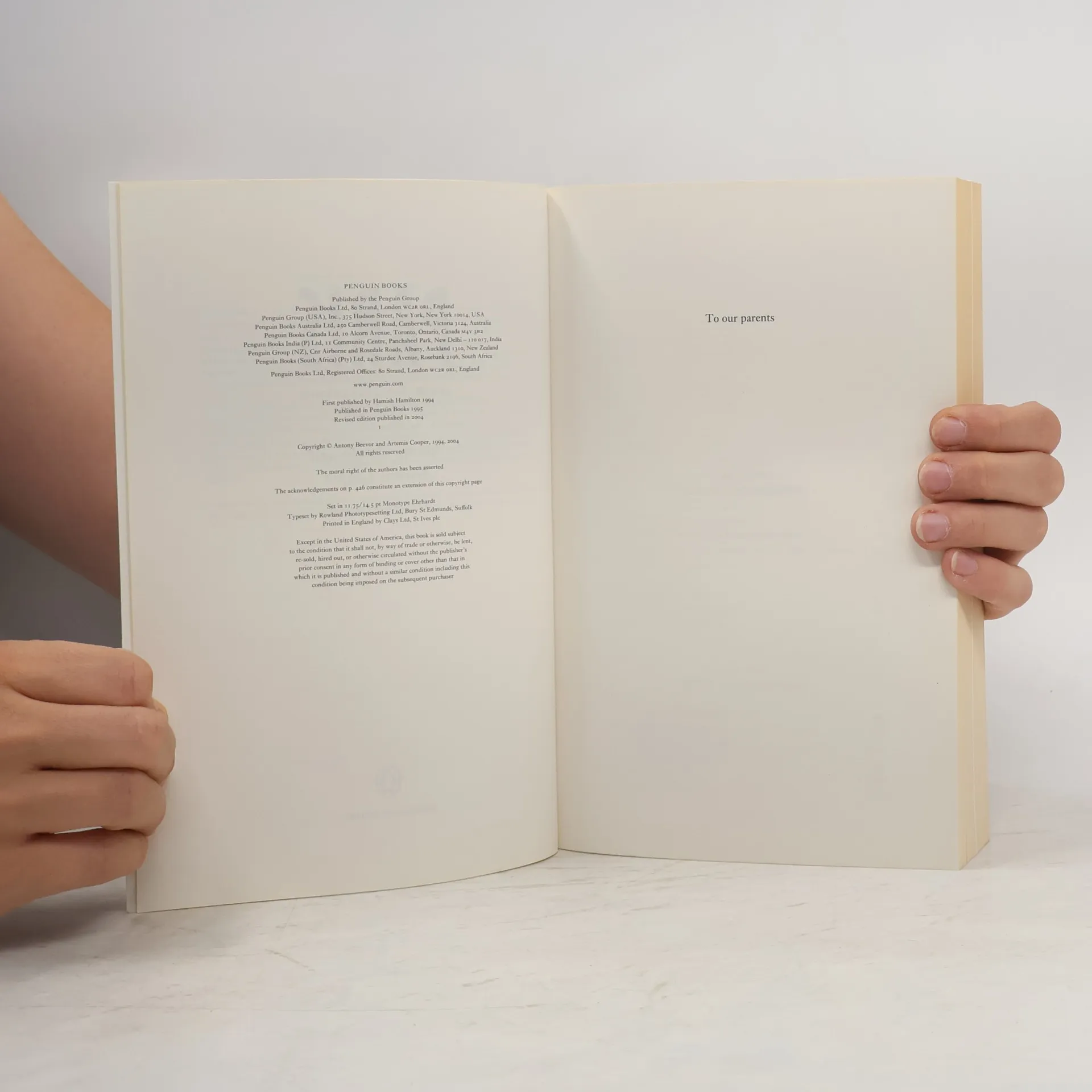
- Penguin Books Ltd
- Jaar van publicatie
- 2004
- Formaat
- Paperback
- Aantal pagina's
- 448
- ISBN10
- 0141015543
- ISBN13
- 9780141015545
- Reeks
- Categorieën
- Tags
- Historisch thema, Frankrijk, Oorlogen, Tweede Wereldoorlog, Geschiedenis van Europa, Parijs, Naoorlogse Periode, Geschiedenis van Frankrijk, Jaar 1945, Samenleving en Politiek, Jaar 1944, Jaar 1948, Jaar 1946, Jaar 1947
- Eerste editie
- 1994
- Oorspronkelijke titel
- Paris After the Liberation, 1944–1949
- Beoordeling
- 3,85 van 5
- Aantekening
- In this brilliant synthesis of social, political, and cultural history, Antony Beevor and Artemis Cooper present a vivid and compelling portrayal of the City of Lights after its liberation. Paris became the diplomatic battleground in the opening stages of the Cold War. Against this volatile political backdrop, every aspect of life is portrayed: scores were settled in a rough and uneven justice, black marketers grew rich on the misery of the population, and a growing number of intellectual luminaries and artists including Hemingway, Beckett, Camus, Sartre, de Beauvoir, Cocteau, and Picassocontributed new ideas and a renewed vitality to this extraordinary moment in time.