Antony Beevor is een Britse historicus wiens werk zich voornamelijk richt op militaire geschiedenis, met name de gebeurtenissen uit de 20e eeuw. Zijn geschriften kenmerken zich door grondig onderzoek en meeslepende verhalen die complexe oorlogsdaden tot leven brengen voor de lezer. Beevor duikt in de menselijke ervaring van conflicten en analyseert de oorzaken en gevolgen van historische gebeurtenissen. Zijn boeken worden gewaardeerd om hun nauwgezette details en hun vermogen om gebeurtenissen in een breder historisch kader te plaatsen.
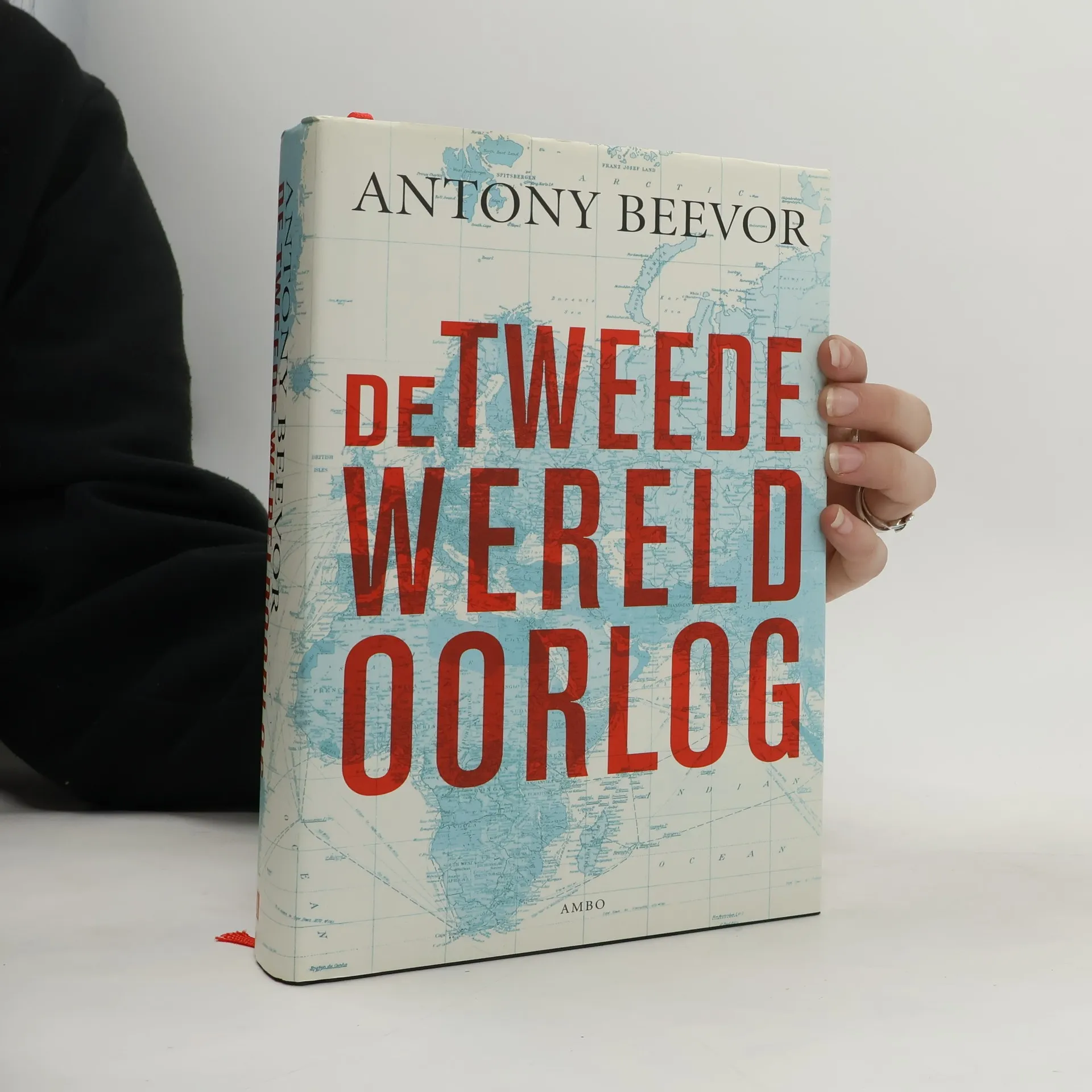
De Tweede Wereldoorlog begon in augustus 1939 aan de rand van Mantsjoerije en eindigde daar exact zes jaar later met de Sovjet-invasie van China. De oorlog in Europa leek volledig gescheiden van die in de Pacific en China, maar de gebeurtenissen aan beide uiteinden van de wereld hadden diepgaande gevolgen. Door zijn mondiale schaal heeft de grootste catastrofe in de geschiedenis de volgende generaties en hun blik op de wereld meer gedomineerd dan welk ander conflict ook.
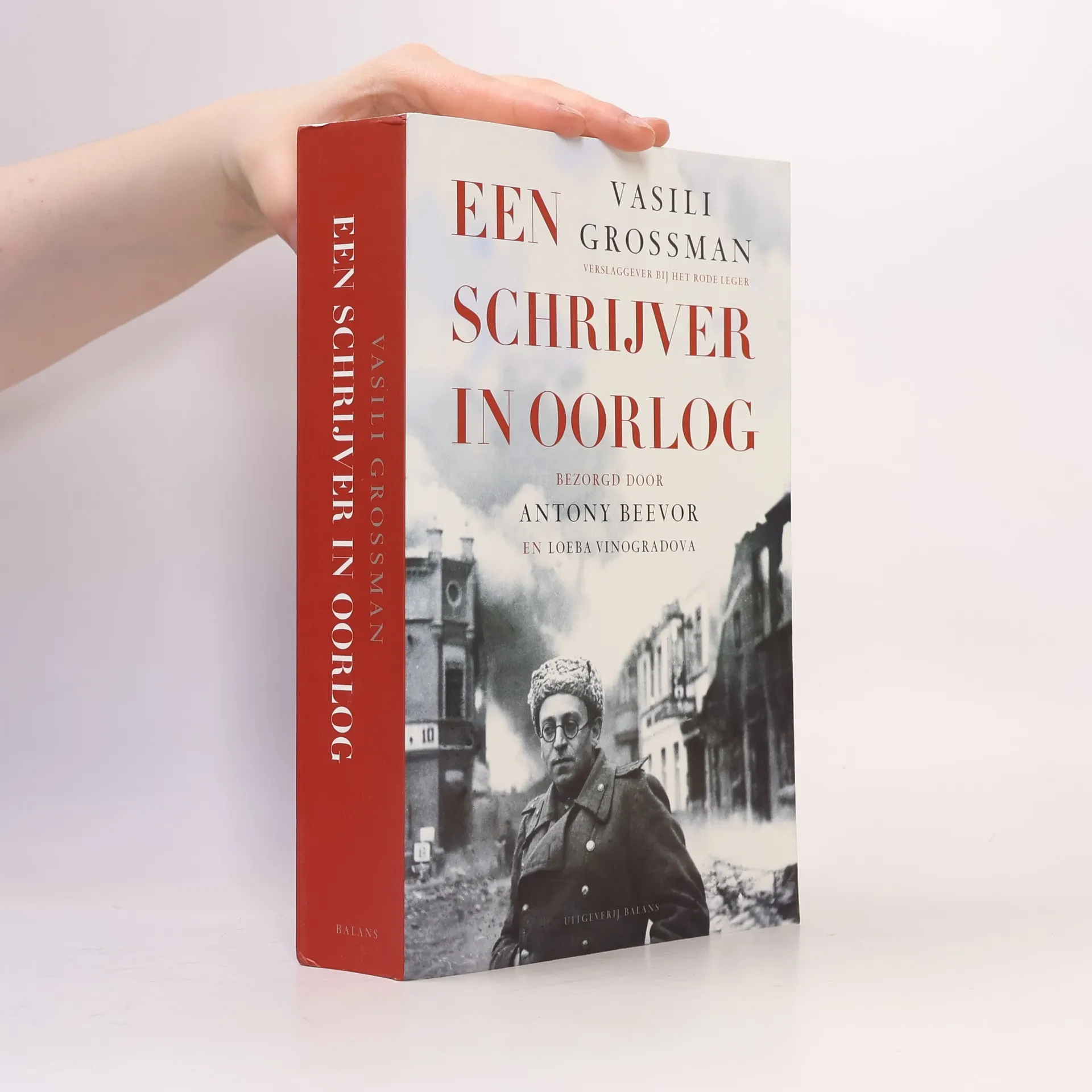
De bekende historicus Antony Beevor kwam in contact met de nalatenschap van de Sovjet-publicist en schrijver Vasilij Grossman tijdens het schrijven van zijn gewaardeerde boek Stalingrad. Dit waardevolle materiaal inspireerde hem om dit boek samen te stellen en uit te geven, dat tijdens het leven van schrijver Grossman zeker niet had kunnen verschijnen. Vasilij Grossman trad vrijwillig toe tot het Rode Leger in 1941 na de aanval van Hitler op de Sovjetunie. Meer dan drie jaar werkte hij als speciale verslaggever voor de legerkrant Rode Ster. Tijdens zijn oorlogsperiode vestigde hij zich als de "hoofdverslaggever" aan het front. Zijn reportages en verslagen, vol met de bloederige realiteit en wanhoop, werden echter in die tijd streng gecensureerd. Dit boek, aangevuld met veel ongepubliceerde Grossman-notities, observaties en tijdsgebonden beschrijvingen, vormt een perfecte aanvulling op de gerenommeerde werken over de Tweede Wereldoorlog. Vasilij Grossman, als scherpzinnig waarnemer met oog voor belangrijke details, biedt de lezer een kleurrijk en panoramisch uitzicht op de gebeurtenissen van die tijd. Zijn verslagen van de Slag om Stalingrad, de Slag bij Koersk, het belegerde Berlijn of zijn bezoek aan het bevrijde Treblinka dienen als modelvoorbeeld van oorlogsverslaggeving.
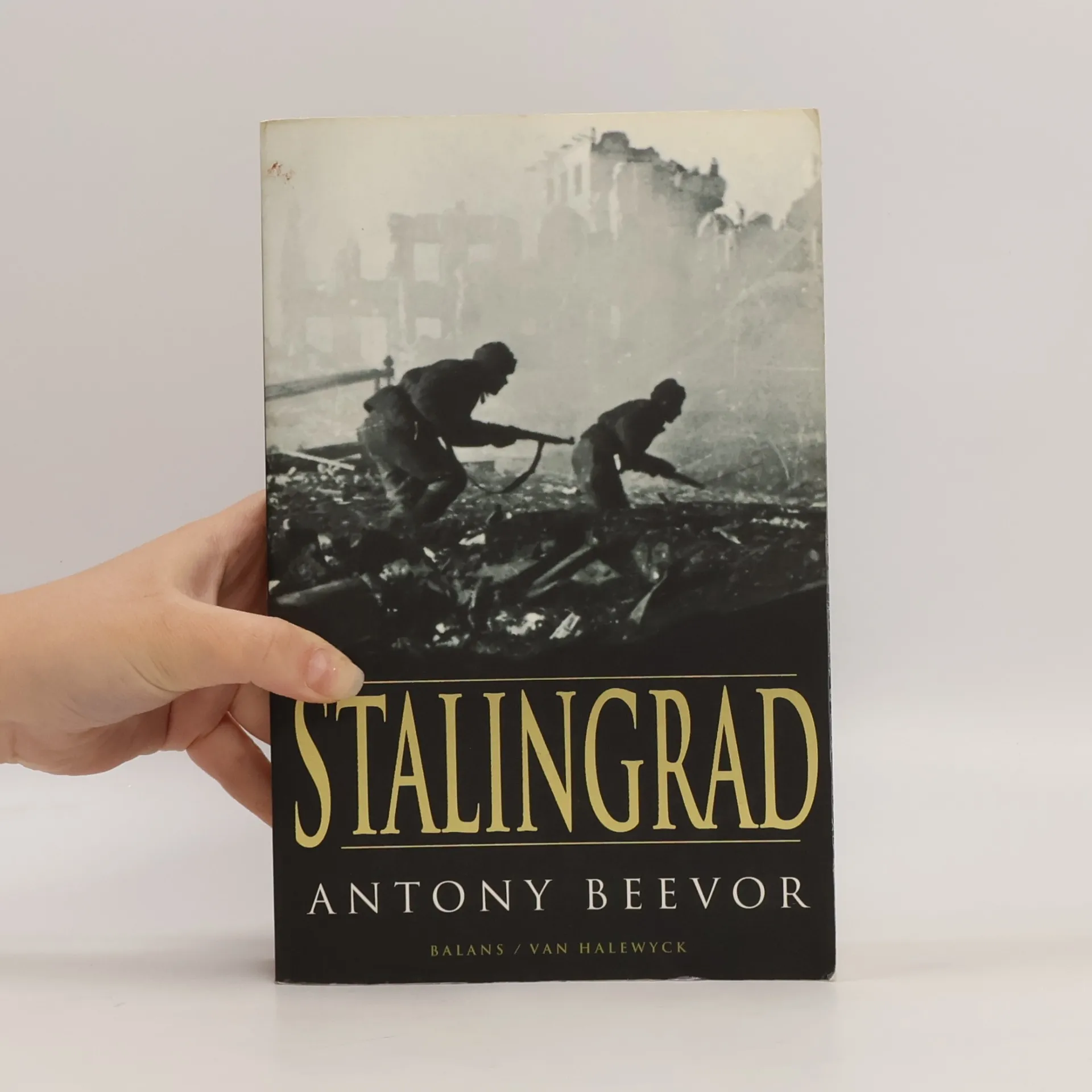
Stalingrad doet niet alleen verslag van een oorlogsstrategie, maar laat vooralde persoonlijke stemmen klinkn van Russische en duitse soldaten en van gewon mnnen, vrouwen en kinderen in hun uiterste krachtmetingen met oorlog, honger n kou
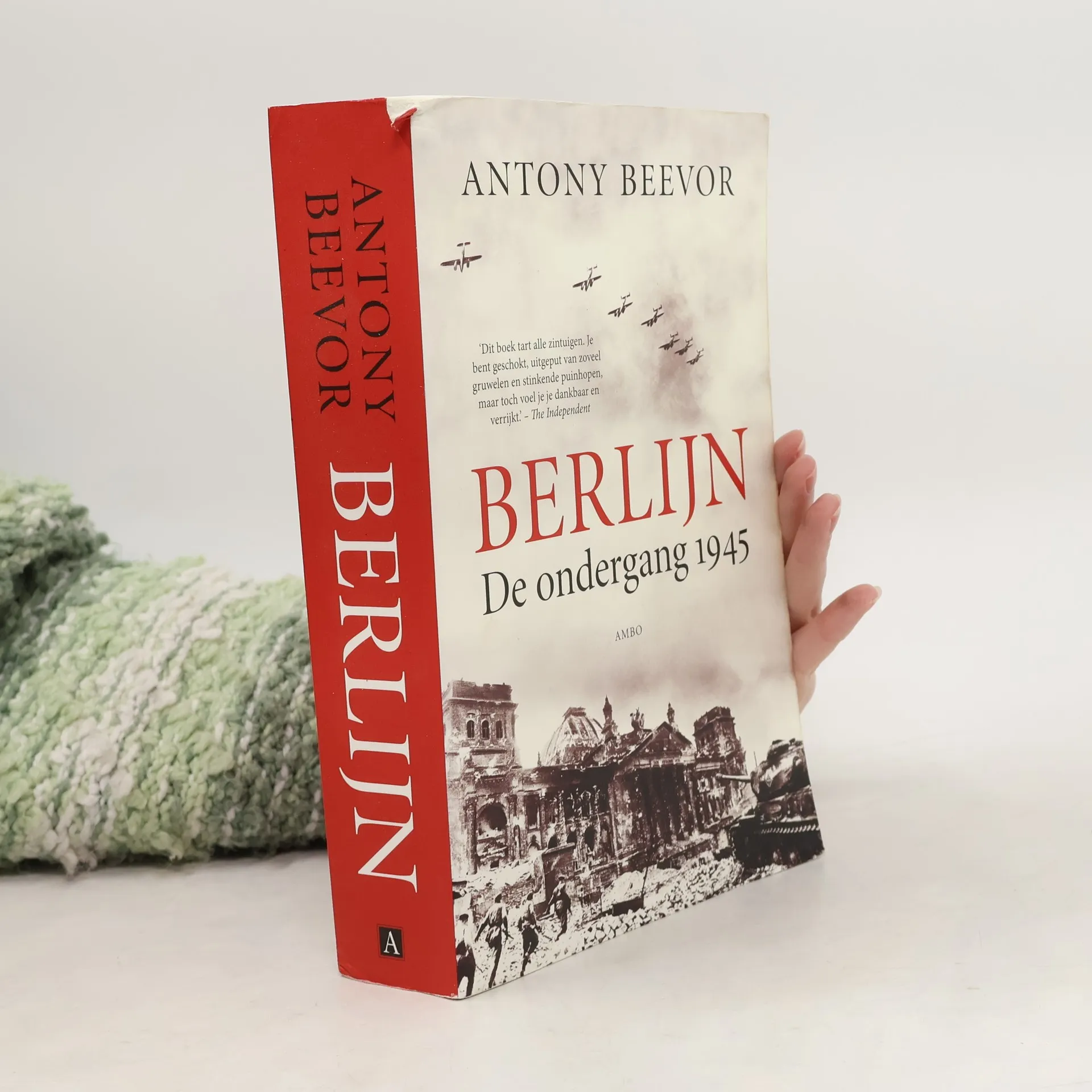
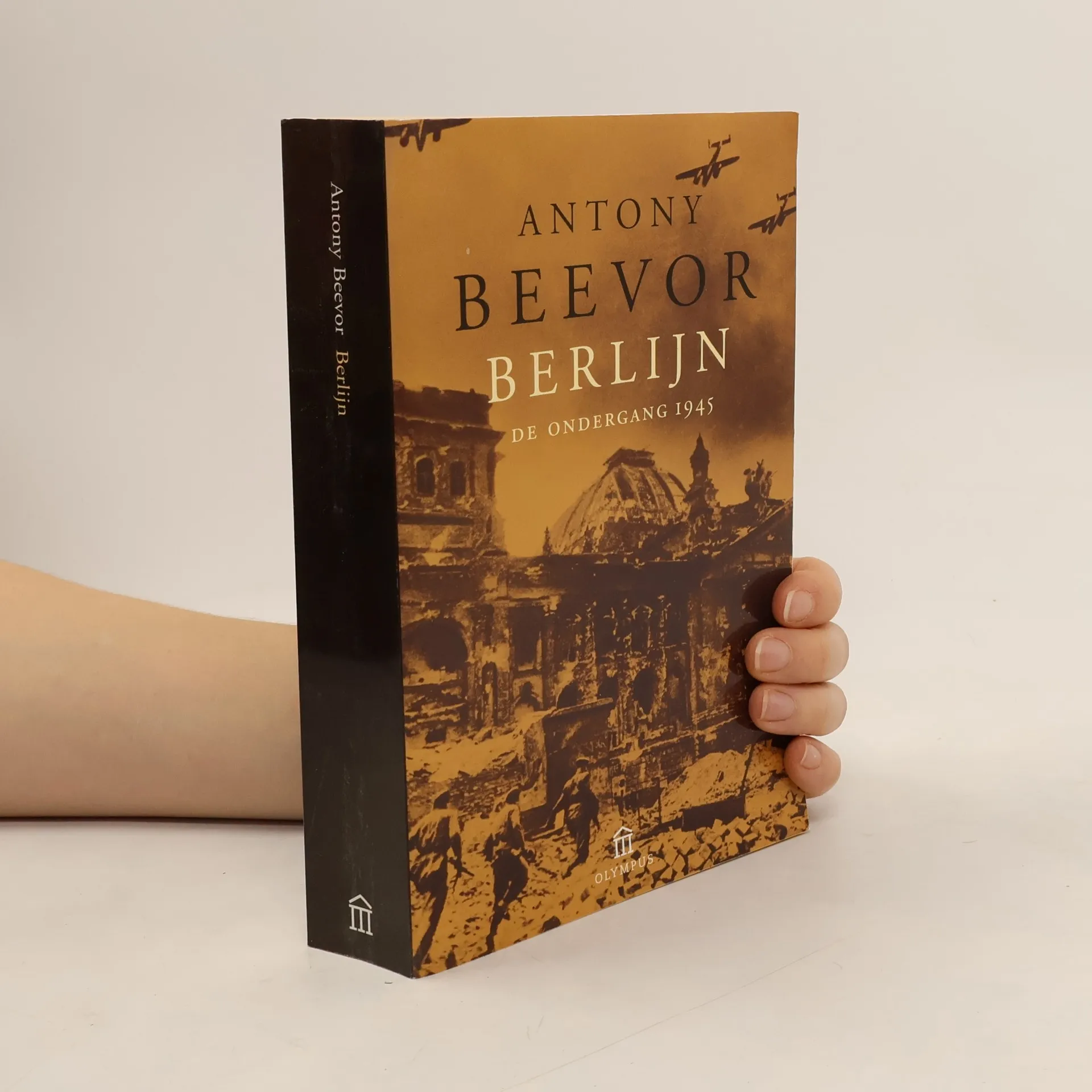
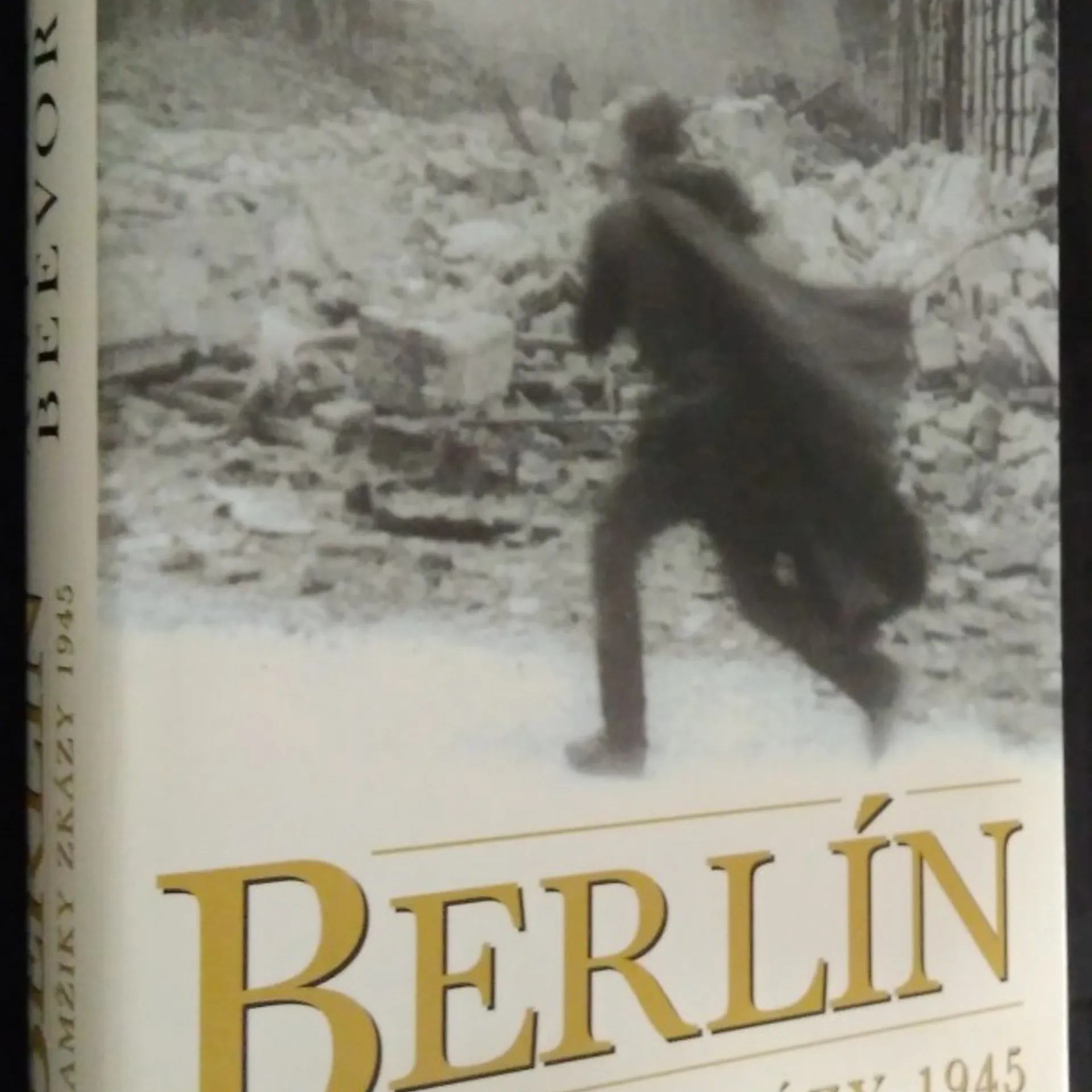
The Red Army had much to avenge when it finally reached the frontiers of the Reich in January 1945. Political instructors rammed home the message of Wehrmacht and SS brutality. The result was the most terrifying example of fire and sword ever known, with tanks crushing refugee columns under their tracks, mass rape, pillage and destruction. Hundreds of thousands of women and children froze to death or were massacred because Nazi Party chiefs, refusing to face defeat, had forbidden the evacuation of civilians. Over seven million fled westwards from the terror of the Red Army. Antony Beevor reconstructs the experiences of those millions caught up in the nightmare of the Third Reich's final collapse, telling a terrible story of pride, stupidity, fanaticism, revenge and savagery, but also one of astonishing endurance, self-sacrifice and survival against all odds.
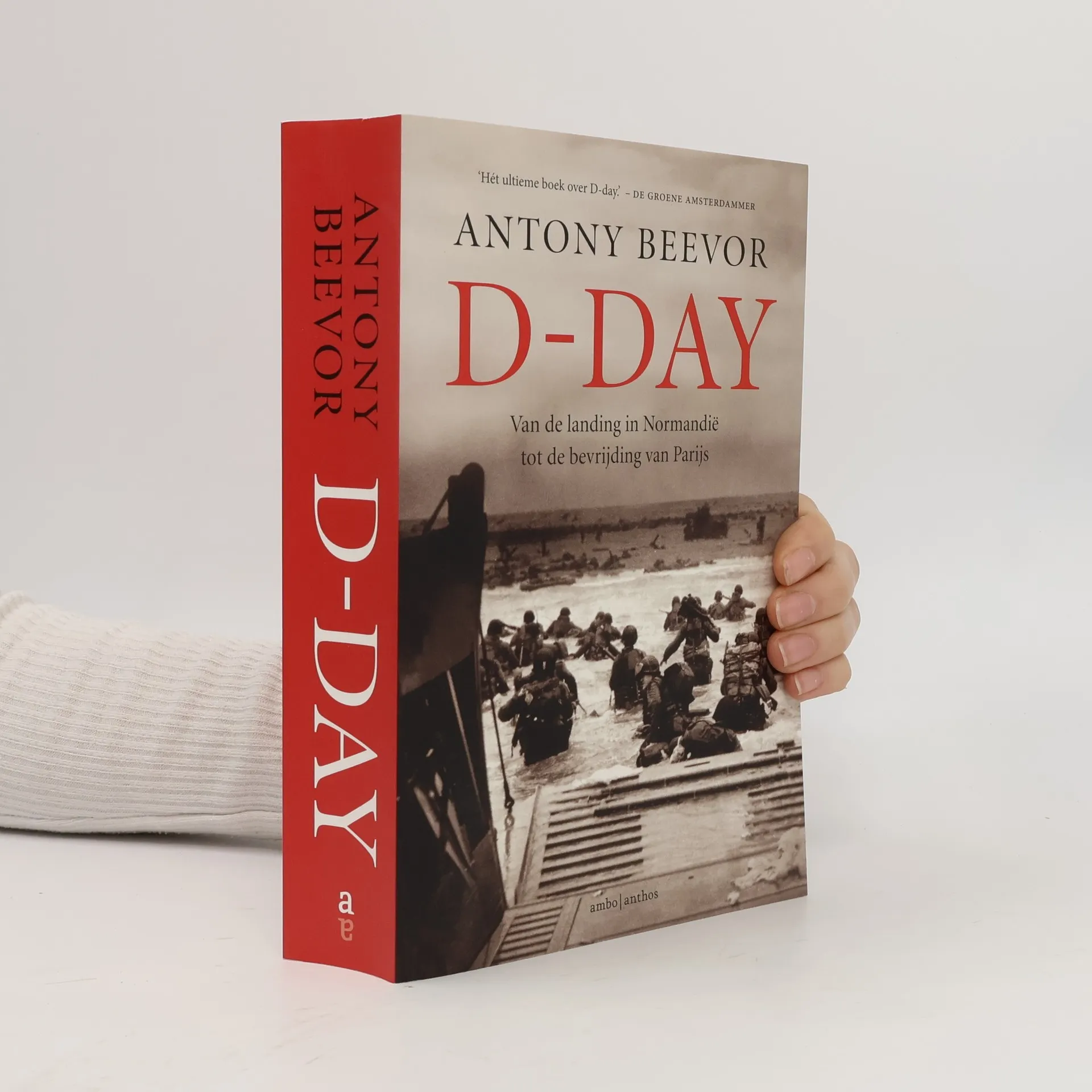
Van de landing in Normandië tot de bevrijding van Parijs - druk 13
536bladzijden
19 uur lezen
Even Stalin was awed by D-Day, declaring it an unparalleled military undertaking. Those who participated in the massive cross-Channel invasion, the largest in history, would forever remember the sight. The meticulous planning was unprecedented, and while the beachheads were established, the subsequent battles proved far more challenging than anticipated. The dense hedgerows of Normandy favored the defenders, and the German forces, particularly the Waffen-SS, fought with cunning and fierce determination. As British, Canadian, and American troops advanced inland, they faced brutal combat reminiscent of the Eastern Front. Casualties rose, and tensions escalated among commanders on both sides. French civilians, caught in the crossfire or subjected to Allied bombings, suffered greatly. The aftermath of Liberation brought both joy and sorrow, shaping not only a generation but also post-war relations between America and Europe. Utilizing overlooked and new material from over thirty archives across multiple countries, this account of the Normandy battle is vivid and well-researched. Antony Beevor's gripping narrative captures the true experience of war, much like his previous works on Stalingrad and Berlin.
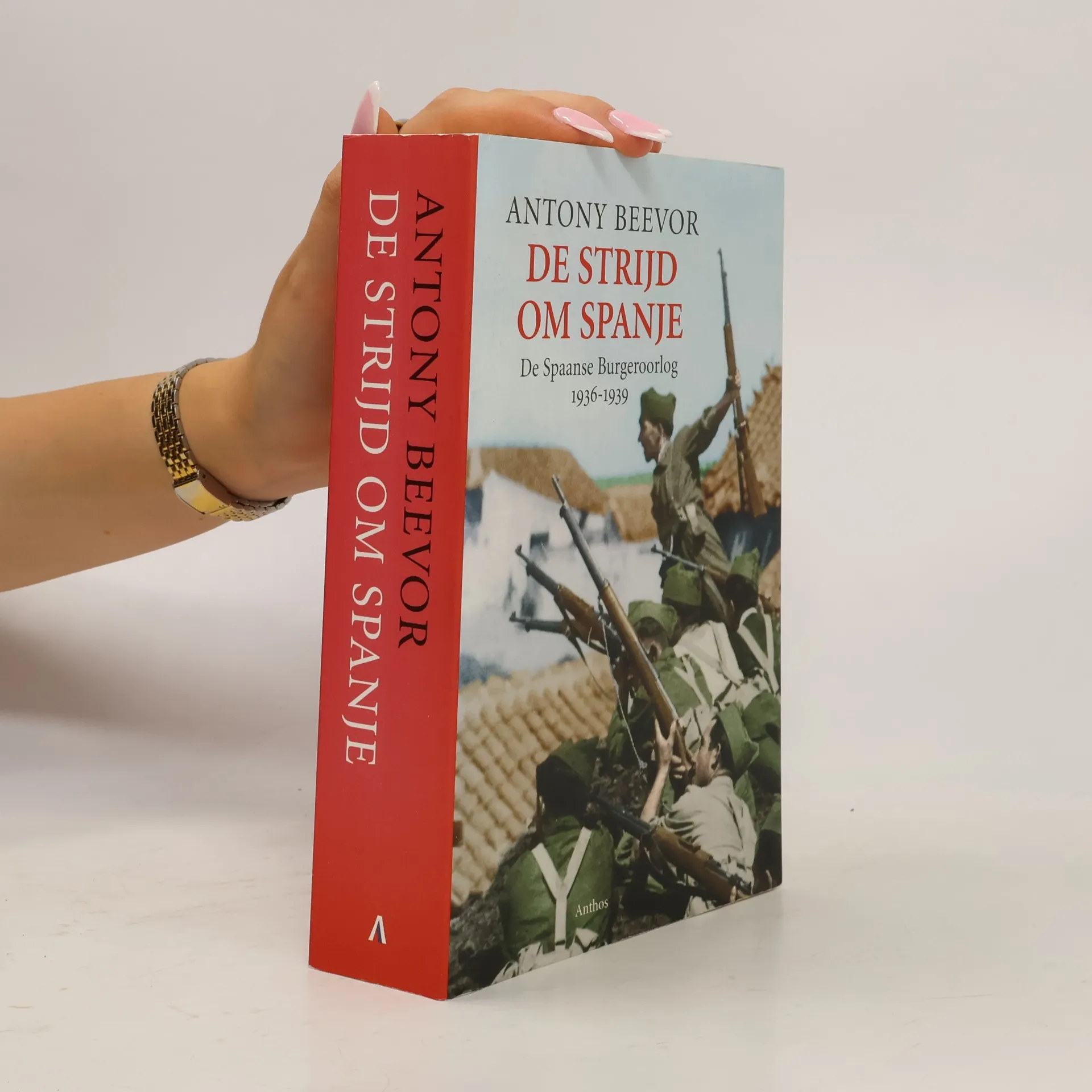
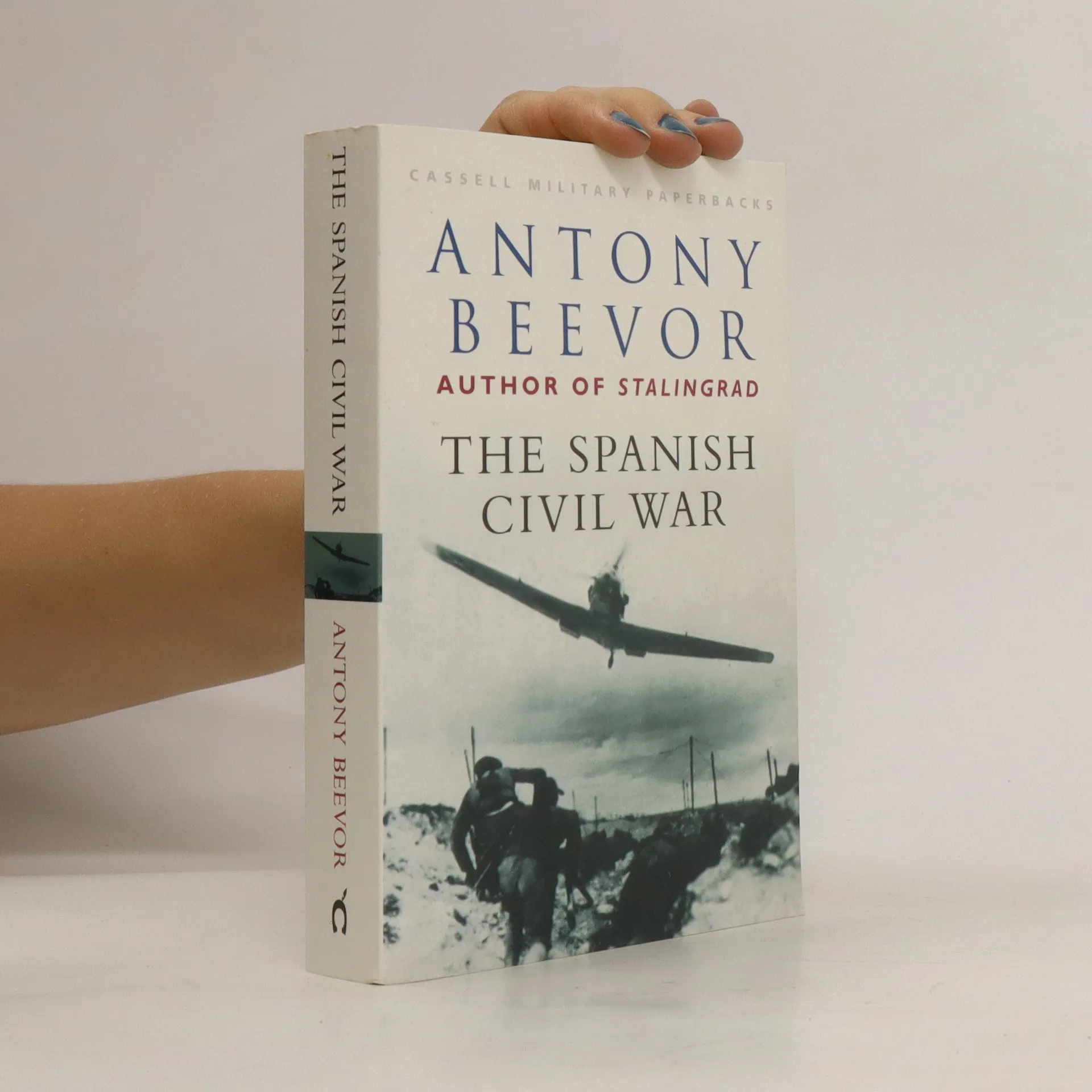
De Spaanse Burgeroorlog was een van de bitterste conflicten van de twintigste eeuw. Van over de hele wereld kwamen socialisten om tegen Franco te vechten. Voor de Russen, de Italianen en de Duitsers bleek de strijd in Spanje een voorbode te zijn van wat zich in de Tweede Wereldoorlog zou afspelen. Op basis van een grote hoeveelheid nieuw archiefmateriaal dat de laatste decennia toegankelijk is geworden - waaronder informatie uit Spaanse, Duitse en Russische archieven - heeft Anthony Beevor een nieuwe geschiedenis van de Burgeroorlog geschreven. De strijd om Spanje is daarmee een standaardwerk geworden, dat meer up-to-date is dan alle bestaande overzichten.
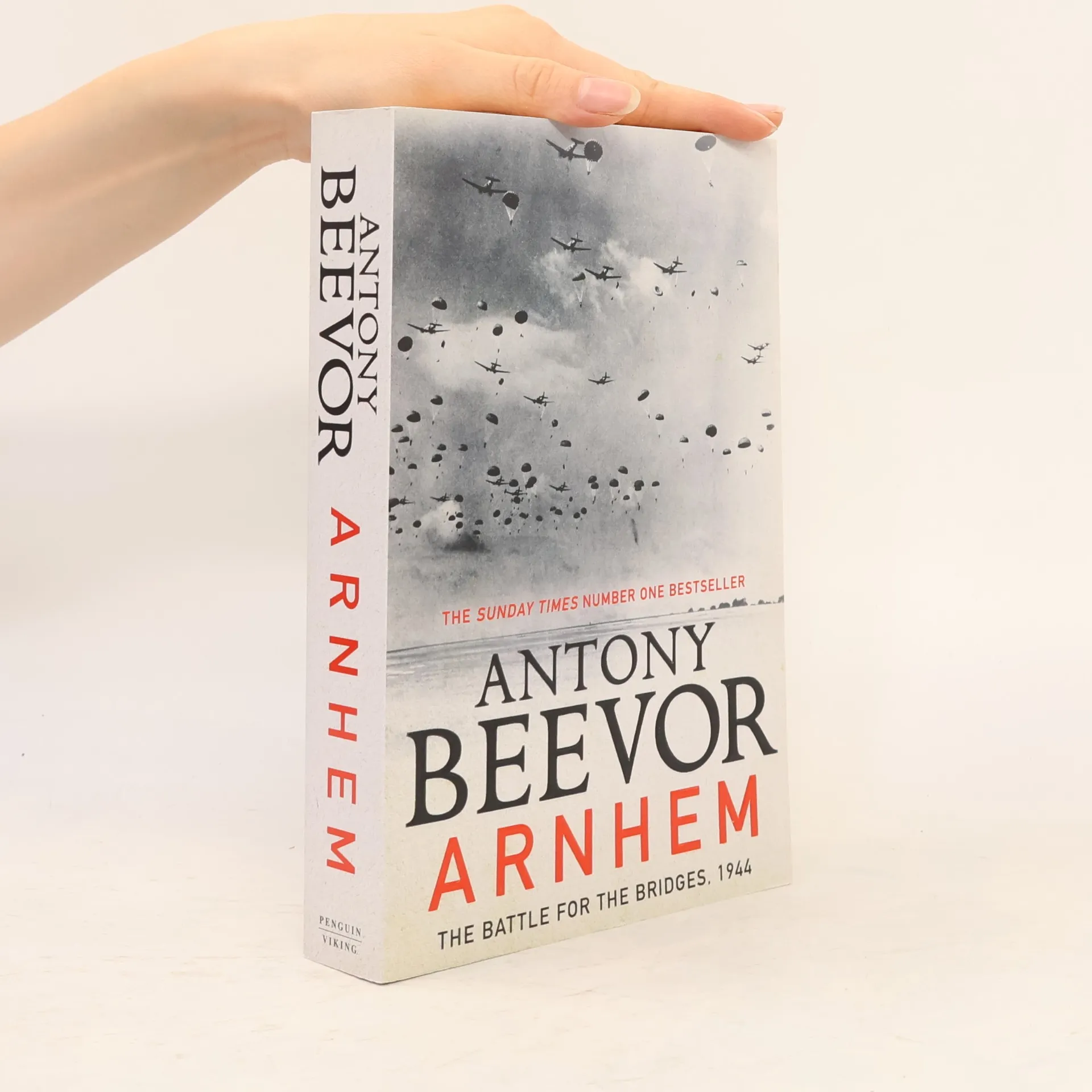
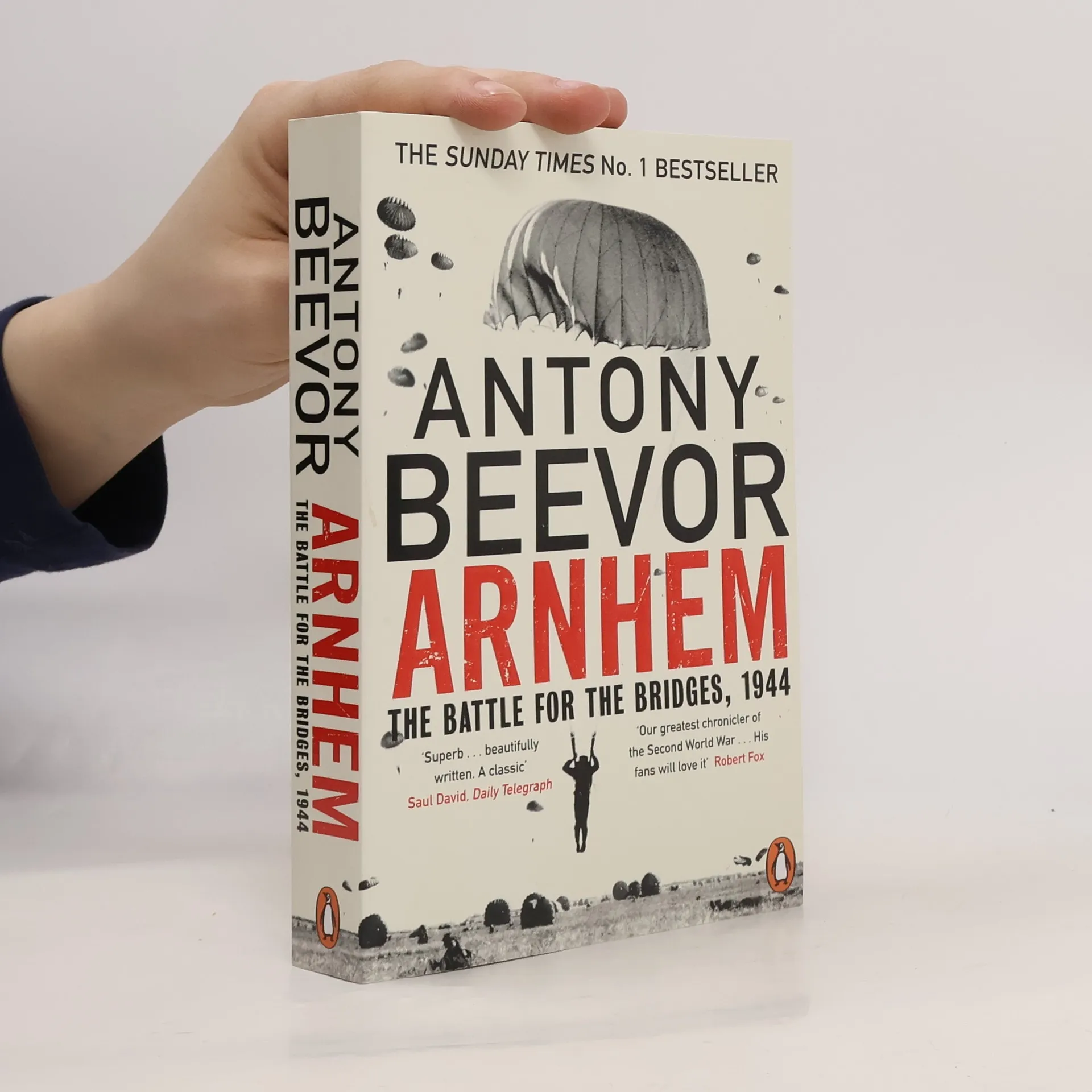
In September 1944, having sped through France and Belgium, Montgomery sought to race into Germany and to end the war by Christmas. It wasn't, of course, that simple. Operation Market Garden would drop Allied troops into The Netherlands, held by Nazi Germany, to secure key bridges across the Rhine along the path of advance. But it was folly - in the Dutch staff college exams, any candidate who adopted this plan had been failed on the spot. Indeed, the campaign ended in a glorious defeat, and half of the 12,000 Allied troops taken prisoner. With his typical authority and skill in bringing a campaign to life, Britain's bestselling historian creates a gripping, vivid narrative that shows why the battle was fought, and lost. With masterful command of material from a vast range of sources, he also paints the human side of war, and its heroes and villains - "more like a prosperous dentist than the head of the Waffen-SS" - and moments of glory and humour too. This is classic Antony Beevor - on an iconic campaign.
Operation Market Garden, the plan in 1944 to end the war by capturing the bridges leading to the Lower Rhine and beyond, was a bold concept- the Americans thought it unusually bold for Field Marshal Montgomery. It was the greatest demonstration of paratroop power ever seen - but the cost of failure was horrendous, above all for the Dutch who risked everything to help. German reprisals were cruel and lasted until the end of the war. The British fascination for heroic failure has clouded the story of Arnhem in myths, not least that victory was even possible. Antony Beevor, using many overlooked and new sources from Dutch, British, American, Polish and German archives, has reconstructed the terrible reality of this epic clash. Yet this book, written in Beevor's inimitable and gripping narrative style, is about much more than a single dramatic battle. It looks into the very heart of war.
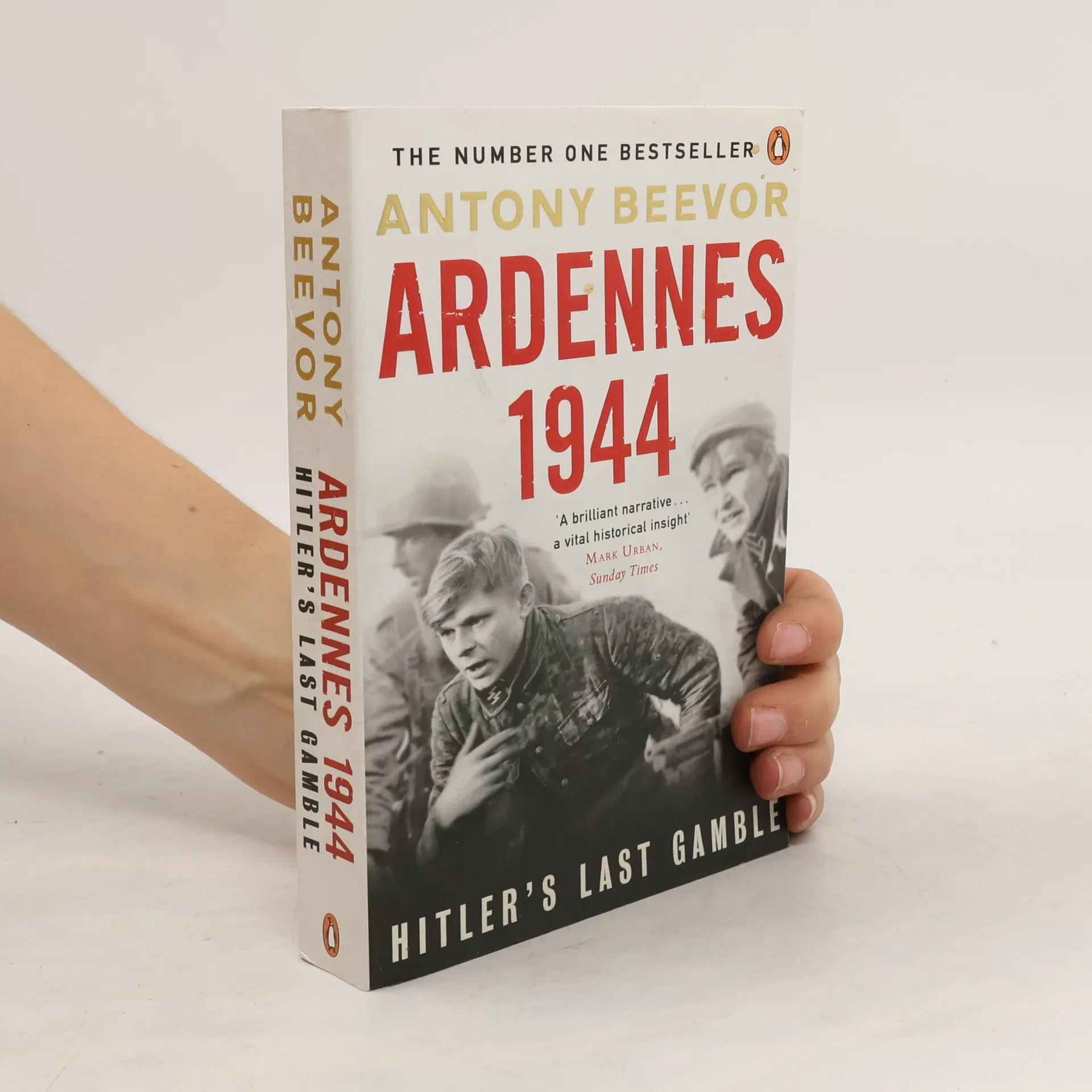
This is from the bestselling author of Stalingrad, Berlin and D-Day, Antony Beevor's Ardennes 1944: Hitler's Last Gamble tells the story of the German's ill-fated final stand. On 16 December, 1944, Hitler launched his 'last gamble' in the snow-covered forests and gorges of the Ardennes. He believed he could split the Allies by driving all the way to Antwerp, then force the Canadians and the British out of the war. Although his generals were doubtful of success, younger officers and NCOs were desperate to believe that their homes and families could be saved from the vengeful Red Army approaching from the east. Many were exultant at the prospect of striking back. The Ardennes offensive, with more than a million men involved, became the greatest battle of the war in western Europe. American troops, taken by surprise, found themselves fighting two panzer armies. Belgian civilians fled, justifiably afraid of German revenge. Panic spread even to Paris. While many American soldiers fled or surrendered, others held on heroically, creating breakwaters which slowed the German advance. The harsh winter conditions and the savagery of the battle became comparable to the eastern front. And after massacres by the Waffen-SS, even American generals approved when their men shot down surrendering Germans. The Ardennes was the battle which finally broke the back of the Wehrmacht
Best-selling author of Stalingrad. A comprehensive history of one of the most fiercely fought ideological wars of modern times. Now in new, updated and corrected edition.
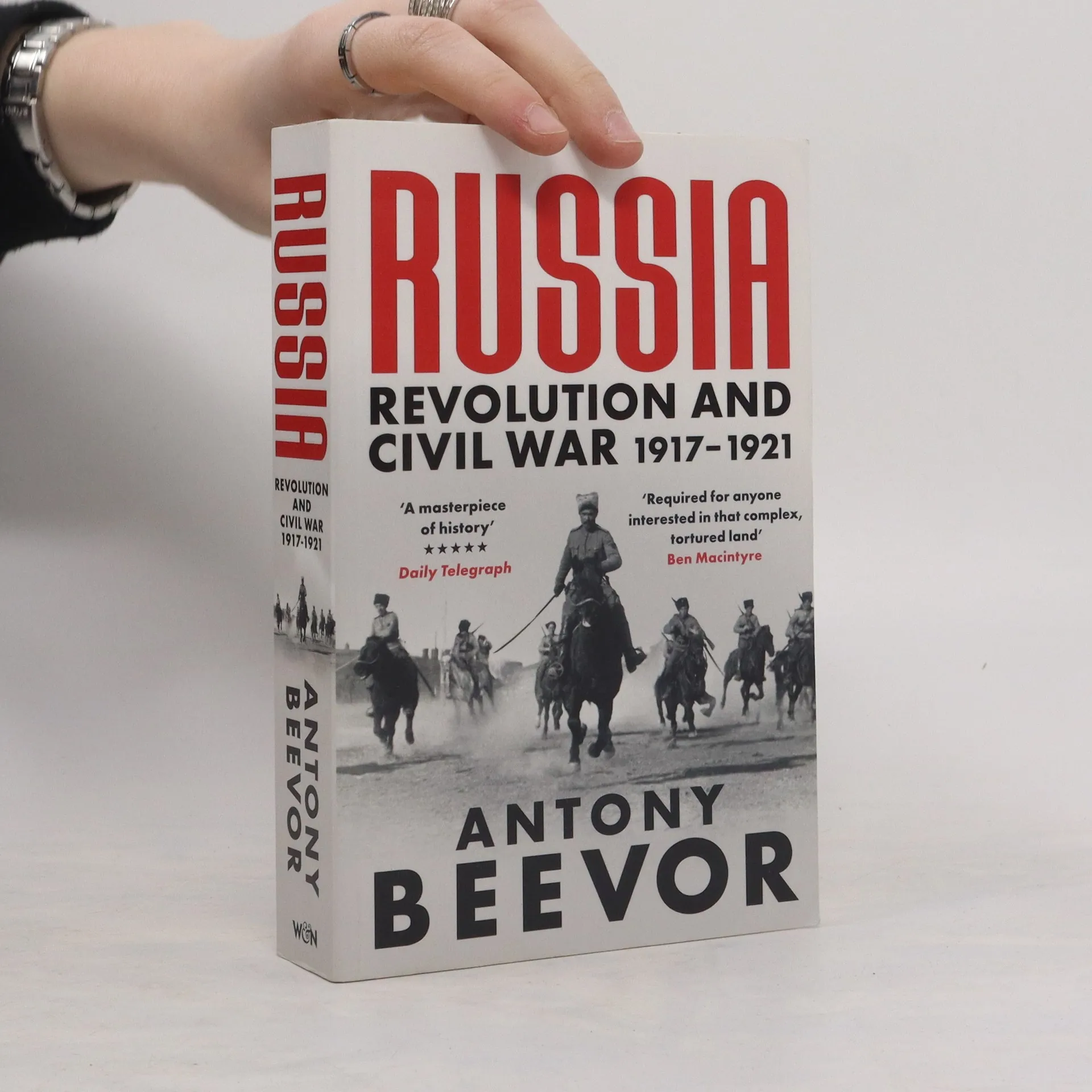
'A masterpiece of history' DAILY TELEGRAPH Between 1917 and 1921 a devastating struggle took place in Russia following the collapse of the Tsarist empire. Many regard this savage civil war as the most influential event of the modern era. An incompatible White alliance of moderate socialists and reactionary monarchists stood little chance against Trotsky's Red Army and Lenin's single-minded Communist dictatorship. Terror begat terror, which in turn led to even greater cruelty with man's inhumanity to man, woman and child. The struggle became a world war by proxy as Churchill deployed weaponry and troops from the British empire, while armed forces from the United States, France, Italy, Japan, Poland and Czechoslovakia played rival parts. Using the most up to date scholarship and archival research, Antony Beevor, author of the acclaimed international bestseller Stalingrad, assembles the complete picture in a gripping narrative that conveys the conflict through the eyes of everyone from the worker on the streets of Petrograd to the cavalry officer on the battlefield and the woman doctor in an improvised hospital.
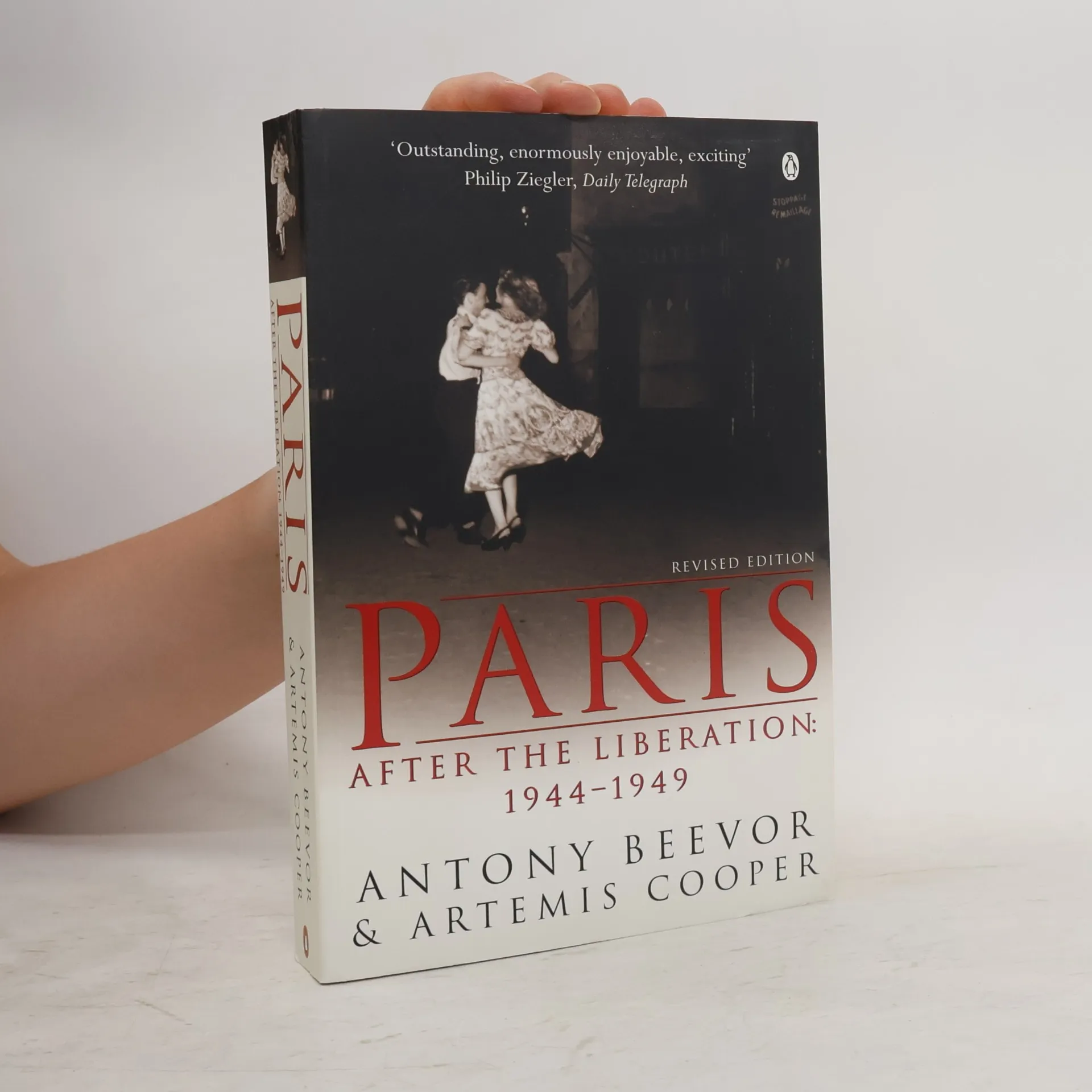
In this brilliant synthesis of social, political, and cultural history, Antony Beevor and Artemis Cooper present a vivid and compelling portrayal of the City of Lights after its liberation. Paris became the diplomatic battleground in the opening stages of the Cold War. Against this volatile political backdrop, every aspect of life is portrayed: scores were settled in a rough and uneven justice, black marketers grew rich on the misery of the population, and a growing number of intellectual luminaries and artists including Hemingway, Beckett, Camus, Sartre, de Beauvoir, Cocteau, and Picassocontributed new ideas and a renewed vitality to this extraordinary moment in time.
Bruno Courrèges mag dan wel commissaris van de politie zijn, eigenlijk heeft hij niet veel te doen in het kleine toeristische plaatsje St. Denis. Hij heeft een dienstwapen, maar dat draagt hij nooit. Hij heeft het recht mensen te arresteren, maar dat is in zijn loopbaan slechts één keer voorgekomen. Bruno houdt zich voornamelijk bezig met St. Denis te behoeden voor invloeden van buitenaf: de bemoeienissen van de Europese Commissie en de nationale politiek. Maar op bevrijdingsdag vindt er een vreselijke misdaad plaats. De grootvader van een Noord-Afrikaanse familie wordt dood aangetroffen. Iedereen denkt dat het een racistische moord is. Maar Bruno is niet overtuigd en stelt een grondig onderzoek in, dat de verhoudingen binnen het dorp ernstig zal verstoren.
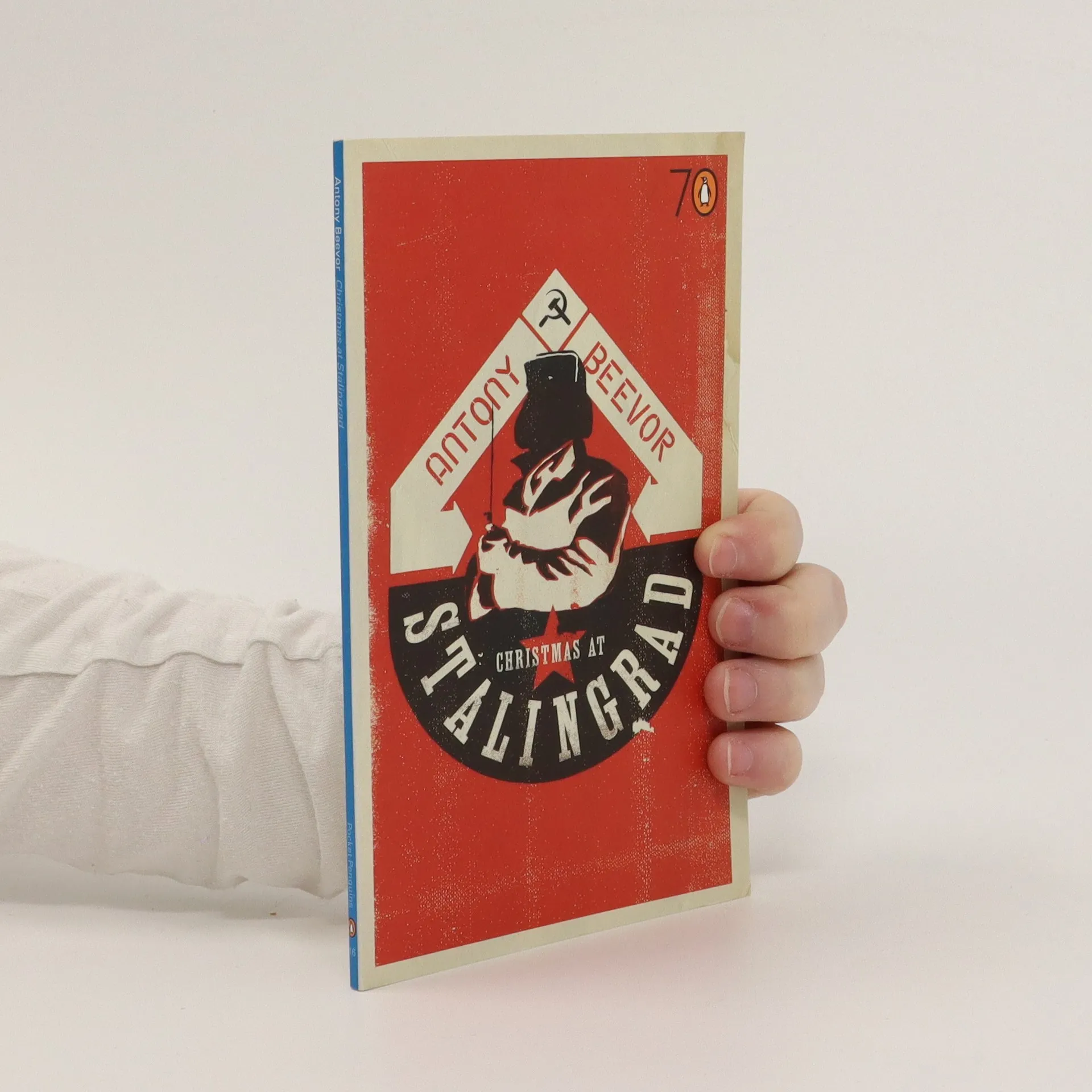
Antony Beevor's Stalingrad, published by Penguin in 1998, was a worldwide bestseller, telling one of the most harrowing stories of the Second World War and reminding everybody of the power of narrative history in the hands of an expert storyteller. In this extract Beevor takes us back to December 1942 when the German 6th Army was surrounded by the Russians and facing annihilation. Only thoughts of Christmas kept German soldiers' hopes alive.
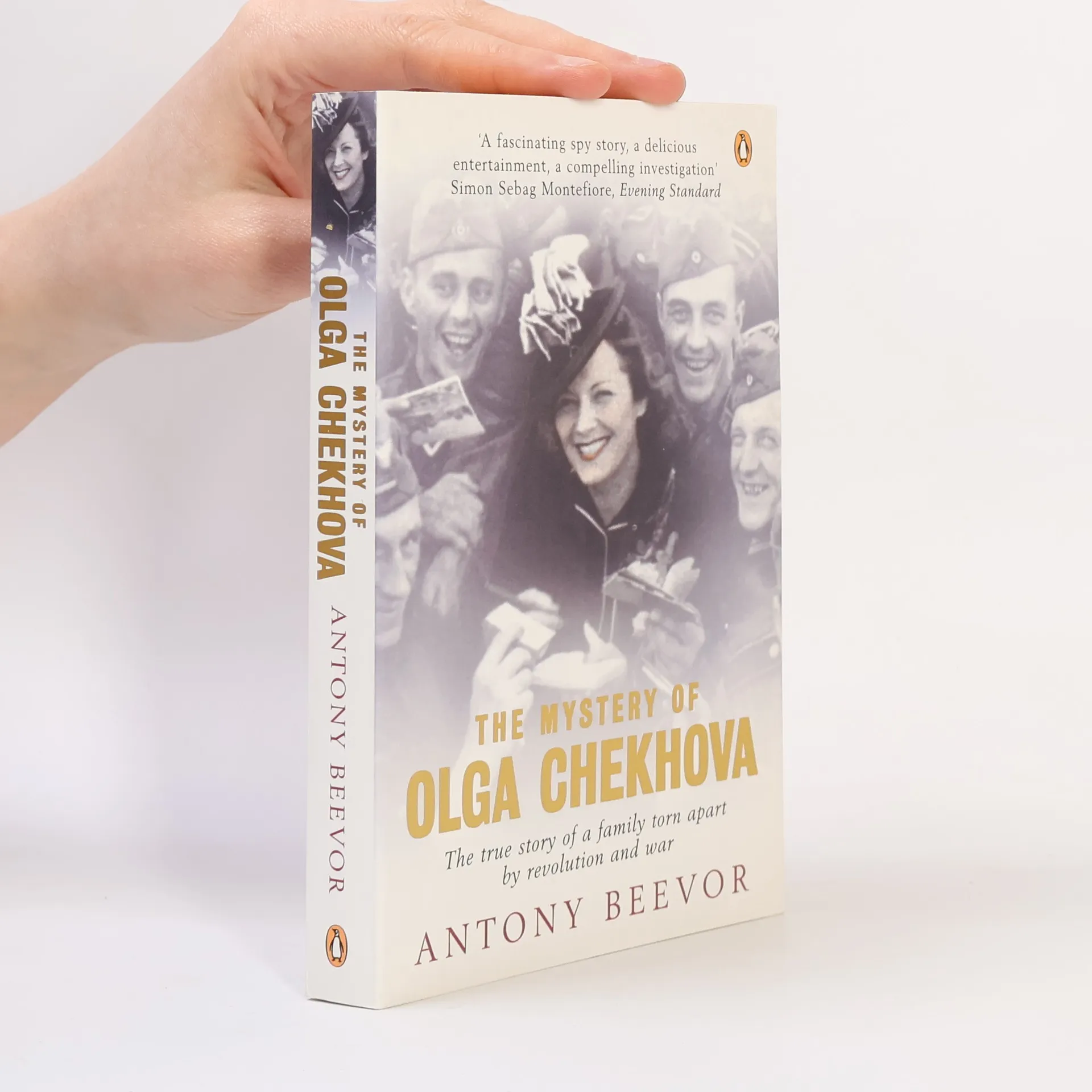
Olga Chekhova was a stunning Russian beauty and a famous Nazi-era film actress
who Hitler counted among his friends; she was also the niece of Anton Chekhov.
After fleeing Bolshevik Moscow for Berlin in 1920, she was recruited by her
composer brother Lev, to work for Soviet intelligence. In return, her family
were allowed to join her.
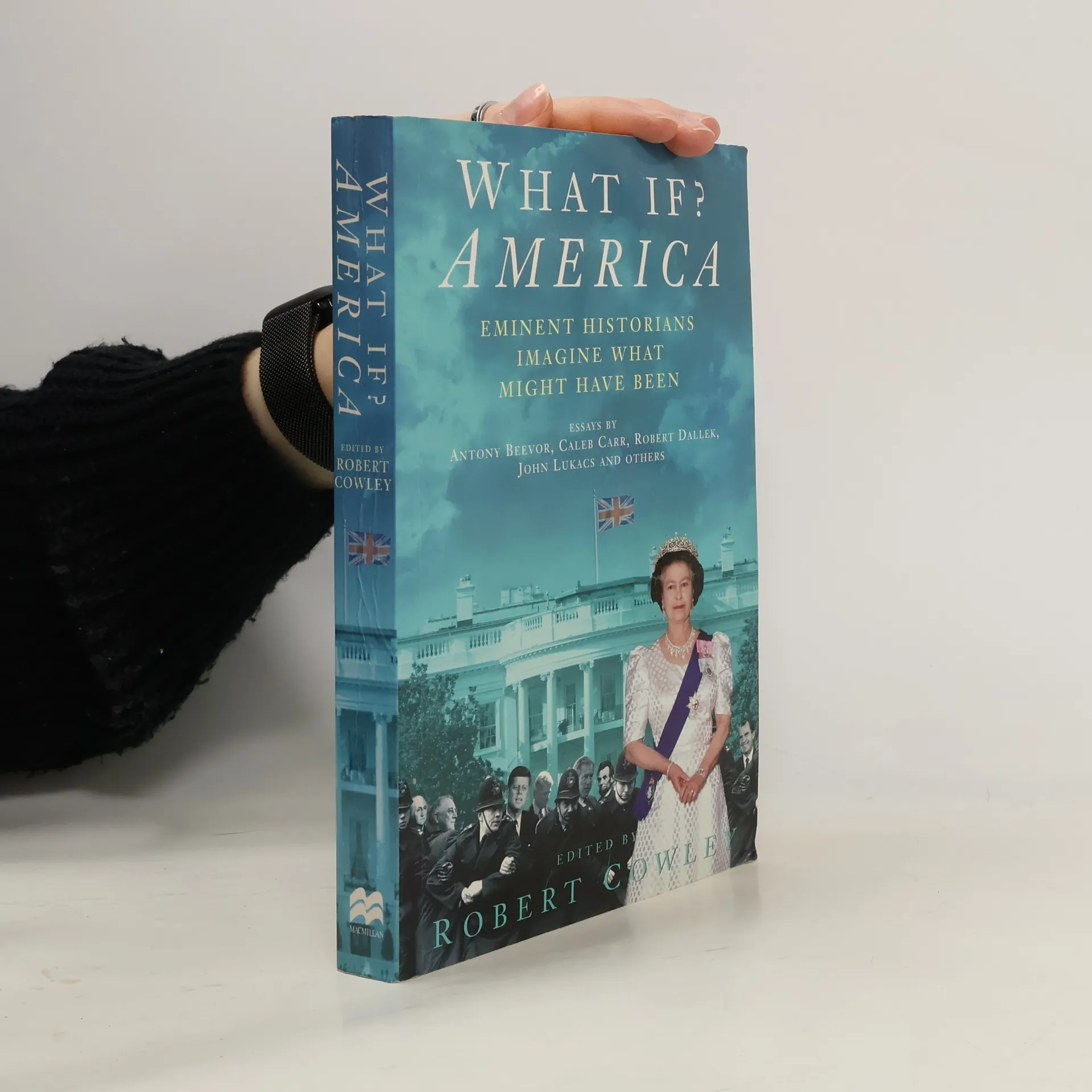
In this new collection of essays, some of the world's most important historians speculate about some of America's most intriguing crossroads. Spanning the years from independence to Watergate, What If? America poses some irresistible questions and provides some brilliant answers. Among these, Antony Beevor entertains the possibility of Eisenhower's capture of Berlin before the Soviets' arrival in 1945; Caleb Carr asks what if there had been no American Revolution; and Robert Dallek explores one of the most agonizing American 'what if's' of all: what would have happened if JFK hadn't been assassinated. Engaging, thought-provoking, and convincingly argued, these essays shed new light on the most powerful nation in the world and are indispensable for anyone remotely interested in how the world became what it is today.
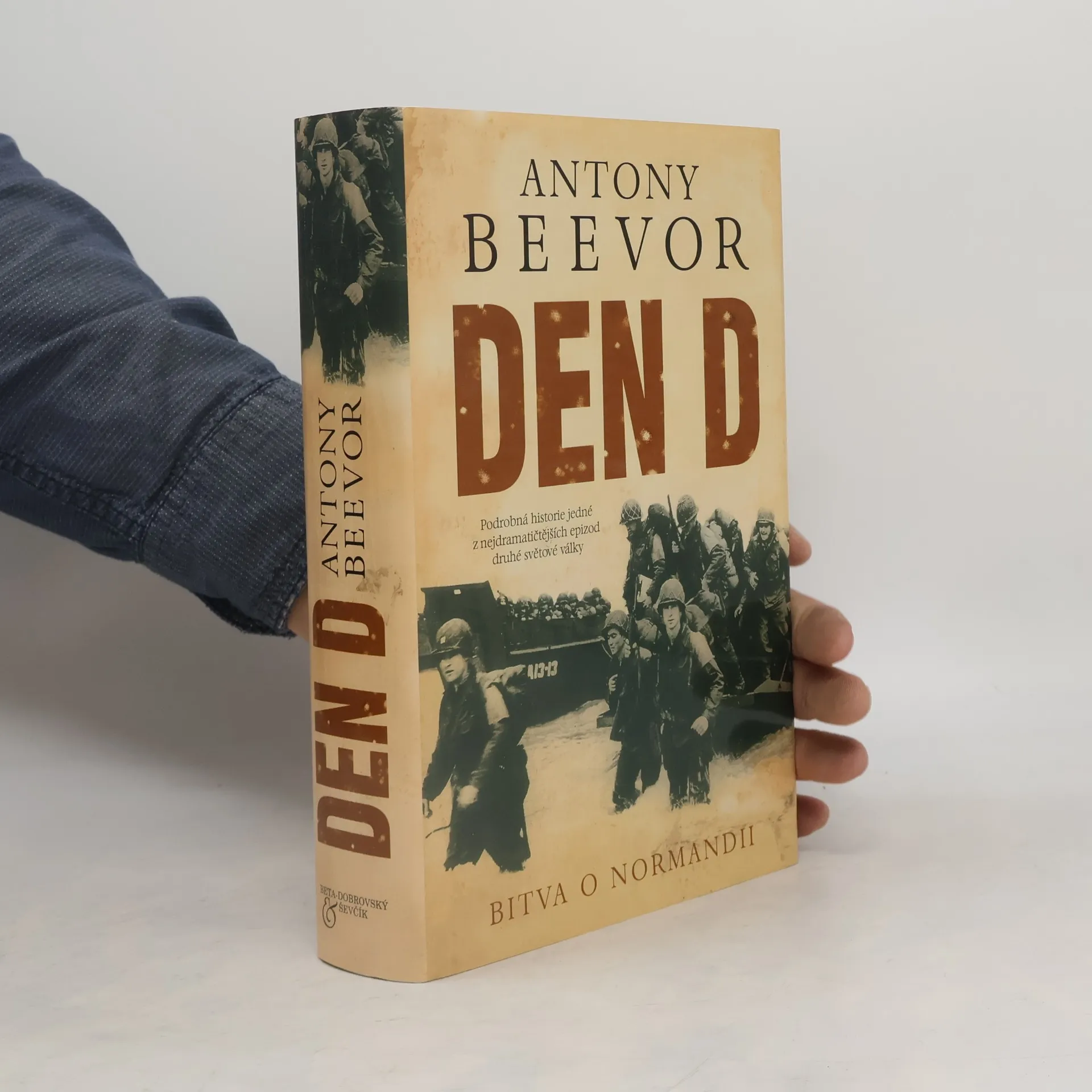
Velkolepost Dne D ohromila i samotného Stalina. „V dějinách válek dosud nikdo nic takového nevykonal,“ napsal Churchillovi. Účastníci velké invaze přes Kanál – vojáci, námořníci nebo letci – na ten pohled nikdy nezapomněli. Stejně jako němečtí obránci, kteří se o útoku na Normandii
dozvěděli až v poslední chvíli. Na francouzských plážích se vylodila největší invazní flotila všech dob.
Nevídaný byl nejen rozsah této akce, ale i její nesmírně podrobná příprava. Přestože se podařilo podle plánu ustavit
předmostí, záhy se ukázalo, že další fáze bitvy budou mnohem náročnější, než si kdokoli uměl představit. Hustá spleť živých plotů v Normandii dokonale sloužila bránícím se Němcům a zejména divize zbraní SS bojovaly velmi obratně
a se zoufalým odhodláním. Stejně jako ve svých dalších knihách Stalingrad a Berlín – Okamžiky zkázy nabízí britský historik strhující vyprávění.
Madrid. 23 cm. 479 p. il. col. y n., mapas. Encuadernación en tapa dura de editorial ilustrada. Colección 'Historia de España', numero coleccion(18). Charles S. sic Esdaile, Antony Beevor. Bibliografí p. 474-479. 1902-1931 (Alfonso XIII). 1931-1939 (II República). Beevor, Antony. 1946-. Historia de España (Diario El País). 18 .. Este libro es de segunda mano y tiene o puede tener marcas y señales de su anterior propietario. 9788498157628
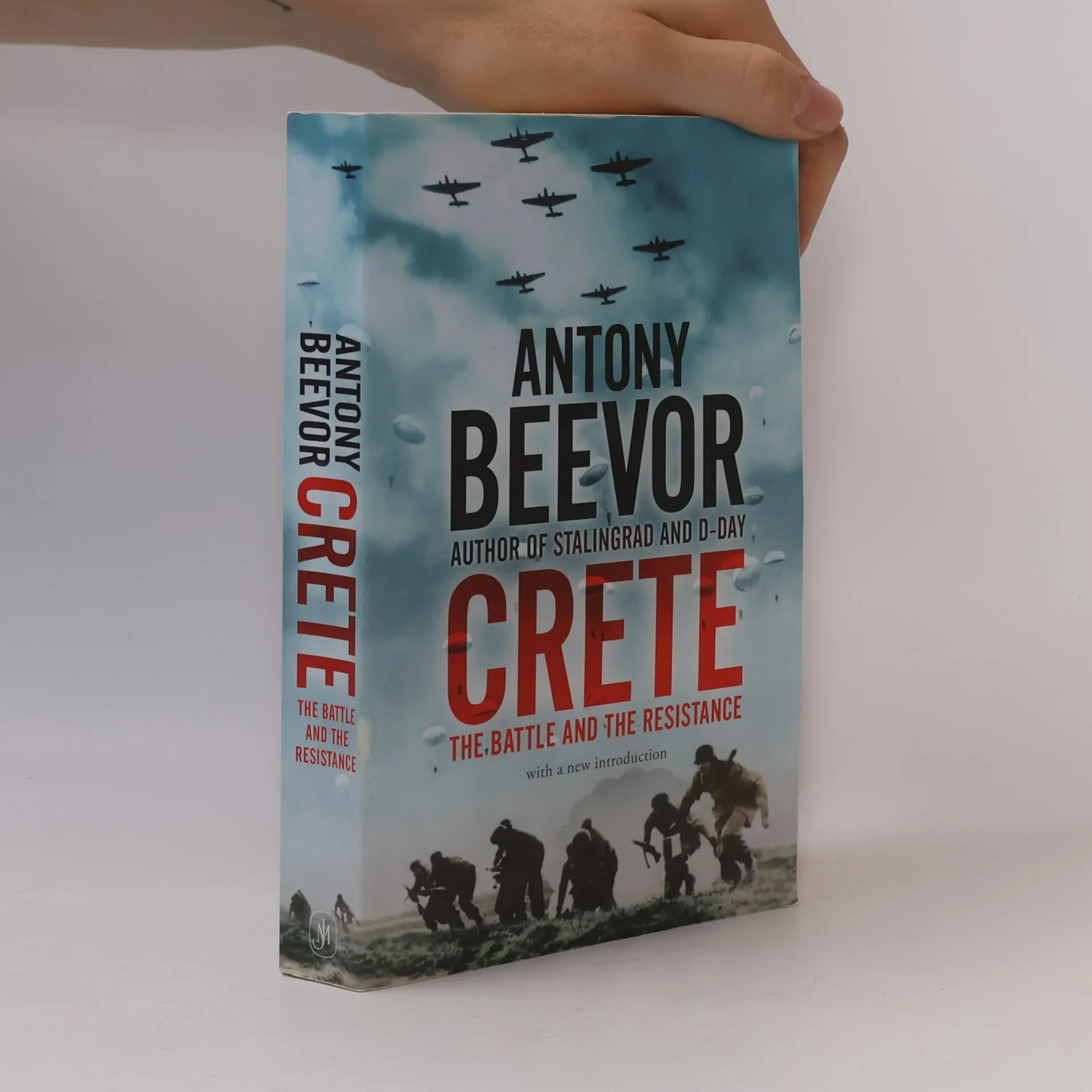
Największa i najbardziej krwawa bitwa niemieckich spadochroniarzy! Tragedia
ludności cywilnej na miarę Powstania Warszawskiego. Kiedy siedemdziesiąt lat
temu - 20 maja 1941 roku - na Krecie lądowało dwadzieścia pięć tysięcy
niemieckich spadochroniarzy ich dowódcy miel pełne prawo oczekiwać łatwego
zwycięstwa. Równie pewni sukcesu byli brytyjscy obrońcy wyspy. Uprzedzeni
przez doskonale działający wywiad radiowy szykowali na Niemców pułapkę. Jednak
już w pierwszych godzinach zaciekłej walki plany jednych i drugich wzięły w
łeb. Bitwa zmieniła się w krwawą łaźnię, w której czynny udział wzięli także
kreteńscy cywile. Autor bestsellerowych książek Stalingrad, Berlin 1945 i
D-Day Antony Beevor po raz kolejny pozwala swoim czytelnikom poczuć smak
zwycięstwa jednej ze stron i gorycz porażki drugiej. Intensywność kreteńskiego
konfliktu i brutalność niemieckich represji przeplata się w tej książce z
żywymi porterami ekscentrycznych brytyjskich dżentelmenów z SOE, egzotycznym
krajobrazem śródziemnomorskiej wyspy i bohaterstwem jej mieszkańców. Wyjątkowe
dzieło.
6 czerwca 1944 brytyjscy i amerykańscy żołnierze rozpoczęli inwazję na
Normandię.Ten dzień przeszedł do historii jako D-Day. Przeprowadzona na
gigantyczną i bezprecedensową skalę operacja, w której wzięło udział niemal
trzy miliony żołnierzy, stała się początkiem końca III Rzeszy. Antony Beevor –
brytyjski historyk, który zdobył sobie fanów na całym świecie książkami takimi
jak Berlin 1945 czy Walka o Hiszpanię – dotarł do wielu nie znanych wcześniej
materiałów. Autor kreśli fascynujący obrazinwazji, której rozmiary wywołały
podziw Stalina. Dowodzone przez Eisenhowera wojska zaskoczyły Niemców, ale ci
nie kapitulowali – dywizje Wehrmachtu iWaffen-SS podjęły rozpaczliwą próbę
zaciekłej obrony. Efekt brutalnych walk wkrótce dotknął ludność cywilną, a
północna Francja zamieniła się w krwawe piekło. Zwycięstwo okupione zostało
ofiarą tak wielką, że nie pozwalało na beztroską radość i miało wpływ na
późniejsze relacje pomiędzy Europą a Stanami Zjednoczonymi. Beevor przedstawił
te dramatyczne wydarzenia z rozmachem, którego nie powstydziłaby się niejedna
hollywoodzka superprodukcja. W stylu, który czytelnicy znają z jego
Stalingradu, pokazuje prawdziwe doświadczenie wojny.
The Red Army had much to avenge when it finally reached the frontiers of the Reich in January 1945. Political instructors rammed home the message of Wehrmacht and SS brutality. The result was the most terrifying example of fire and sword ever known, with tanks crushing refugee columns under their tracks, mass rape, pillage and destruction. Hundreds of thousands of women and children froze to death or were massacred because Nazi Party chiefs, refusing to face defeat, had forbidden the evacuation of civilians. Over seven million fled westwards from the terror of the Red Army. Antony Beevor reconstructs the experiences of those millions caught up in the nightmare of the Third Reich's final collapse, telling a terrible story of pride, stupidity, fanaticism, revenge and savagery, but also one of astonishing endurance, self-sacrifice and survival against all odds.
Über das Ende des Zarenreichs, russische Geschichte und Verschwörungsmythen
400bladzijden
14 uur lezen
Wie ein sibirischer Bauer das russische Reich zu Fall brachte Antony Beevor, weltweit anerkannter Militärhistoriker und Bestsellerautor, widmet sich einer der rätselhaftesten Figuren der Geschichte: Grigori Rasputin. Basierend auf neu entdeckten Archivquellen der Provisorischen Regierung von 1917 zeichnet Beevor ein scharfes, entmythologisierendes Porträt des sibirischen Wanderpredigers. War er ein heiliger Mystiker oder ein manipulativer Scharlatan? Dieses Buch deckt auf, wie Rasputins Einfluss am Hof von Zar Nikolaus II. und der Zarin Alexandra die russische Monarchie von innen aushöhlte. Beevor zeigt eindrücklich, wie Gerüchte und Fake News mächtiger wurden als die Realität und so den Boden für die Russische Revolution bereiteten. Eine fesselnde historische Biografie, die erschreckende Parallelen zur heutigen Zeit aufzeigt, in der Desinformation wieder als politische Waffe dient. »Eine der großartigsten Geschichten der Geschichte, erzählt von einem unserer größten Historiker.« Simon Sebag Montefiore Antony Beevor ist einer der weltweit erfolgsreichsten Historiker Mit exklusiven Archivfunden, die den Mythos Rasputin neu bewerten Zeigt eindrücklich, wie Desinformation und Verschwörungsmythen politische Systeme destabilisieren können