

Meer over het boek
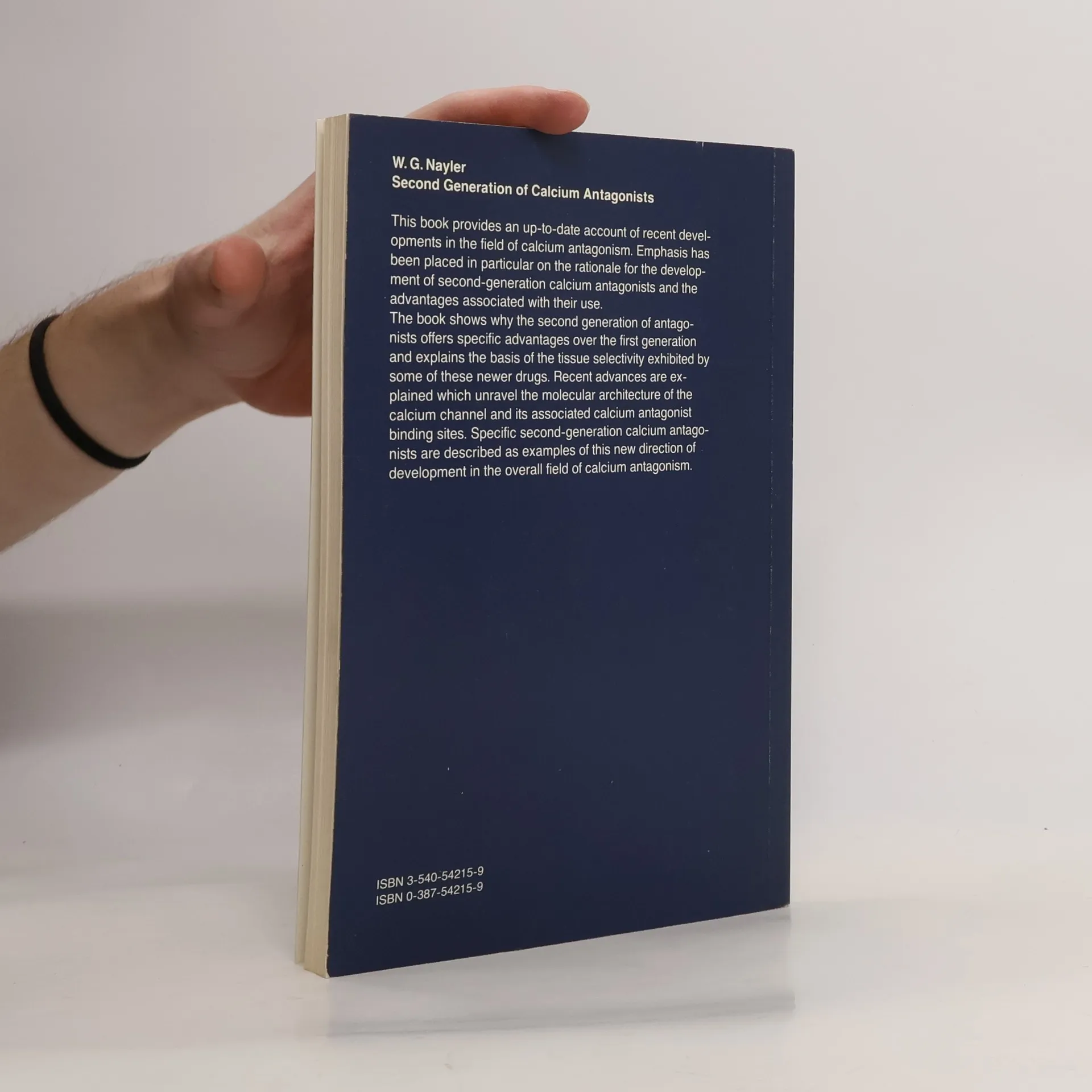
"Another damned, thick, square book! Always scribble, scribble, scribble! Eh! Mr. Gibbon?" From the Literary Memoirs of William, DUKE OF GLOUCESTER, 1743-1805. Writing a foreword is challenging, as it sets the stage for the author's intentions and the rationale behind the inclusion or exclusion of specific topics. While potential readers might question the need for yet another book on calcium antagonists, recent developments in this field justify its publication. Firstly, there is an enhanced understanding of the chemical structure and action of voltage-activated calcium channels and their binding sites. Secondly, there is a refined insight into the appropriate use of calcium antagonists in treating various clinical conditions, such as cerebral ischaemia, atherosclerosis, mild ischaemic heart disease, ventricular hypertrophy, impaired ventricular relaxation, and hypertension. Lastly, the emergence of a second generation of calcium antagonists further supports the need for updated discourse on this subject. These advancements collectively underscore the relevance and necessity of exploring calcium antagonists in contemporary medical literature.

Een boek kopen
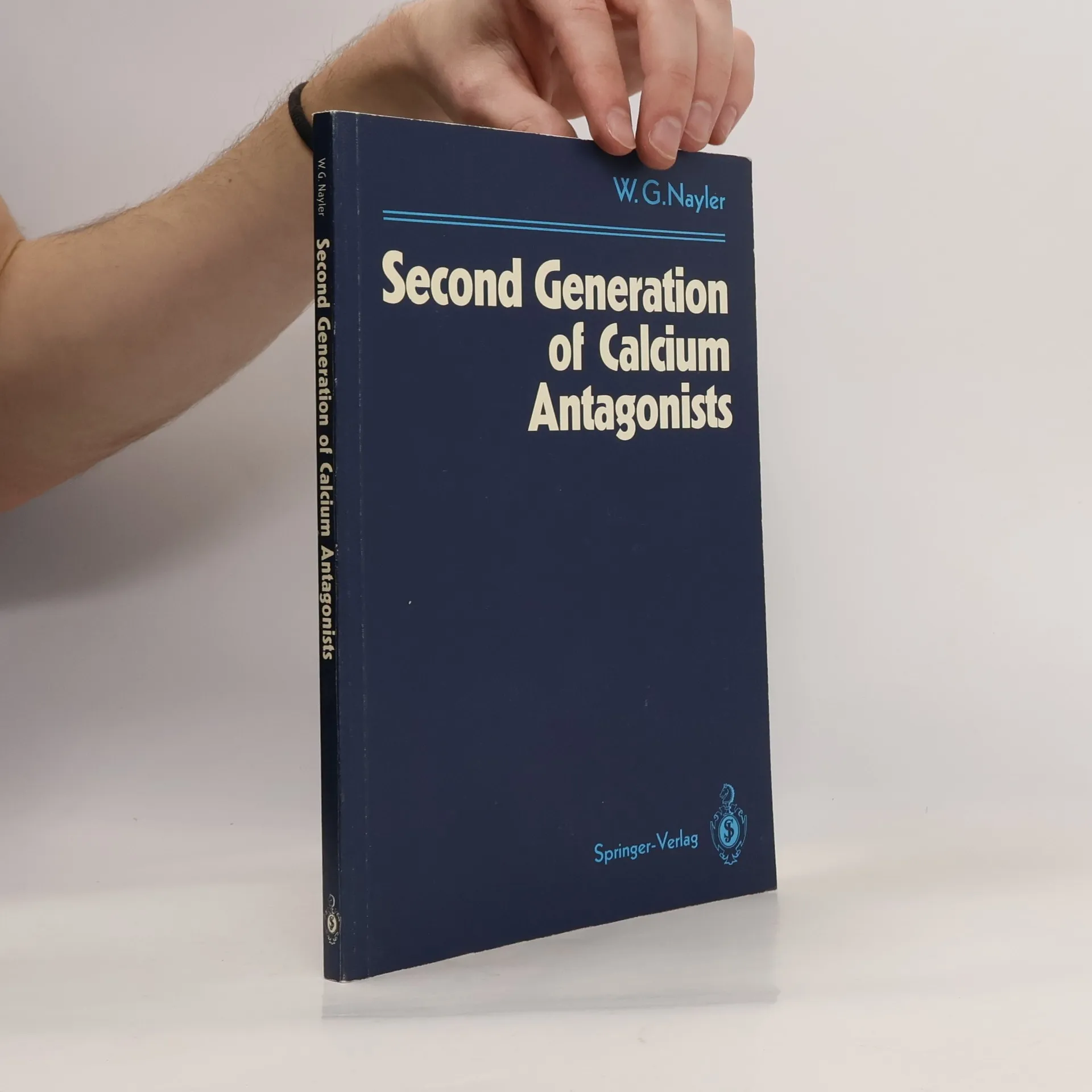
Second Generation of Calcium Antagonists, Winifred G. Nayler
- Taal

- Jaar van publicatie
- 1991
- Bindwijze
- (Paperback)
Betaalmethoden
Nog niemand heeft beoordeeld.
- Titel
- Second Generation of Calcium Antagonists
- Taal
- Engels
- Auteurs
- Winifred G. Nayler
- Uitgever
- Springer-Verlag
- Jaar van publicatie
- 1991
- Formaat
- Paperback
- Aantal pagina's
- 239
- ISBN10
- 3540542159
- ISBN13
- 9783540542155
- Reeks
- Categorieën
- Aantekening
- "Another damned, thick, square book! Always scribble, scribble, scribble! Eh! Mr. Gibbon?" From the Literary Memoirs of William, DUKE OF GLOUCESTER, 1743-1805. Writing a foreword is challenging, as it sets the stage for the author's intentions and the rationale behind the inclusion or exclusion of specific topics. While potential readers might question the need for yet another book on calcium antagonists, recent developments in this field justify its publication. Firstly, there is an enhanced understanding of the chemical structure and action of voltage-activated calcium channels and their binding sites. Secondly, there is a refined insight into the appropriate use of calcium antagonists in treating various clinical conditions, such as cerebral ischaemia, atherosclerosis, mild ischaemic heart disease, ventricular hypertrophy, impaired ventricular relaxation, and hypertension. Lastly, the emergence of a second generation of calcium antagonists further supports the need for updated discourse on this subject. These advancements collectively underscore the relevance and necessity of exploring calcium antagonists in contemporary medical literature.