


Meer over het boek
In this evocative tale, three adolescents navigate the stark realities of life in a remote Siberian village during the mid-1970s. The narrator, Alyosha, along with his friends Samurai and Utkin, find their existence defined by the limited scope of timber, gold, and the looming presence of a labor camp. Their lives take a transformative turn with the arrival of French actor Jean-Paul Belmondo, whose charisma and carefree spirit introduce them to a world beyond their bleak surroundings. His presence shatters their understanding of freedom and possibility, contrasting sharply with the oppressive atmosphere of their daily lives. The boys, inspired by Belmondo, each identify with different aspects of his persona—Alyosha as the lover, Samurai as the warrior, and Utkin as the poet. This newfound perspective ignites their imaginations, expanding their horizons beyond the frozen Siberian taiga. Framed by reflections set in Brighton Beach, New York, two decades later, the narrative explores the stark contrast between the boys' youthful dreams and the realities they face as adults. The irony and heartbreak of their journeys highlight the enduring power of imagination amidst the constraints of their origins.


Een boek kopen
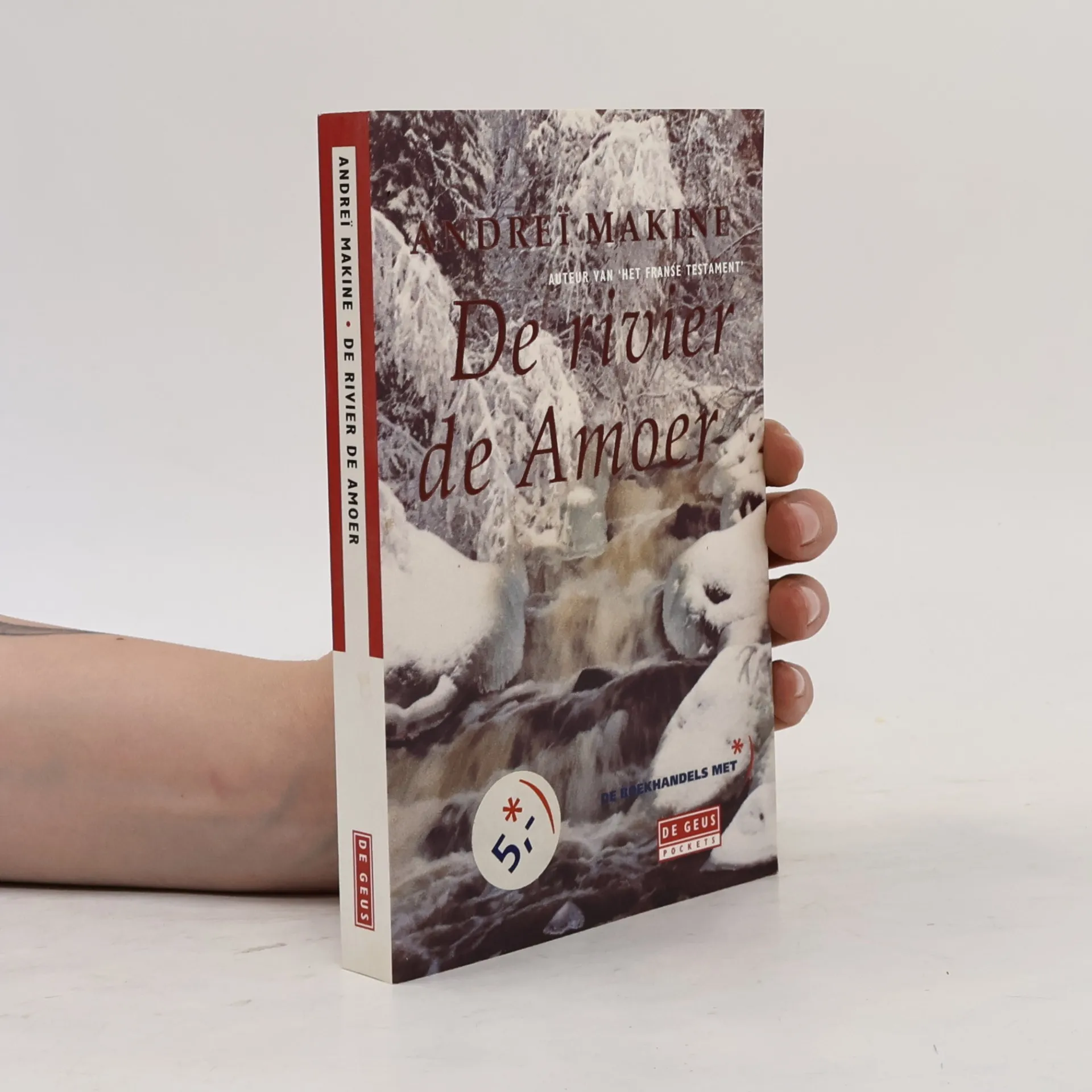
De rivier de Amoer, Andreï Makine, Maria Noordman
- Taal

- Jaar van publicatie
- 2001
- Bindwijze
- (Paperback)
Betaalmethoden
We missen je recensie hier.
- Titel
- De rivier de Amoer
- Taal
- Nederlands
- Auteurs
- Andreï Makine, Maria Noordman
- Uitgever
- De Geus
- Jaar van publicatie
- 2001
- Formaat
- Paperback
- Aantal pagina's
- 249
- ISBN10
- 9044500996
- ISBN13
- 9789044500998
- Reeks
- Tags
- Liefde, Vriendschap, Frankrijk, Rusland, Volwassen worden, Jongeren, Russische literatuur, Oost-Europa, Bioscopen, Siberië
- Eerste editie
- 1994
- Oorspronkelijke titel
- Au temps du fleuve Amour
- Beoordeling
- 3,5 van 5
- Aantekening
- In this evocative tale, three adolescents navigate the stark realities of life in a remote Siberian village during the mid-1970s. The narrator, Alyosha, along with his friends Samurai and Utkin, find their existence defined by the limited scope of timber, gold, and the looming presence of a labor camp. Their lives take a transformative turn with the arrival of French actor Jean-Paul Belmondo, whose charisma and carefree spirit introduce them to a world beyond their bleak surroundings. His presence shatters their understanding of freedom and possibility, contrasting sharply with the oppressive atmosphere of their daily lives. The boys, inspired by Belmondo, each identify with different aspects of his persona—Alyosha as the lover, Samurai as the warrior, and Utkin as the poet. This newfound perspective ignites their imaginations, expanding their horizons beyond the frozen Siberian taiga. Framed by reflections set in Brighton Beach, New York, two decades later, the narrative explores the stark contrast between the boys' youthful dreams and the realities they face as adults. The irony and heartbreak of their journeys highlight the enduring power of imagination amidst the constraints of their origins.